TEU (Twenty-foot Equivalent Unit)
World Data Ocean keeps TEU (Twenty-foot Equivalent Unit) in one place: 7 stories so far. The section currently leads with “Investigation Launched After Tugboat Sinking Leaves Five Crew Missing”, “Data-Driven Wind Propulsion: Maersk Integrates Rotor Sail Technology”, and “South Korea Charts Arctic Route, Balancing Commerce and Geopolitical Concerns”. A tugboat with eight crew members is now the subject of an investigation after it sank, leaving five missing. Anemoi has already fitted its Rotor Sail technology across bulk carriers, and now Maersk is integrating that same system into its fleet. A Global Hub for Ocean Intelligence 4 World Data Ocean is a centralized digital platform where researchers, scientists, and ocean enthusiasts converge to… The list below is every TEU (Twenty-foot Equivalent Unit) story on World Data Ocean, newest first.
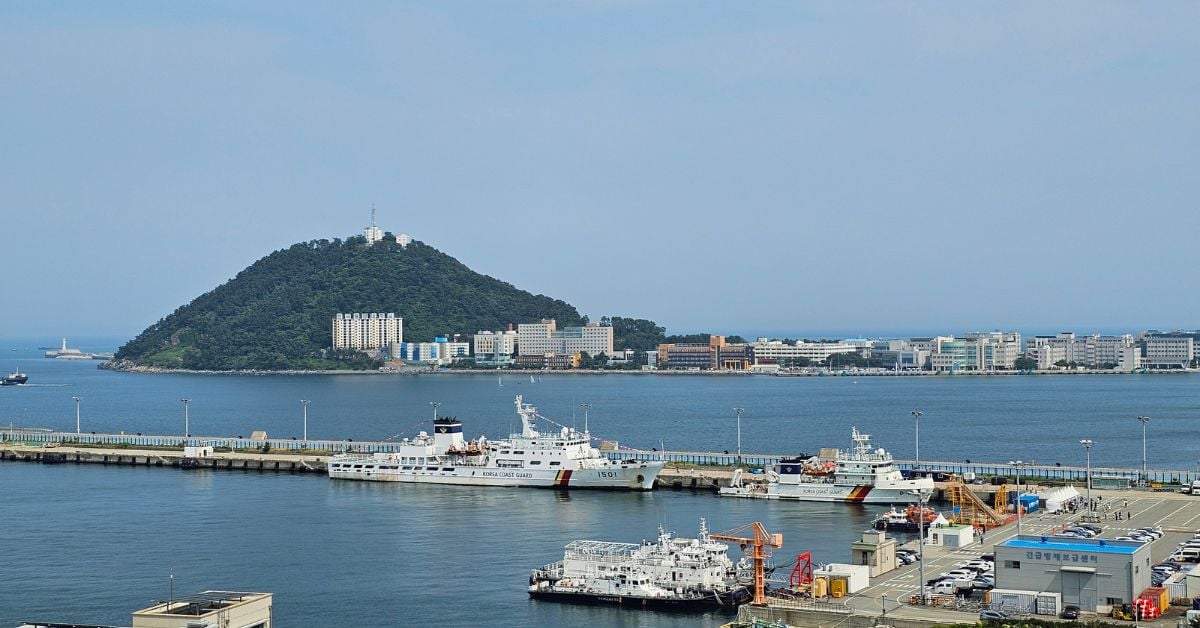
Investigation Launched After Tugboat Sinking Leaves Five Crew Missing
A tugboat with eight crew members is now the subject of an investigation after it sank, leaving five missing. The TNS Catcher went down with one survivor who climbed to its top as it submerged. This incident underscores the persistent dangers faced by maritime workers, even in routine operations. For context on how authorities respond to such tragedies, see our coverage of the submerged fishing vessel and identified remains off Rhode Island.
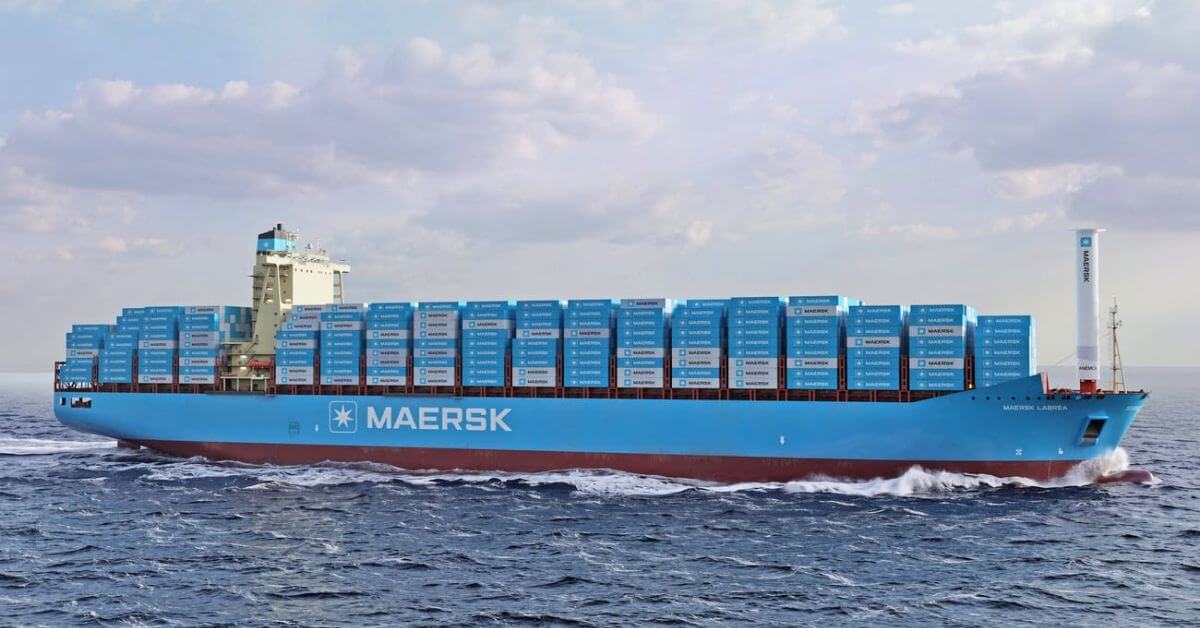
Data-Driven Wind Propulsion: Maersk Integrates Rotor Sail Technology
Anemoi has already fitted its Rotor Sail technology across bulk carriers, and now Maersk is integrating that same system into its fleet. The move signals a practical step toward measurable fuel efficiency, not a gesture. Wind propulsion is no longer a concept study; it is operational hardware earning its place beside conventional power. For readers tracking maritime risk and resilience, our coverage of the drone strike near the Strait of Hormuz shows how quickly operational realities shift.

South Korea Charts Arctic Route, Balancing Commerce and Geopolitical Concerns
South Korea's first Arctic-bound ship to Europe is a calculated test, not a statement. The route's commercial viability hinges on ice-free seasons and cost efficiency, yet the geopolitical undertow is undeniable. Western backlash over Russian cooperation complicates what might otherwise be a straightforward logistics calculation. We see a nation weighing measurable gains against diplomatic friction, a balance requiring calibrated judgment. For deeper context on Moscow's Arctic ambitions, our related piece, "Russia Calibrates Export Revenue for Northern Sea Route Icebreaker Fleet," outlines the financial stakes.

Arctic Route Expands: China's "Ice Silk Road" Connects East and Europe.
On Aug. 15, Sea Legend launched its weekly China-Europe Arctic Express, a scheduled service that turns the fabled "Ice Silk Road" into a working corridor. The route matters because it shortens the physical and logistical distance between East Asia and Europe, offering a practical alternative to congested southern passages. This is not spectacle; it is measured progress in ocean logistics. For context on how Arctic shipping economics are evolving, our coverage of Russia's icebreaker export revenue plans provides useful calibration.

India Prioritizes Domestic Yards in $720 Million Shipbuilding Initiative
India's $720 million shipbuilding initiative puts domestic yards first through a Right of First Refusal process, a practical move toward self-reliance. We see this as a calibrated step that strengthens local industrial capacity while keeping procurement transparent. It pairs well with our earlier coverage of Synergy Marine Group and Cochin Shipyard's collaborative shipbuilding MoU, which signals momentum in India's maritime sector. Prioritizing homegrown capability is measurable progress, and we'll be watching how this shapes regional shipbuilding resilience.
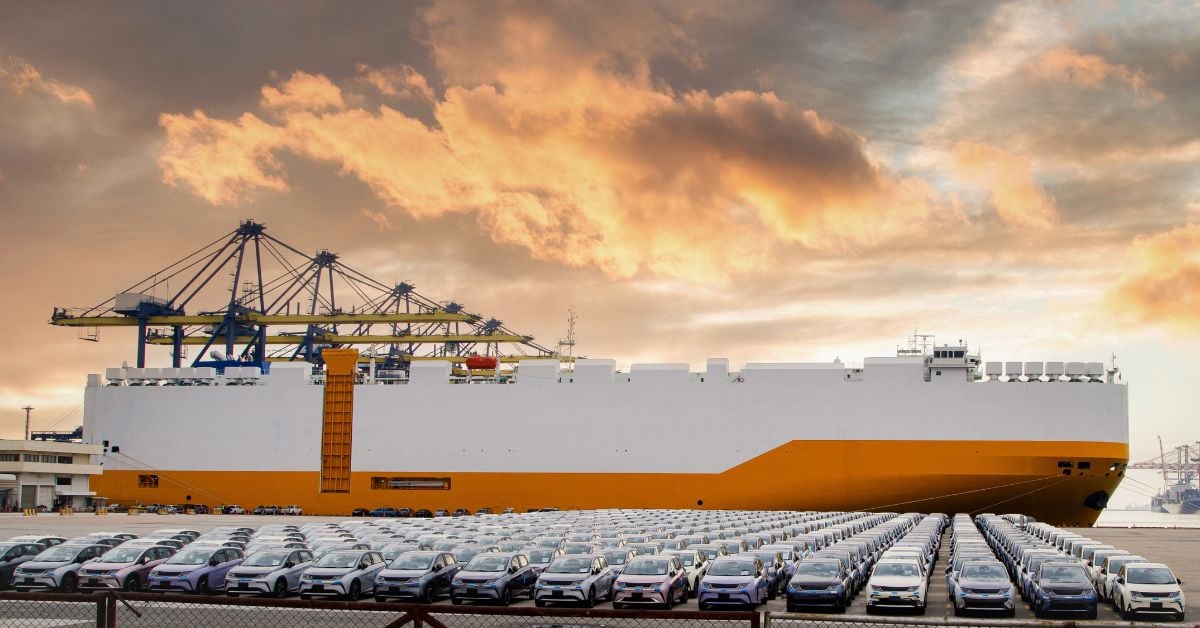
AI Modernizes Port Logistics, Eliminating Bottlenecks and Optimizing Operations
Legacy terminal operating systems were never built for the scale of modern shipping, and the result is predictable: berths sit idle while trucks queue at the gate. AI-driven TOS changes that equation by automating berth planning and smoothing cargo flow in real time. The efficiency gains are measurable, not theoretical. For those tracking how machine intelligence reshapes logistics, our coverage of integrated crane and truck coordination offers a deeper look at the same operational challenge. Precision here is not optional; it is the point.

Nuclear-Powered Container Ship Design Validated, Advancing Ocean Transport Innovation
Validation in naval engineering rarely arrives with this much clarity. The design of a nuclear-powered container ship, built around two molten salt reactors, has cleared a significant hurdle. By refining the power system, hull form, and layout in concert, the project demonstrates how integrated thinking can decarbonize heavy maritime transport without compromising operational efficiency. This is measured, peer-reviewed progress. For context on how such industrial shifts interact with broader marine systems, our related coverage of shifting biogeochemical patterns offers a fitting scientific counterpoint.