Busan
World Data Ocean keeps Busan in one place: 7 stories so far. The section currently leads with “Investigation Launched After Tugboat Sinking Leaves Five Crew Missing”, “Strategic Automation: Smaller Ports Achieve Efficiency Incrementally.”, and “Tugboat Sinking Near Busan: Search Underway for Six Missing Crew.”. A tugboat with eight crew members is now the subject of an investigation after it sank, leaving five missing. A single gate. A Global Hub for Ocean Intelligence 4 World Data Ocean is a centralized digital platform where researchers, scientists, and ocean enthusiasts converge to… The list below is every Busan story on World Data Ocean, newest first.
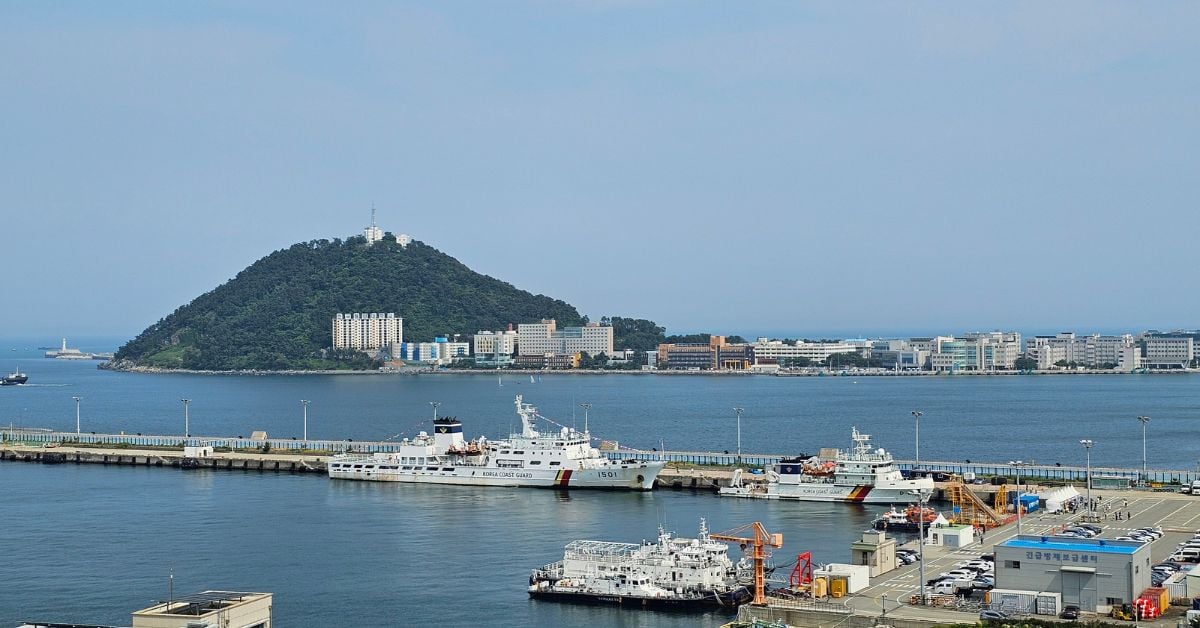
Investigation Launched After Tugboat Sinking Leaves Five Crew Missing
A tugboat with eight crew members is now the subject of an investigation after it sank, leaving five missing. The TNS Catcher went down with one survivor who climbed to its top as it submerged. This incident underscores the persistent dangers faced by maritime workers, even in routine operations. For context on how authorities respond to such tragedies, see our coverage of the submerged fishing vessel and identified remains off Rhode Island.
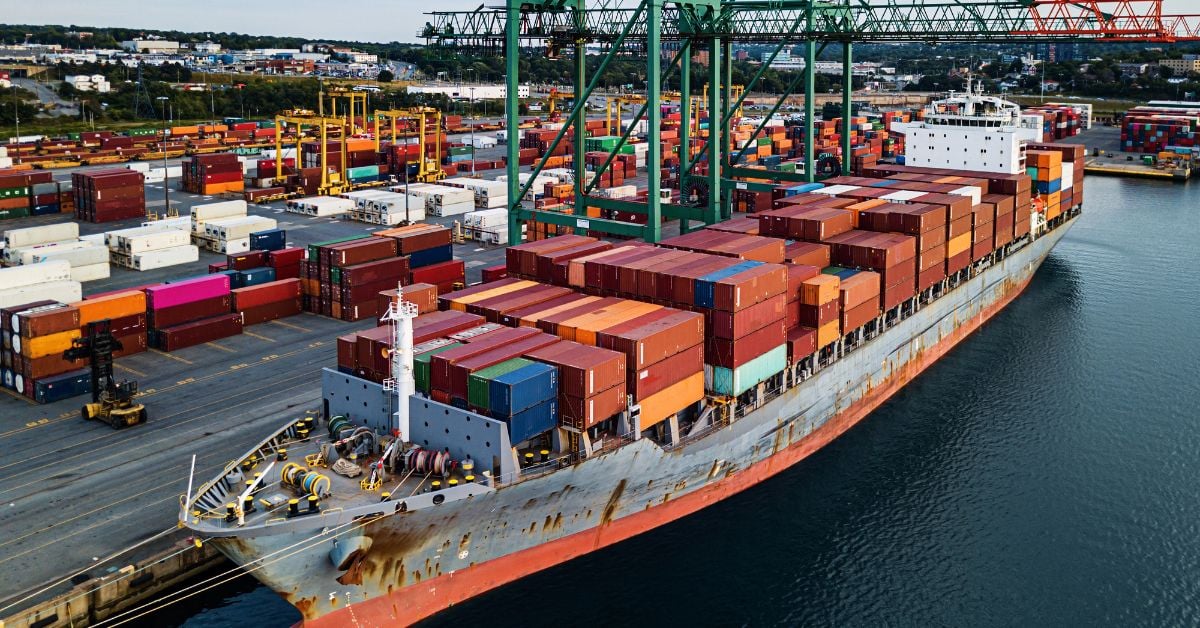
Strategic Automation: Smaller Ports Achieve Efficiency Incrementally.
A single gate. One system. A single problem solved. That is how smaller ports are approaching automation, and it is working. Incremental change delivers measurable gains without the risk of a full-scale overhaul. This pragmatic path matters as global trade shifts. For context on how much is at stake, China's record port activity shows the pressure building elsewhere. But here, the focus stays local. Strategic automation is not about doing everything at once. It is about starting, calibrating, and building real momentum from validated progress.
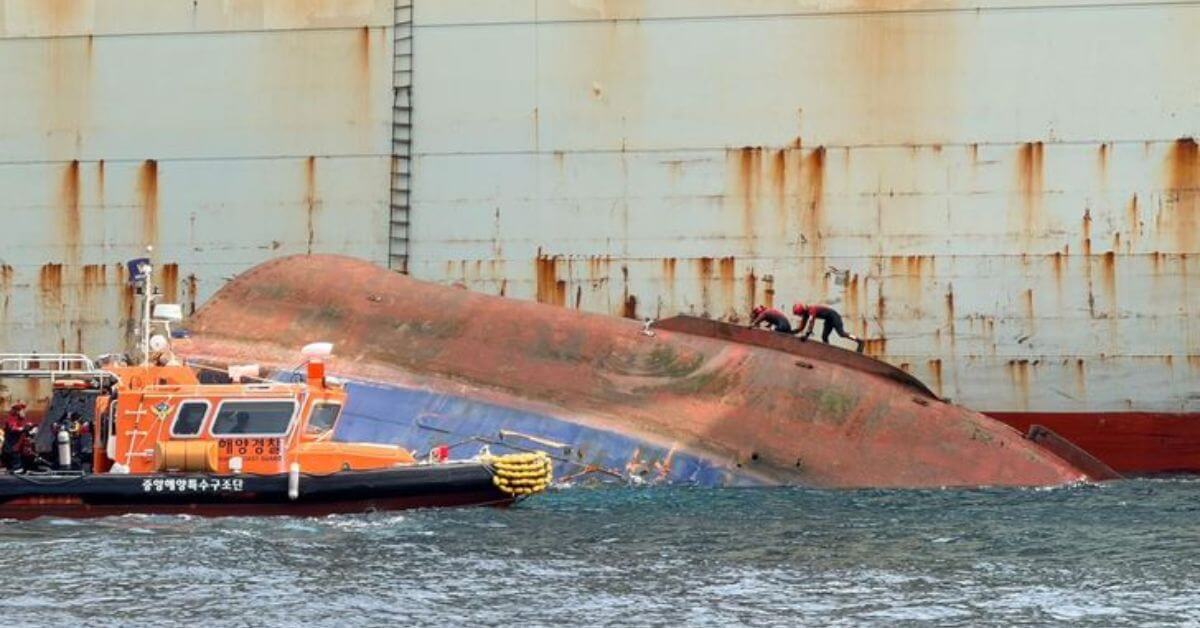
Tugboat Sinking Near Busan: Search Underway for Six Missing Crew.
A 286-tonne tugboat capsized and sank east of Oryukdo Island, leaving six crew members missing. The TNS Catcher went down at roughly 1:29 p.m., fully disappearing beneath the surface by 3:27 p.m. Search operations are underway, and every minute matters in these waters. Maritime emergencies like this remind us how quickly conditions can turn. For broader context on recent incidents, our coverage of the cargo ship fire near Mykonos offers a similar case of rapid response.
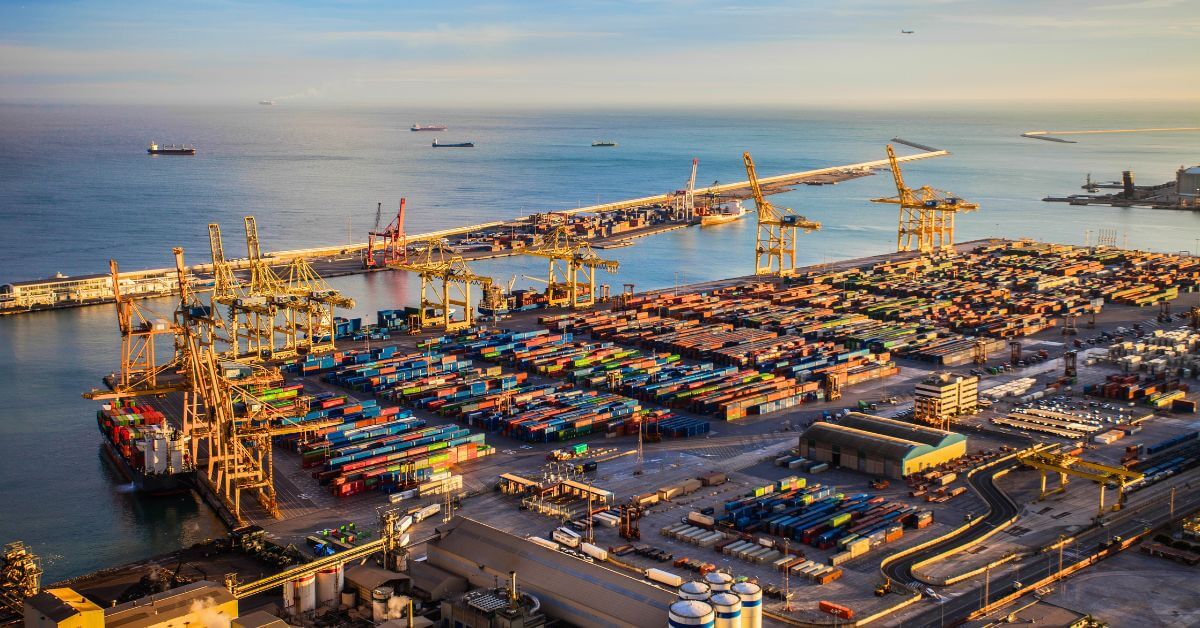
Asian Port Congestion Impacts Global Vessel Reliability.
In July, congestion across Asia's 14 busiest ports drove a measurable decline in global vessel reliability. This is not an abstract metric; it is a concrete signal of how tightly interwoven our logistics and ocean health truly are. When ports stall, the ripple effects are immediate and empirical. We track these shifts because they reveal systemic pressures. For context on maritime resilience, our coverage of the *Integrated Response Saves 25 Seafarers* highlights how crews navigate such volatile conditions.

Shifting Fisheries Focus: Chub Mackerel Catch Driven by Smaller Fish
The chub mackerel catch off Busan is not shrinking; it is being redefined. Our analysis of a decade of auction records shows the population is not broadly downsizing. Instead, the fishery has chronically landed small fish, with Grade 4's share of the weight surging to 97% in 2025. This shift tracks less with ocean warming and more with a booming export market and a weaker won. We see a market-driven relocation, not an ecological collapse.

Bunker Fuel Quality Declines Amid Rising Prices and Alerts.
Marine fuel buyers entered 2026 facing a perfect storm, with bunker prices climbing to historic highs while fuel quality simultaneously declines. This convergence pressures operators who must balance cost against compliance and engine performance. The trend demands closer attention to fuel testing and supplier verification, as margin for error narrows with every grade. For context on how the industry is adapting to new fuel challenges, our coverage of the *Ammonia Bunkering Milestone* highlights a shift toward alternative solutions.

AI-Driven Mine Sweeping: South Korea Advances Autonomous Naval Technology
South Korea's recent mine-sweeping exercise in Busan, led by Hanwha Systems, signals a deliberate step toward autonomous naval operations. This is not about replacing crews outright but about reducing risk where it matters most. The integration of AI into such precise, high-stakes tasks reflects a broader momentum across allied navies, as seen in the US Navy's push for autonomous systems integration. Measured, empirical progress like this strengthens maritime security without the hype.