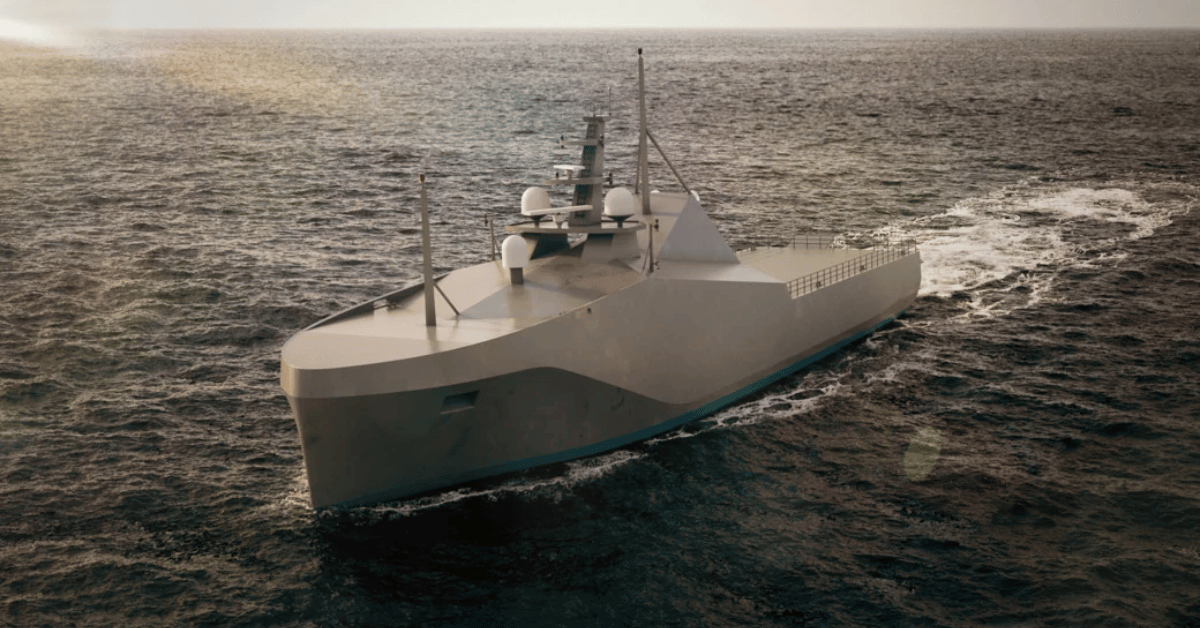
The Arctic Hunter uncrewed vessel represents a practical, measured step forward for anti-submarine warfare, and that is precisely why it deserves attention. Kongsberg Maritime's proposal to the Royal Navy for the Type 92 requirement is not a speculative concept but an adaptation of existing commercial Arctic vessel technology, already approved by DNV and the Norwegian Maritime Authority. This matters because it shortens the path from contract to deployment, a rare advantage in defense procurement.
What makes this announcement significant is the integration model it proposes. Kongsberg is not building a bespoke military platform from scratch. It is taking a proven commercial hull, designed for Arctic waters over the past 50 years, and partnering with Thales UK for sonar and secure communications, and with Balaena Maritime for construction at Birkenhead. This approach aligns with the Royal Navy's Atlantic Bastion plan, which pairs crewed platforms with uncrewed sensors. The vessel's 56-metre length and 60-day endurance suggest it is built for persistent presence, not quick sorties. The payload capacity and deck space allow for future mission systems, making it an integrated data ecosystem that can evolve as threats do. We have seen similar logic in other navies: the INS Amini Delivers Fifth Indigenous Shallow-Water Warship to Indian Navy also relied on a commercial shipyard and a modular design to deliver capability quickly, though that vessel is crewed and operates in warmer waters. The Arctic Hunter's uncrewed nature and Arctic specialization are the differentiators.
The practical implication for readers is clear: this vessel could reshape how NATO monitors the High North. The Type 92 programme, if built around Arctic Hunter, would support the Lunna House agreement under which the UK and Norway lead NATO's adoption of autonomous systems in the region. The Royal Navy has already demonstrated a willingness to integrate uncrewed systems from carriers, as shown in the Royal Navy integrates uncrewed strike capability from carrier in North Atlantic test. Arctic Hunter extends that concept to subsurface detection, adding a persistent, uncrewed sensor layer that crewed ships cannot maintain indefinitely in Arctic conditions. The Ministry of Defence has not fixed platform numbers or construction schedules, but Kongsberg's commercial hull approval means the regulatory groundwork is already laid.
The open question is the sonar. Thales UK's model and its performance figures remain undisclosed. Without empirical data on detection ranges in Arctic conditions, the vessel's effectiveness against modern submarines is unvalidated. The commercial technology has flag-state approval; the militarized version does not. That distinction will determine whether Arctic Hunter becomes a cornerstone of Atlantic Bastion or a capable hull waiting for sensors that are not yet calibrated to the mission. The takeaway is direct: watch for the sonar specification. That single piece of data will tell us whether this is a genuine leap in ocean intelligence or a well-engineered platform in search of its purpose.