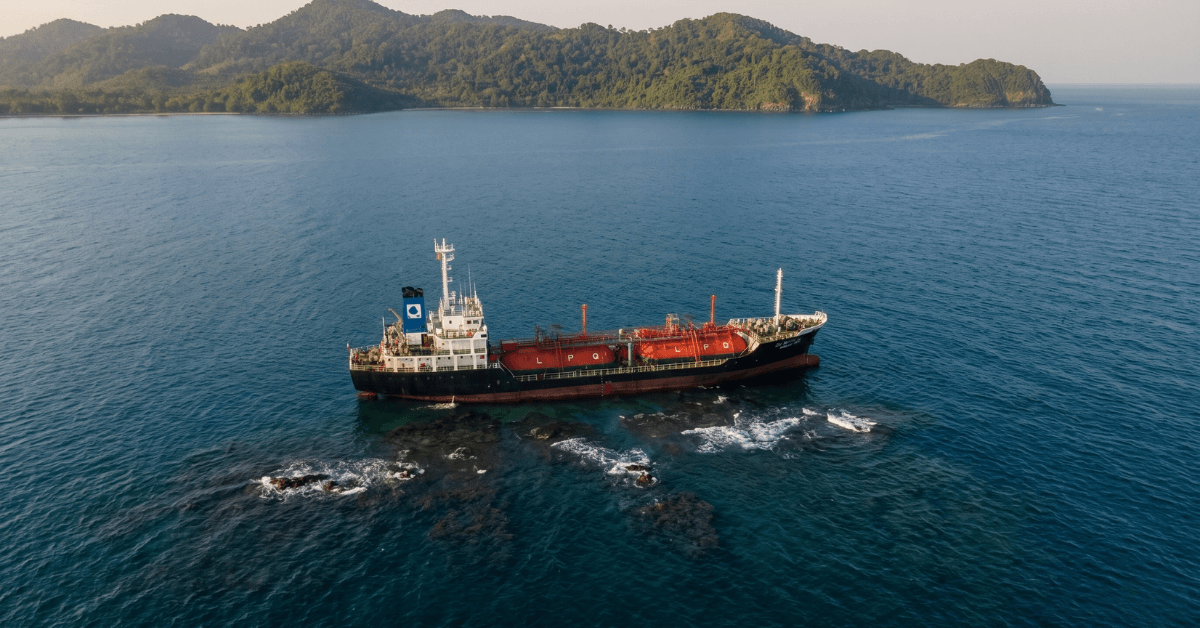
A grounded ammonia carrier sitting 430 metres from a coral reef in a Thai marine park is not a hypothetical risk, it is a real-time test of preparedness. The *Unique 10* struck submerged rocks off Koh Phaluai on November 22, and while initial inspections show no cargo tank damage or oil leakage, the vessel is carrying liquefied ammonia and has hull damage with flooded ballast tanks. This is precisely the kind of incident that separates robust response systems from fragile ones. The question now is whether the salvage plan, the anti-pollution equipment, and the coordination between Siam Lucky Marine and Thai authorities will be enough to protect an ecosystem that has already endured multiple maritime accidents in recent years.
This grounding follows a pattern we have documented closely. The 100 tonnes of diesel aboard grounded Miro G tests coastal response systems off France's Landes region this month, and the Crew rescued after cargo vessel grounds off the Wexford coast in Ireland earlier this year. Each incident shares a common thread: a vessel in proximity to sensitive coastlines, a race to assess structural integrity, and a salvage plan that must account for both human safety and environmental consequence. In Thailand's case, the Phaluai Channel is known for shallow rocks, strong currents, and seasonal squalls near protected marine park reefs. The *Unique 10* was preparing to anchor for berthing at a gas terminal in Surat Thani when it hit those rocks. That is not bad luck, it is a known hazard, and the question is whether operational protocols accounted for it.
The salvage options are telling. If damage is minor, divers seal the breach and tugs pull the vessel off with cargo aboard, transferring the ammonia later. If damage is severe, the liquefied ammonia must be pumped into a relief tanker while the ship is still aground, a 10-hour operation requiring a receiving vessel from Bang Pakong. Both plans assume the hull can be accessed, the weather cooperates, and the transfer proceeds without leakage. But ammonia is toxic to marine life, and a spill near a coral reef would cause damage that is neither immediate nor reversible. The Department of Marine and Coastal Resources has not yet confirmed whether the reef was damaged during the grounding itself. That silence is worth watching.
What this means for our readers is straightforward: the margin between a successful salvage and an ecological incident is measured in hours and in the quality of pre-positioned equipment. Thailand's navy has vessels and aircraft on standby, and local authorities have readied anti-pollution gear. But readiness is not the same as deployment. The *Unique 10* was built in 1979, and its age adds another variable to hull integrity under stress. The salvage teams will need empirical data from underwater inspections to choose their plan, and every hour of delay increases the risk from currents and weather. The takeaway is concrete: the next 48 hours will determine whether this incident becomes a case study in effective response or another entry in the region's accident log. We will be watching the inspection results and the transfer timeline, because that is where the real data lives.