grounding
World Data Ocean keeps grounding in one place: 8 stories so far. The section currently leads with “Quantifying human factors in vessel loss-of-control risk models”, “Simulating crisis at sea to sharpen response in the Seto Island Sea”, and “Bulk Carrier Freed After Prolonged Grounding Near Gladstone, Australia”. A loss of control at sea is rarely the end of the story, it is the beginning of a race against time. A simulated major accident in the Seto Island Sea on September 30 sharpened real-world response protocols as part of NYK's "Beyond Naka-no-Se" safety campaign. A Global Hub for Ocean Intelligence 4 World Data Ocean is a centralized digital platform where researchers, scientists, and ocean enthusiasts converge to… The list below is every grounding story on World Data Ocean, newest first.

Quantifying human factors in vessel loss-of-control risk models
A loss of control at sea is rarely the end of the story, it is the beginning of a race against time. Traditional risk models treat vessel blackouts as technical failures, yet whether a ship drifts into disaster depends almost entirely on human and organizational response in the critical minutes that follow. This study quantifies that decisive window, revealing how initial response capacity, not the failure itself, determines the outcome.
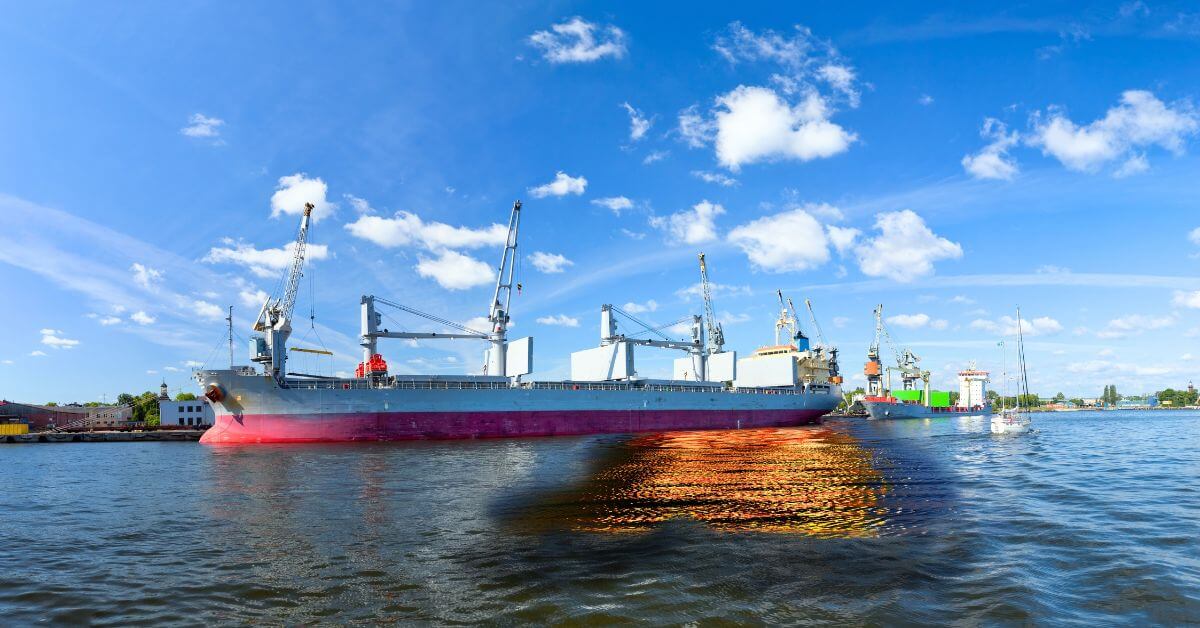
Simulating crisis at sea to sharpen response in the Seto Island Sea
A simulated major accident in the Seto Island Sea on September 30 sharpened real-world response protocols as part of NYK's "Beyond Naka-no-Se" safety campaign. These drills validate preparedness where geography concentrates risk. Such measured, empirical exercises build the integrated data ecosystem needed for effective crisis management, a lesson reinforced by recent real-world events like the Black Sea incident, which raises urgent questions on maritime safety and climate risk. Understanding drives protection, from simulation to response.
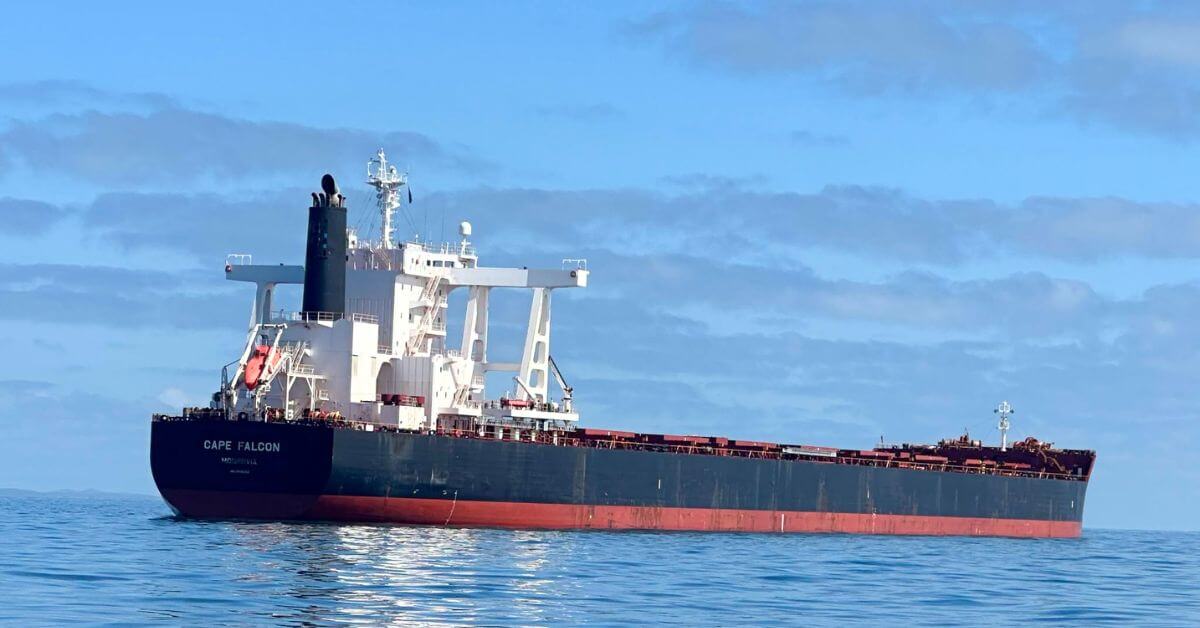
Bulk Carrier Freed After Prolonged Grounding Near Gladstone, Australia
Six days on the sandbar near Gladstone is a stark reminder of how unforgiving the Queensland coast can be, and the successful refloat of this bulk carrier speaks to the skill of the response teams involved. A prolonged grounding disrupts schedules and tests operational limits, but the vessel is now free, which is the outcome that matters most.
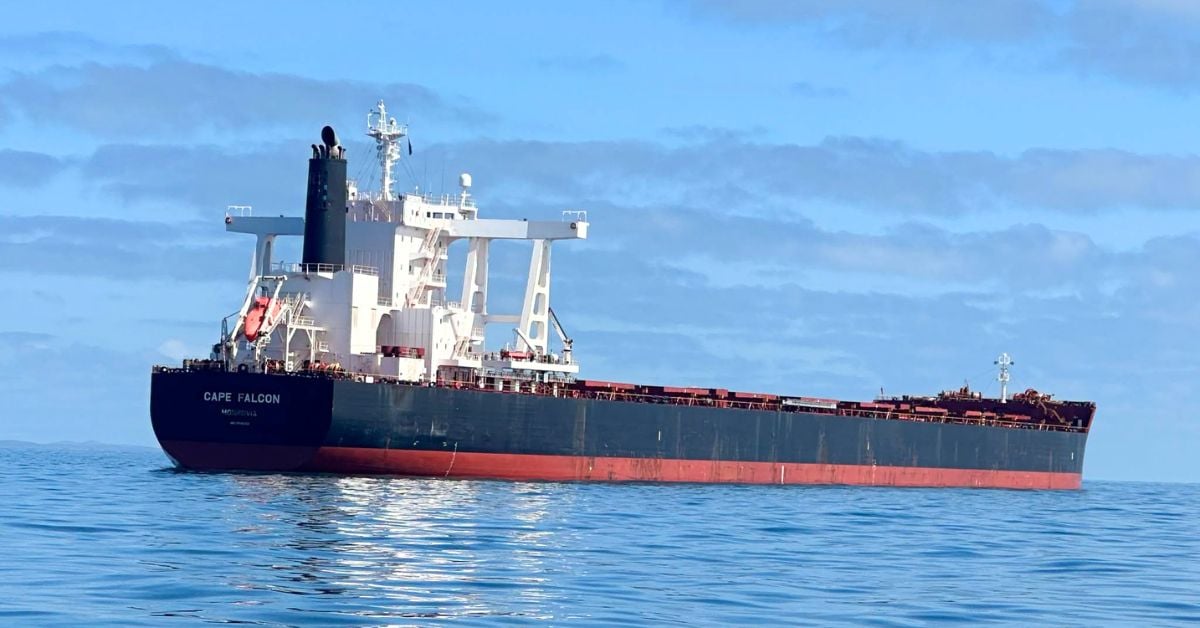
Refloating Efforts Unsuccessful; Bulk Carrier Remains Grounded Near Gladstone
The Cape Falcon remains firmly aground near Gladstone, with two refloat attempts failing to move the Liberian-flagged bulk carrier. The setback underscores how unforgiving coastal conditions can be, even for modern vessels. Patience and precision will be required before the ship returns to open water. For broader context on how such incidents unfold, our related coverage of prolonged groundings, including "Bulk Carrier Freed After Prolonged Grounding Near Gladstone, Australia," offers useful perspective.

Container Ship Sinks Near Zhoushan; Typhoon Threatens Recovery Efforts
Aged 20 and already facing the sea's harshest realities, the container ship that sank near Zhoushan now confronts a second threat: an inbound typhoon is set to complicate salvage efforts. The vessel's fate underscores how quickly recovery can turn perilous, even for seasoned crews. Weather remains the great variable in maritime response, and this operation will test both patience and precision. For deeper context on how vessels endure such trials, our piece on the bulk carrier freed near Gladstone offers a useful counterpoint.

MSC Baltic III Salvage Operation Underway Following Grounding Event
The MSC Baltic III's grounding near Wild Cove in February 2025, after losing power in severe weather, has moved into the salvage phase. A salvage operation is now underway. It is a demanding environment, and the response will require careful, validated assessments. We have seen similar challenges elsewhere, such as the bulk carrier freed after a prolonged grounding near Gladstone, Australia. That case reinforces that patience and precise engineering are essential. We are monitoring this operation closely.
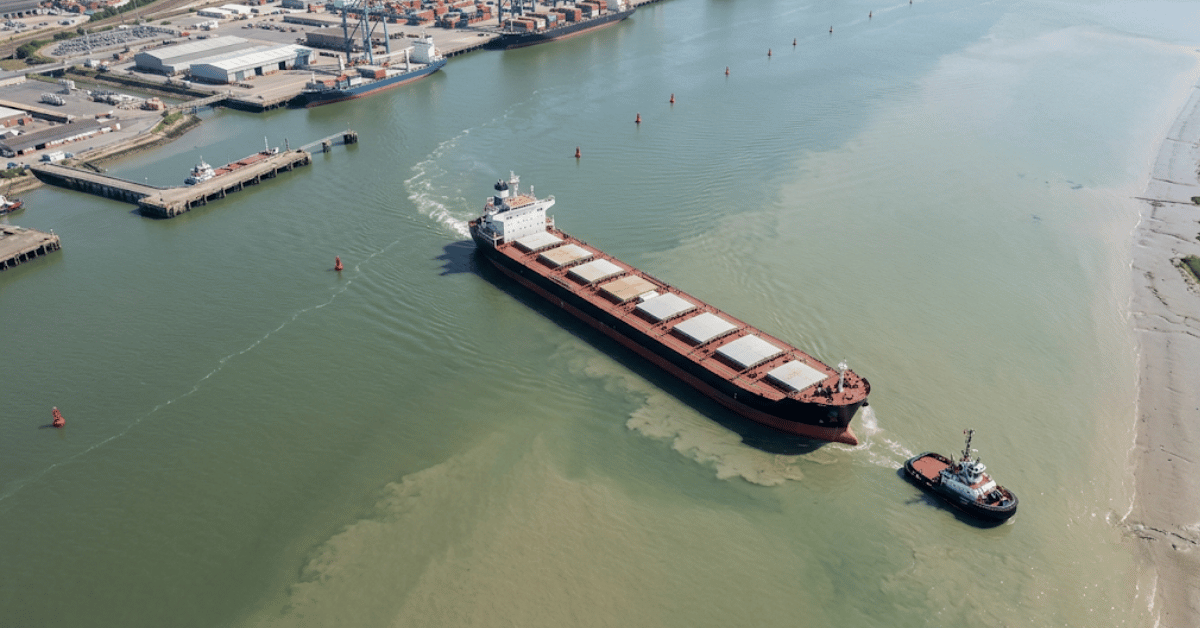
Navigation Error Highlights Risk of Expectation Bias at Sea
A pilot's error outside the dredged channel grounded a bulk carrier twice, a stark reminder that expectation bias can override even the most familiar waterway. We often trust what we think we see at sea, yet this incident shows how quickly assumption undermines navigational safety. The lesson is not new, but it bears repeating: verify every fix, question every turn. For those tracking similar risks, our coverage of the bulk carrier freed after prolonged grounding near Gladstone offers further context worth reviewing.

Bulk Carrier Grounds in Dardanelles Strait Following Engine Failure
A 190-metre bulk carrier ran aground in the Dardanelles Strait after an engine failure, halting its passage from Syria to Russia at the Nara turn. Mechanical casualties in this narrow waterway test both crew response and navigational precision. The San Marino-flagged vessel's grounding underscores how quickly transit disrupts in a region already dense with maritime activity. We track these incidents because each one adds to the operational picture. For broader context on regional pressures, see our coverage of strikes targeting vessels in the Black Sea.