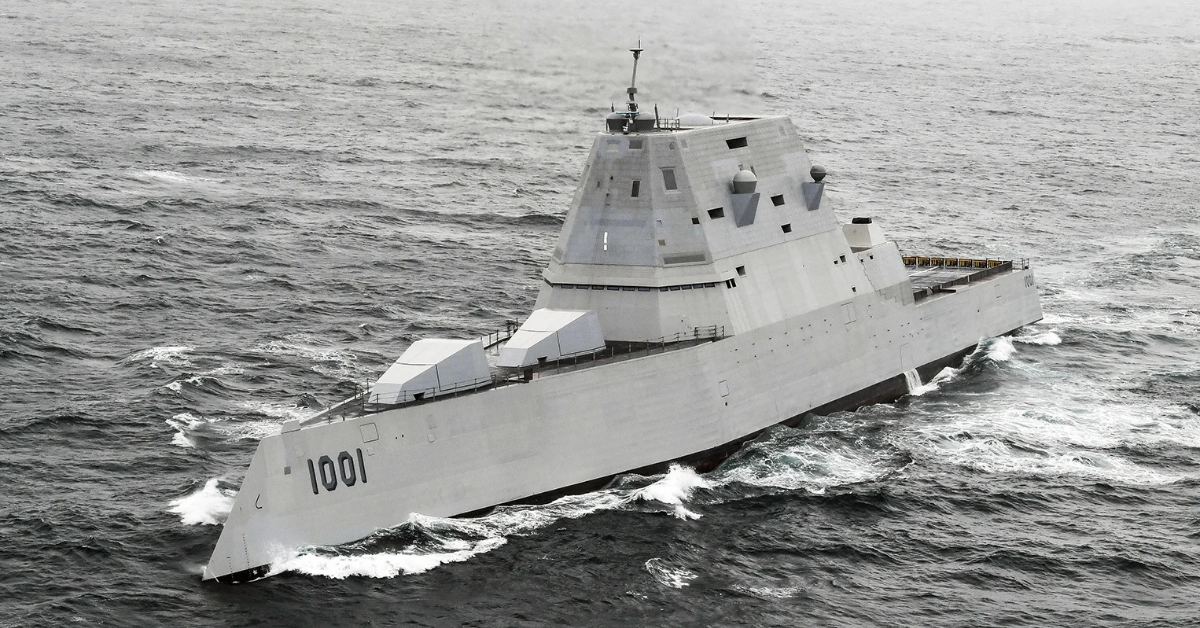
The decision to fit a 600-ton hypersonic launch module onto USS Michael Monsoor is a necessary and overdue recalibration of naval strike capability, but it also reveals the persistent gap between strategic ambition and industrial capacity. Converting the Zumwalt-class destroyers from a troubled gun platform into a long-range strike ship is a sound engineering judgment, yet the timeline and production constraints demand a sober assessment. The United States Navy is effectively betting its future surface-strike architecture on a missile that, according to the Government Accountability Office, can currently be produced at only six to seven rounds per year, roughly half the rate needed to stabilize production. That mismatch is not a footnote; it is the central challenge.
This modernization effort does not occur in isolation. As we have noted in our coverage of Fifth US Navy repair at L&T yard signals deeper maritime integration, the Navy is simultaneously expanding its maintenance partnerships across allied shipyards. The tension between global logistical integration and domestic production bottlenecks becomes sharper when a single weapons system, the Conventional Prompt Strike hypersonic missile, is both the centerpiece of a new strike doctrine and a production-limited asset. Similarly, the broader discussion of Global Shipbuilding Strategy Must Include Foreign Investment for Frigate Fleet underscores that industrial capacity is the binding constraint on naval modernization. A 600-ton module is impressive engineering; reliable serial production of its payload is what determines whether that module is a deterrent or a display piece.
The practical consequences for the fleet are measurable. The first hypersonic flight test from a Zumwalt-class ship has slipped from 2025 to 2027, and the entire modernization program for all three destroyers is running 24 months behind schedule. For readers tracking naval posture, the question is not whether the CPS missile can work, it has demonstrated its two-stage booster and glide-body maneuverability in test environments, but whether the industrial base can deliver enough rounds to make the investment in these hulls worthwhile. A destroyer carrying twelve hypersonic missiles that cannot be replenished at a meaningful rate is a tactical asset with a strategic ceiling. The Navy's cold-gas ejection system reduces stress on the tumblehome hull, but no amount of engineering elegance can compensate for a production line that builds fewer missiles than the fleet requires.
The detail to watch is the installation itself. The Zumwalt-class hull, with its inward-sloping sides and complex weight distribution, demands heavy-lift cranes and handling equipment that shipyards are still studying. If the physical insertion of a 13.6-meter-long module into a hull not designed for it proves as difficult as the schedule suggests, the 2028-2030 modernization window for USS Michael Monsoor will tighten further. The lead ship USS Zumwalt was 94% complete as of January 2026, but the remaining 6% of integration work often exposes the hardest problems. For a Navy that has already shifted carrier presence in the Middle East to a two-vessel posture, as reported in Carrier Presence Shifts as Middle East Naval Posture Reduces to Two Vessels, every delayed hull compounds the strain on distributed maritime operations. The module is ready. The missile is not. That gap defines the next phase of this program.