port infrastructure
World Data Ocean keeps port infrastructure in one place: 19 stories so far. The section currently leads with “Mormugao Port Authorises Private 5G for Measurable Logistics Intelligence”, “Shore power at Nhava Sheva anchors India's first blue-financing network”, and “Strikes on Odesa Port Underscore Broader Maritime Security Risks”. Mormugao Port Authority has become India's first major port to secure authorisation for a private 5G network, a move that makes measurable logistics intelligence a practical reality. A Rs 650 crore shore-power project at Jawaharlal Nehru Port anchors India's first blue-financing network. A Global Hub for Ocean Intelligence 4 World Data Ocean is a centralized digital platform where researchers, scientists, and ocean enthusiasts converge to… The list below is every port infrastructure story on World Data Ocean, newest first.

Mormugao Port Authorises Private 5G for Measurable Logistics Intelligence
Mormugao Port Authority has become India's first major port to secure authorisation for a private 5G network, a move that makes measurable logistics intelligence a practical reality. This infrastructure enables real-time cargo tracking and automated operations, turning data into actionable efficiency. Such integrated digital ecosystems are essential for modernising maritime trade. For context on how precision technology extends to ocean science, see our coverage of in situ mass spectrometry from surface to seafloor.
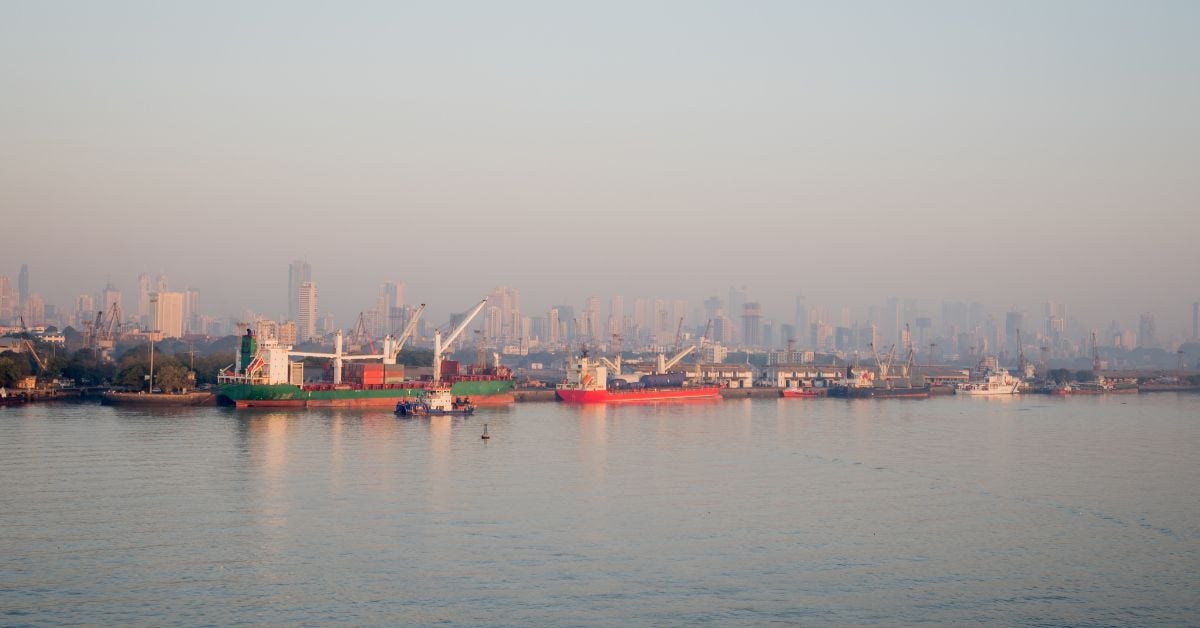
Shore power at Nhava Sheva anchors India's first blue-financing network
A Rs 650 crore shore-power project at Jawaharlal Nehru Port anchors India's first blue-financing network. This is how measurable climate action begins: validated infrastructure, integrated financing, and real-time emission reductions. The network links environmental performance to capital, giving ocean stewardship a practical lever. Readers tracking maritime security risks may find our related coverage of strikes on Odesa Port relevant to the broader geopolitical context shaping port investments. Understanding drives protection.
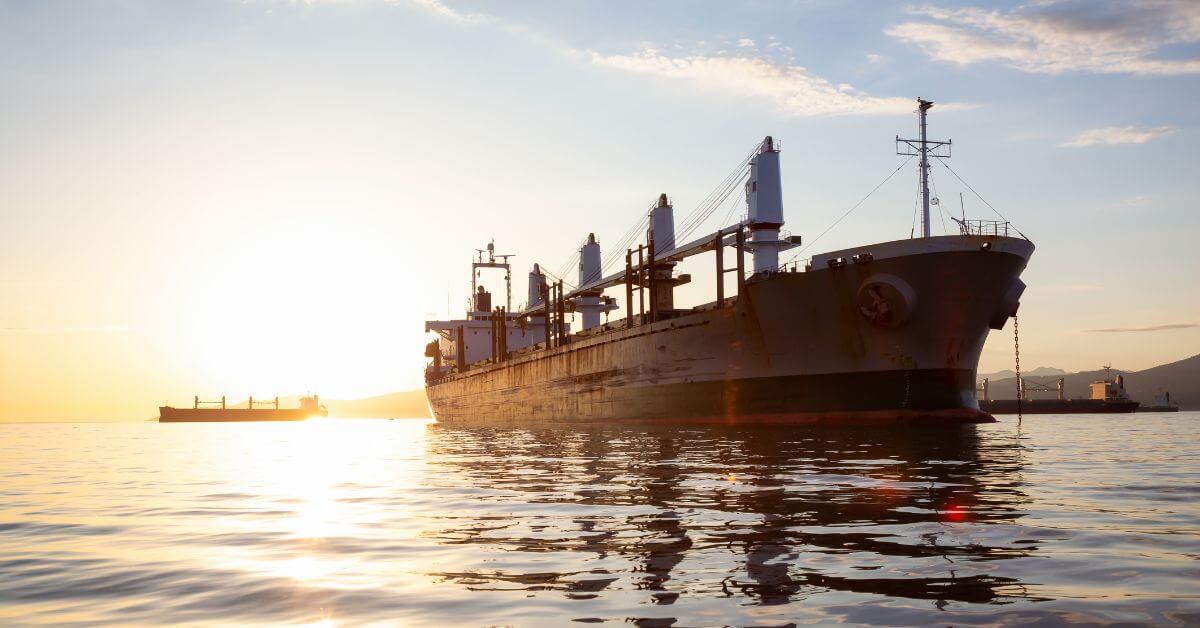
Strikes on Odesa Port Underscore Broader Maritime Security Risks
Russian forces claim to have struck four military storage sites and a cargo ship carrying military and dual-use goods to Odesa. These strikes on a major Ukrainian port are not isolated incidents; they signal escalating risks to maritime security in the region. Measurable threats to commercial shipping demand empirical monitoring. Our related report, "Strikes Target Ports and Vessels in Confirmed Military Action," offers deeper coverage. Understanding these patterns drives protection of global trade routes.
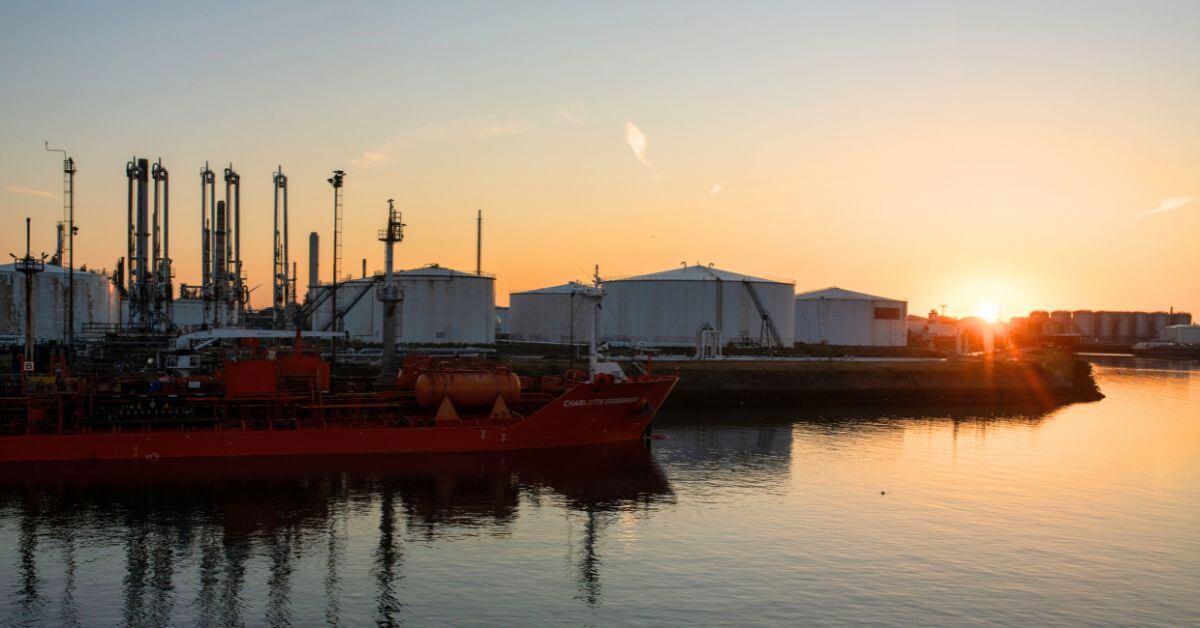
Strikes Target Ports and Vessels in Confirmed Military Action
Russia's Thursday strikes on Ukrainian military facilities, cargo ships, and port infrastructure mark a deliberate escalation in its maritime campaign. The targeting of commercial vessels extends the conflict's reach into global shipping lanes, a move we assess as strategically calculated. Such actions complicate maritime security and demand calibrated responses. For broader context on Russia's maritime strategy, our coverage of the Vostok Project's Arctic oil exports offers a parallel view of how Moscow leverages sea routes amid geopolitical pressure.
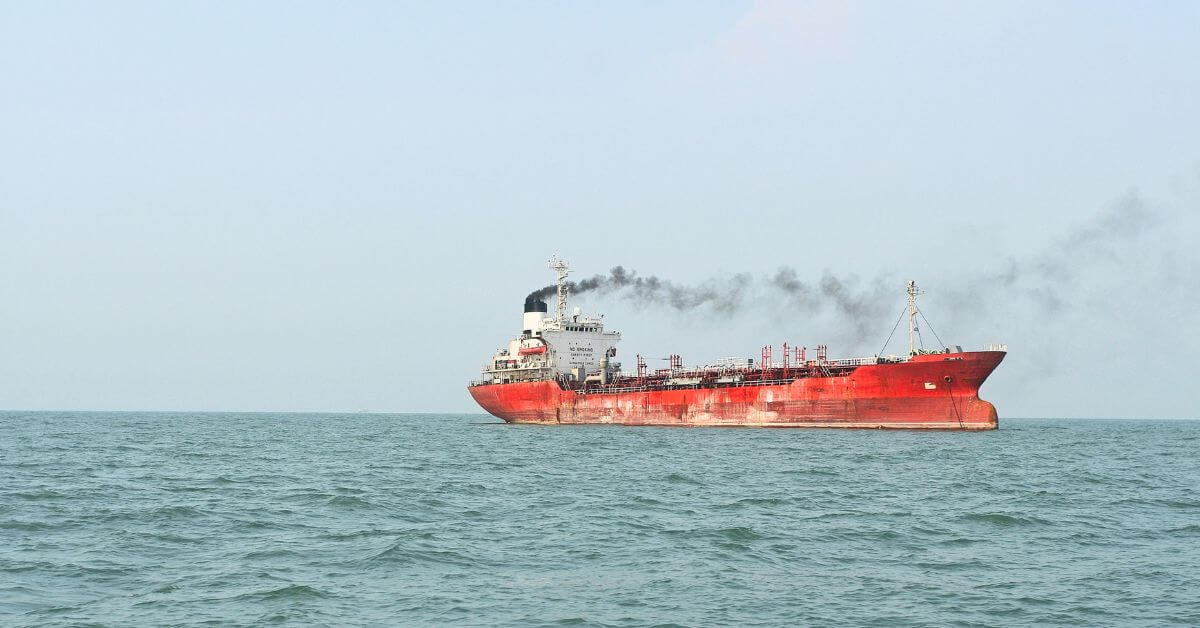
Fatal Attack on Cargo Ship Highlights Black Sea Shipping Risks
The attack on a cargo ship sailing under the flag of Antigua and Barbuda, reported Sept. 23 by the Ukrainian Sea Port Authority, sharpens the profile of risk in Black Sea shipping. This is not an isolated incident but a measurable indicator of a waterway under strain. We track these incidents because each one validates the need for integrated maritime data.
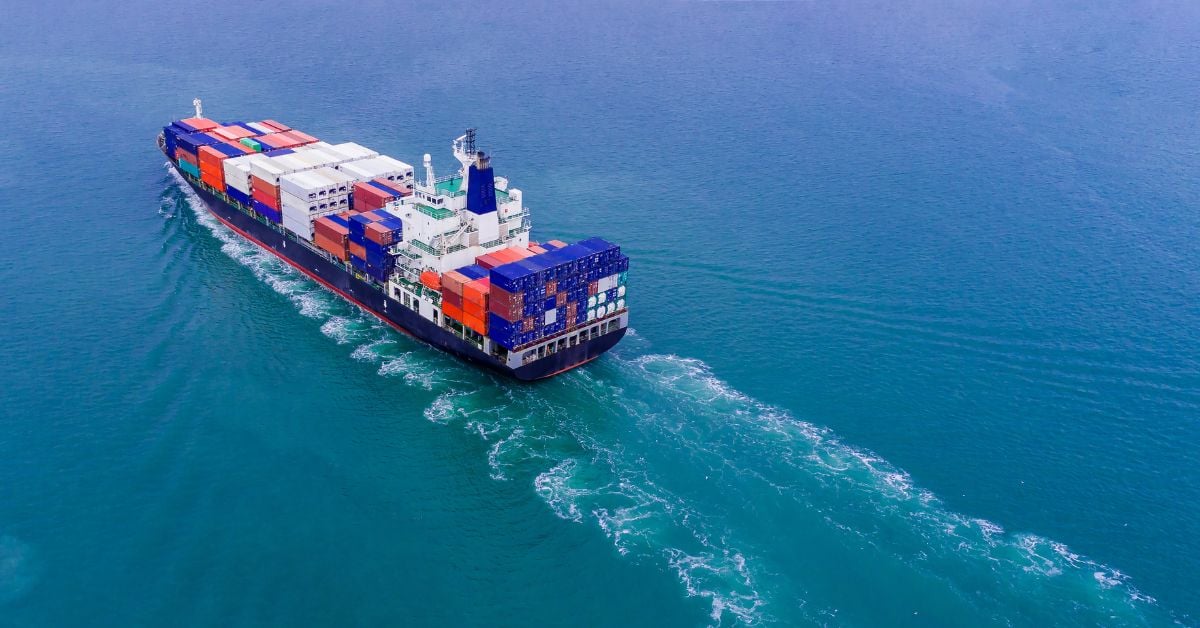
Scaling Seas: Gigamax Container Ships Forecasted for East-West Trade.
A 27,500-TEU vessel represents more than a simple capacity increase. It signals a recalibration of global trade infrastructure, where scale itself becomes a strategic asset. These Gigamax ships will demand deeper ports, stronger cranes, and tighter scheduling across entire supply chains. The question is whether our current systems can absorb that pressure. For context on how maritime nations are already adapting, see our coverage of "Russia Calibrates Export Revenue for Northern Sea Route Icebreaker Fleet."
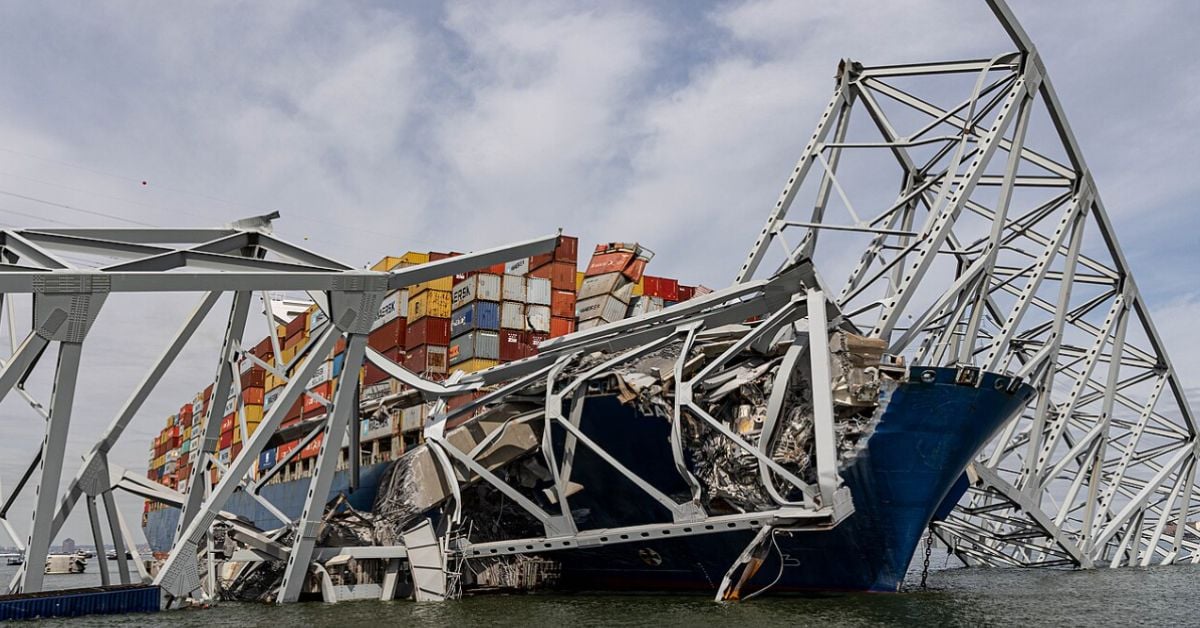
Key Bridge Collapse Reveals Critical Gaps in Port Safety Assessments
The final report on the Key Bridge collapse confirms what empirical data has long indicated: waterway risk assessment tools remain underutilized, leaving port infrastructure vulnerable to evolving threats. This is a measurable failure, not an abstract one. Validated, real-time ocean intelligence must be integrated into safety protocols, understanding drives protection. For deeper context on maritime infrastructure development, see our coverage of Paradip Port's designation as a Mega Port, anchoring Eastern India's growth.
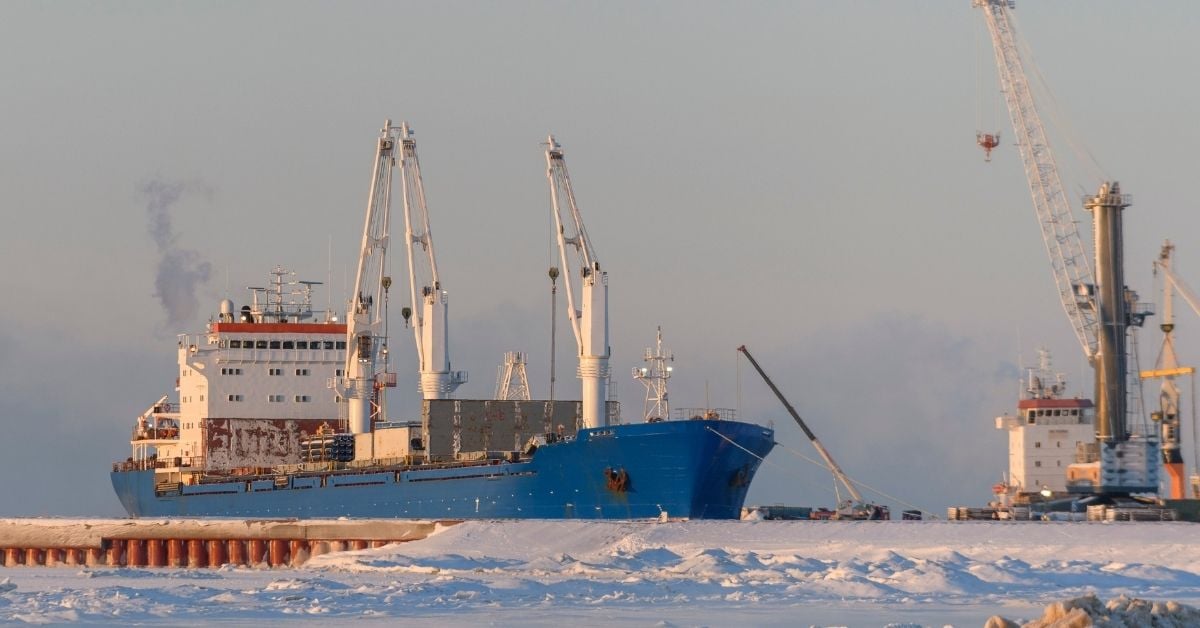
Canadian Grain Resumes European Shipping Via Churchill Port After Six-Year Hiatus
Thirty thousand tonnes of durum wheat now sit aboard a vessel bound for Europe, the first such departure from Churchill, Manitoba, in six years. This resumption of Canadian grain shipping through the Port of Churchill signals a practical return to a vital Arctic corridor. It is a measured step, but a telling one for northern logistics. For broader context on shifting Arctic trade routes, our coverage of the Vostok Project's Arctic oil exports offers a parallel view.

Yemen Conflict: Houthis Report Attack on Saudi Naval Vessel in Red Sea
The Houthis claim they struck a Saudi military landing ship and four escort vessels near the Red Sea port of Mocha, a direct escalation in a waterway already strained by regional tensions. The attack, if confirmed, underscores how fragile maritime security has become. We treat such reports with caution, but the pattern is clear: the Red Sea is now a flashpoint.

Fatal Strike on Wheat Carrier Highlights Black Sea Shipping Risks
The attack on the Guinea-Bissau-flagged bulker carrying Ukrainian wheat marks a fatal escalation, killing one crew member and underscoring the mounting dangers in Black Sea shipping lanes. This is not a distant geopolitical abstraction; it is a direct threat to maritime safety and global food security. The loss of life demands accountability, and the risks to commercial vessels are now impossible to ignore. For deeper context on Russia's broader maritime tactics, see our related piece on Russian drone operations in the Mediterranean.
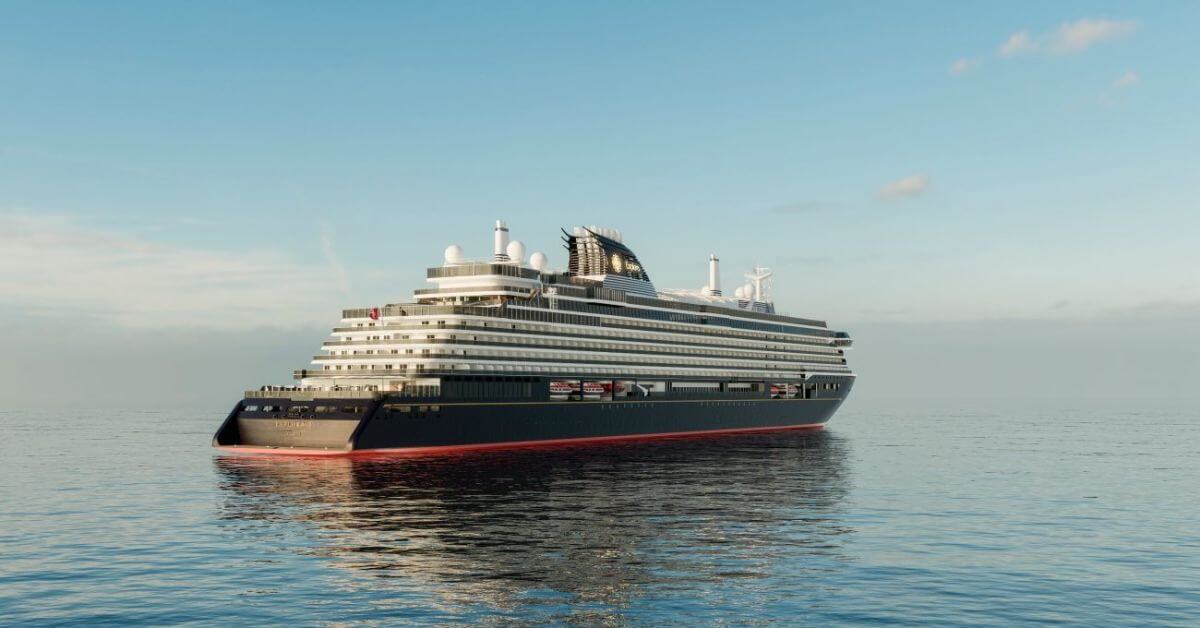
LNG-Powered Cruise Ship Joins Fleet, Advancing Sustainable Ocean Travel
On July 23, 2026, an LNG-powered cruise ship was delivered in Genoa, marking a measurable step forward for lower-emission ocean travel. After a Mediterranean prelude voyage, the vessel has now arrived in Barcelona, where its arrival signals practical progress rather than promise. This is the kind of integration we track closely: cleaner fuel, real operations, and a route that proves the model. For broader context on maritime security and fleet strategy, readers may also consider our coverage of Russian drone activity in the Mediterranean.

Black Sea Disruptions: Grain Exports at Risk, Global Food Prices Rise
Wheat prices are climbing again as attacks on Black Sea ports and vessels put grain exports at risk. The disruption is not abstract; it is measurable in global markets and in the cost of food. This is a reminder that maritime security and food security are the same issue, viewed from different angles. For context on how regional instability shapes shipping and trade, our related piece on Gulf of Oman STS transfers offers a useful parallel.

Attack on Unmanned Vessel Highlights Escalating Risks in Black Sea
The attack on an unmanned vessel in the Black Sea, which left the wheelhouse smoking, underscores a stark reality: no asset is off-limits in this escalating conflict. That the ship was empty and crewless only sharpens the question of what target comes next. This incident does not exist in isolation. Our related coverage, including "Strikes Target Ports and Vessels in Confirmed Military Action," shows a deliberate pattern of targeting maritime infrastructure.

Maritime Infrastructure Targeted: Russia Strikes Vessels in Southern Ukraine
On July 28, Russia's Defence Ministry confirmed strikes on two Ukrainian maritime vessels and port infrastructure in southern Ukraine, a move that tightens pressure on critical shipping routes. This is not abstract posturing; it is calibrated action with measurable consequences for regional trade and security. The pattern echoes broader maritime tensions, from the Northern Sea Route to drone threats in the Mediterranean. For those tracking these developments, our related coverage, including "Russia Calibrates Export Revenue for Northern Sea Route Icebreaker Fleet," offers useful context.

Nuclear Power Partnership Signals New Era for Port of Long Beach
The Port of Long Beach is moving beyond the diesel era, with a new agreement to test small modular reactor technology across cargo vessels and port infrastructure. It is a measured, credible step toward decarbonization, grounded in engineering reality rather than promise. This is the kind of integrated, forward-thinking partnership that aligns with the maritime sector's broader push for ocean intelligence. For more on how these efforts connect, see our coverage of the U.S. Coast Guard's recent interdictions.

Shipping Restricted at Novorossiysk Amid Increased Security Measures.
Novorossiysk, the conduit for up to one-third of Russia's grain exports, now faces shipping restrictions amid tightened security measures. The port's role is set to expand as it absorbs cargo diverted from the Sea of Azov, concentrating risk where logistics already run dense. This is a calibrated response to a volatile moment, not a panic. For context on how Moscow is reordering its maritime economics, our related piece on Russia's icebreaker export revenue offers a useful counterpoint.

Attacks Damage Vessels, Disrupt Trade in Ukraine’s Black Sea Ports
The attack in Odesa, which killed another civilian, shows how directly maritime conflict endangers lives and trade. Each strike against port infrastructure disrupts more than steel and cargo; it fractures the supply chains that sustain global markets. This violence demands measured attention, not alarm. Russia's broader maritime strategy, including its calibrated export revenue plans for the Northern Sea Route, reflects a calculated approach to economic pressure. For deeper context on that strategy, see our related piece on Russia calibrating export revenue.

Black Sea Conflict: Drone Strikes Impact Russian Maritime Logistics.
Twenty Russian vessels, including 17 oil tankers, were struck by Ukrainian drones in the Black Sea overnight, a significant blow to Moscow's maritime logistics. The attack, which also damaged two gas carriers and a tugboat, demonstrates how drone warfare is reshaping naval operations in the region. This is not just a tactical setback; it is a measurable disruption to Russia's export capacity.

Black Sea Grain Exports Diminished: Ukraine Defends Vital Shipping Lanes
Ukraine has lost roughly one-third of its grain export capacity through its key Black Sea ports, a direct consequence of repeated Russian missile and drone strikes. This is not a statistic to gloss over; it is a measurable blow to global food security. The country continues to defend these vital shipping lanes with resolve, understanding that every calibrated effort sustains more than its own economy.