2 Killed After Fire Breaks Out Aboard Oil Tanker Off South Korea
Our take
The recent tragedy involving the loss of two lives in a fire aboard an oil tanker off the coast of South Korea underscores the inherent risks associated with maritime transport and the ongoing need for enhanced safety protocols. Such incidents, while statistically infrequent given the sheer volume of global shipping, serve as stark reminders of the potential for catastrophic events within our integrated data ecosystem. The incident itself, occurring approximately 7.4 km north of Jawoldo, highlights the vulnerability of vessels operating in busy shipping lanes and the challenges of rapid response in remote marine environments. The escalating geopolitical tensions impacting maritime routes, as evidenced by the recent suspension of bookings at the Russian port of Novorossiysk by the world’s largest shipping firm [World’s Largest Shipping Firm Suspends Russian Port of Novorossiysk’s Bookings After Ship Attack], further complicates the operational landscape and introduces additional layers of risk. The convergence of these factors emphasizes the imperative for robust risk assessment and mitigation strategies.
The consequences of maritime incidents extend far beyond the immediate loss of life. Oil spills, resulting from fires or collisions, pose significant threats to marine ecosystems, coastal communities, and global economies. The recent incident, while thankfully contained, serves as a critical case study for evaluating emergency response procedures and the effectiveness of existing safety regulations. Furthermore, the ongoing concerns surrounding maritime security, as highlighted by the U.S. actions against suspected drug-smuggling vessels in the Caribbean [Video: US Kills 4 In Strike On Suspected Drug-Smuggling Boat In Caribbean, Death Toll Hits 227], demonstrate the increasingly complex interplay between commercial shipping, national security, and international law. The construction and launch of luxury cruise ships [Italian Shipyard Launches 86,000-Ton Luxury Cruise Ship Ahead Of 2027 Delivery], while representing economic activity and technological advancement, also necessitates a parallel commitment to rigorous safety standards and environmental protection across the entire maritime sector. A validated, longitudinal analysis of maritime incidents reveals recurring patterns related to equipment failure, human error, and inadequate training – areas where focused investment and continuous improvement are essential.
The need for real-time, integrated data is paramount in preventing and mitigating such disasters. Sophisticated sensor technology, coupled with advanced data analytics, can provide early warnings of potential hazards, enabling proactive measures to avoid accidents. Calibration of these systems, and the establishment of a peer-reviewed framework for data validation, is critical to ensuring accuracy and reliability. Furthermore, the development of a robust, integrated data ecosystem that facilitates seamless communication between vessels, port authorities, and emergency response teams is essential for coordinated action. The increasing reliance on autonomous systems and artificial intelligence in maritime operations presents both opportunities and challenges. While AI can enhance efficiency and improve decision-making, it is crucial to ensure that these technologies are implemented responsibly and ethically, with appropriate safeguards in place to prevent unintended consequences. Empirical evidence suggests that improved communication protocols and standardized reporting procedures can significantly reduce the risk of human error, a leading contributor to maritime accidents.
Looking ahead, the focus must shift from reactive responses to proactive prevention. Investment in advanced monitoring technologies, enhanced training programs for maritime personnel, and the development of more resilient vessel designs are all critical priorities. The industry needs to embrace a culture of continuous improvement, fostering a shared responsibility for ocean stewardship among all stakeholders. The ongoing refinement of climate indicators and their impact on maritime operations – considering factors like increased storm intensity and shifting trade routes – will also require careful consideration. Ultimately, the question remains: how can we leverage the power of ocean intelligence to create a safer, more sustainable, and more resilient maritime future, ensuring that tragedies like this one become increasingly rare?
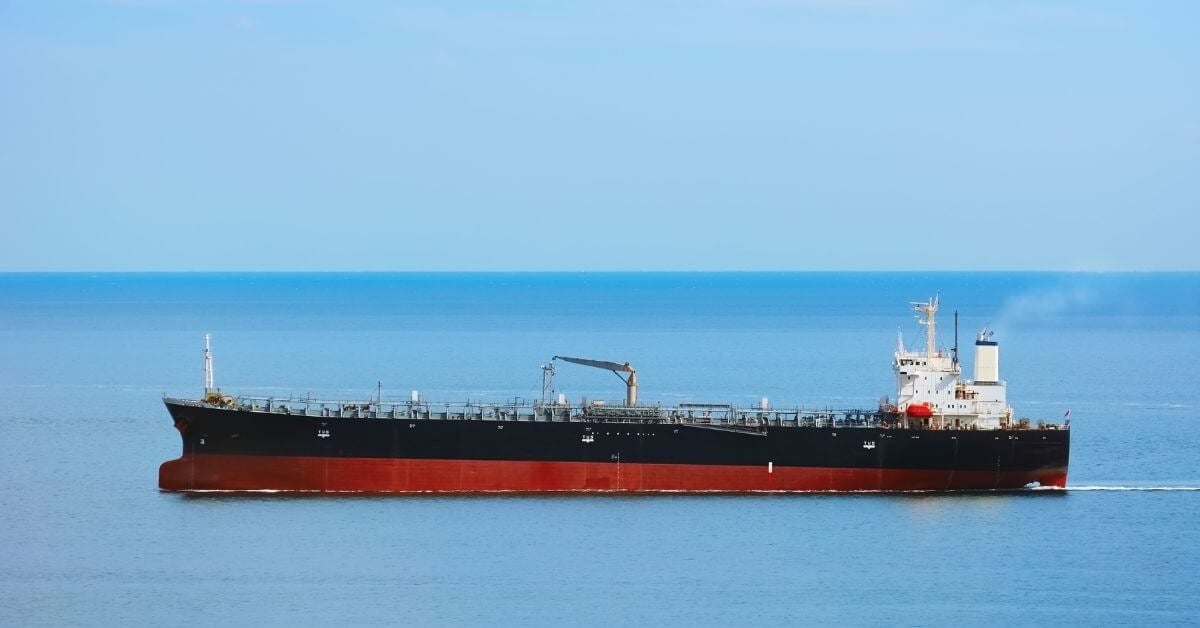
Two crew members died after a fire broke out on an oil products tanker off Incheon, South Korea, late Thursday.
The other 16 crew members were rescued and were in stable condition, the Coast Guard said.
The fire started at about 10:38 p.m. on Aug. 27 aboard the 7,000-ton-class Korean vessel, around 7.4 km north of Jawoldo in Ongjin County, Incheon, west of Seoul.
The two men who died were in their 60s and 20s. They were found in cardiac arrest in the engine room and taken to Jinduh Port on Yeongheungdo, but later died.
There were 18 crew members on board. Eleven were South Korean nationals, including the two who died, while seven were foreign nationals.
The fire is believed to have started in the engine room but did not spread to the vessel’s oil storage area.
The tanker was carrying 12,400 kilolitres of bunker C oil.
The vessel left Incheon Port at around 8:40 p.m. on Thursday and was heading to Ulsan Port when the fire started.
The shipping company reported the fire to the Vessel Traffic Service (VTS) Center.
The Coast Guard sent 24 patrol vessels, one aircraft and three vessels from other agencies to the scene.
The fire was fully extinguished at around 4 a.m. on Friday, about five hours and 22 minutes after it started.
The Ministry of Oceans and Fisheries temporarily issued a “caution” level maritime accident crisis alert.
The Coast Guard will investigate the cause of the fire and assess the damage to the vessel.
The shipping company will inspect the damaged tanker with the relevant agencies. If the vessel is found to be safe, it will be moved by tugboat.
References: yna, koreatimes
Read on the original site
Open the publisher's page for the full experience