thailand
World Data Ocean keeps thailand in one place: 10 stories so far. The section currently leads with “Carrier Bush Arrives in Thailand With 4,800 Personnel After Deployment”, “Identifying a Beachcomber's Find: Bone Fragments from Koh Lanta”, and “Abraham Lincoln Carrier Crew Recovers After Middle East Operations”. A US aircraft carrier has arrived off Phuket, Thailand, carrying 4,800 personnel after a deployment. A single bone fragment, held beside a lighter for scale, raises a question that turns a casual beachcombing walk into a quiet lesson in marine biology. A Global Hub for Ocean Intelligence 4 World Data Ocean is a centralized digital platform where researchers, scientists, and ocean enthusiasts converge to… The list below is every thailand story on World Data Ocean, newest first.
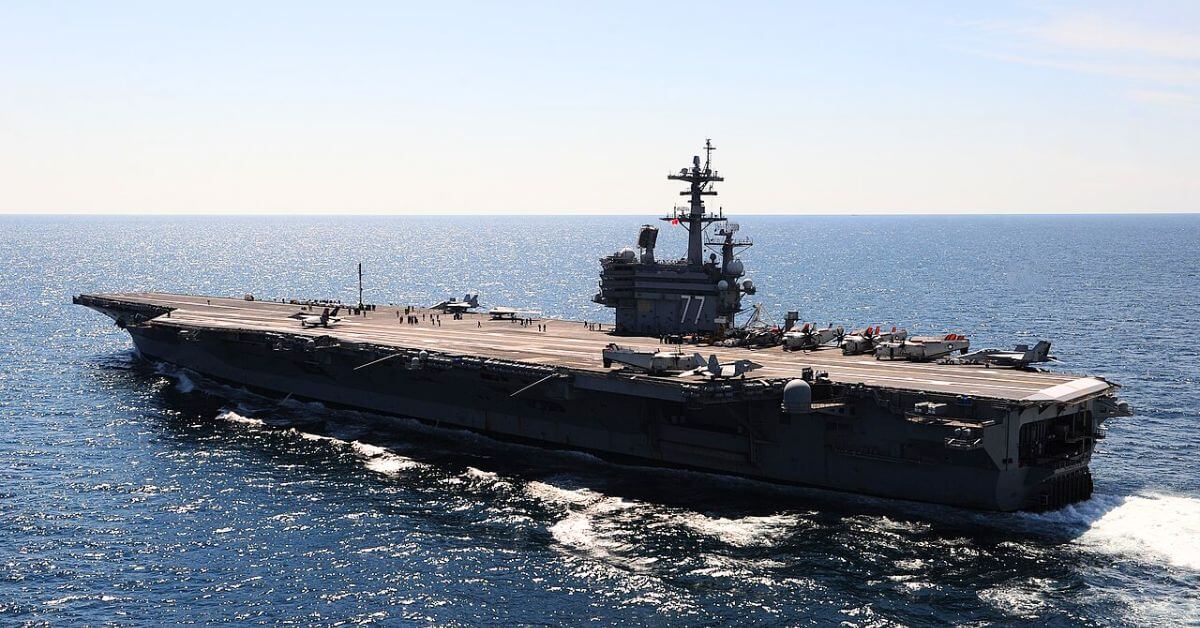
Carrier Bush Arrives in Thailand With 4,800 Personnel After Deployment
A US aircraft carrier has arrived off Phuket, Thailand, carrying 4,800 personnel after a deployment. The George H.W. Bush's presence underscores the calibrated nature of naval power projection in a region where energy security and measured deterrence remain pressing concerns. For deeper context on maritime strategy, see our coverage of "2 million barrels of crude move beyond the Strait of Hormuz in a calibrated shift." Understanding these movements is essential for grasping the integrated dynamics of ocean intelligence and global security.

Identifying a Beachcomber's Find: Bone Fragments from Koh Lanta
A single bone fragment, held beside a lighter for scale, raises a question that turns a casual beachcombing walk into a quiet lesson in marine biology. The size and density suggest a mammal, yet the porous texture leaves room for interpretation. It is a puzzle best approached with empirical patience, not guesswork. For those intrigued by such identification challenges, our piece on the *Unidentified Skeleton on Puerto Rico Coast* offers a related look at how context shapes these mysteries.
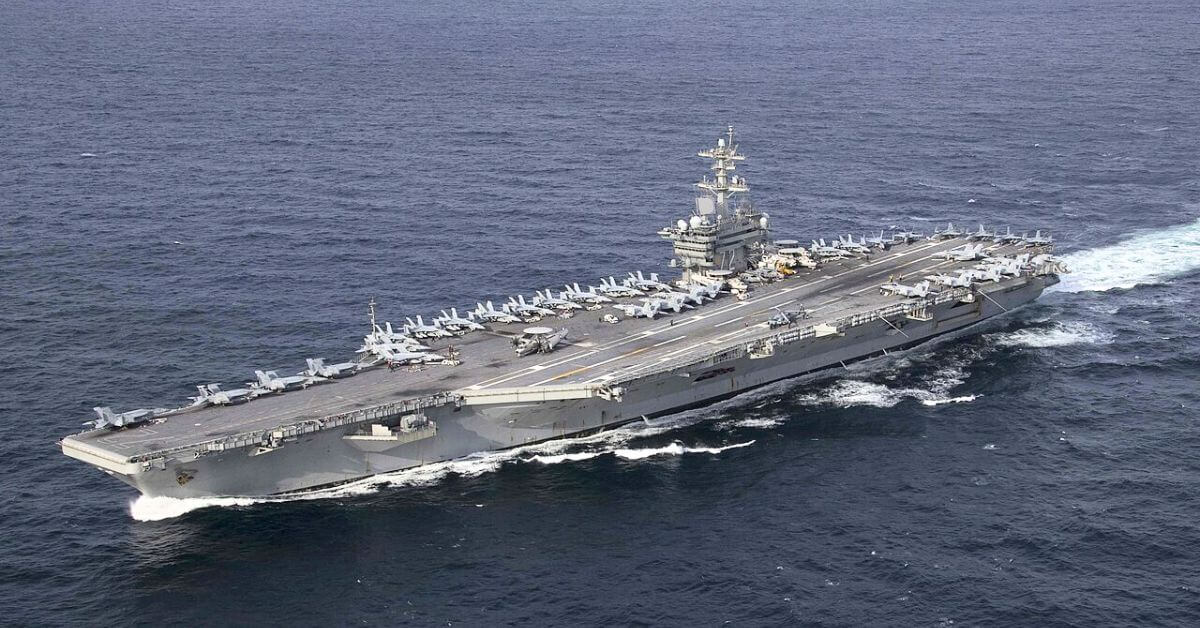
Abraham Lincoln Carrier Crew Recovers After Middle East Operations
The carrier crew's return marks the end of a demanding deployment, one that included extended operations in the Middle East. A short break now offers a measured pause before the rhythms of duty resume. Such respites matter; they restore focus and readiness. For context on the region's maritime pressures, our related piece on Gulf of Oman STS transfers highlights the logistical intensity that continues nearby. Operational tempo takes a toll, and acknowledging that is part of understanding naval power.
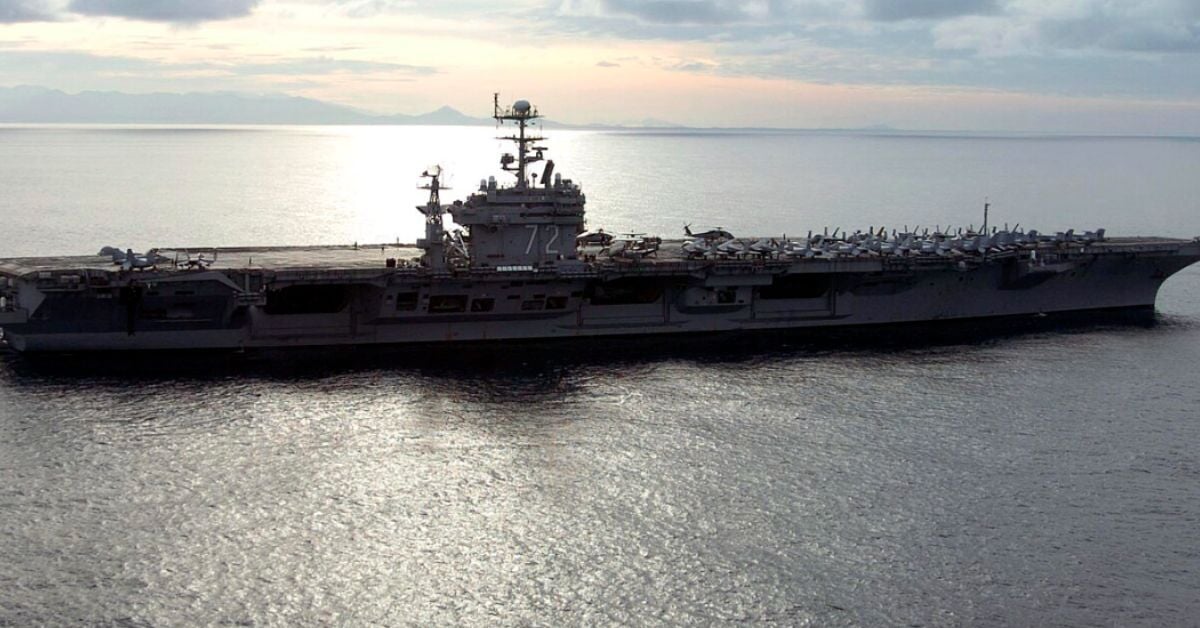
Naval Personnel Incident Under Review Following Overseas Altercation
Two sailors from the USS Abraham Lincoln are under review after an overseas altercation outside a bar, with a citizen calling police to resolve the incident. Discipline in such moments reflects directly on operational readiness, and the Navy's response will be closely watched. Incidents like this underscore why standards matter, especially as the service pushes forward on integration of new capabilities. For broader context on that push, see our coverage of the Navy's new center for autonomous systems integration.
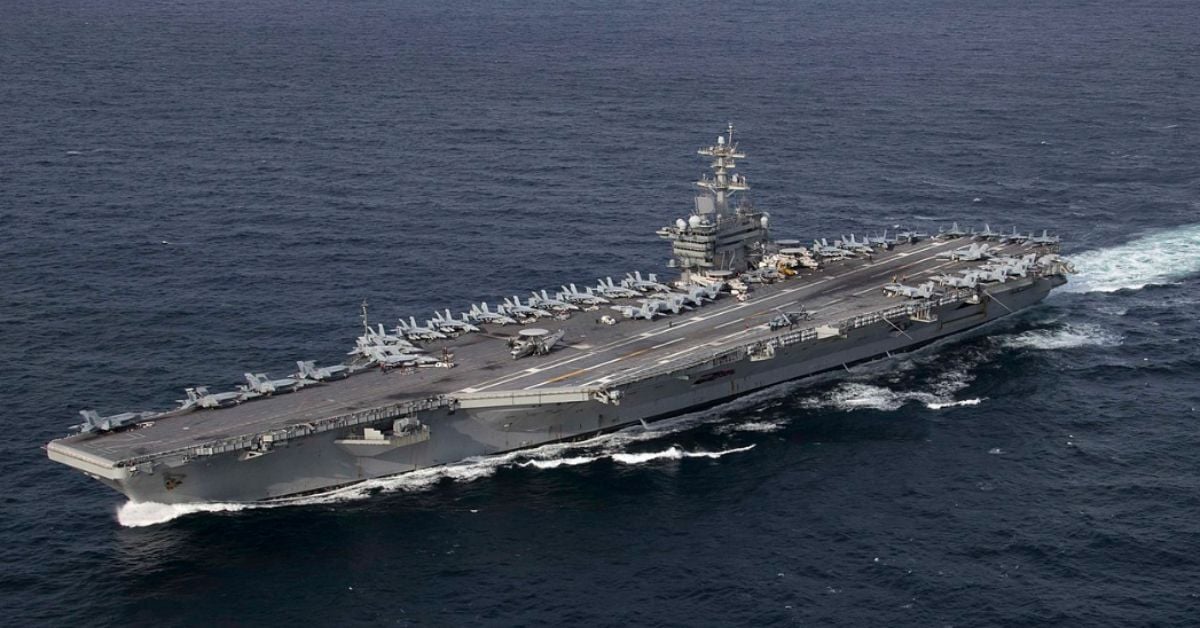
Abraham Lincoln Carrier Completes Middle East Deployment, Heads to Thailand.
The USS Abraham Lincoln will dock in Thailand after a lengthy Middle East deployment, a measured conclusion to months of forward presence. The carrier's transit home marks a routine yet significant operational milestone, reflecting sustained naval readiness across the region. While this return is standard, it underscores the quiet endurance required for global security. For broader context on maritime activity, our piece on Gulf of Oman STS transfers offers timely perspective.
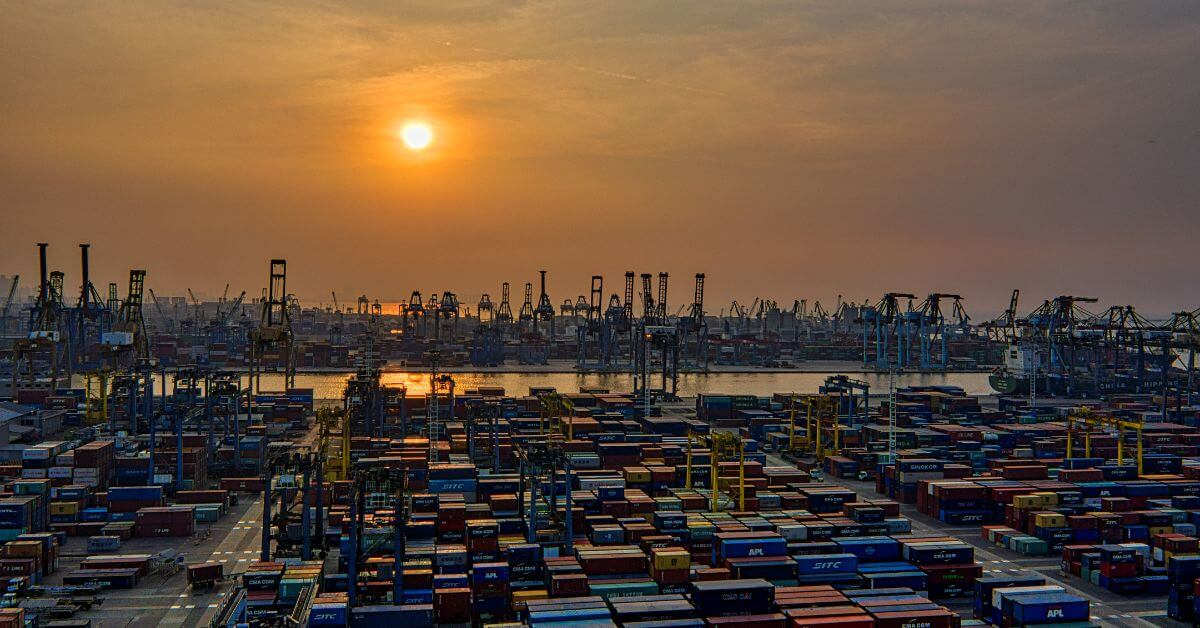
Heightened Threat: Iran’s IRGC Targets Key East Asian Shipping Routes.
Iran's Islamic Revolutionary Guard Corps has set its sights on some of Asia's busiest maritime arteries, including China's Ningbo-Zhoushan and Shanghai ports and Indonesia's Tanjung Priok. That is not posturing; it is a calibrated escalation with measurable consequences for global trade. The threat is specific, and it demands precise, empirical attention. Vessels and port operators should treat this as a real-time risk, not a hypothetical.
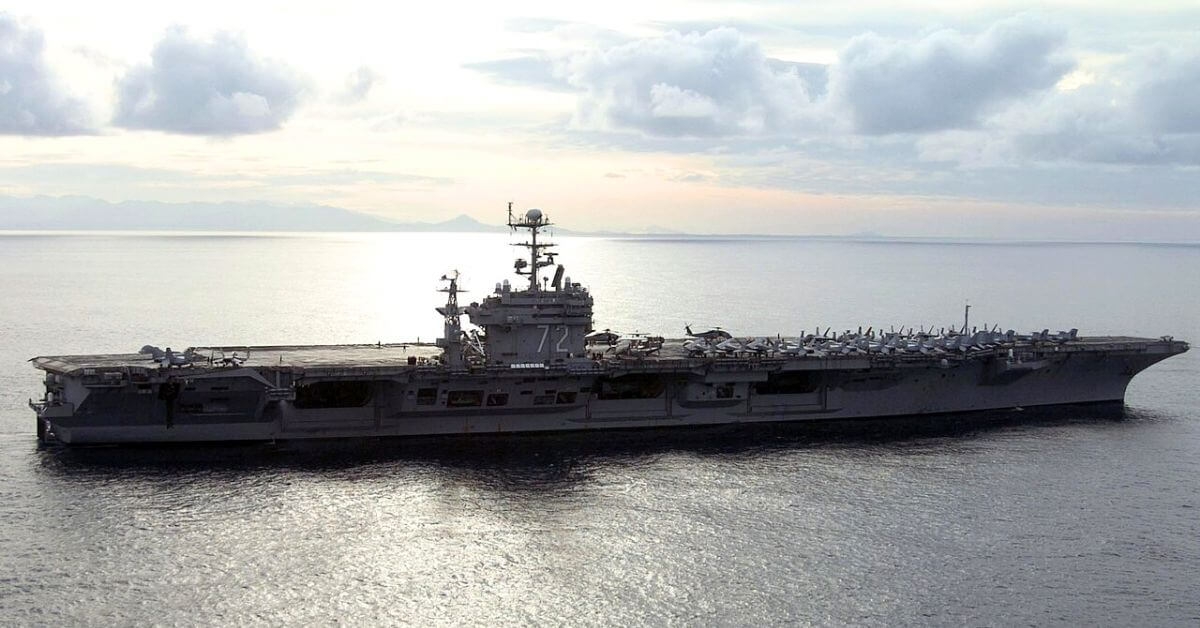
Longitudinal Deployment: Abraham Lincoln Carrier Completes 250+ Days at Sea
Two hundred fifty days. The Abraham Lincoln's extended deployment is a measured statement on readiness, not a boast. Spending nearly seven months in the U.S. Central Command area without a port call tests every system and every crew member. This endurance matters. It reflects a calculated projection of force where it is needed most, supporting stability in critical waters. As the Navy pushes for faster integration of unmanned systems, the Lincoln's tour proves the human and material backbone remains resilient.

Extended Deployment: Abraham Lincoln Carrier Highlights Naval Endurance at Sea
The Abraham Lincoln's extended deployment underscores the US Navy's capacity for endurance when strategic demands require it. While six to nine months is the standard, conflict-driven extensions are a calculated reality, not a failure of planning. This is maritime persistence measured in readiness, not rhetoric. For broader context on regional pressure points, our related piece on Gulf of Oman STS transfers outlines how operational tempo shifts elsewhere. The carrier's longevity at sea remains a practical demonstration of sustained naval power.

Shipping Risk: Hormuz Attack Triggers $10.98 Million Payout.
The Thai-flagged Mayuree Naree, IMO 9323649, was struck by two projectiles on March 11, shortly after crossing the Strait of Hormuz, triggering a $10.98 million payout. That figure is a stark reminder of how quickly maritime risk translates into real financial consequence. The attack underscores the vulnerability of vessels in this corridor, a reality our Gulf of Oman STS Transfers Max Out piece also touches on. For now, the payout is settled, but the broader question of navigational security remains open.

Thailand Assesses BrahMos for Enhanced Maritime Security and Ocean Defense.
Thailand is weighing the BrahMos supersonic cruise missile to sharpen its maritime security and ocean defense posture. Jointly developed by India's Defence Research and Development Organisation and Russia's NPO Mashinostroyeniya, the system offers validated, long-range precision that speaks directly to the demands of modern sea control. The move signals a practical, measured step toward regional capability-building. For broader context on regional maritime infrastructure and data resilience, our related piece on integrated subsea infrastructure enhancing Indian Ocean connectivity offers useful perspective.