sensors
8 stories filed under sensors on World Data Ocean. The newest of them: “A mothership for underwater drones signals a new era in ocean intelligence”, “Autonomous Drone Encounter Highlights Growing Maritime Technology in the Hormuz Strait”, and “Validated Counter-Drone System Enhances Naval Vessel Protection Through Empirical Testing”. A 5,000-ton mothership designed to deploy underwater drones is taking shape in Beijing, signaling a new era in ocean intelligence. The underwater drone detected near the Hormuz Strait is likely Anduril's Dive-D, a calibrated, autonomous system built for defense. A Global Hub for Ocean Intelligence 4 World Data Ocean is a centralized digital platform where researchers, scientists, and ocean enthusiasts converge to… The list below is every sensors story on World Data Ocean, newest first.
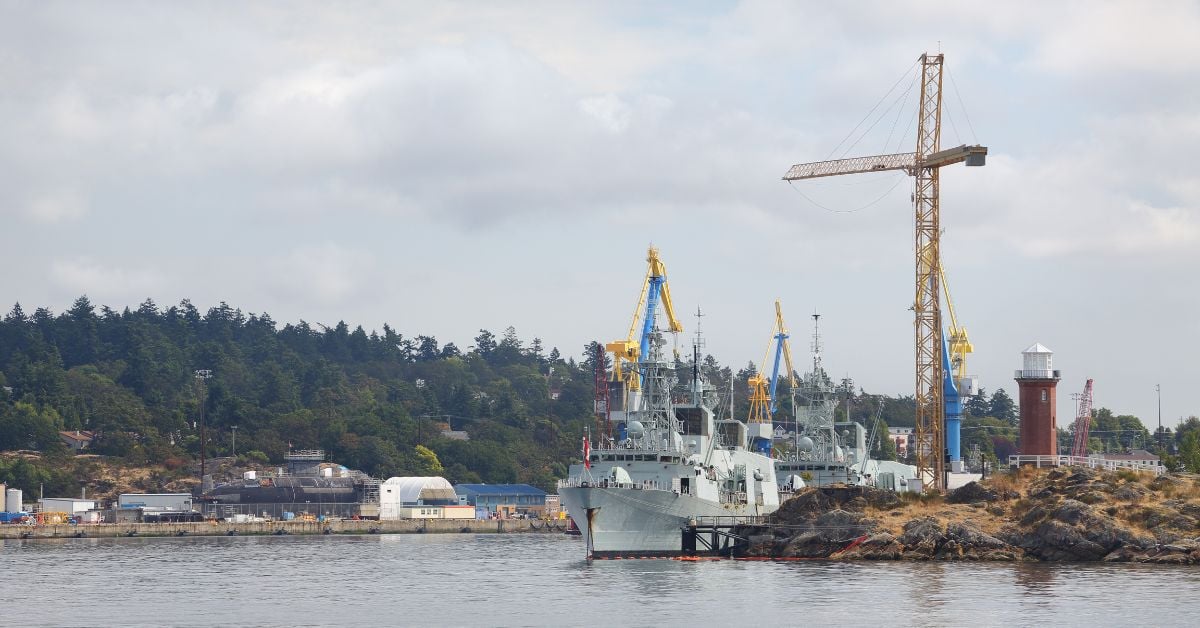
A mothership for underwater drones signals a new era in ocean intelligence
A 5,000-ton mothership designed to deploy underwater drones is taking shape in Beijing, signaling a new era in ocean intelligence. This vessel represents a calibrated leap in our capacity for real-time, integrated data collection from the sea. Understanding drives protection, and this platform promises to deliver the empirical, validated observations we urgently need. For deeper context on autonomous observation, see our coverage of the "4500-Meter Autonomous Robot Extends South China Sea Observation Reach."
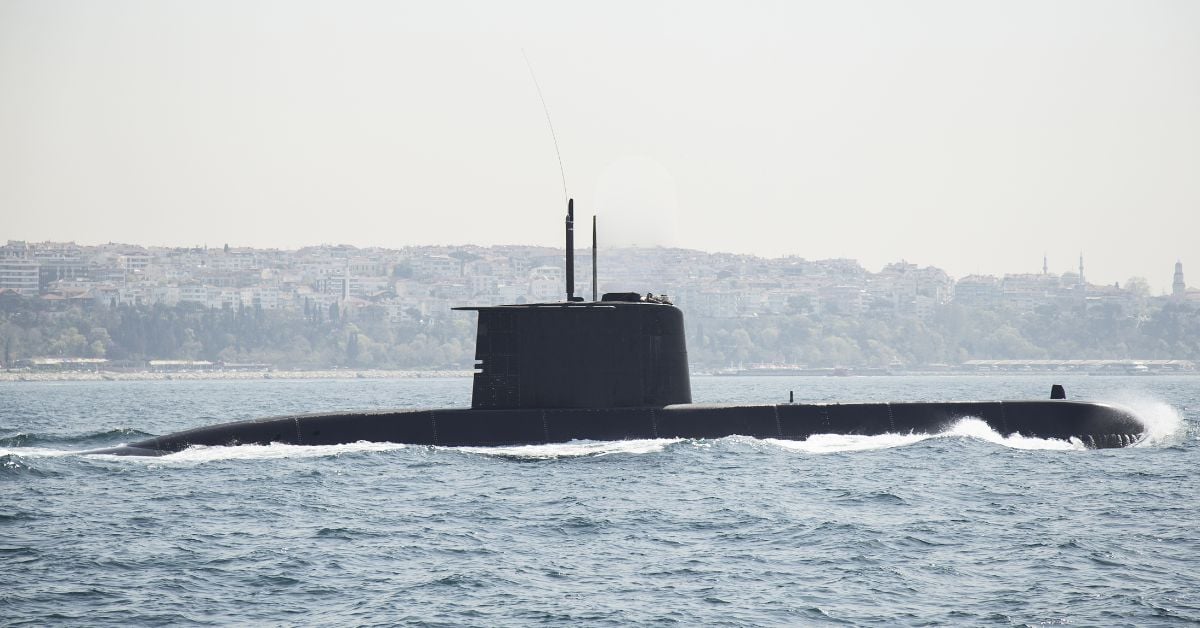
Autonomous Drone Encounter Highlights Growing Maritime Technology in the Hormuz Strait
The underwater drone detected near the Hormuz Strait is likely Anduril's Dive-D, a calibrated, autonomous system built for defense. This sighting underscores a measurable shift: maritime technology is no longer confined to surface vessels. Empirical observation of such platforms matters, because understanding drives protection. For deeper context on regional shipping pressures, see our coverage of "Gulf of Oman STS Transfers Max Out Amid Rising Saudi Oil Exports." The strait's future demands integrated, peer-reviewed intelligence, not alarm.
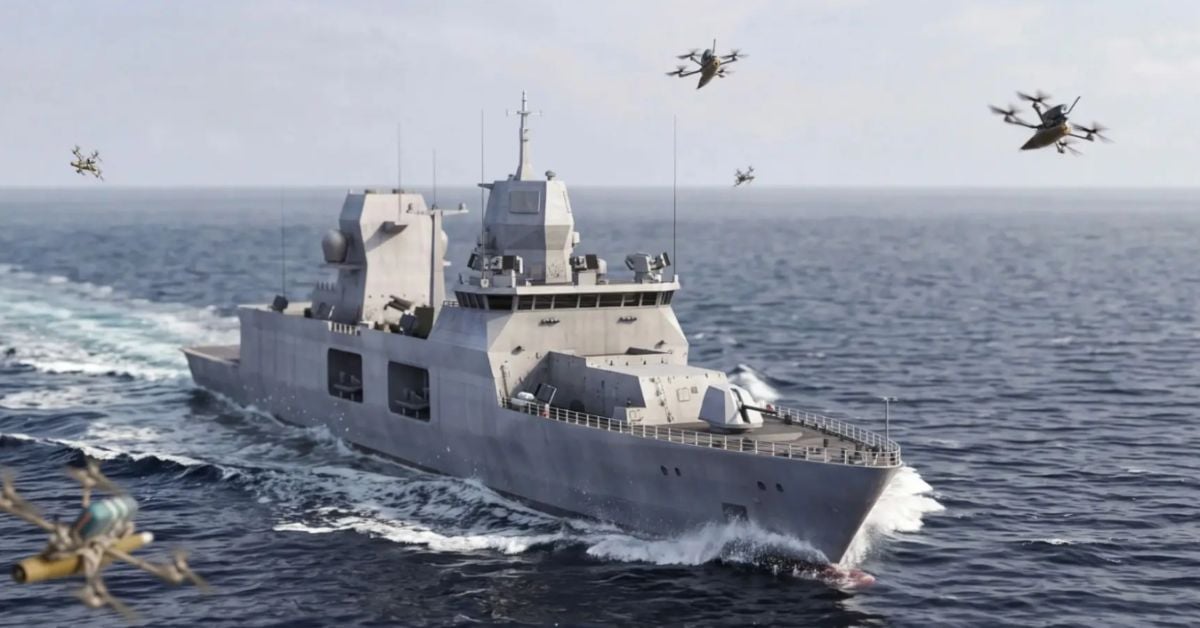
Validated Counter-Drone System Enhances Naval Vessel Protection Through Empirical Testing
Forty-eight trials in 18 months is a rigorous gauntlet, and the result is a counter-drone system that earns its place on a naval deck. Mehler Production has delivered empirical proof that protection can be calibrated to the real-world chaos of maritime threats. This is the kind of validated engineering that turns defensive capability into a measurable fact. For context on the evolving drone threat, our coverage of Russian Maritime Activity Raises Concerns of Drone Operations in Mediterranean offers a timely backdrop.

Advancing Maritime Object Detection with Integrated Data and Neural Networks
Detecting maritime vessels from aerial imagery remains a stubborn challenge, not for lack of capable neural networks, but because training data is scarce and uneven. Our team built a system that fuses multiple sensors with targeted data augmentation to test cross-sensor resilience. The result: a measurable 10% improvement in detection precision. This is empirical progress toward ocean intelligence that works across platforms. For a deeper look at how machine learning aids marine observation, see our related article on autonomous debris detection.
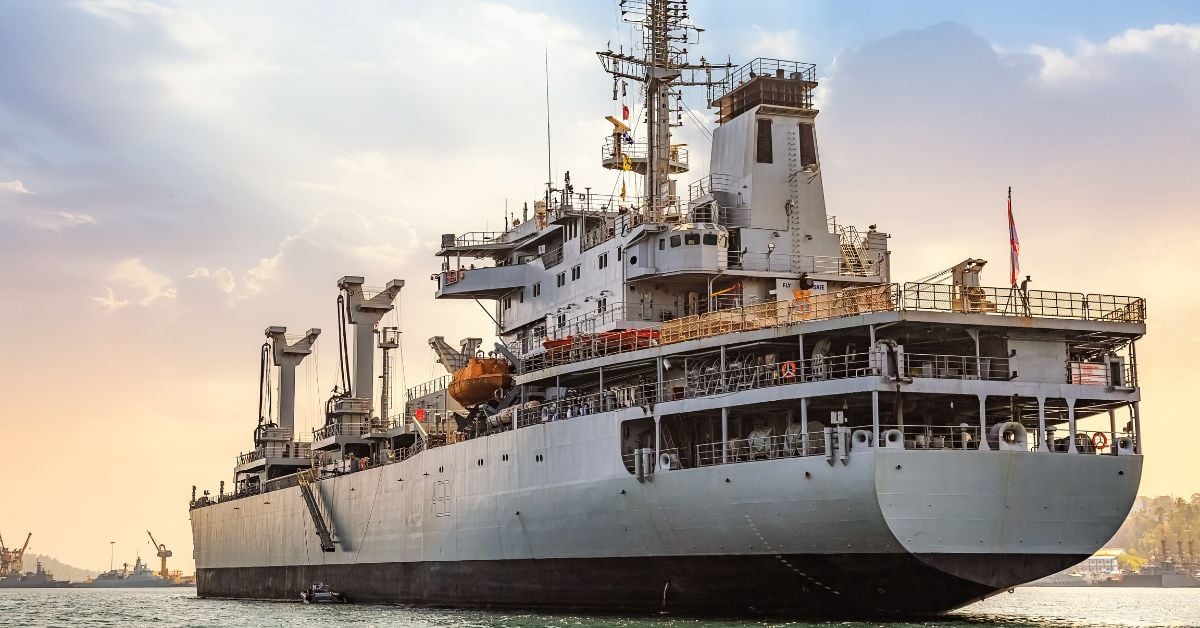
Integrated Propulsion: India and UK Collaborate on Naval Innovation
India and Britain are set to sign an agreement advancing full electric propulsion for the Indian Navy's large platforms. This collaboration signals a practical step toward modernizing naval power with cleaner, more efficient systems. The move aligns with India's broader maritime ambitions, including the expanded fleet targets recently outlined in our coverage of the Indian Navy's long-term plans. Pairing these developments underscores a steady, deliberate approach to ocean security.

Layered Innovation: 3D-Printed Drone Boat Advances Ocean Data Collection
The TF-179 Drone Boat represents a shift in how we build ocean observation tools. By using robot arms to deposit material layer by layer, this U.S.-built vessel moves beyond traditional moulds, offering a more integrated approach to data collection. The precision here matters; it is a practical step toward more responsive ocean intelligence. For those tracking security and infrastructure progress, our coverage of Alaska's Base Kodiak pier project shows how we are expanding our reach in the Arctic.

Ocean Sensors on Sharks Offer New Insights for Hurricane Forecasting
Sharks fitted with ocean sensors are delivering real-time data from beneath the surface, offering a new lens for hurricane forecasting. This is ocean intelligence at its most empirical: calibrated observations from a creature that navigates the depths we've barely measured. The potential to refine storm intensity predictions is measurable and immediate. For readers tracking how integrated data ecosystems evolve, our related piece on citizen science for ocean intelligence complements this story well. Understanding drives protection, and here, it also drives preparedness.

Autonomous Vehicle Launches Payload Underwater, Marking a Technological Advance.
A submerged payload launch is a hard problem, and Raytheon and Composite Energy Technologies just demonstrated it with the HADALUS unmanned undersea vehicle. The test proves that autonomous platforms can handle complex, high-stakes operations below the surface without direct human control. That is a meaningful step for undersea warfare, where reliability is everything. For readers tracking broader progress, our coverage of the Navy's new integration center for autonomous systems offers useful context on where this technology is headed.