San Diego
11 stories filed under San Diego on World Data Ocean. The newest of them: “40 days of measured combat earns carrier strike group top military honour”, “Navy Implements Electrical Safety Measures, Bans Portable ACs at San Diego Barracks”, and “Navy Personnel Face Justice for Fentanyl Distribution Aboard Aircraft Carrier”. Forty days of measured combat. Safety protocols at San Diego's Building 635 now require sailors to unplug portable air conditioners, following a memo issued Aug. A Global Hub for Ocean Intelligence 4 World Data Ocean is a centralized digital platform where researchers, scientists, and ocean enthusiasts converge to… The list below is every San Diego story on World Data Ocean, newest first.
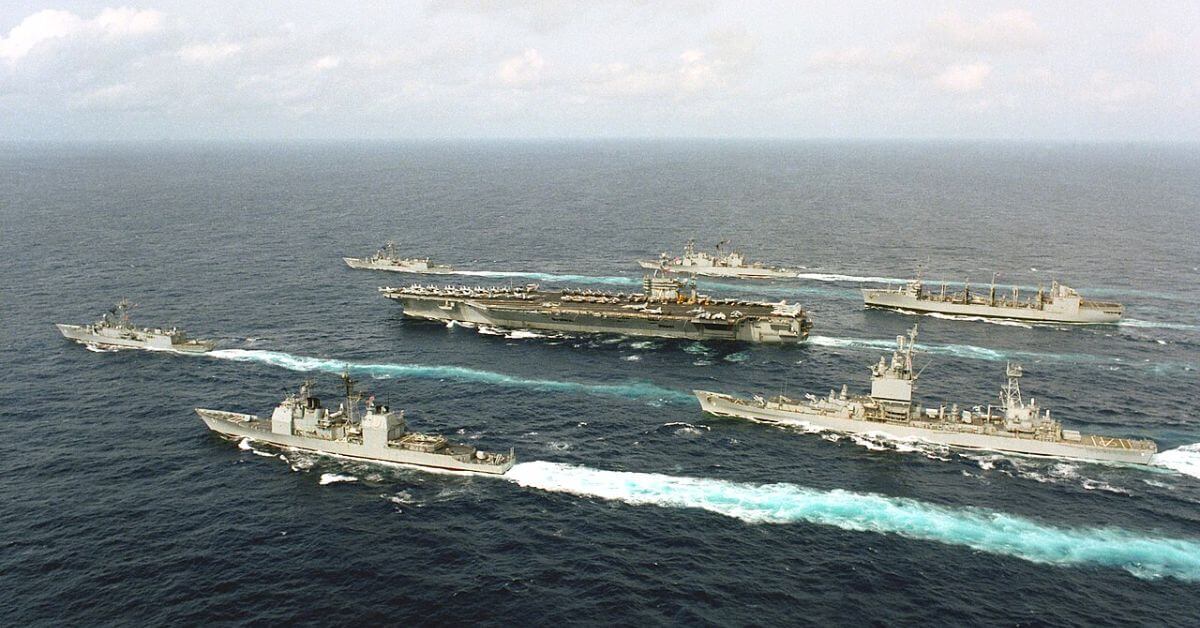
40 days of measured combat earns carrier strike group top military honour
Forty days of measured combat. That is what earned the carrier strike group its top military honour, announced Wednesday by US Defence Secretary Pete Hegseth. The award, delivered a day before the planned return, validates the kind of sustained, calibrated force projection that defines modern naval readiness. For deeper context on extended deployments, see our coverage of the USS Abraham Lincoln's 322-day journey home.
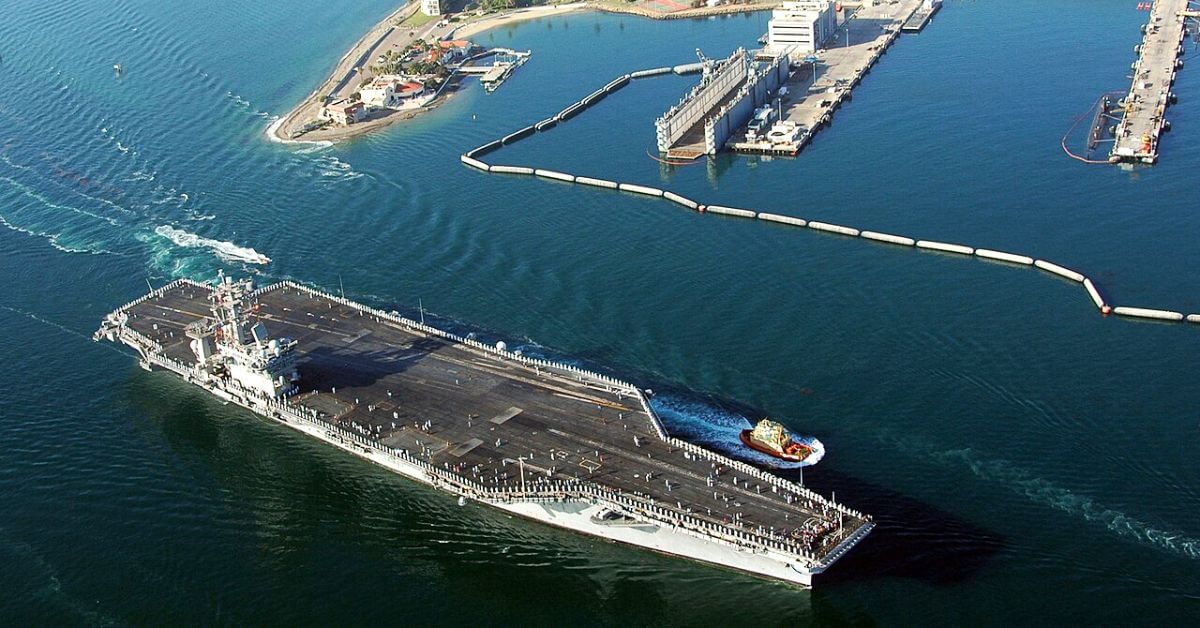
Navy Implements Electrical Safety Measures, Bans Portable ACs at San Diego Barracks
Safety protocols at San Diego's Building 635 now require sailors to unplug portable air conditioners, following a memo issued Aug. 31 with a one-week removal deadline. The measure prioritizes electrical integrity over comfort, a practical trade-off in aging barracks infrastructure. While the summer heat makes the timing uncomfortable, operational readiness depends on mitigating fire and power risks before they escalate. For context on how the Navy approaches long-term capability challenges, our coverage of India's expanded fleet projections offers a broader look at maritime strategic planning.
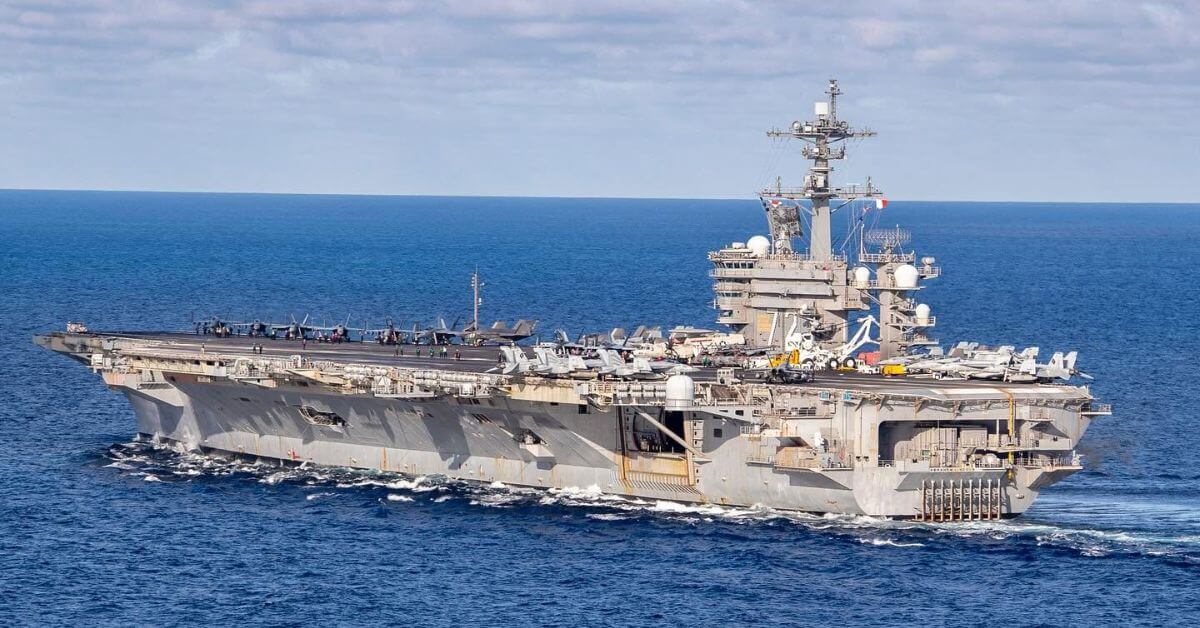
Navy Personnel Face Justice for Fentanyl Distribution Aboard Aircraft Carrier
Two former U.S. Navy sailors have pleaded guilty in federal court to selling counterfeit oxycodone pills laced with fentanyl to fellow crew members aboard an aircraft carrier. This is a sobering breach of trust, one that compromises both legal integrity and the operational readiness our forces depend on. Accountability here is not optional; it is essential.
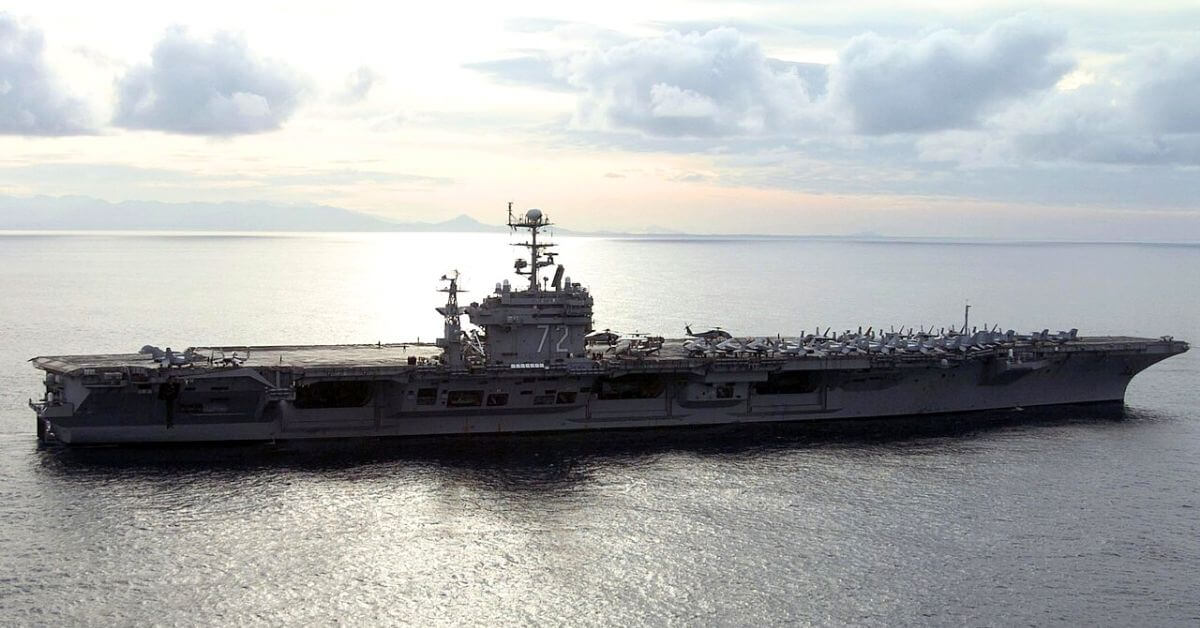
Longitudinal Deployment: Abraham Lincoln Carrier Completes 250+ Days at Sea
Two hundred fifty days. The Abraham Lincoln's extended deployment is a measured statement on readiness, not a boast. Spending nearly seven months in the U.S. Central Command area without a port call tests every system and every crew member. This endurance matters. It reflects a calculated projection of force where it is needed most, supporting stability in critical waters. As the Navy pushes for faster integration of unmanned systems, the Lincoln's tour proves the human and material backbone remains resilient.
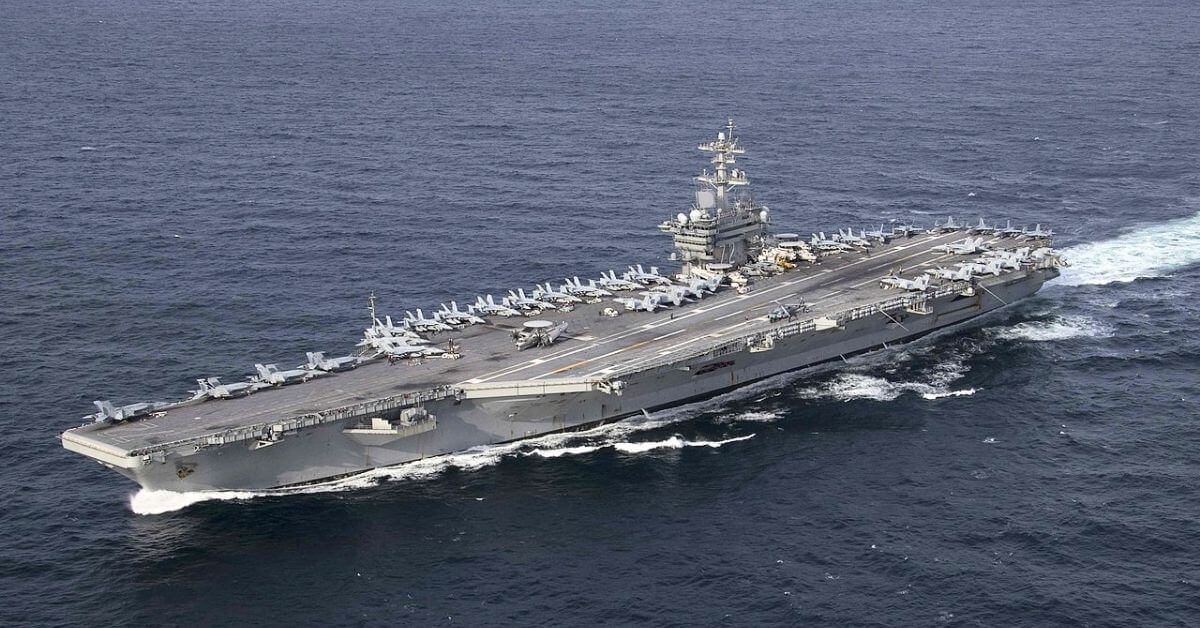
Sailor Rescued from USS Abraham Lincoln Following Mental Health Incident
A sailor who went overboard from the USS Abraham Lincoln during what his family described as a mental health crisis has been rescued and taken for medical treatment. The incident underscores a reality often overshadowed by hardware discussions: human factors remain the most critical variable in naval operations. Even as the Navy accelerates autonomous systems integration for enhanced maritime operations, this rescue is a reminder that safeguarding personnel is the foundation of every mission.
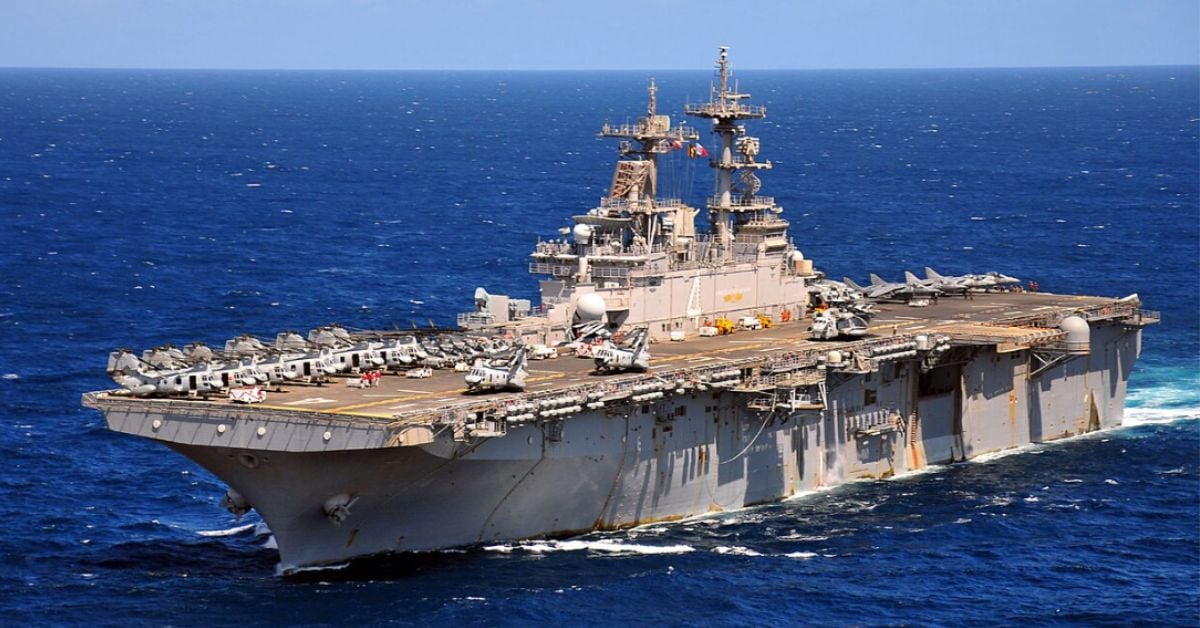
Boxer's Extended Overhaul: Maintaining Naval Readiness Through Integrated Data.
USS Boxer will spend the next several years in a San Diego shipyard, with BAE Systems handling an extended overhaul that runs through October 2028. The work is about more than hull maintenance; it is the deliberate integration of data systems into a warship built for adaptability. Naval readiness now depends on how well platforms share and process information. As autonomous systems reshape operations, as the Navy's new integration center signals, this overhaul positions Boxer for what comes next.

Naval Shift: George Washington Arrives as Lincoln Deployment Concludes
The turnover of crews is a constant in naval operations, but the conclusion of the *Lincoln*'s deployment carries a weight that extends beyond routine rotation. It lands as families raise valid questions about life aboard, and those concerns merit more than standard assurances. The arrival of the *George Washington* provides operational continuity, yet it also signals a moment to listen. For deeper context on how the Navy is modernizing its approach, our piece on autonomous systems integration offers a relevant perspective.

Navy Addresses Concerns Over Hygiene Product Availability on USS Boxer
The Navy has denied claims that women aboard the USS Boxer were "begging" for pads and tampons, following a family member's account that sparked public concern. If true, the shortage would undermine readiness, but the service's swift denial suggests a need for clearer verification before narratives harden. Operational credibility depends on basics like hygiene supplies, not just high-tech systems. For broader context on how the service is modernizing logistics and autonomous capabilities, our piece on the Navy's new integration center offers useful depth.

Extended Deployment Highlights Demands on Naval Resources and Crew Welfare
The USS Abraham Lincoln's 250-plus days at sea mark a significant operational stretch, and the confirmation of its replacement underscores the mounting strain on naval resources. This is not merely a scheduling matter; it is a calibration of endurance against welfare. The carrier's extended deployment highlights a tangible tension between mission demands and crew sustainability. As the Navy accelerates autonomous systems integration for enhanced maritime operations, this moment raises a pressing question: can innovation keep pace with the human cost of prolonged presence?

Extended Deployment Strains Navy Families; Return Date Urged.
Two hundred fifty days at sea, and still no return date. The families of the crew and Marines aboard the USS Abraham Lincoln are pressing senior officials for clarity as the carrier's Middle East deployment stretches past its expected limits. That is a long time to hold position, and the human cost of such extended operations deserves more than vague timelines.

Strengthening U.S. Shipbuilding: Training the Next Generation of Maritime Workers
Skilled labor is the backbone of any shipbuilding industry, and this partnership targets that need directly. By expanding the pipeline of qualified maritime workers, it strengthens both the workforce and the domestic supply chains that depend on it. It is a practical, measured response to a persistent challenge. For readers tracking the sector's broader risks, our coverage of the *Fatal Attack on Cargo Ship* offers a stark reminder of why a resilient maritime workforce matters.