safety
safety at World Data Ocean is a file of 13 stories. The newest of them: “Fincantieri commits nearly €100 million to robotic shipyard intelligence”, “Explosions Reported Near Tanker Transiting Regional Waters, Crew Unharmed”, and “China Submerges AI Data Center in Ocean Floor Deployment”. Nearly €100 million is a serious bet on a single question: can a shipyard think for itself? A crew witnessed explosions while their tanker transited regional waters today. A Global Hub for Ocean Intelligence 4 World Data Ocean is a centralized digital platform where researchers, scientists, and ocean enthusiasts converge to… The list below is every safety story on World Data Ocean, newest first.
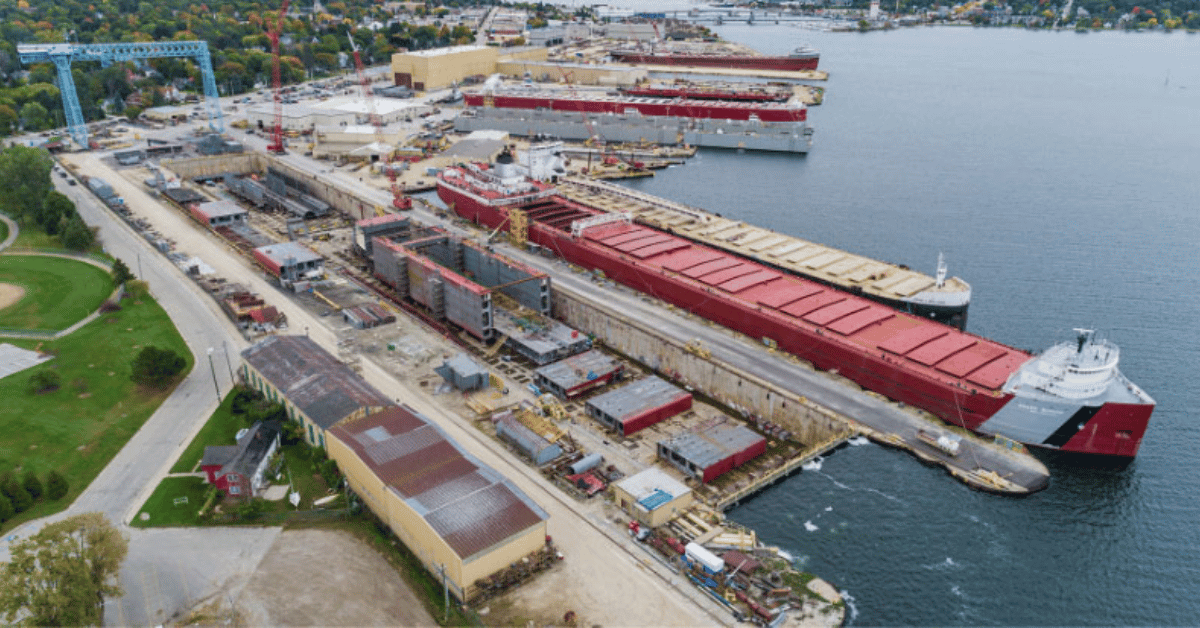
Fincantieri commits nearly €100 million to robotic shipyard intelligence
Nearly €100 million is a serious bet on a single question: can a shipyard think for itself? Fincantieri's BOOST² program plans to integrate AI, robotics, and automation across its facilities to sharpen productivity and safety. This is measurable industrial evolution, not speculative hype. The investment treats shipbuilding as an integrated data ecosystem where real-time intelligence drives every weld and hoist. For context on how digitalisation is reshaping maritime safety, read our coverage of the AI and digitalisation pact between China Merchants Energy Shipping and RINA.
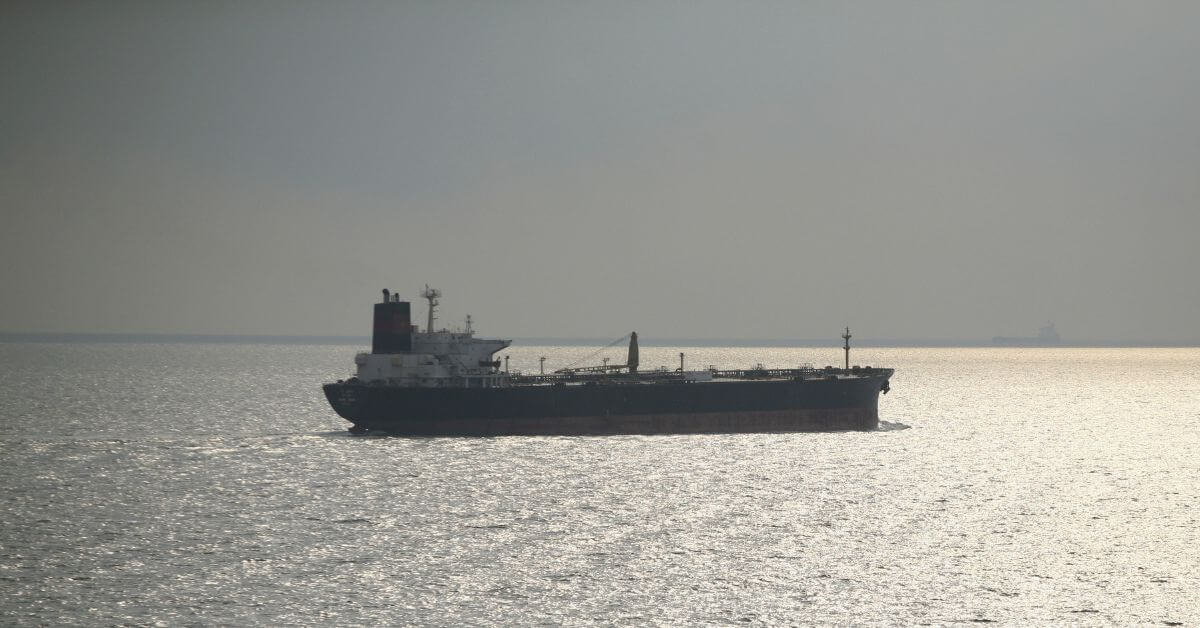
Explosions Reported Near Tanker Transiting Regional Waters, Crew Unharmed
A crew witnessed explosions while their tanker transited regional waters today. The company security officer reported the incident; all personnel remain unharmed. Maritime safety demands vigilance, and this event underscores the need for reliable reporting networks. No injuries, but the pattern is concerning. For deeper context on how geopolitical shocks are reshaping shipping routes, see our related analysis, "Geopolitical shocks reshape shipping routes with measurable regional divergence."
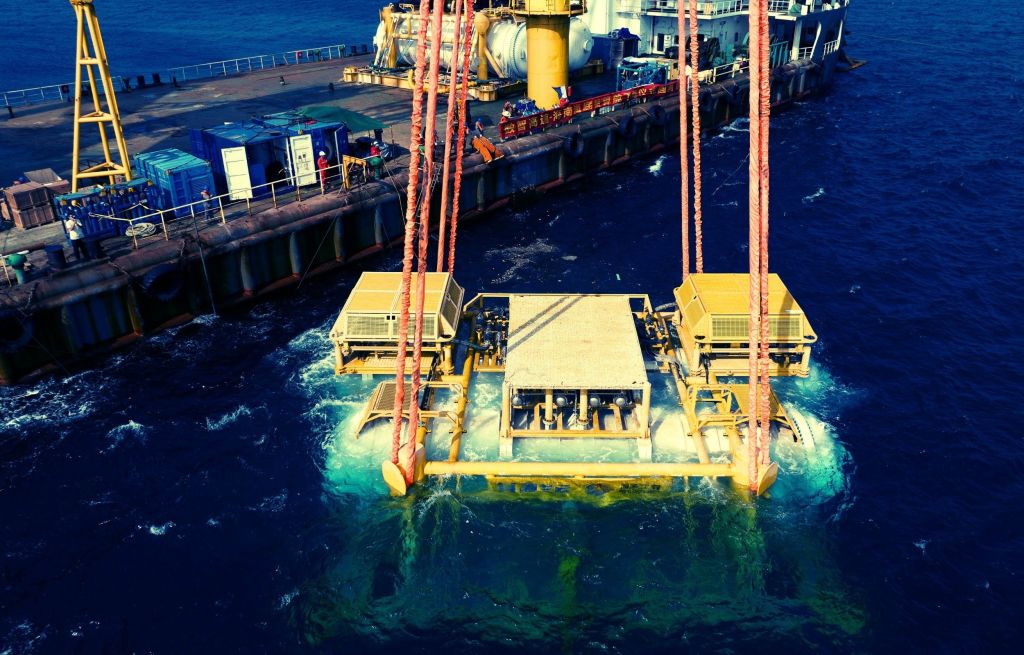
China Submerges AI Data Center in Ocean Floor Deployment
China submerges an AI data center on the ocean floor, a move that prioritizes speed and cooling efficiency over the land-based debates stalling U.S. projects. This deployment demands rigorous validation. How safe is a submerged digital infrastructure against pressure, corrosion, and real-time operational risks? The answer matters for the entire integrated data ecosystem. For deeper context on ocean system shifts, our coverage of a century of ocean intelligence revealing a measurable current slowdown provides essential reading.
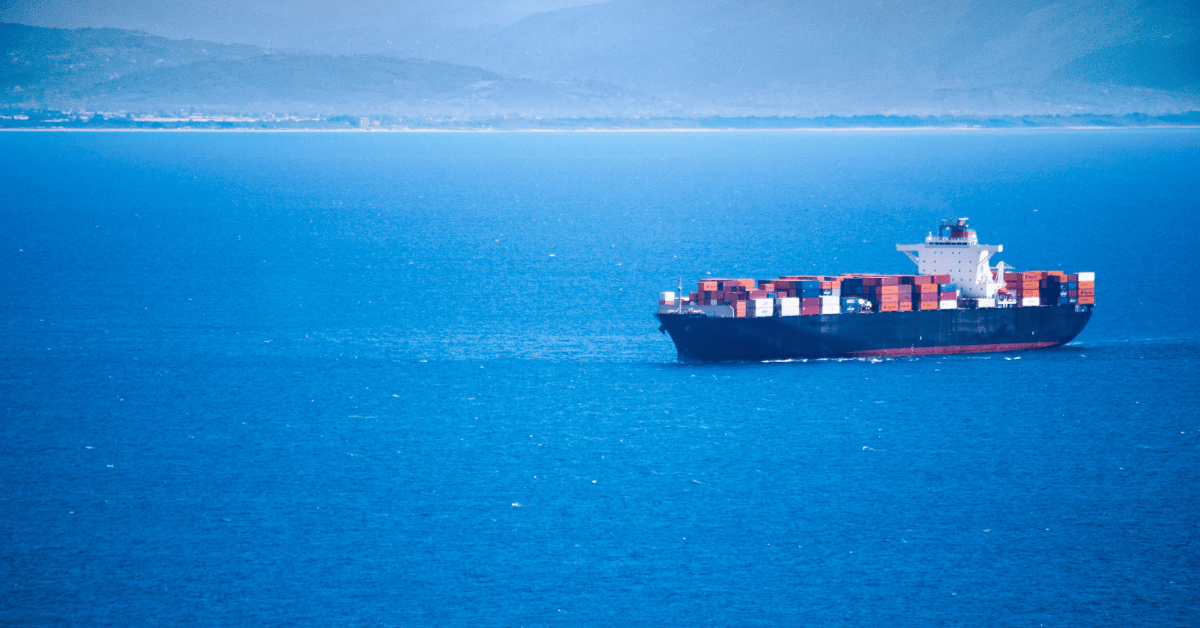
Three classification societies set a new standard for maritime integrity
Three classification societies have joined the Maritime Anti-Corruption Network, setting a new standard for maritime integrity. ABS, DNV, and RINA are now MACN's first classification society members, strengthening collective action against corruption risks. This is a calibrated step toward measurable industry accountability. Integrity requires more than policy, it demands empirical, peer-reviewed collaboration across the maritime ecosystem. For deeper context on how classification societies are advancing maritime safety and sustainability, see our coverage of the *Singapore Hub Advances Digital Twins and AI for Ocean Decarbonisation*.
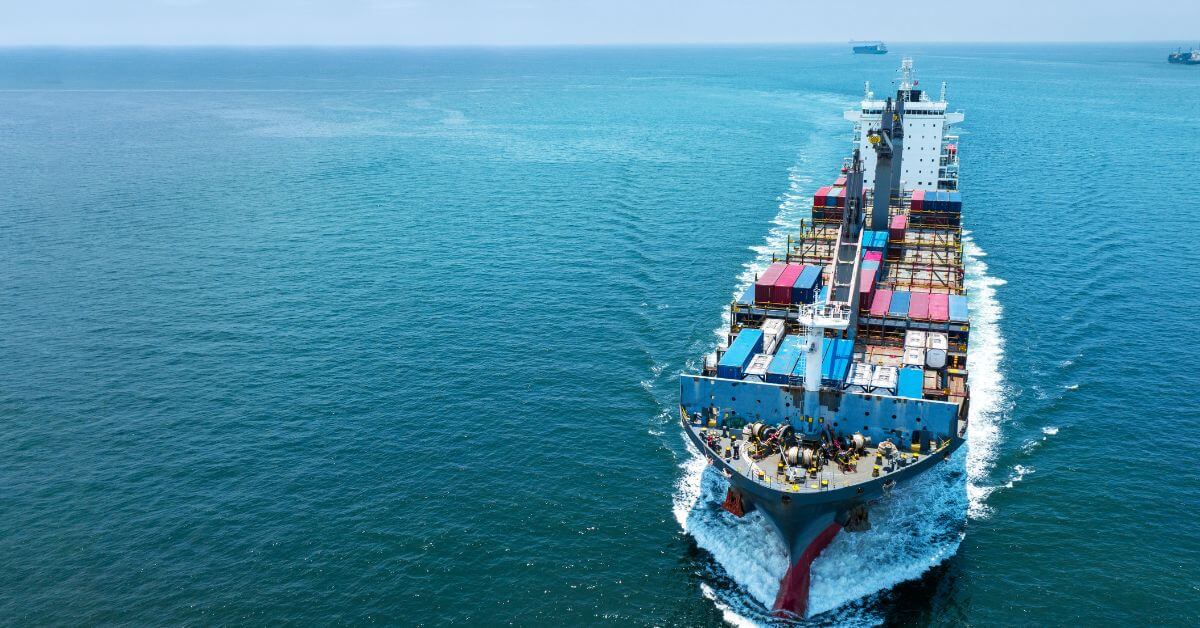
New Coalition Charts Measurable Course for Safer Global Shipping
At the UN headquarters in New York, a new coalition of nations, the Group of Friends on Safety and Security of Shipping and Seafarers, has launched. This is not abstract diplomacy. It is a coordinated, measurable effort to protect the people and routes that move 90% of global trade. We track climate indicators rigorously; we should apply the same empirical standard to maritime safety. For deeper context on how ocean transit intersects with emissions, see our related piece on measured food transport data.
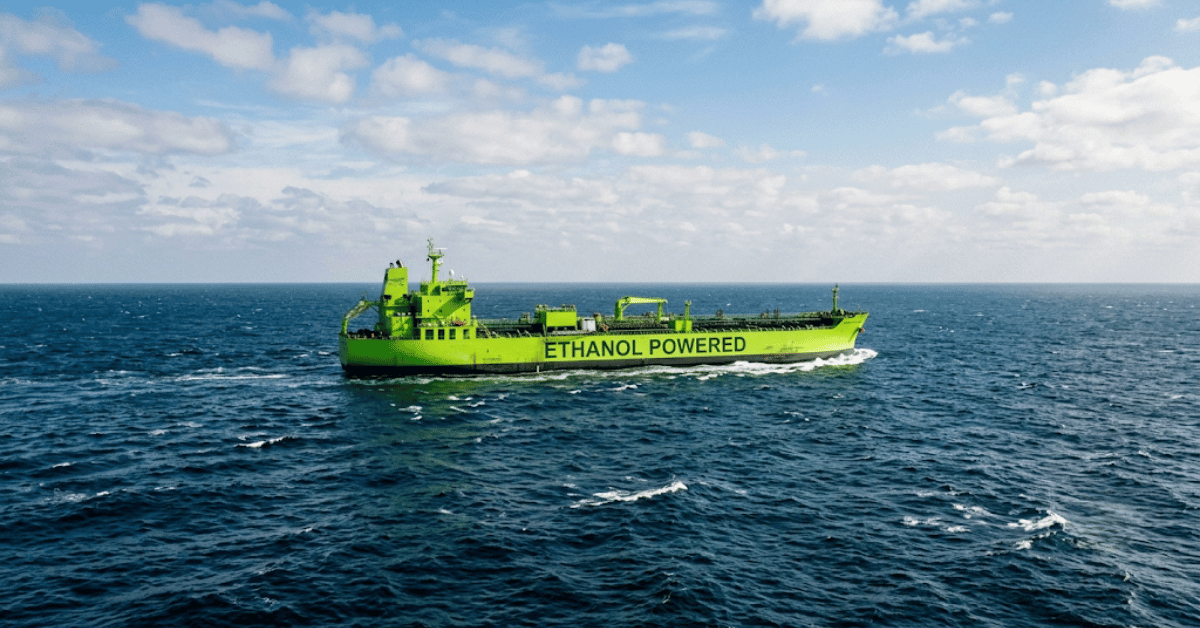
Advancing Sustainable Shipping: Ethanol-Fuelled Tanker Project Gains Momentum
A 50,000 dwt ethanol-fuelled MR tanker is moving from concept toward classification, with K Shipbuilding and Lloyd's Register now assessing feasibility ahead of an AiP. That is measured progress in a sector where fuel choice remains unsettled. Decarbonisation is not a single solution, and ethanol deserves scrutiny alongside LNG and ammonia. For context on alternative vessel design, our analysis of optimal LNG carrier capacity offers a useful comparison. We will follow this project's pathway to approval with interest.
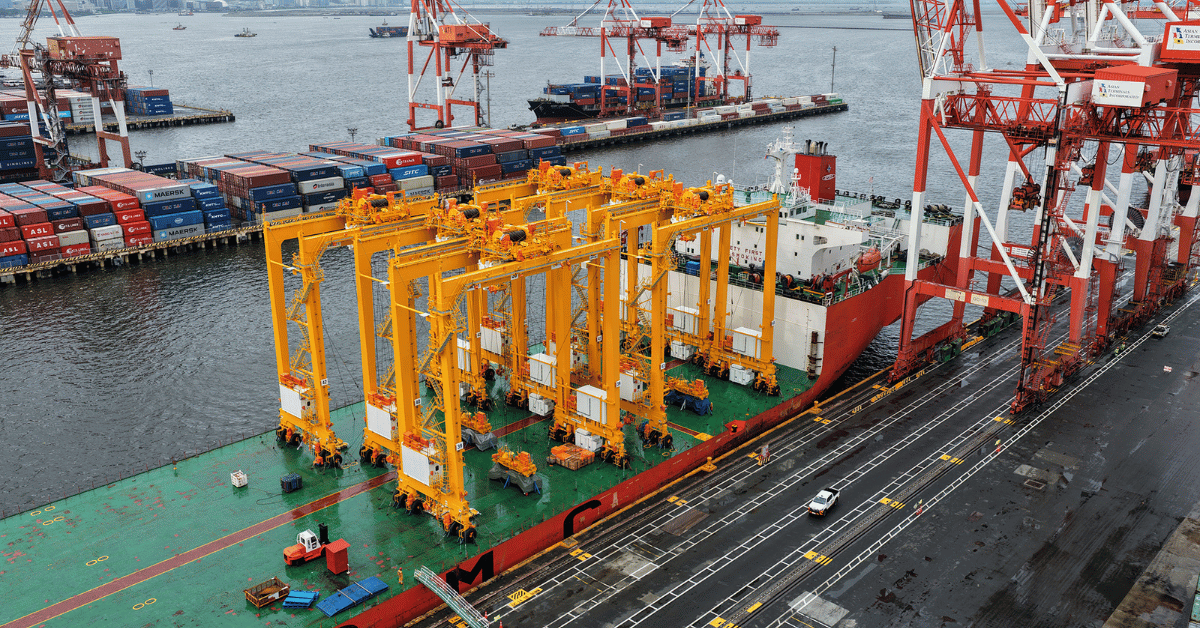
Boosting Manila's Port Capacity with Hybrid, Low-Emission Cranes
Manila South Harbour's new hybrid RTG cranes represent a calibrated step toward measurable decarbonisation in port operations. DP World and Asian Terminals have commissioned six low-emission units that boost capacity and safety without sacrificing operational integrity. This is empirical progress, integrated infrastructure that reduces emissions while strengthening throughput. For broader context on global port modernisation, our coverage of Paradip Port's designation as a Mega Port offers a parallel example of strategic maritime growth. Understanding drives protection, and these cranes deliver both.
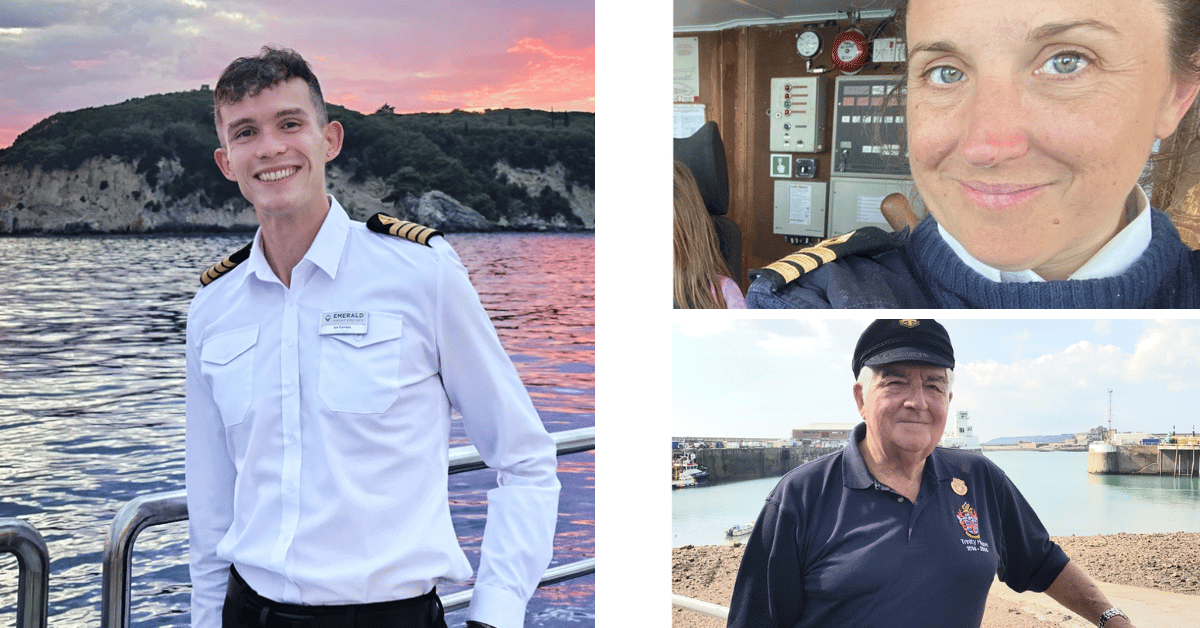
Maritime Professionals Honored for Service to UK Shipping Industry
Eleven seafarers have earned the Merchant Navy Medal for their service to the UK shipping industry, a recognition that carries weight where it matters most: at sea. This honor reflects the steady, often unseen work that keeps global trade moving and maritime operations sound. We value recognition grounded in demonstrated contribution, and this award delivers exactly that. For more on how maritime efforts extend beyond commerce into security, see our coverage of recent drug interdictions supporting ocean safety. Congratulations to all honored.

Iran Implements Transit Fees for Ships Through Strait of Hormuz
Iran's decision to impose transit fees on ships passing through the Strait of Hormuz introduces a calibrated layer of accountability to one of the world's most vital maritime corridors. Covering navigation, environmental support, fuel supply under specific conditions, and insurance, the measure frames safety as a service with measurable value. It is a pragmatic step, though one that warrants close observation. For broader context on regional shipping pressures, our related coverage of Gulf of Oman STS transfers offers useful perspective.

Empowering Filipino Seafarers with Green Energy Training for a Sustainable Future
On Aug. 17, a groundbreaking ceremony marked the unveiling of a new facility dedicated to empowering Filipino seafarers with green energy training, accredited by MARINA. This initiative responds to a clear need: equipping the maritime workforce with validated, forward-looking skills for a sustainable industry. Basic and advanced programs will anchor this effort, ensuring measurable competence. It is a purposeful step toward integrating environmental responsibility into seafaring. For broader context on maritime infrastructure growth, see our coverage of Paradip Port Designated a Mega Port.

Red Sea Attack Highlights Risks to Maritime Trade and Seafarer Safety
The latest attack in the Red Sea and Gulf of Aden is a pointed reminder that maritime trade routes remain dangerously exposed. As Mr. Arsenio Dominguez noted, the location is particularly troubling, and we agree. These waters are not abstract lines on a chart; they are arteries for global commerce, and each incident endangers lives and supply chains. This follows the Gulf of Oman STS transfers maxing out, a clear signal of mounting pressure. The pattern is measurable, and it demands calibrated, not reactive, responses.

Alternative Fuels: UK Shipping Assesses Safety for a Net Zero Transition
Safety is the quiet foundation of shipping's energy transition, and the UK Chamber of Shipping's new report ensures it is not overlooked. The assessment addresses the practical risks of alternative fuels, grounding the net zero shift in empirical, peer-reviewed scrutiny rather than optimism alone. That measured approach matters for an industry where precision is non-negotiable. For those tracking how such operational data integrates with broader ocean intelligence, our related piece on bridging data gaps through citizen science offers a useful complement to this safety-first perspective.

Maritime Safety: Integrated Systems and Procedures for Complex Operations
A commercial voyage is won long before the gangway comes ashore; it is secured in the orchestration of mooring lines, cargo holds, and the discipline of enclosed space entry. These integrated systems and procedures form the real ballast of maritime safety. We see this complexity as a strength, not a burden. Vessels that master this coordination operate with a quiet authority.