port operations
port operations at World Data Ocean is a file of 17 stories. The newest of them: “Calibrating port resilience against measurable cyclone-driven economic loss”, “Gate Delays Expose Critical Link in National Trade Flow”, and “Evaluating Maritime Port Digitalization: A Global Survey by the IMO”. Shanghai Port emerges as the most vulnerable among five key Chinese ports when resilience is calibrated against measurable cyclone-driven economic loss. A single container gate may appear unremarkable, yet its operational rhythm sets the tempo for national trade flow. A Global Hub for Ocean Intelligence 4 World Data Ocean is a centralized digital platform where researchers, scientists, and ocean enthusiasts converge to… The list below is every port operations story on World Data Ocean, newest first.

Calibrating port resilience against measurable cyclone-driven economic loss
Shanghai Port emerges as the most vulnerable among five key Chinese ports when resilience is calibrated against measurable cyclone-driven economic loss. This is no surprise for a mega-hub whose efficiency and network importance may mask fragility. The study's integrated index, built from expert surveys, AHP, and TOPSIS, reveals that high importance does not guarantee lower losses. Cargo-handling fees bear the heaviest seasonal damage. Better berth planning and staff training offer clear, empirical paths to protection. Understanding drives protection.
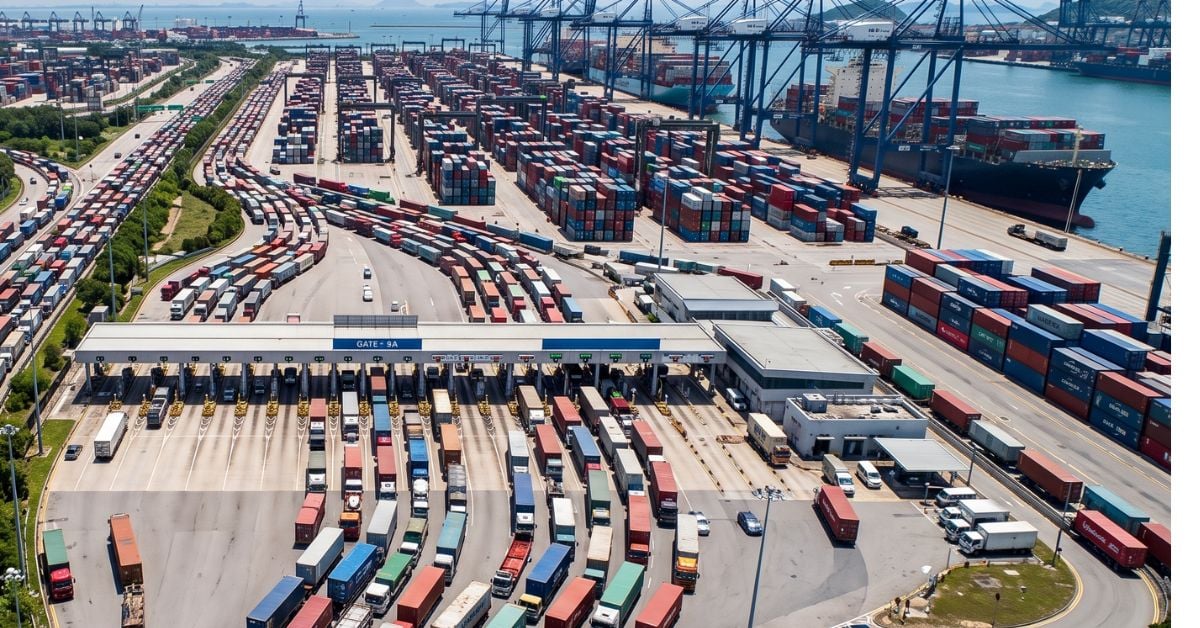
Gate Delays Expose Critical Link in National Trade Flow
A single container gate may appear unremarkable, yet its operational rhythm sets the tempo for national trade flow. When delays accumulate at this critical juncture, the ripple effect on export-import volumes is immediate and measurable. We see this bottleneck as a calibrated indicator of broader supply-chain health. Understanding this link is not optional; it is essential for integrated logistics planning.
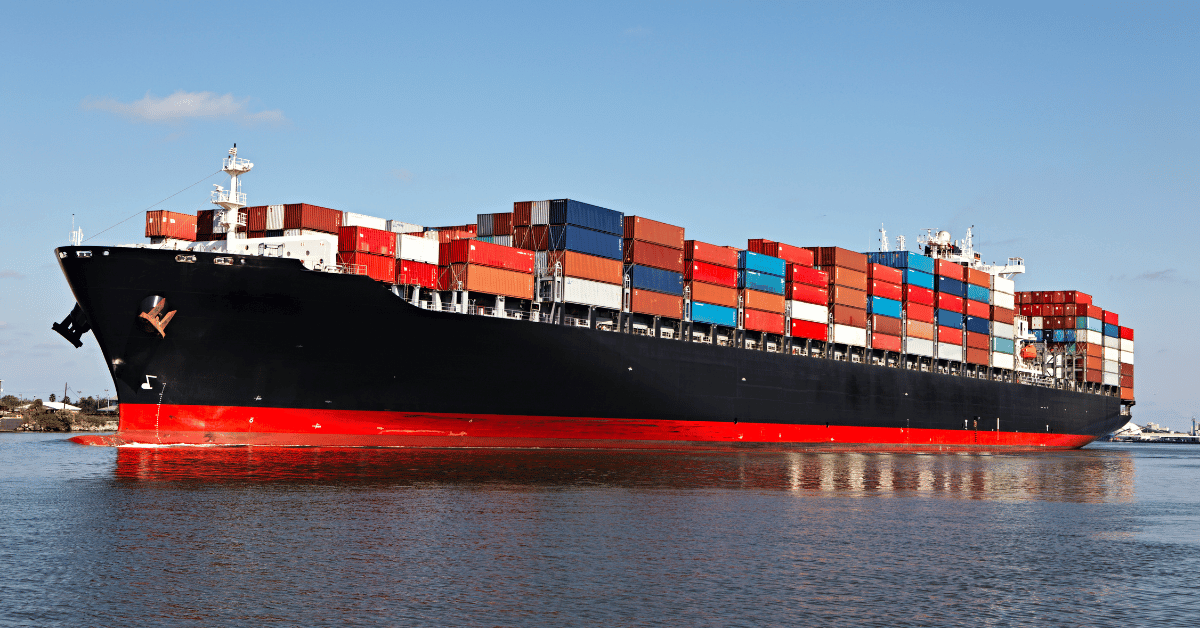
Evaluating Maritime Port Digitalization: A Global Survey by the IMO
The IMO's new global survey on Maritime Single Windows turns a critical lens on how digitalization actually performs in the field. By inviting stakeholders to report their experiences and challenges, the organization is treating port efficiency as a measurable, shared goal rather than a theoretical one. It is a practical move toward refining the data ecosystem that underpins global shipping. For context on how such infrastructure intersects with geopolitical pressures, our coverage of Russia's icebreaker financing offers a useful parallel.
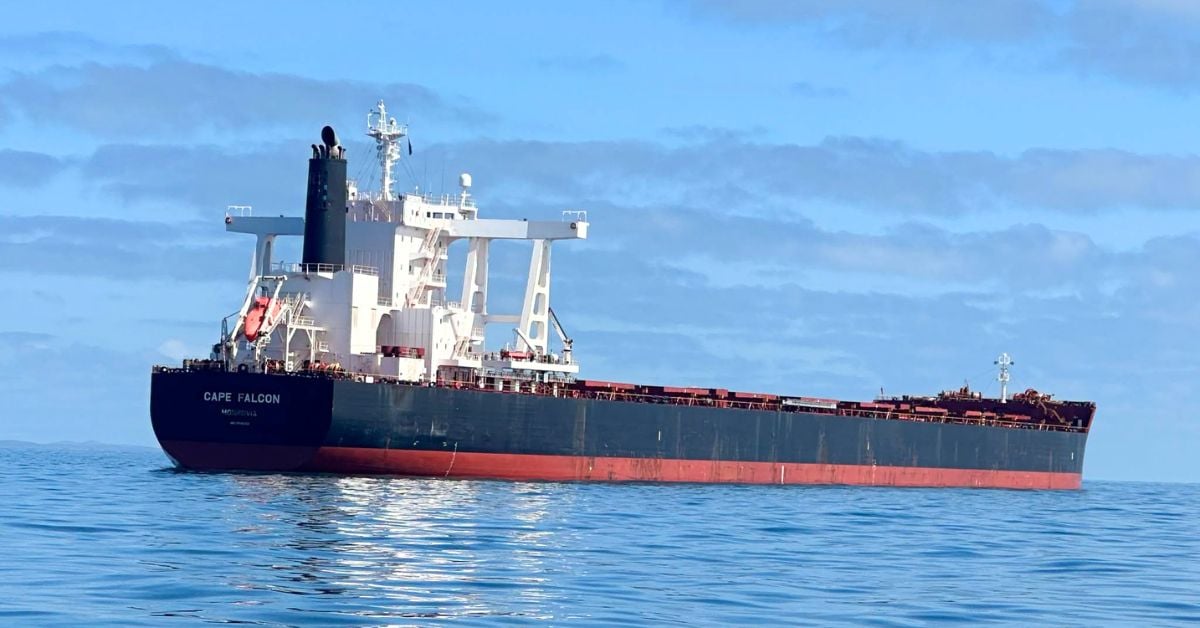
Refloating Efforts Unsuccessful; Bulk Carrier Remains Grounded Near Gladstone
The Cape Falcon remains firmly aground near Gladstone, with two refloat attempts failing to move the Liberian-flagged bulk carrier. The setback underscores how unforgiving coastal conditions can be, even for modern vessels. Patience and precision will be required before the ship returns to open water. For broader context on how such incidents unfold, our related coverage of prolonged groundings, including "Bulk Carrier Freed After Prolonged Grounding Near Gladstone, Australia," offers useful perspective.
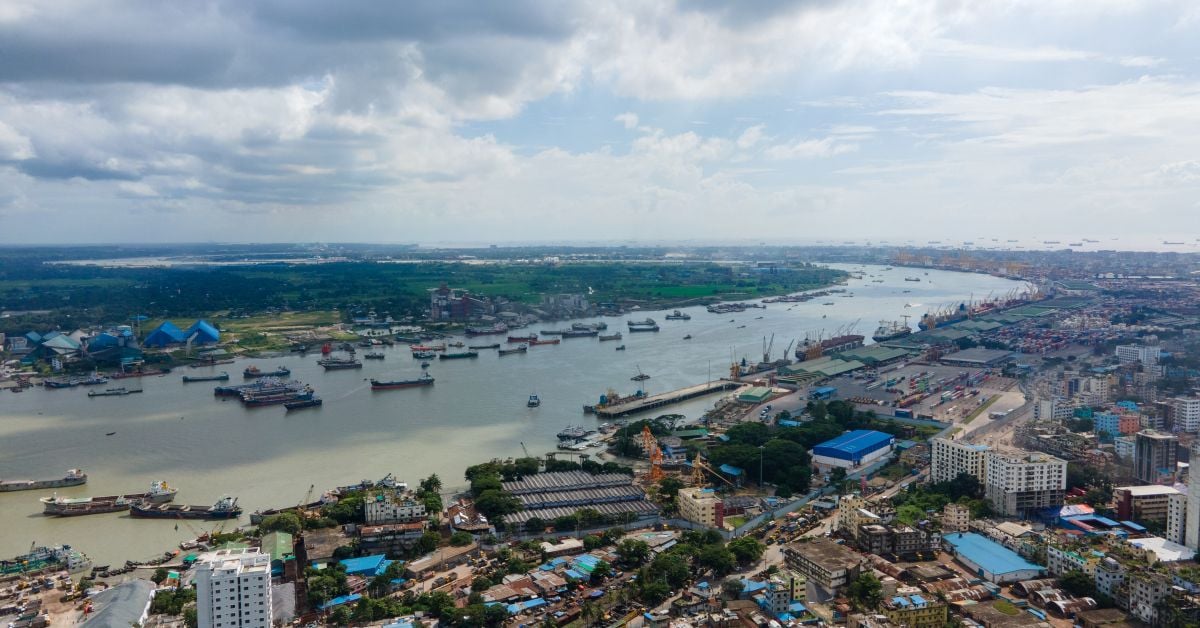
Dispute Over Chattogram Port Lease Sparks Labor Union Protest.
A decision to lease the New Mooring Container Terminal at Chattogram Port has triggered a peaceful protest from labor unions, who are organizing against the government's move. The dispute centers on a facility that anchors Bangladesh's primary maritime gateway, and the pushback signals real friction between operational reform and workforce trust. Labor's concerns deserve attention; port efficiency hinges on more than infrastructure, it depends on the people who run it.
Optimizing Port Efficiency: Integrated Vessel Traffic and Tugboat Scheduling
A dual one-way channel port presents a complex puzzle: how to coordinate vessel traffic and heterogeneous tugboats without sacrificing efficiency or fuel economy. Existing models oversimplify this reality. Our new bi-objective approach tackles the spatiotemporal coupling head-on, revealing a clear trade-off between waiting times and energy use. These Pareto solutions offer actionable strategies for port operators. For broader context on port digitalization, see our coverage of the IMO's global Maritime Single Window survey.
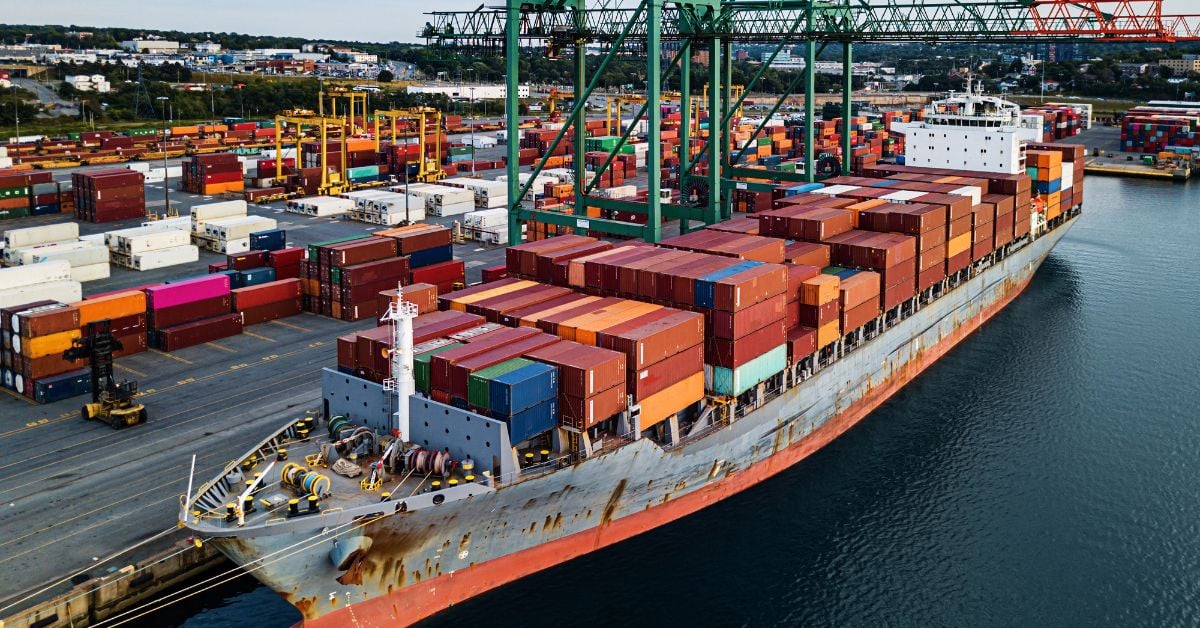
Strategic Automation: Smaller Ports Achieve Efficiency Incrementally.
A single gate. One system. A single problem solved. That is how smaller ports are approaching automation, and it is working. Incremental change delivers measurable gains without the risk of a full-scale overhaul. This pragmatic path matters as global trade shifts. For context on how much is at stake, China's record port activity shows the pressure building elsewhere. But here, the focus stays local. Strategic automation is not about doing everything at once. It is about starting, calibrating, and building real momentum from validated progress.
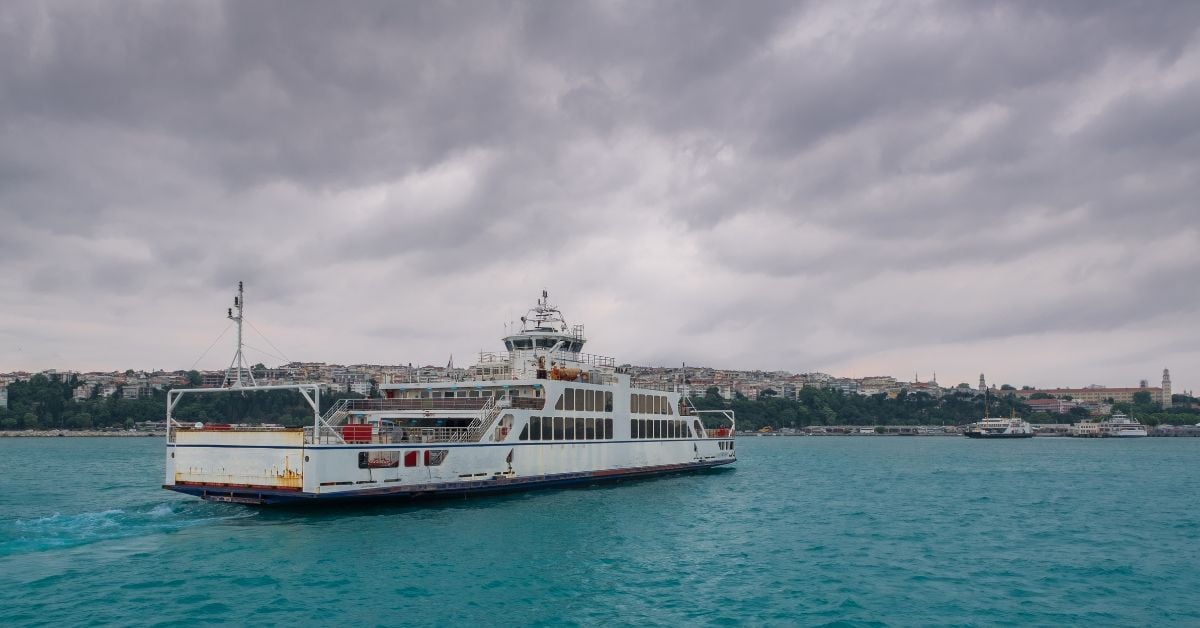
Ferry-Tanker Collision Near Penang Injures 21; Six Critically Conditioned
A collision between a ferry and a tanker off Malaysia's Penang Port has left 21 people injured, six of them in critical condition, authorities confirmed. Incidents like this underscore how swiftly maritime operations can turn perilous, even in familiar waters. The priority now is the stability of those severely hurt and a clear-eyed investigation into what went wrong. For context on how real-time ocean intelligence supports emergency response, our earlier piece, "Ocean Data Enables Swift Rescue of Injured Seafarer Near Andamans," offers a relevant parallel.
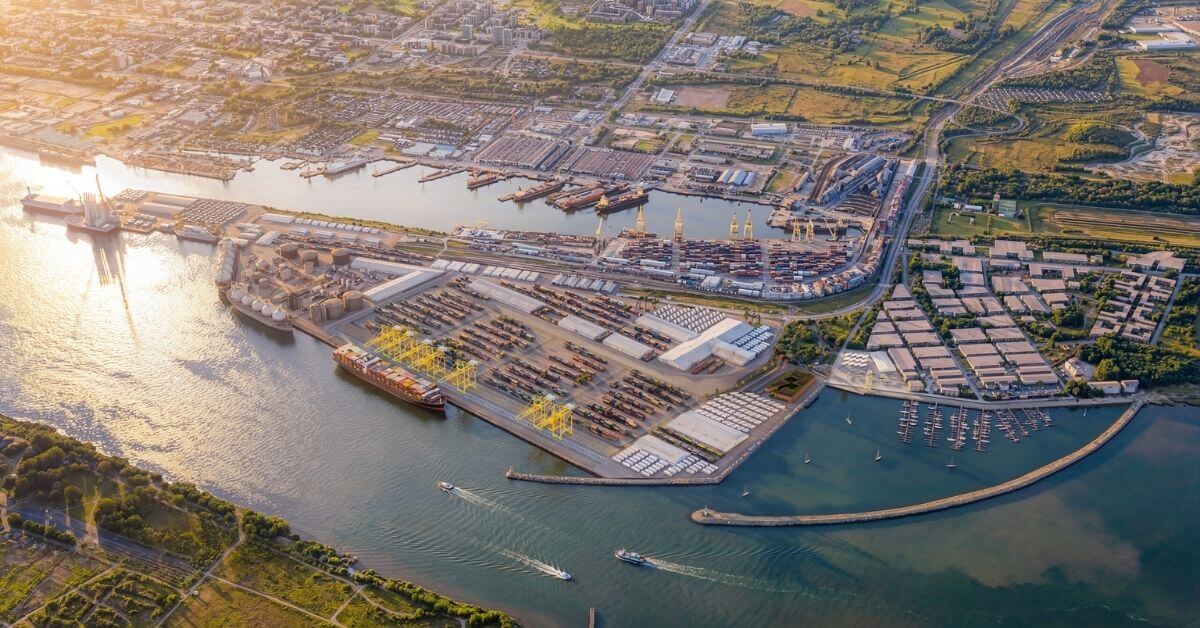
Port Expansion Balances Growth and Lagoon Ecosystem Protection
The Curonian Lagoon's ecosystem hangs in a delicate balance, and this port expansion acknowledges that reality head-on. By designing breakwaters to limit saltwater intrusion, the project treats economic growth and environmental protection as integrated goals, not competing interests. It is a measured approach, one that prioritizes long-term resilience over short-term gains. For readers tracking how maritime infrastructure adapts to ecological pressures, our coverage of Paradip Port Designated a Mega Port offers a parallel look at how expansion shapes regional strategy.
Blockchain: Enhancing Safety and Transparency in Dangerous Goods Transport
A shipper who quietly reclassifies dangerous goods as general cargo may save time and money, but the vessel, the port, and the marine environment inherit the risk. Our new study asks whether blockchain-enabled documentation can break this dangerous habit. The answer is not a simple yes. The technology cuts preparation time, yet it also raises costs, and our model shows that when the price penalty outweighs the time saved, undeclaration actually increases. Blockchain is a tool, not a cure.

Callao Port Integrates Shore Power, Advancing Sustainable Maritime Operations
Callao's South Terminal now runs on shore power, making it DP World's third facility to do so, alongside Canada's Prince Rupert and Vancouver ports. The move grounds maritime operations in measurable, real-time emission reductions. It is a practical step toward cleaner ports, one that aligns operational efficiency with climate indicators rather than promise. For readers tracking port electrification, our coverage of the Chattogram Port lease dispute offers a useful counterpoint on labor and governance tensions in global terminal management.

Modular Batteries Accelerate Electric Ship Adoption.
AYK is already taking orders for its modular battery system while the unit moves through class approval, a clear signal that the technology is ready for real-world deployment. The pace matters. Electric ship adoption has lagged behind other transport sectors, and modular design directly addresses the retrofitting and scalability challenges that slowed progress. This is practical ocean intelligence: validated hardware, measured demand, and a credible path forward.

Nuclear-Powered Shipping: U.S. Advances Maritime Technology and Global Trade.
The agreement targets the practical hurdles that must be cleared before nuclear-powered merchant ships can operate commercially, a step toward measurable progress in maritime technology. This is not abstract ambition; it is about calibrating safety, regulatory, and operational standards that could reshape global trade routes. The timing aligns with rising pressure on shipping infrastructure, as seen in the Gulf of Oman STS Transfers Max Out Amid Rising Saudi Oil Exports. Validated solutions here would integrate nuclear capability with real-world logistics, advancing ocean intelligence.
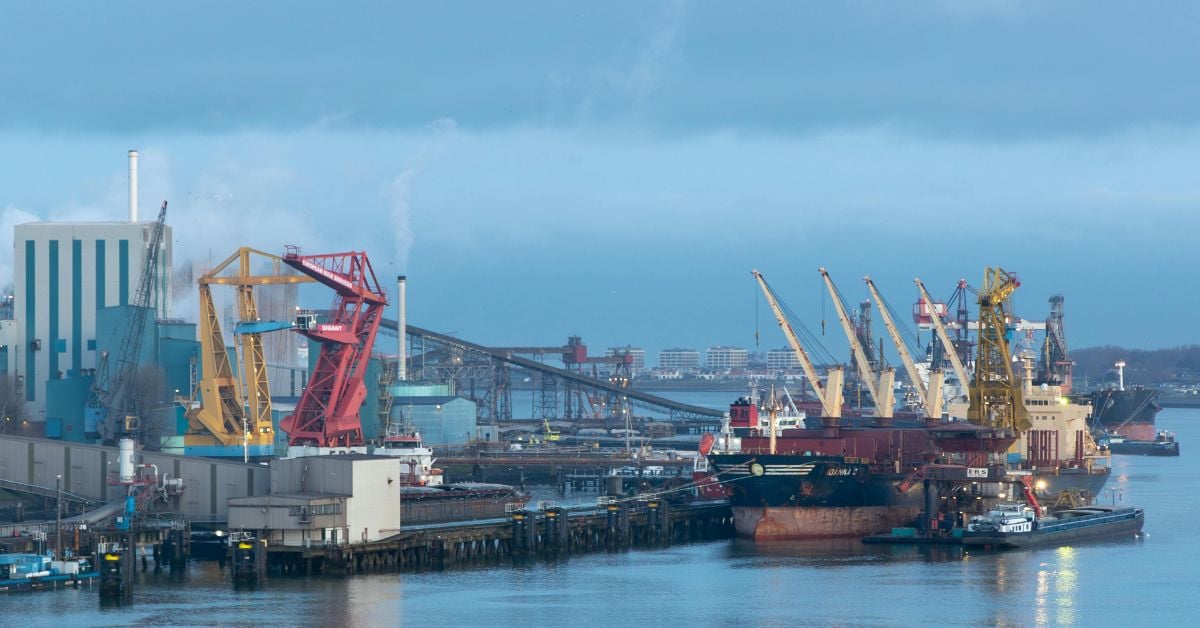
Data Integration: Mitigating Billions in Port Operational Losses.
A single port operating as a collection of silos, with container, bulk, breakbulk, and RORO terminals refusing to share information, is a blueprint for operational chaos. The resulting delays are not just inconvenient; they represent a measurable drain of billions in potential value. This fragmentation is a direct threat to the efficiency we should be engineering for. For a deeper look at how systemic pressure points manifest, our coverage of "Gate Delays Expose Critical Link in National Trade Flow" offers a relevant parallel.
Modeling a Green Shipping Corridor for Sustainable Trade Growth
A 2.2% annual traffic growth rate sounds modest until it meets a decarbonization curve that will not bend. This study models a green shipping corridor linking Shanghai, Jebel Ali, and Koper, and the results are sobering: even with 23 mitigation measures and roughly 86% alternative fuel adoption, net-zero by 2050 remains out of reach. The bunkering stage, not the voyage, is where the system lives or dies. That is the actionable insight. Corridors are not routes; they are integrated transport-energy systems.

Plastic Pellet Spill Impacts River Tyne Ecosystem, Demands Integrated Assessment
A container ship collision on the Tyne has sent plastic pellets into the river, adding an environmental toll to an incident that also collapsed a dockside crane and sent one person to hospital. The spill demands an integrated assessment, not a piecemeal response. Pellet pollution does not respect administrative boundaries; it moves, settles, and persists. Measured, empirical tracking is required to calibrate the damage. This echoes the operational fragility seen in our coverage of the MSC Hermes III rescue, where coordinated action proved decisive.

Shipping Disrupted at Antwerp Following Hydrogen Fluoride Leak Incident
A hydrogen fluoride leak aboard the MSC Mia Summer II has forced a halt to operations at Antwerp's MSC PSA European Terminal. The incident, occurring at the Deurganck Dock, disrupted shipping at a critical juncture for global trade. While the immediate response is underway, the episode is a sharp reminder of the risks embedded in port logistics. For context on broader infrastructure shifts, our piece on the integrated waterway connecting China's interior offers a useful counterpoint.