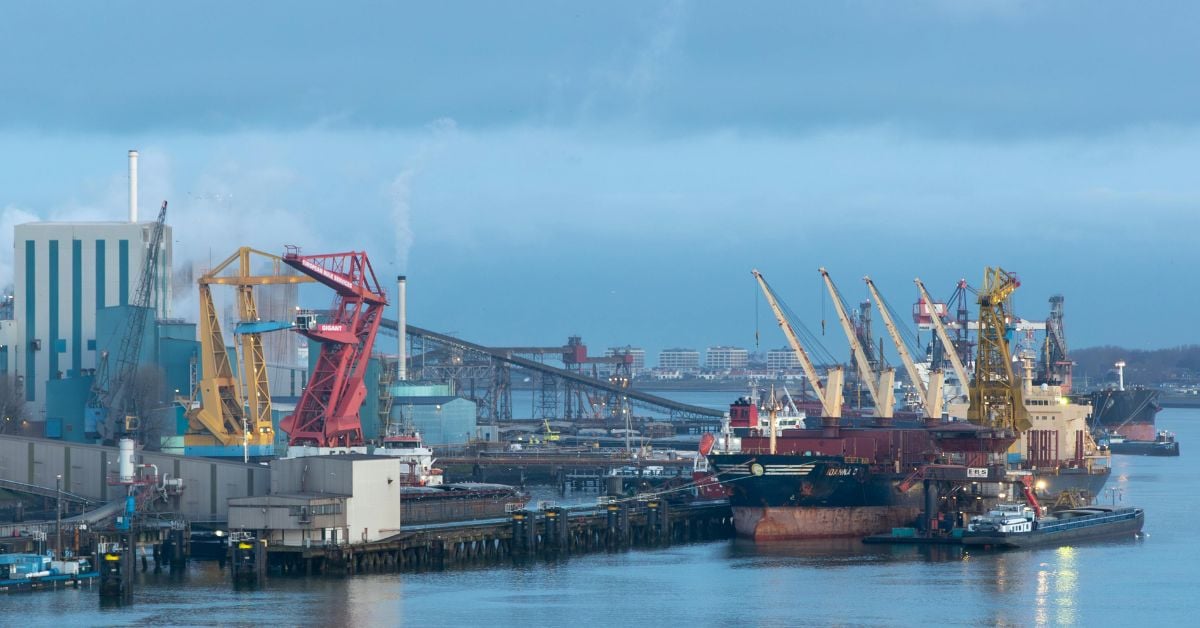
A single port is rarely a single operation. It is a collection of container terminals, bulk handlers, and RORO berths operating in parallel, often with competing interests and separate data systems. That fragmented reality sits at the heart of a costly problem: when these entities do not share information, the resulting operational delays can cascade into billions of dollars in losses. The financial exposure is not hypothetical. It is measured in idle cranes, waiting vessels, and missed sailing windows. The same logic that makes a single terminal efficient applies to the entire port ecosystem, except the cost of failure multiplies with every additional actor in the chain.
This is not an abstract concern for logistics managers or a theoretical talking point for policymakers. It is a practical, daily vulnerability. Consider how quickly a minor delay at one terminal ripples outward, a pattern we have seen in Gate Delays Expose Critical Link in National Trade Flow, where a single point of friction exposed the fragility of the broader supply chain. Similarly, the pressure on maritime infrastructure is not limited to containerized cargo. The recent report on Gulf of Oman STS Transfers Max Out Amid Rising Saudi Oil Exports shows what happens when a specific segment reaches its ceiling because actors cannot coordinate beyond their immediate operational silos. And when something goes wrong, as with the Cargo Ship Fire Prompts Evacuation Near Mykonos; Incident Under Investigation, the response time and recovery effort depend entirely on how quickly information moves between parties who are supposed to be working together.
Our take is straightforward: the bottleneck is no longer physical infrastructure, it is information architecture. Terminals invest heavily in cranes, berths, and automation, yet they often treat data as a proprietary asset rather than a shared utility. That mindset is becoming an unacceptable operational liability. In practical terms, this means a port that integrates its data ecosystem can reduce vessel turnaround times, optimize berth allocation, and lower fuel consumption. Those are not soft benefits; they are measurable, empirical gains that directly affect the bottom line. We would tell a reader who asks about this: if your port does not have a real-time, integrated view of operations across all terminal types, you are already paying for the delay, you just have not calculated the invoice yet.
The path forward is not about convincing every actor to adopt a single software platform. It is about establishing standards for data exchange that allow heterogeneous systems to communicate. The port that solves this problem first will not just avoid losses; it will become the preferred node in global trade routes. The open question is whether port authorities will treat data integration as a strategic priority or as a bureaucratic afterthought. The detail to watch is not the technology itself, but who is appointed to own the data governance. That decision will determine whether the next billion-dollar delay is a lesson learned or a repeat performance.