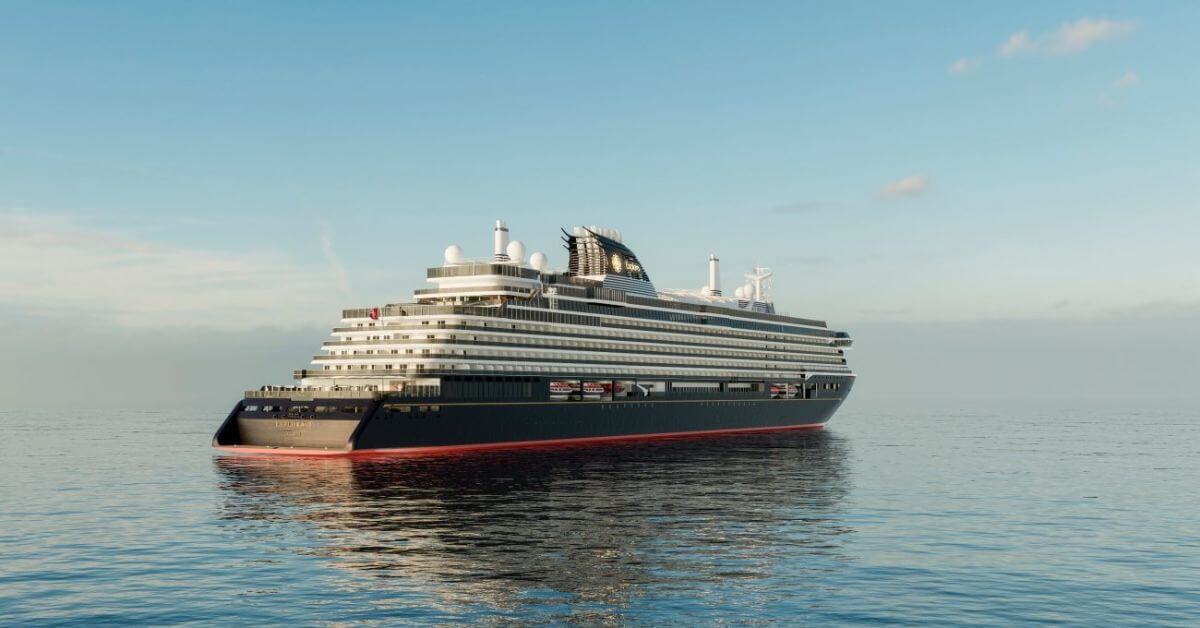
The arrival of the LNG-powered cruise ship in Barcelona, following its delivery in Genoa and a Mediterranean prelude voyage, is a concrete data point in the maritime sector's slow turn toward lower-emission propulsion. This is not a revolutionary leap, but it is a measurable one. For an industry often criticized for incrementalism, the deployment of a vessel of this class signals that the operational infrastructure for gas-based fuel is maturing beyond the feasibility-study stage. We view this as a calibrated step, one that aligns with the broader, more complex picture of maritime security and commercial pressure that our readers track daily.
This delivery does not exist in a vacuum. The commercial decision to bring this vessel online intersects with strategic questions we have recently examined. The Russian Maritime Activity Raises Concerns of Drone Operations in Mediterranean reminds us that the Mediterranean is not merely a transit lane for cruise tourism; it is a contested space where commercial traffic and state-sponsored surveillance increasingly overlap. Similarly, the India Projects Expanded Naval Fleet to Navigate Evolving Maritime Landscape underscores a global trend: fleets, both civilian and military, are being reconfigured for a more complex operational environment. In that context, the arrival of a large, gas-burning cruise ship is not just an environmental headline. It is an integration of new energy logistics into a region where the rules of engagement are being rewritten. The question is not whether LNG is a perfect solution, but whether its supply chain can remain resilient when geopolitical friction rises in the same waters.
Our honest take is that this vessel represents a pragmatic, if partial, answer to the industry's decarbonization dilemma. It is not a silver bullet; the science is clear that methane slip and upstream emissions require careful, peer-reviewed accounting. But dismissing this as greenwashing would be a misread of the operational reality. For the reader, whether a port authority planner or a marine policy analyst, the practical consequence is this: LNG bunkering infrastructure is no longer an experiment. It is a commercial service that must be integrated into port call planning, safety protocols, and air quality monitoring. We would tell a reader who asks, "Is this the future?" that the better question is, "How do we measure the next five years of this fuel's lifecycle against the alternatives?" The answer will come from longitudinal data, not from press releases.
The specific detail to watch is the ship's performance on its next long-haul routing, particularly how its engines handle the transition between open-sea and emission-control-area operations. If the operational data from this Mediterranean prelude matches the design specifications, it will provide a validated template for sister ships. But if the real-world fuel consumption drifts from the empirical models, the entire business case for this class needs recalibration. That is the concrete point. The ocean is a harsh auditor, and it does not accept corporate optimism as payment. We will be watching the emissions data, not the launch photography.