Northern Sea Route
World Data Ocean keeps Northern Sea Route in one place: 11 stories so far. The section currently leads with “Icebreaker escorts on the Northern Sea Route: learning from the Baikal: Vladivostok failure”, “Geopolitical shocks reshape shipping routes with measurable regional divergence”, and “Russia Calibrates Export Revenue for Northern Sea Route Icebreaker Fleet”. A single catastrophic failure can sharpen safety systems across an entire ocean. Geopolitical shocks are not uniform in their effects, they reshape shipping routes with measurable regional divergence. A Global Hub for Ocean Intelligence 4 World Data Ocean is a centralized digital platform where researchers, scientists, and ocean enthusiasts converge to… The list below is every Northern Sea Route story on World Data Ocean, newest first.

Icebreaker escorts on the Northern Sea Route: learning from the Baikal: Vladivostok failure
A single catastrophic failure can sharpen safety systems across an entire ocean. The 2024 Baikal, Vladivostok accident in the Yenisey Gulf exposed layered failures in icebreaker escort operations on the Northern Sea Route. By applying the Swiss Cheese Model, the analysis reveals how weaknesses in planning, communication, and real-time ice data combined to breach multiple safety layers. The path forward demands risk-based escort protocols and governance that prioritises human factors. For deeper context, see our related study on how geopolitical shocks are reshaping shipping routes.
Geopolitical shocks reshape shipping routes with measurable regional divergence
Geopolitical shocks are not uniform in their effects, they reshape shipping routes with measurable regional divergence. A new two-scale framework, built from historical AIS data, reveals how maritime activity redistributed rapidly through the Red Sea-Suez Canal corridor versus the Cape of Good Hope, while Arctic shipping showed stronger temporal fluctuations tied to geopolitics, infrastructure, and environmental variability. This data-driven approach illuminates vulnerable corridors and network resilience.
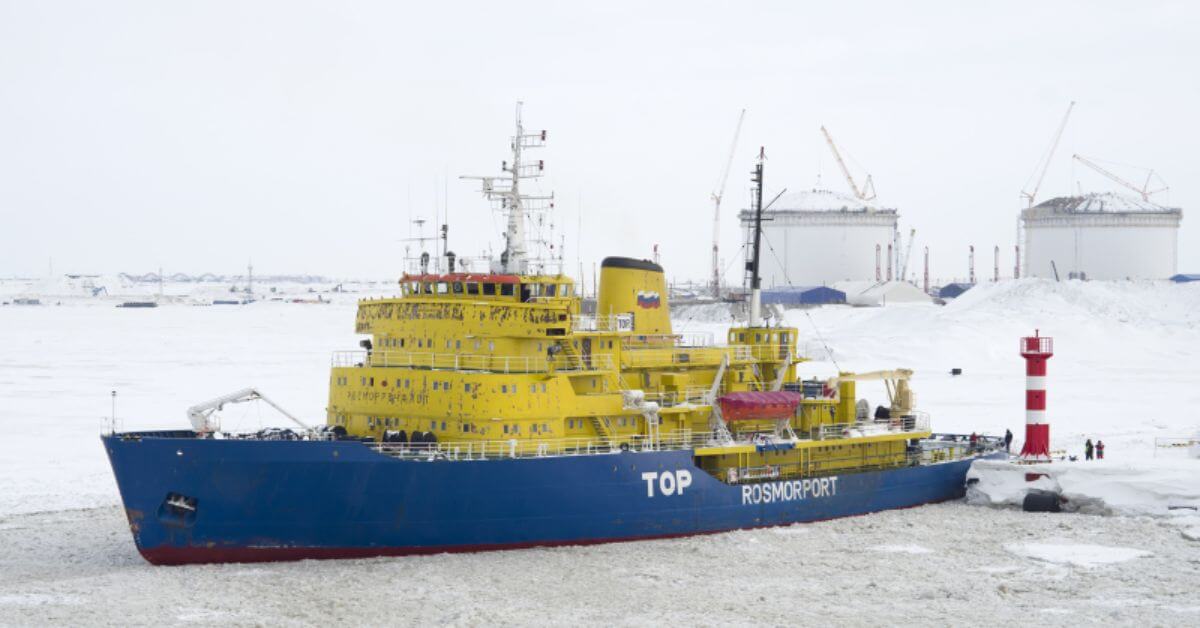
Russia Calibrates Export Revenue for Northern Sea Route Icebreaker Fleet
Russia plans to collect more than 200 billion roubles from exporters to fund two new icebreakers for the Northern Sea Route, a move that ties Arctic access directly to fiscal strategy. It is a calibrated bet: revenue marshaled now for extended navigation later. The sums are substantial, and the intent is clear. For context on how maritime infrastructure continues to shape regional ambitions, see our coverage of the Vostok project's Arctic oil exports.
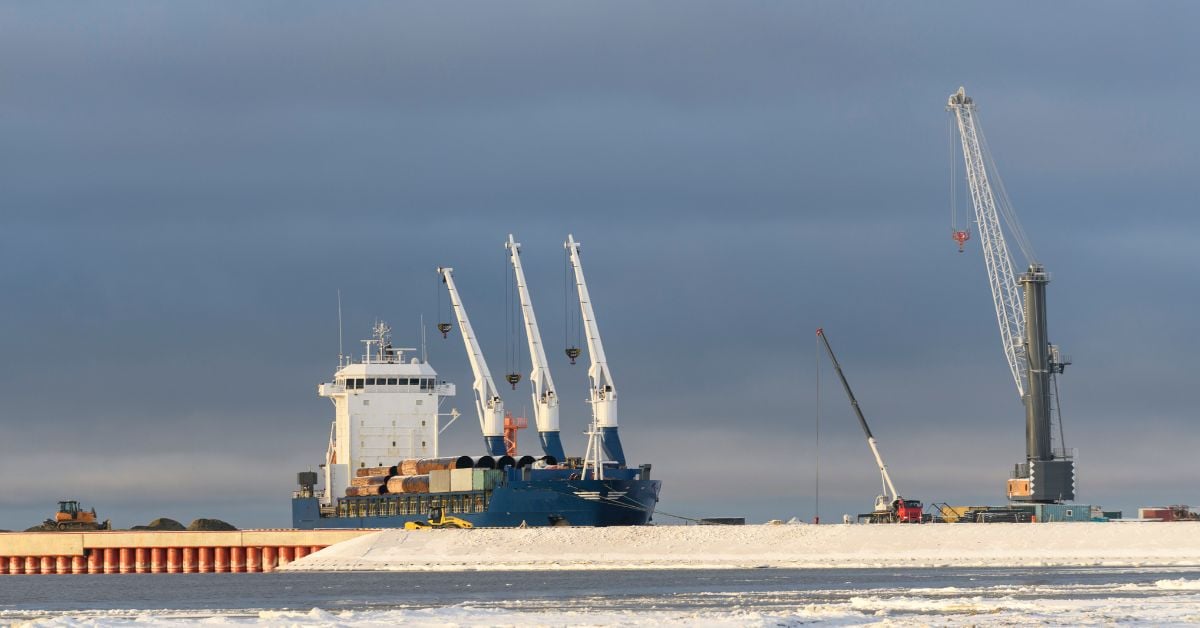
Arctic Passage Time Cut: Container Ship Charts New Route.
A Chinese container vessel has completed the Northern Sea Route in just 25 days, validating the Arctic's potential as a viable commercial passage. This is not an experiment; it is a measurable step in global shipping's realignment. The voyage demonstrates how climate indicators and integrated data ecosystems are reshaping trade logistics. For deeper context on shifting maritime corridors, see our coverage of "Russia Calibrates Export Revenue for Northern Sea Route Icebreaker Fleet." Understanding these routes drives smarter stewardship of our ocean intelligence.
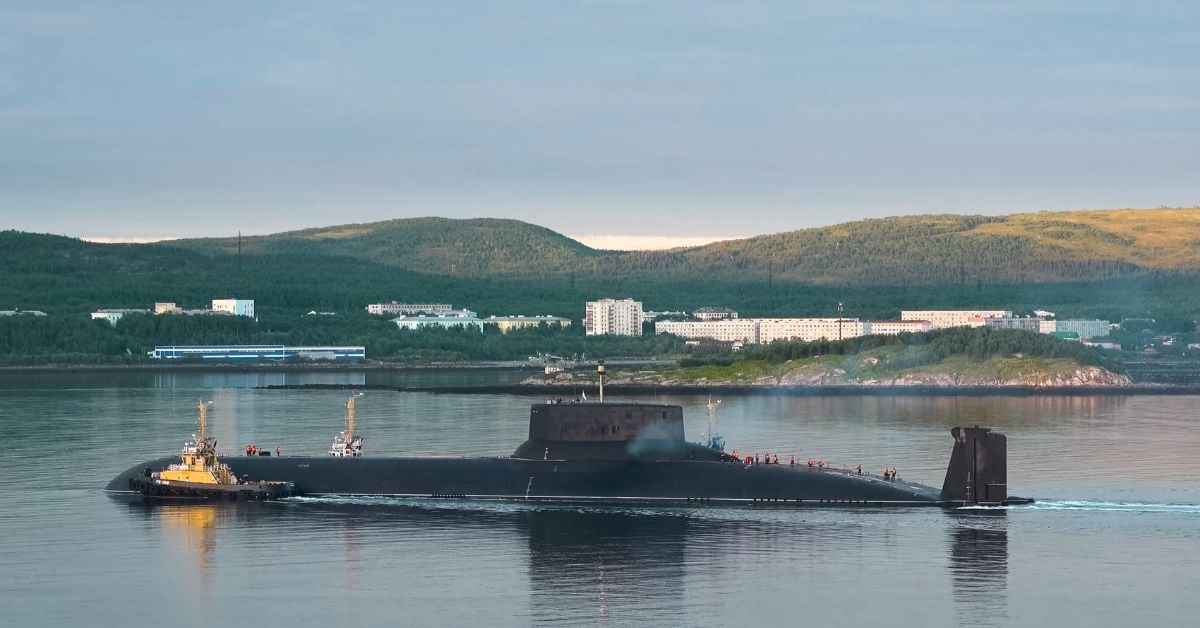
Rising Russian Submarine Activity Demands Enhanced NATO Ocean Intelligence.
A former NATO Commander has flagged the expansion of Russian submarine capabilities as a direct challenge to Atlantic security. This is not a distant concern, it is a measurable shift in naval defence infrastructure demanding calibrated response. Enhanced ocean intelligence, integrating real-time data from seabed to surface, becomes essential. For context, our coverage of the Vostok Project's Arctic oil exports shows how Russia's maritime ambitions extend beyond military posture, linking economic and strategic pressures in the same integrated data ecosystem.
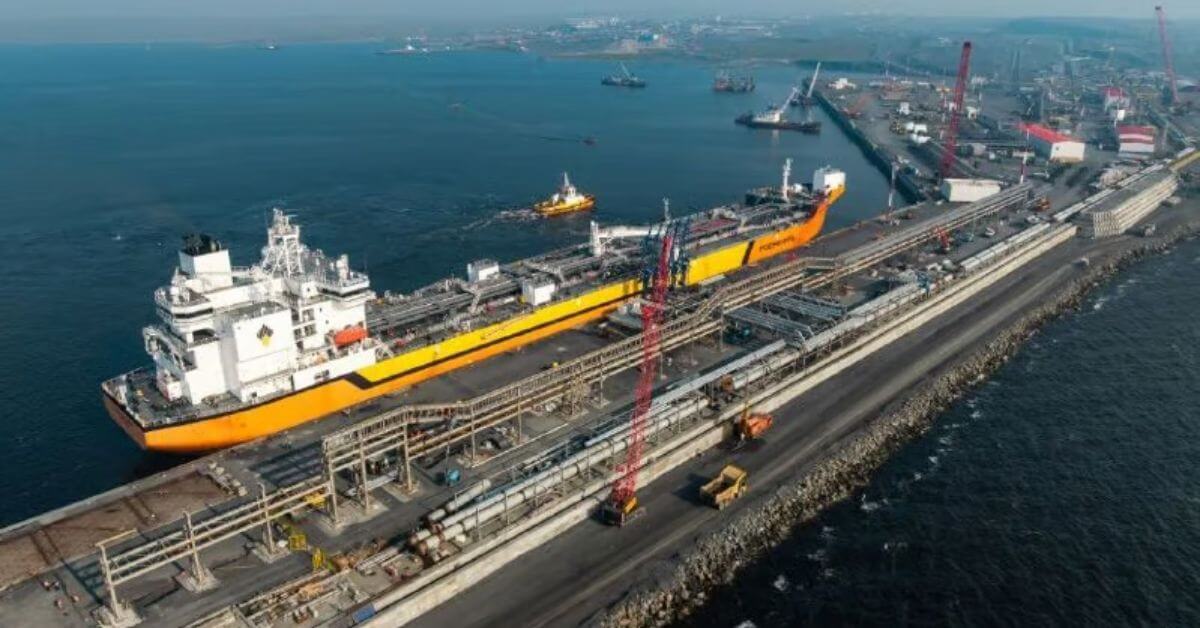
Arctic Route Gains New Supply: Vostok Oil Flows to Northern Sea Route
The first crude oil from Russia's Vostok Oil project has moved through the Arctic, adding a new supply line to the Northern Sea Route. It's a logistical step forward, but one that carries real strategic weight. The route's expansion is worth watching closely, especially as export revenues get recalibrated to fund new icebreakers. For a deeper look at that financial balancing act, our related coverage on Russia's export revenue plans is a useful next stop.

Escorted LNG Transit Highlights Arctic Shipping and Geopolitical Shifts
The Northern Sea Route is no longer a theoretical exercise in Arctic logistics. The Russian frigate Admiral Kasatonov's escort of the LNG carrier Portovyy, fresh from Gazprom's Portovaya plant, is a concrete demonstration of how energy transit and naval power now move in lockstep. This is not alarmism; it is the calibrated reality of a changing map. The escort signals that Arctic shipping lanes are becoming strategic chokepoints, not just weather-dependent shortcuts.

Northern Sea Route Opens: China Ship Arrives at Murmansk Port
The Xin Xin Hai 1 arrived at Murmansk Port on Wednesday night, carrying roughly 500 containers of automotive components. This transit along the Northern Sea Route signals a measurable shift in Arctic logistics. China's reach into these waters is no longer theoretical; it is operational. The voyage demonstrates how climate indicators and commercial strategy now intersect. For deeper context on regional maritime pressures, our piece on strikes targeting ports and vessels offers a contrasting picture of vulnerability.

India Eyes Northern Sea Route for Expedited Trade with Russia
India is charting a new course to the Arctic. With plans to send its first cargo ship along Russia's Northern Sea Route in 2027, New Delhi is looking to bypass the Suez Canal and cut transit time as bilateral trade with Moscow expands under sanctions. It is a pragmatic, data-driven move, one that reflects how geopolitical pressures are redrawing maritime logistics. For readers tracking parallel disruptions, our coverage of strikes targeting ports and vessels in confirmed military action offers broader context on the region's volatility.

Arctic Shipping Risk: Tanker Damage Highlights Ice Navigation Challenges
The tanker Lynx, carrying roughly one million barrels of Russian crude bound for China, spent last year trapped in ice within the East Siberian Sea. This incident underscores a straightforward reality: Arctic transit remains a high-stakes exercise. The risks are not theoretical, and the margin for error is razor thin. As Russia calibrates its export revenue for new icebreakers, the gap between ambition and operational safety demands closer scrutiny.

Chinese Shipping Expands Arctic Route Access via Northern Sea Route.
Seven Chinese vessels have received permits to transit the Northern Sea Route to Europe, a concrete step in Beijing's Arctic engagement. Rosatom's approval signals Russia's willingness to integrate Chinese shipping into its ice-covered corridor. The move is practical, not ceremonial: it extends commercial reach while testing the route's reliability. For readers tracking the region's momentum, our related piece on Russia's icebreaker export revenue calibrations offers useful context on the infrastructure behind these transits.