naval exercise
10 stories filed under naval exercise on World Data Ocean. The newest of them: “Validated long-range strike capability demonstrated in Arabian Sea test”, “Turkish Navy marks 488th Preveva anniversary with homegrown frigate TCG Istanbul”, and “Iranian Warship IRIS Lavan Extended Stay in Indian Port Raises Questions.”. Pakistan has validated a long-range strike capability in the Arabian Sea, with PNS/M *Hangor* hitting a designated target on September 27. The Turkish Navy's 488th Preveza anniversary parade featured TCG Istanbul, Türkiye's first domestically designed and built frigate. A Global Hub for Ocean Intelligence 4 World Data Ocean is a centralized digital platform where researchers, scientists, and ocean enthusiasts converge to… The list below is every naval exercise story on World Data Ocean, newest first.
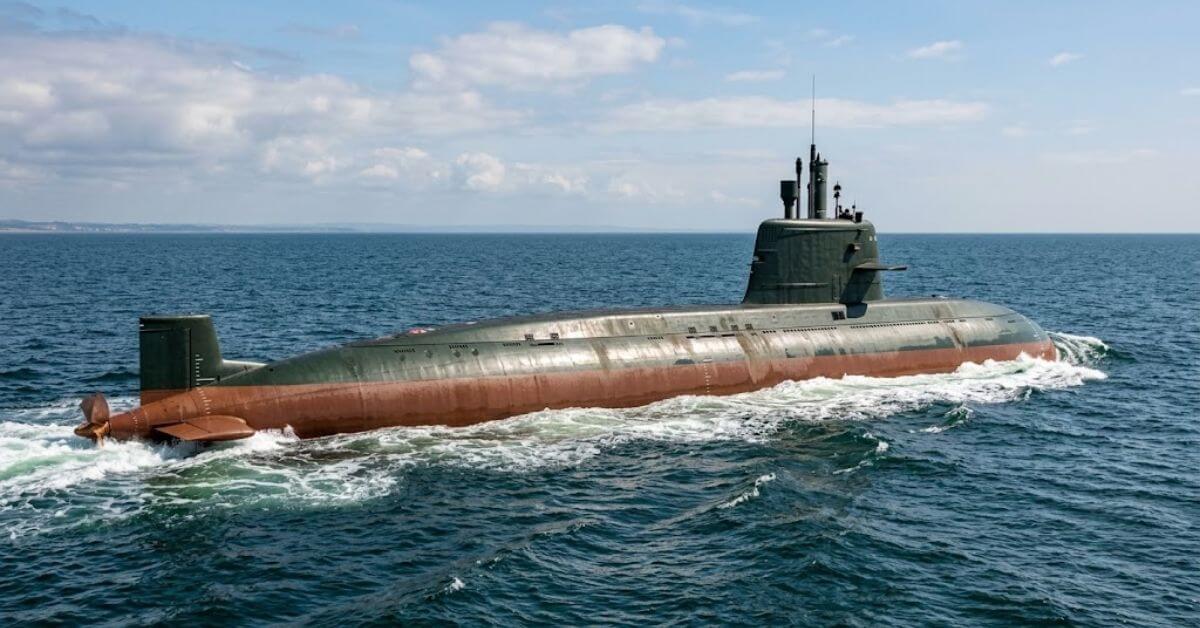
Validated long-range strike capability demonstrated in Arabian Sea test
Pakistan has validated a long-range strike capability in the Arabian Sea, with PNS/M *Hangor* hitting a designated target on September 27. This demonstration of calibrated, measurable naval power underscores the importance of integrated defense systems in a region defined by strategic chokepoints. For broader context on maritime security in these waters, our report on negotiations clearing the Strait of Hormuz for LNG delivery to Pakistan offers parallel insight. Understanding drives protection, both on the surface and beneath it.
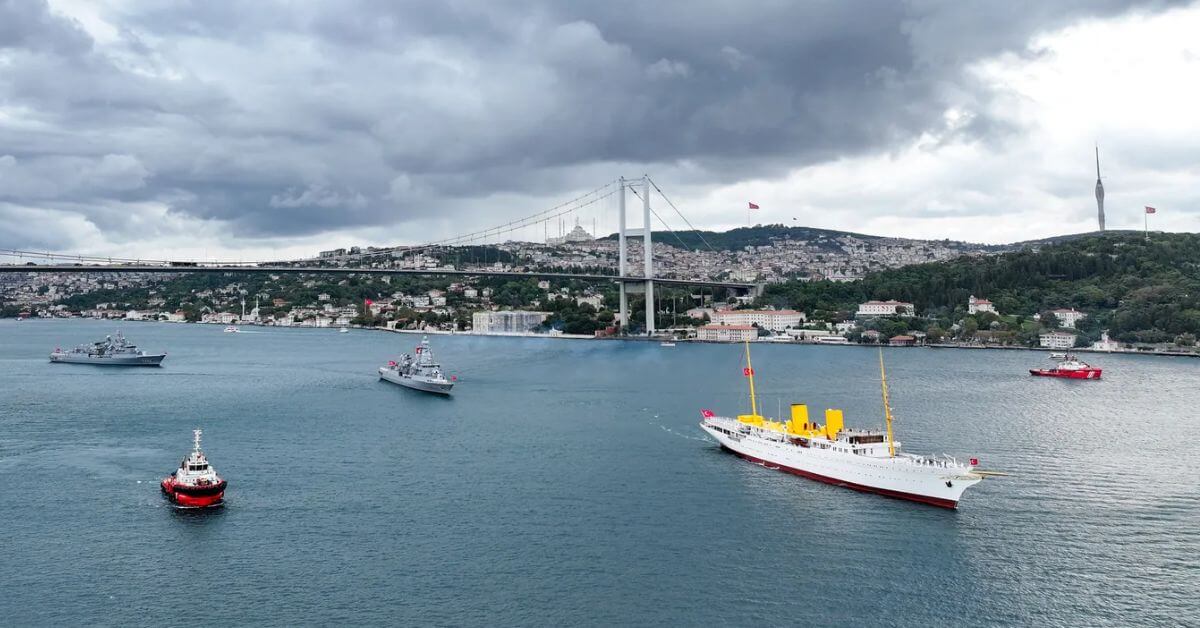
Turkish Navy marks 488th Preveva anniversary with homegrown frigate TCG Istanbul
The Turkish Navy's 488th Preveza anniversary parade featured TCG Istanbul, Türkiye's first domestically designed and built frigate. This is measurable progress in national naval capability. Validated, homegrown engineering now sails alongside tradition. For deeper coverage on integrated maritime power, see our related article on Pakistan's "Validated long-range strike capability demonstrated in Arabian Sea test." Understanding drives protection, from shipyard to sea.
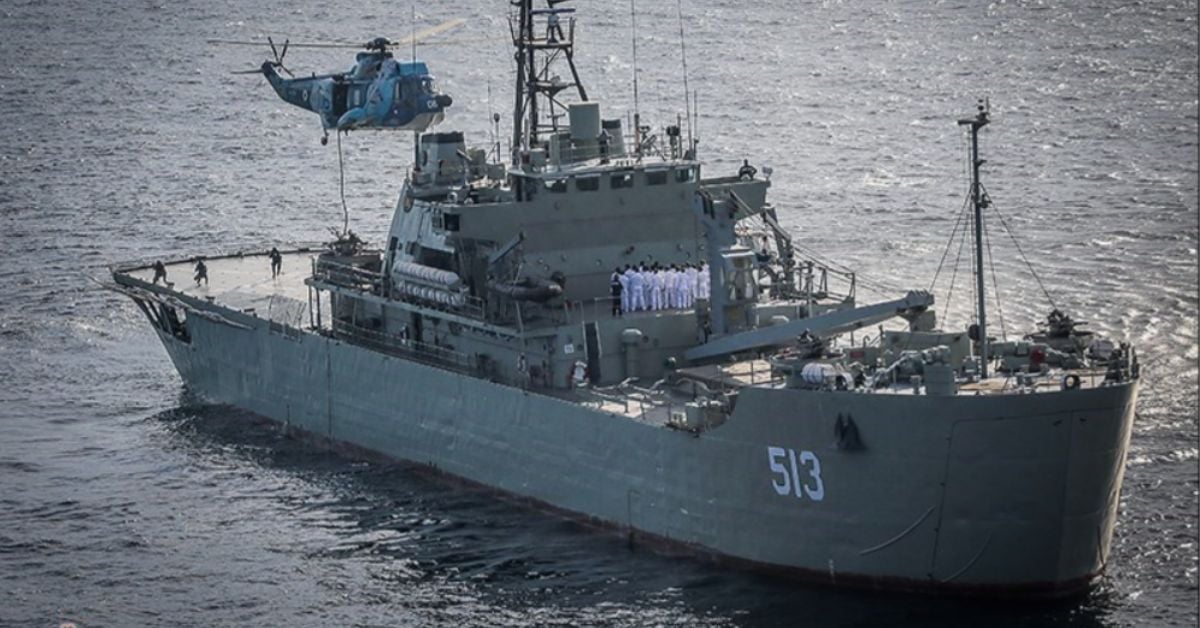
Iranian Warship IRIS Lavan Extended Stay in Indian Port Raises Questions.
Six months after seeking emergency docking, Iran's amphibious landing ship IRIS Lavan remains anchored in India's Port of Kochi. That is not a routine port call; that is a statement. Extended stays carry weight in maritime geopolitics, and this one deserves scrutiny. For readers tracking the region's shifting dynamics, our related piece on integrated subsea infrastructure highlights how the Indian Ocean is becoming a strategic corridor. The Lavan's presence adds a layer to that picture, one worth watching closely.
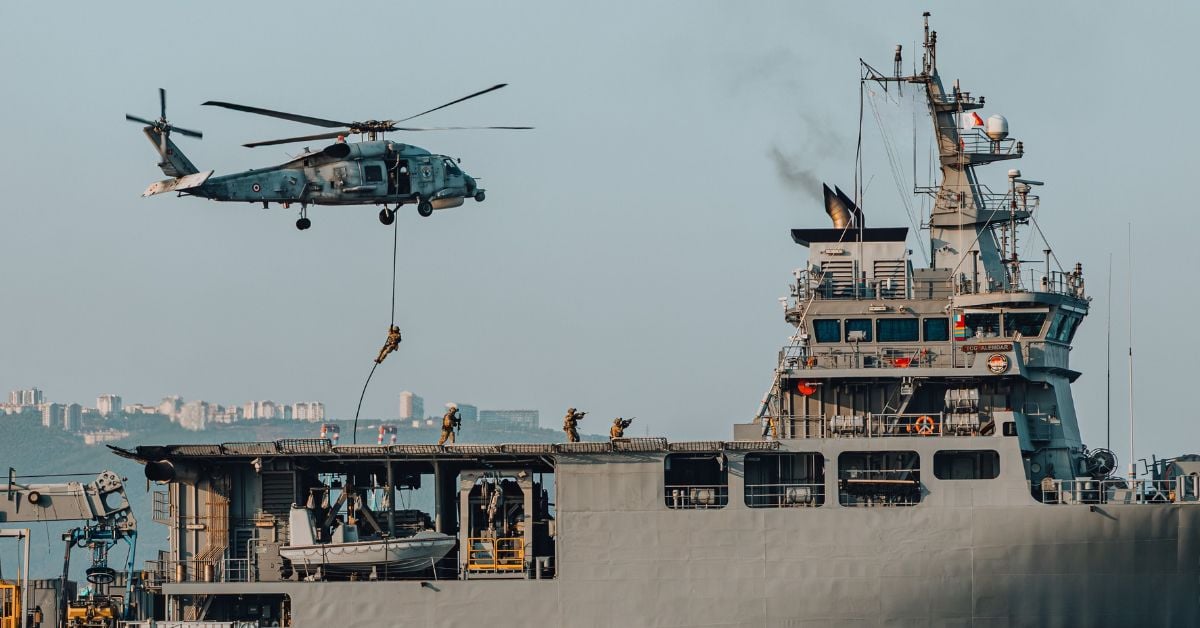
Simulated Drills Assess Maritime Defense Strategies in the South China Sea
A bilateral naval exercise in the South China Sea has put simulated Chinese People's Liberation Army Navy formations at the center of a realistic defense drill. Both nations calibrated these scenarios to test maritime strategies for protecting Manila's territorial waters. Such empirical, peer-reviewed training sharpens readiness without alarmism. Understanding drives protection. For deeper insight into regional security dynamics, see our coverage of phased negotiations aimed at easing restrictions on the Strait of Hormuz.

NATO Intervenes to Prevent Russian Subsea Cable Disruption Exercise
NATO intervened to prevent a Russian exercise aimed at disrupting subsea cables, a direct challenge to the global data networks we rely on. Two Western officials confirmed the vessels were stopped and later departed. This is not an isolated provocation. Our related coverage of *Russian Maritime Activity Raises Concerns of Drone Operations in Mediterranean* suggests a pattern of calibrated, high-risk behavior. Protecting ocean intelligence infrastructure is no longer theoretical; it is an operational necessity. Understanding drives protection.
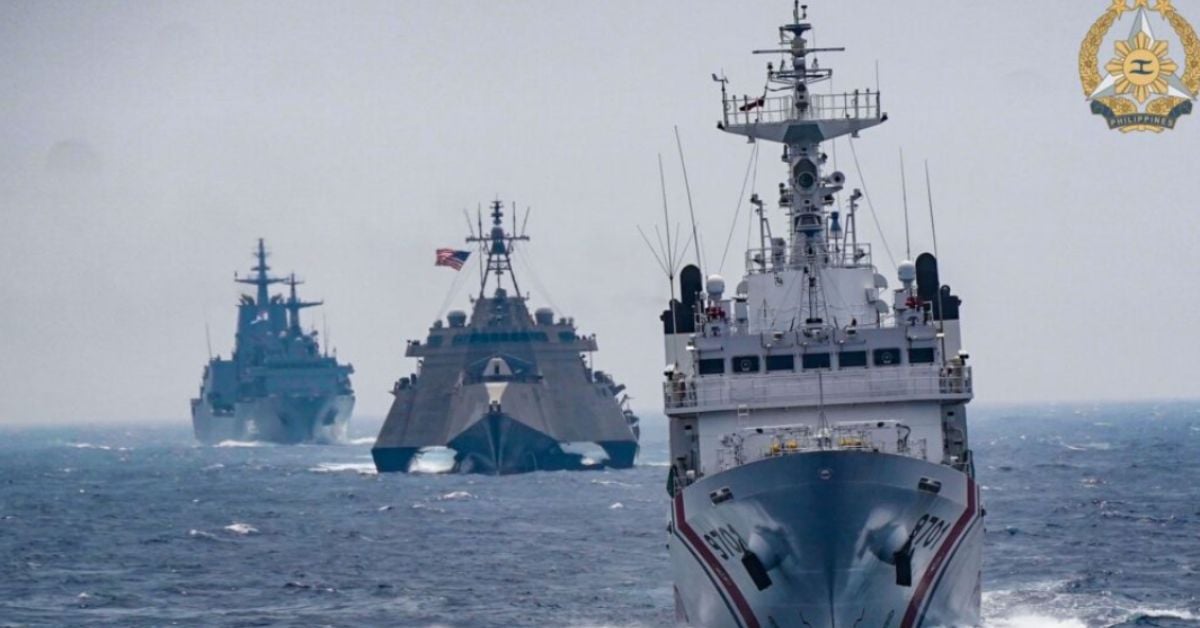
Naval Tensions Rise: Incident Near Sabina Shoal During Joint Exercises
The sight of Chinese warships shadowing Australian, Philippine, and U.S. vessels near Sabina Shoal during joint exercises is a measured reminder of how tense the region has become. These maneuvers are not accidents; they are calibrated signals of presence and intent. The West Philippine Sea demands precise observation, not alarm. For readers tracking the broader picture, our coverage of China's new nuclear carrier offers useful context on how such naval ambitions are being extended. For now, the message is clear: vigilance remains the operative word.

Geopolitical Tensions Rise as Russia Conducts Naval Drills Near Disputed Islands
A naval drill near contested islands is a deliberate signal, and Russia just sent it. President Putin's visit to the disputed territories, paired with live-fire exercises, sharpens a diplomatic edge that Japan cannot ignore. This is calibrated pressure, measured in hulls and headlines. For deeper context on Moscow's maritime strategy, our related piece, "Russia Calibrates Export Revenue for Northern Sea Route Icebreaker Fleet," outlines the financial machinery behind its Arctic ambitions. Geopolitical friction here is not abstract; it is a tangible test of alliances.

Saildrone Surveyor Demonstrates Precision Strike Capability in RIMPAC Exercise
The 20-metre Saildrone Surveyor, fitted with a JAGM dual launcher and ARES fire-control system, has demonstrated a precision strike capability during the RIMPAC exercise. This is not about aggression; it is about proving that uncrewed platforms can deliver calibrated, effective response in complex maritime environments. The integration of such systems into a validated data ecosystem is a measured step forward. For broader context on how uncrewed and subsea technologies are reshaping ocean intelligence, our piece on integrated subsea cables offers a useful parallel.

Autonomous Resupply Demonstrates Ocean Intelligence for Naval Operations
Splash Industries has completed the world's first fully autonomous underway resupply of a U.S. Navy warship, using an Unmanned Surface Vehicle to transfer supplies without a single human touch on deck. It is a practical proof that autonomy can handle the most demanding naval logistics. This milestone pairs naturally with our coverage of India's expanded fleet plans, a reminder that resupply is the quiet backbone of any blue-water ambition.

Rapid AI Sonar Retraining Boosts Navy’s Deep-Sea Monitoring Capabilities
Lockheed Martin reports that rapid AI sonar retraining now lets naval helicopter operators monitor twice as many sonar feeds as older systems allowed. That is not incremental improvement; it is a measurable leap in how much underwater intelligence a single crew can process in real time. The capability feels less like a convenience and more like a necessity, given the growing complexity of deep-sea operations.