mines
World Data Ocean keeps mines in one place: 9 stories so far. The section currently leads with “Strait of Hormuz Stability Challenged by Confirmed Strike on Oman's Didamar Island”, “France Extends Black Sea Patrols as Maritime Drones Challenge Detection Capabilities”, and “Unidentified Projectiles Strike Tanker Off Qatar, Crew Status Unconfirmed”. A confirmed strike on Oman's Didamar Island at the mouth of the Persian Gulf challenges the stability of the Strait of Hormuz. France extends its Black Sea patrols, yet the Atlantique 2's commander admits the aircraft can detect maritime drones but cannot stop them. A Global Hub for Ocean Intelligence 4 World Data Ocean is a centralized digital platform where researchers, scientists, and ocean enthusiasts converge to… The list below is every mines story on World Data Ocean, newest first.
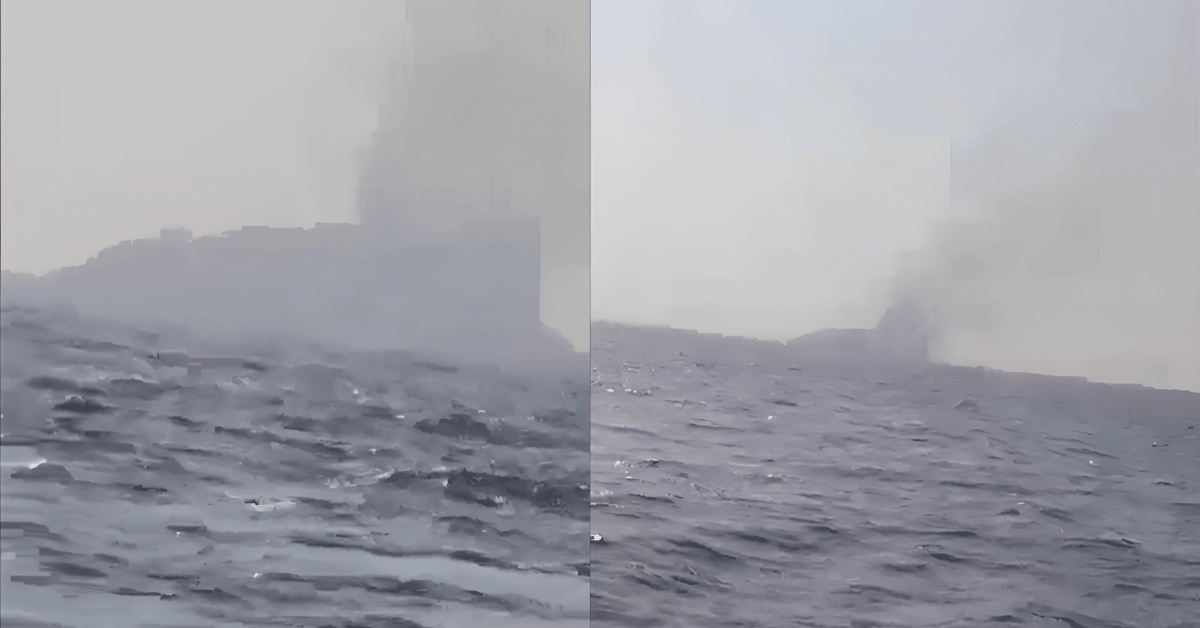
Strait of Hormuz Stability Challenged by Confirmed Strike on Oman's Didamar Island
A confirmed strike on Oman's Didamar Island at the mouth of the Persian Gulf challenges the stability of the Strait of Hormuz. Iran claims responsibility; Oman reports a loud explosion at the base. This is not an isolated incident. For deeper context on regional oil security, see our related coverage, "Iraq and US Align on Gulf Oil Route Near Omani Waters." Measured observation remains essential as these pressures mount.
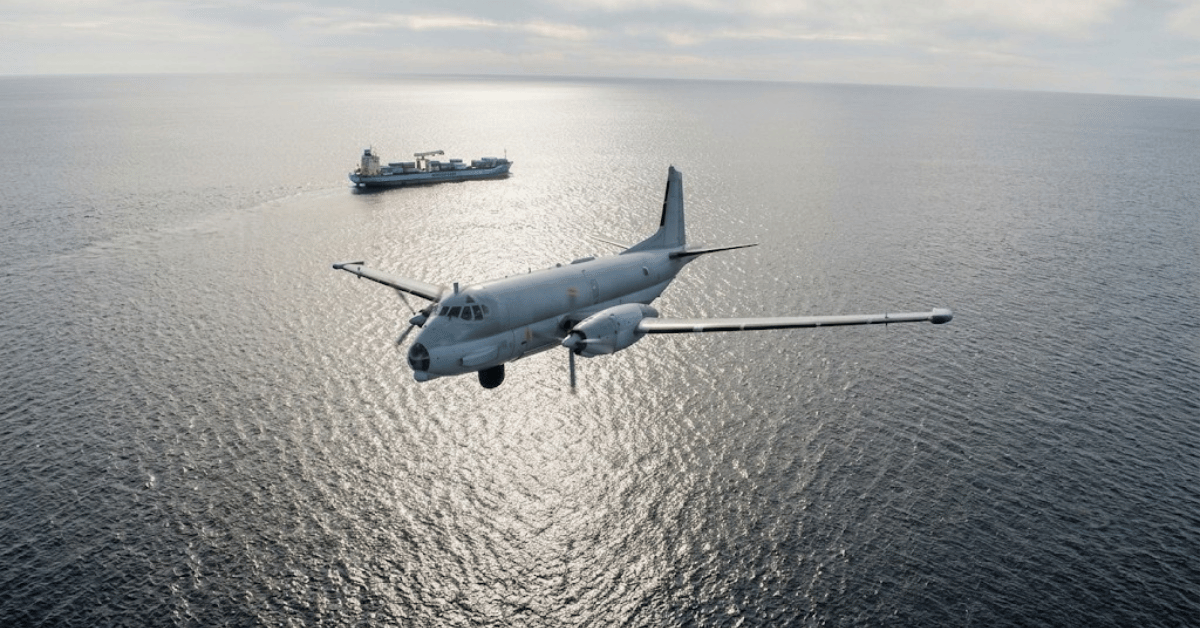
France Extends Black Sea Patrols as Maritime Drones Challenge Detection Capabilities
France extends its Black Sea patrols, yet the Atlantique 2's commander admits the aircraft can detect maritime drones but cannot stop them. This reveals a critical gap in naval defense, surveillance without interdiction is incomplete. The *Drifting Tanker With 11,000 Tonnes of Sunflower Oil Prompts Measured Response* incident underscores the region's volatility. Measured capability must now match measured awareness. Detection alone is not enough; actionable response defines true ocean intelligence.
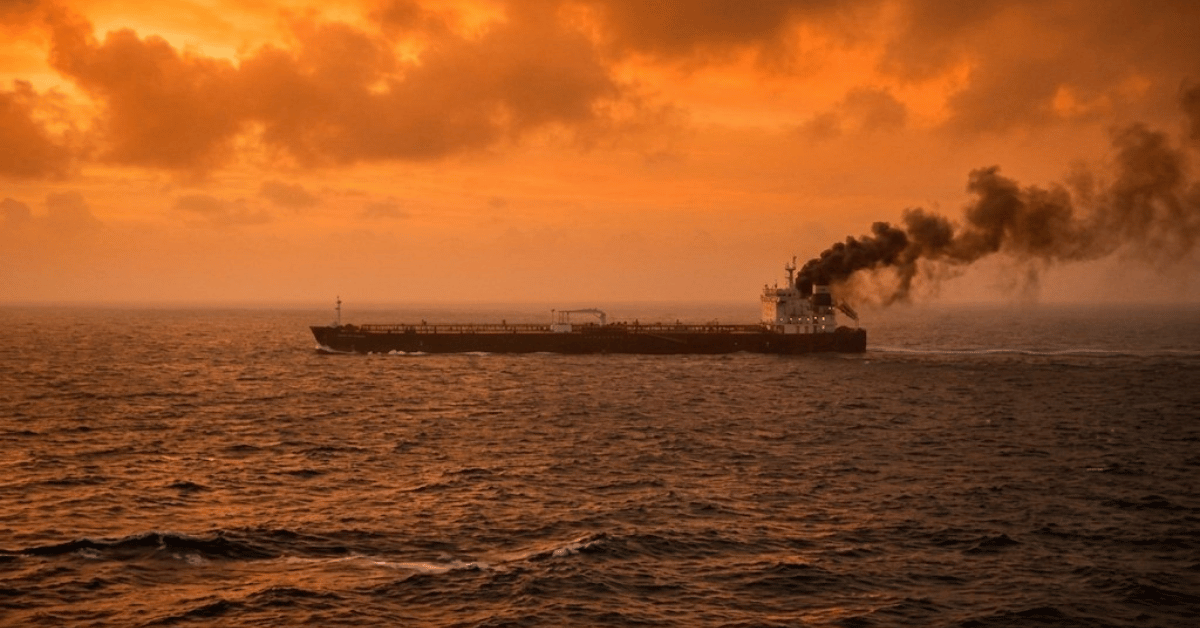
Unidentified Projectiles Strike Tanker Off Qatar, Crew Status Unconfirmed
Two projectiles struck a tanker off Qatar on Wednesday night, extending the region's pattern of maritime aggression. Crew status remains unconfirmed, and the incident adds another data point to a worrying trend: commercial shipping is increasingly in the crosshairs. The attack follows our reporting on France extending Black Sea patrols as drone threats evolve. Each strike tests the resilience of navigation protocols, yet the response remains measured. Understanding these incidents is the first step toward protecting the vessels and crews that keep global trade moving.
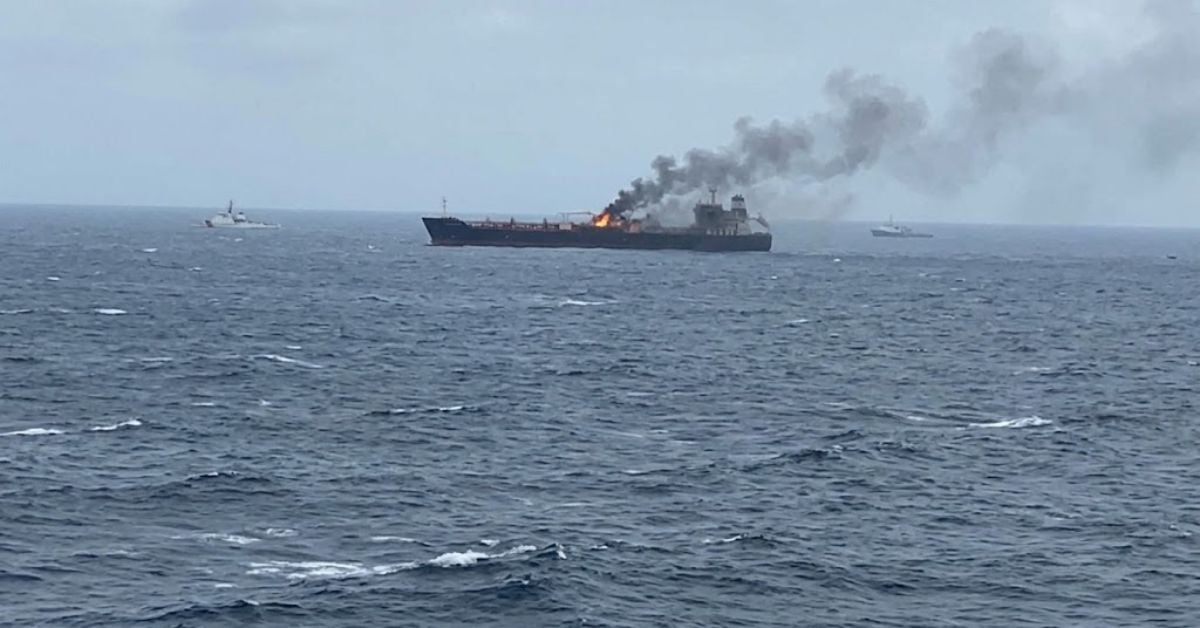
Black Sea Tanker Fire Prompts Investigation After Romanian Drone Reports
A chemical tanker anchored off Romania's coast is now the subject of an investigation after a fire broke out aboard the Yara J, 8-10 nautical miles southeast of the Sulina Canal. The Black Sea remains a theater of compounding threats, where environmental risk from aging vessels meets geopolitical instability. For readers tracking these converging maritime crises, our coverage of the *Three-drone strike sinks Maltese-flagged vessel near Bulgarian coast* documents an equally sobering intersection of commerce and conflict.
Tanker Diverts Amid Iranian Warship Warning in Strait of Hormuz
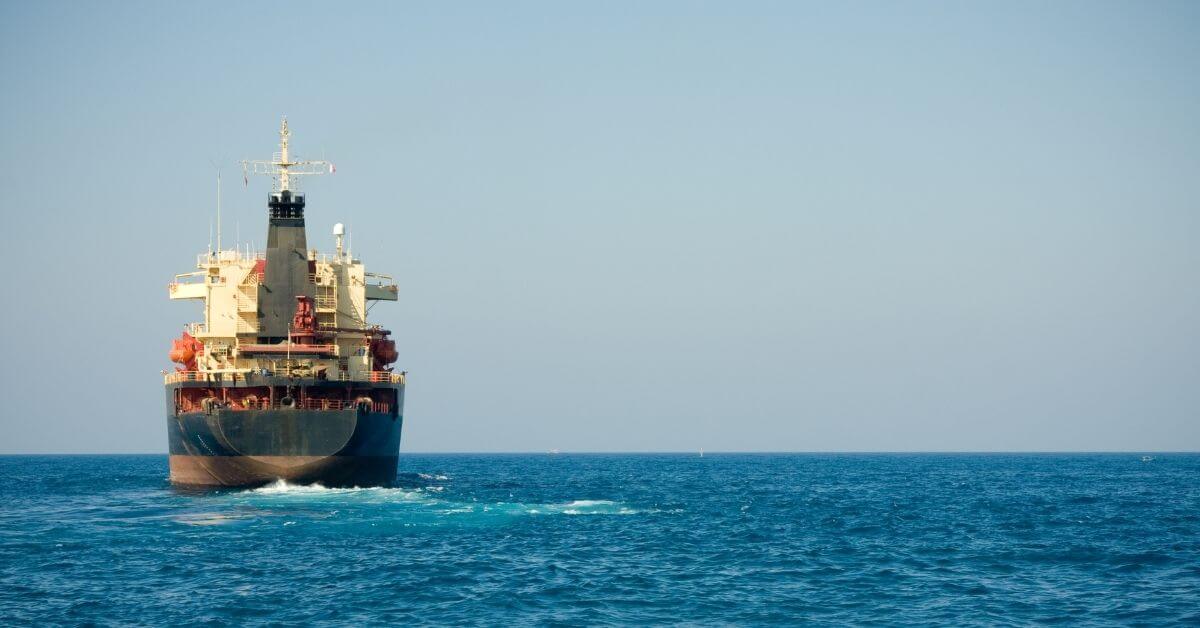
The HAANA's diversion in the Strait of Hormuz, after a large Iranian warship issued a warning, underscores how fragile this waterway has become. The vessel's pivot to the southern "Oman corridor" is a measured response to a volatile moment, yet it speaks to a broader tension that shippers cannot ignore. We see this as a reminder that maritime routes demand constant recalibration.
Maritime Traffic and Revenue Sharing Agreement Reached Between Iran and Oman.
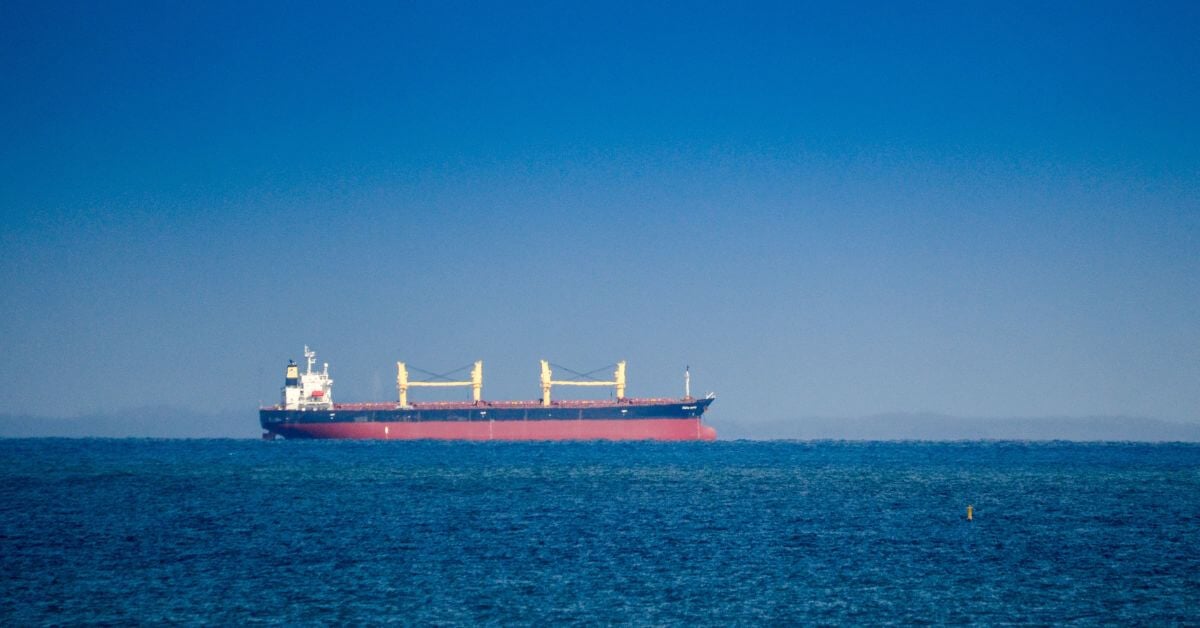
Iran and Oman have reached a maritime traffic and revenue sharing agreement, a practical step toward regional coordination. Yet commercial shipping continues to face genuine risk in these waters, even as direct US-Iran hostilities have cooled in recent weeks. We view this pact as a measured, useful move, but not a cure-all. For context on the broader pressures, our related piece on Gulf of Oman STS transfers maxing out shows how strained regional logistics have become. Understanding drives protection.

Naval Operations Validate Strait of Hormuz Shipping Lane Clearance
The Traffic Separation Scheme in the Strait of Hormuz has been validated as clear, a tangible result of naval mine-clearance operations that underscores the value of methodical, measured action. This is not about grand gestures; it is about ensuring a critical artery for global energy remains open and dependable. The work aligns with the broader push toward maritime stability, and our recent coverage of Gulf of Oman STS transfers maxing out reinforces how vital these lanes are.

Drone Incident Near Black Sea Gas Platform Triggers Romanian Response
The Romanian Coast Guard detected an unidentified drone in the country's exclusive economic zone near the Neptun Alpha gas platform, prompting a swift response. The incident underscores the fragility of critical maritime infrastructure in the Black Sea. We track these developments because they carry implications for regional security and economic stability. For broader context on the pressure facing the region, our related coverage in "Strikes Target Ports and Vessels in Confirmed Military Action" offers a fuller picture.

Geopolitical Tensions Mount: Strait of Hormuz Control Disputed.
The Strait of Hormuz remains a flashpoint, with Iran holding the waterway's reopening hostage to unmet US demands. This is not posturing; it is a calculated standoff with global energy implications. The pressure is measurable, and the stakes are empirical. For deeper context on how such tensions shape regional flows, our piece on "Gulf of Oman STS Transfers Max Out Amid Rising Saudi Oil Exports" offers a related view. The channel's status is not a given; it is a condition under negotiation.