marine
68 stories filed under marine on World Data Ocean. The newest of them: “Hydrogen Engine Marks Major Step Toward Decarbonizing Ocean Shipping”, “Electrification and Innovation Redefine Ocean Sailing with Hypersail Yacht”, and “Coast Guard Intercepts Suspected Oil Smuggling Vessel Near Mumbai.”. Japan Engine has completed the world's first hydrogen-fuelled engine for large commercial vessels, achieving over 95% GHG reductions during factory testing. ABB's electrification expertise now powers Ferrari Hypersail's bold pursuit of offshore records, pairing validated marine technology with the drive to redefine what sailing can achieve. A Global Hub for Ocean Intelligence 4 World Data Ocean is a centralized digital platform where researchers, scientists, and ocean enthusiasts converge to… The list below is every marine story on World Data Ocean, newest first.
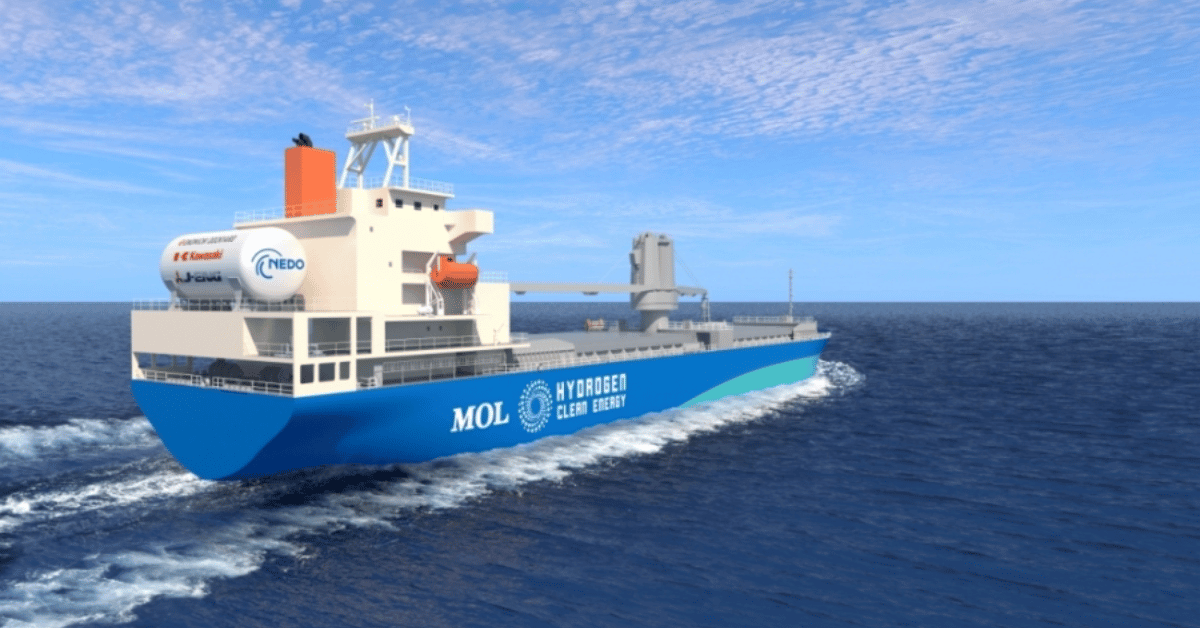
Hydrogen Engine Marks Major Step Toward Decarbonizing Ocean Shipping
Japan Engine has completed the world's first hydrogen-fuelled engine for large commercial vessels, achieving over 95% GHG reductions during factory testing. This is the kind of measurable progress that moves ocean shipping closer to real decarbonization. The technology is validated, and the implications are direct. For more on how marine environments are drawing attention, our piece on the unidentified structure in Port Phillip Bay offers a different kind of maritime intrigue.
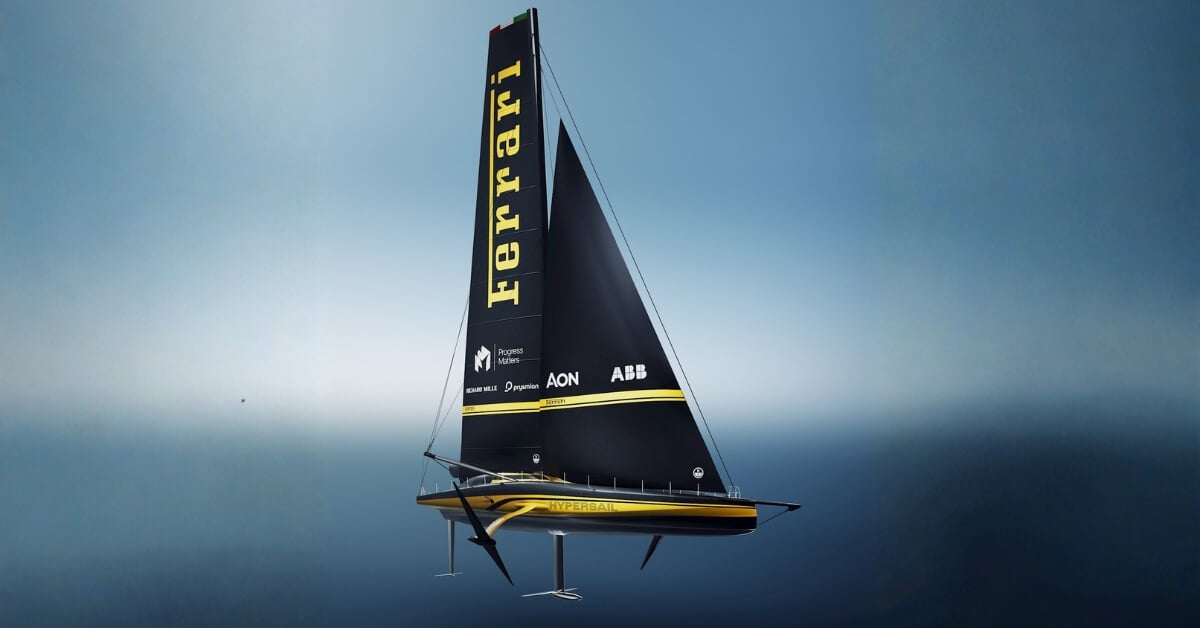
Electrification and Innovation Redefine Ocean Sailing with Hypersail Yacht
ABB's electrification expertise now powers Ferrari Hypersail's bold pursuit of offshore records, pairing validated marine technology with the drive to redefine what sailing can achieve. This partnership signals a measured step forward, where performance and sustainability share the same keel. We see it as a practical response to a pressing need: cleaner propulsion without compromise.
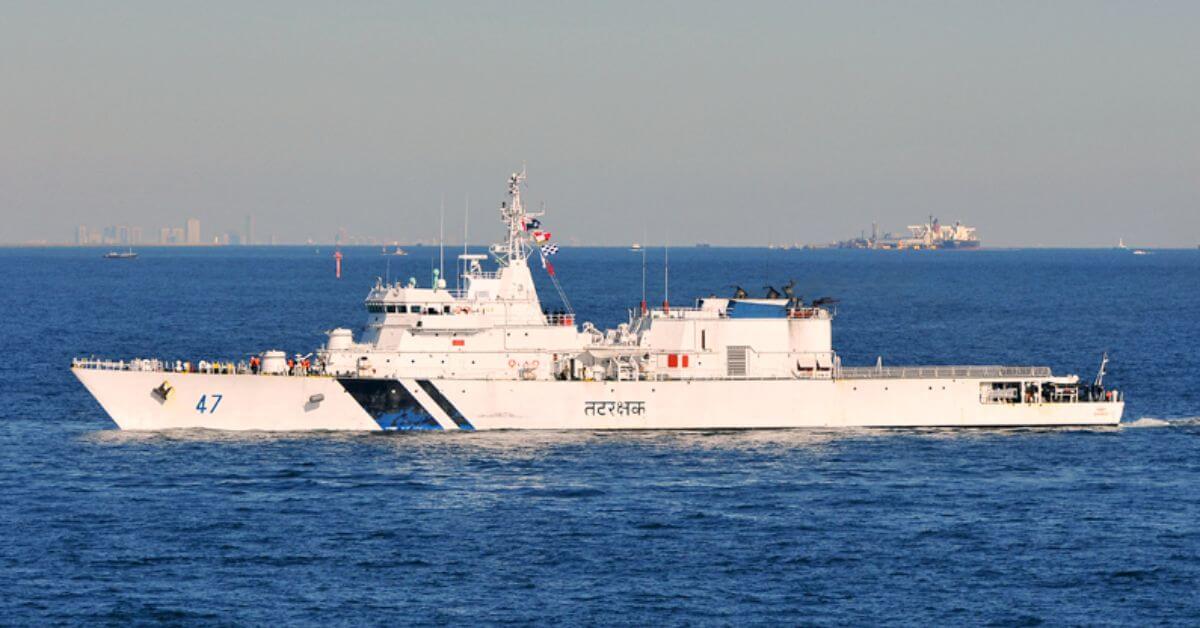
Coast Guard Intercepts Suspected Oil Smuggling Vessel Near Mumbai.
At 2:10 p.m. on September 10, the Coast Guard acted on intelligence of unauthorized activity near an offshore oil rig off Mumbai, intercepting a suspected oil smuggling vessel. This interdiction underscores the persistent challenge of maritime crime and the need for constant vigilance. Protecting ocean resources requires more than data; it demands decisive, real-world enforcement. For broader context on maritime security operations, see our coverage of "Maritime Interdictions Yield 25,000 Pounds of Cocaine, Supporting Ocean Security."

Ocean Ecosystems Face Extreme Stress: A Call for Global Action.
The ocean's living systems are under measurable, intensifying stress. This is not a distant forecast, it is an empirical reality demanding coordinated global response. Our new analysis documents the accelerating pressures on marine ecosystems, from warming waters to acidification. We believe the evidence is clear: integrated, real-time ocean intelligence is essential for informed action. For deeper context on how these forces reshape coastlines, see our related study on storm surge costs in coastal China. Understanding drives protection.
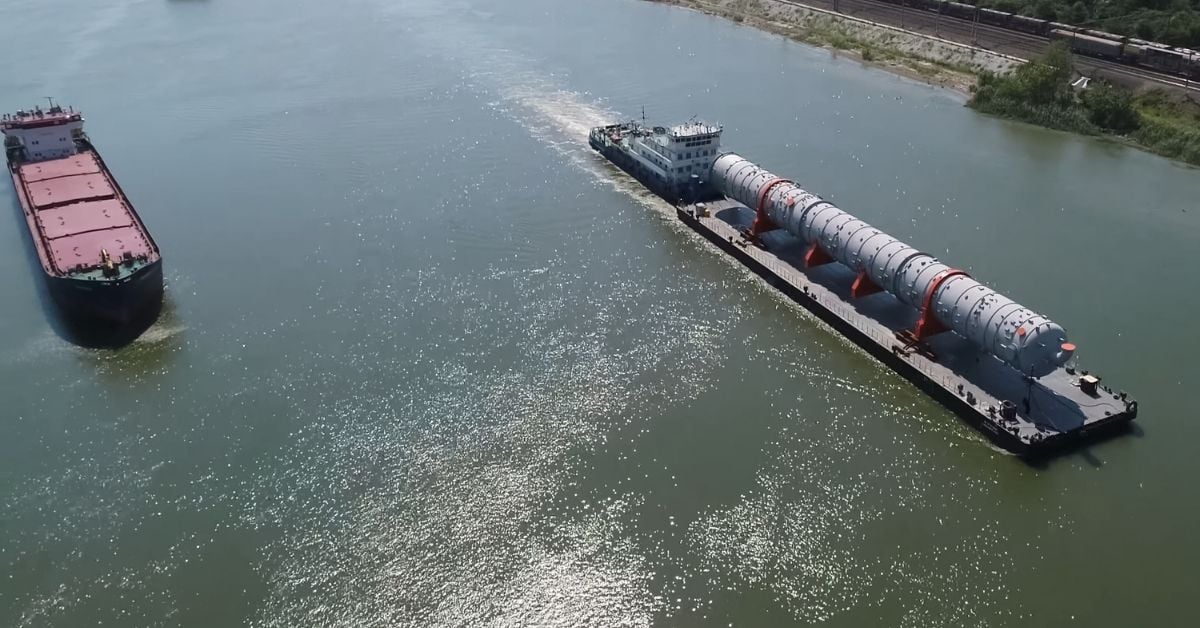
Understanding Barges: Essential Vessels for Inland Waterways and Cargo Transport
A barge is the simplest floating vessel, yet its role in moving cargo across rivers, canals, and shallow waterways is anything but trivial. Barges offer a clear, empirical look at how these unassuming vessels keep inland trade flowing. Understanding their design and function is measurable progress in grasping global logistics. For a contrasting view of large-scale maritime ambition, see our coverage of the Vostok Project's Arctic oil exports.
Ocean Stewardship: Validated Data for a Sustainable Future.
The ocean holds more data than we have yet learned to trust. Ocean Stewardship: Validated Data for a Sustainable Future centers on that gap, turning raw observation into peer-reviewed action. We are not asking for blind faith in technology; we are asking for calibrated, measurable responses to climate indicators. This is how we save oceans, not through alarm, but through integrated data ecosystems that guide policy and practice.
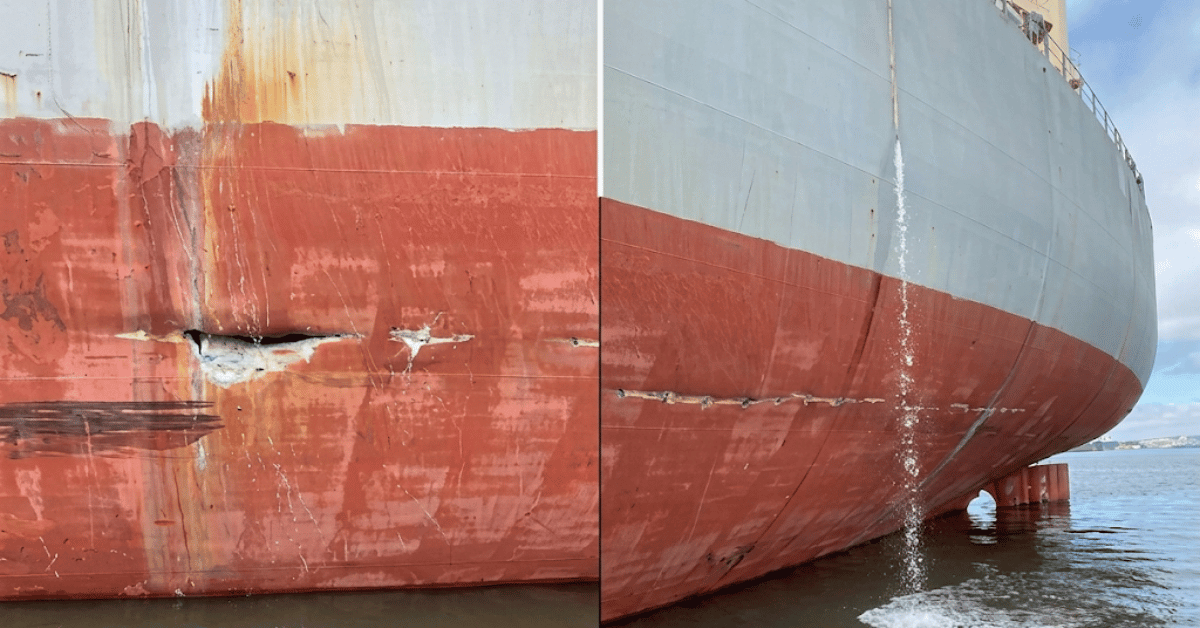
Navigation Error: Tug Misidentification Leads to Pier Collision.
A tug-name mix-up is a small error with outsized consequences. During a night-time departure, the misidentification led a tanker straight into the pier, a collision that was entirely avoidable. It is a sharp reminder that precision in communication is not a luxury but a necessity in maritime operations. This incident joins a growing list of navigation challenges we have covered, including the cargo ship fire near Mykonos, showing that vigilance remains the industry's most critical instrument.
Southeast Florida Waters Yield Unexpected Fish Species Observations.
Routine surveys off Southeast Florida were expected to confirm known species, yet these waters delivered observations that defy existing distribution models. The findings suggest our understanding of regional marine life remains incomplete, and that is precisely why sustained monitoring matters. Observations like these are not anomalies to dismiss but empirical signals to investigate. They remind us that ocean intelligence grows through calibrated, real-time data collection, not assumption.
Exploring BIO 19: A Guide to UC's Marine Biology Course
Choosing a marine biology course without firsthand insight is a familiar puzzle. BIO 19 at UC stands out as a practical option, yet the lack of shared student experiences makes the decision harder than it should be. That gap in resources is precisely why community knowledge matters. For those weighing similar academic paths, our related article "Expanding Oceanography Career Options: Evaluating International Master's Programs" offers a broader look at where such study can lead.
Ocean Depth Limits: How Far Can Surface Fish Really Swim?
A curious question from *Finding Nemo* touches on a real oceanographic principle: depth stratification. Surface-dwelling species like clownfish and blue tangs are adapted to specific pressure zones, and their swim bladders are calibrated for that environment. The anglerfish's domain, by contrast, demands physiological adaptations that these fish simply lack. It is a practical example of how marine life is partitioned by depth, a concept worth exploring further in our piece on integrated subsea cables, which highlights how we map these very ecosystems.

Unusual Cartilage Discovery on Block Island Sparks Scientific Inquiry
A beachcomber's discovery inside Block Island's Great Salt Pond has turned up something unexpected: an object composed entirely of cartilage. The find, submitted to our community, raises more questions than answers. It is a reminder that even familiar shorelines can yield puzzles worth examining. We are not alarmed; we are intrigued. Such anomalies invite careful observation. For context on how marine environments shift over time, readers may find our piece on Atlantic Circulation Weakens valuable.

Fiji's Tide Pools Teeming with Colorful, Fast-Moving Mantis Shrimp
A mantis shrimp's strike is fast enough to vaporize water, and in Fiji's tide pools, these hunters are putting on a living display of speed and color. Green, black, orange, the variety here is remarkable. Observing them zooming through the shallows is a reminder that ocean intelligence often hides in plain sight. For those tracking marine biology careers, this behavior offers a compelling case study. We've covered how such ecosystems connect globally in "Integrated Subsea Cables Enhance Data Transmission Across the Indian Ocean."
Charting a Course: Combining Oceanography Studies for Career Options
Choosing between marine biology and geography is a decision about data as much as passion. A double major in oceanography and geography builds the spatial-analysis skills that hydrographic surveyors rely on daily, and that path offers a clearer return on investment than a marine biology pairing. The job market rewards calibrated, measurable skills. Geography grounds your degree in practical, integrated data ecosystems, while marine biology often requires advanced study for similar stability. For a stable career, geography is the pragmatic choice.

Identifying Tropical Sea Stars: A Guide for Aquariums and Beyond
Identifying tropical sea stars by sight alone is a familiar frustration, and the gap between "easy" Chocolate Chips and a generic "Cushion" label is wider than most guides admit. You are right to question the Caribbean assumption; many Indo-Pacific species masquerade under that common name. Validated identification requires looking past color to plate arrangement and pore patterns. For a broader maritime context, our piece on China's new nuclear carrier shows how ocean intelligence extends beyond biology into strategic operations.

Mapping the Ocean Floor: Geospatial Innovation Drives Global Discovery
The ocean floor remains Earth's least mapped frontier, yet geospatial innovation is closing that gap with measurable precision. This piece from Geography Realm examines how integrated data ecosystems and calibrated technologies are accelerating the effort to complete a global seafloor map. It is a practical, empirical look at a monumental task. For readers tracking maritime infrastructure's role in this work, our coverage of Van Oord's new fallpipe vessels, "Vindnes and Vestnes," offers a fitting complement.
Ocean Intelligence: Measuring Change in the Underwater World.
The ocean's most consequential changes often occur beyond the reach of sunlight, yet measuring them demands precision that matches the depths. NOAA's National Centers for Environmental Information anchors this effort, turning raw underwater data into validated, climate-ready intelligence. That rigor matters; without it, we are guessing at the pulse of a system that regulates everything. For those tracking how marine infrastructure evolves alongside such monitoring, our piece on Van Oord's new fallpipe vessels, *Vindnes* and *Vestnes*, offers a fitting glimpse of industrial adaptation.
Atlantic Current Weakening: Empirical Data Reveals Accelerated Change.
The Atlantic Meridional Overturning Circulation is losing its grip, and the empirical record is unambiguous. New studies confirm this vital current system is weakening faster than projected, edging closer to a threshold that would redraw global climate patterns. This is not speculation; it is calibrated, peer-reviewed observation. We treat the data with the gravity it demands, because the measured shift is a direct signal of our collective impact.
Beyond Area: Measuring True Progress in Ocean Protection.
The percentage of ocean area that is protected tells us less than we hope. Beyond Area: Measuring True Progress in Ocean Protection argues that the real metric is ecological health, not just square mileage. It is a sharp, necessary push for accountability. We agree: validated, peer-reviewed data must replace headline-grabbing designations. Understanding drives protection, but only if we measure what actually thrives. For broader context on how we track ocean systems, see our piece on Arctic Sea Ice Melt Season Stabilizes After Decades of Expansion.

Diesel Spill Threatens Zambales Coastline Following Tug Sinking
A diesel spill now threatens the Zambales coastline after the tug SL Sual 1 sank while under tow from its grounding site off Botolan. The incident underscores how even routine salvage operations carry measurable environmental risk. Response efforts must prioritize rapid containment, as coastal ecosystems here remain vulnerable to long-term contamination. For context on how such groundings unfold elsewhere, our report on the bulk carrier freed near Gladstone offers a relevant comparison.
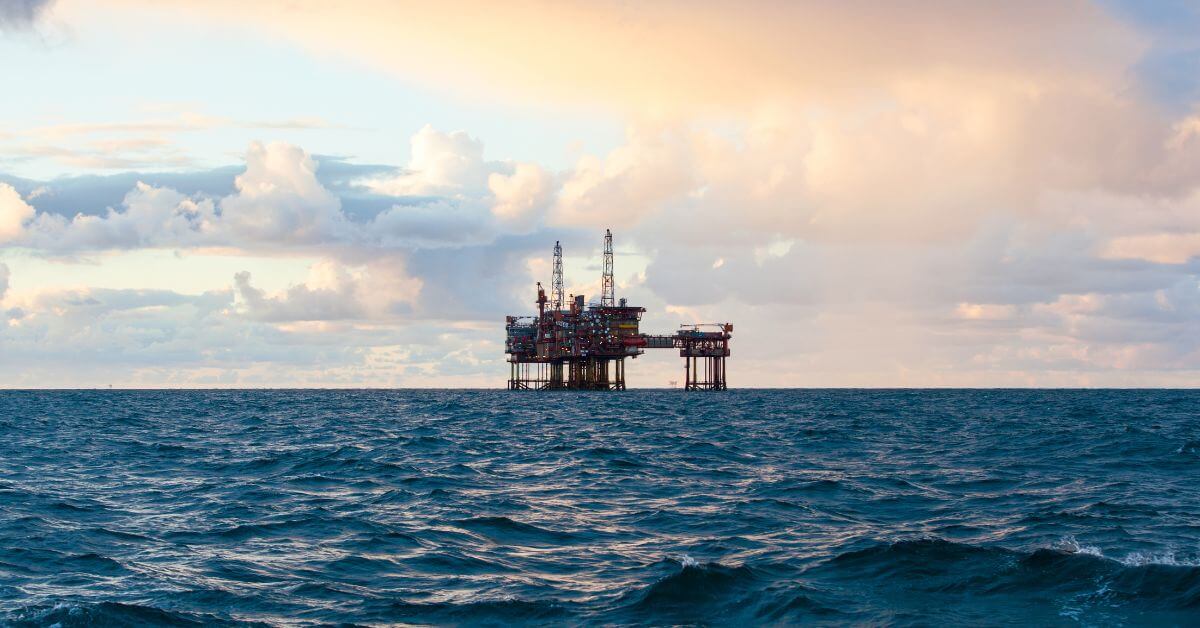
Drone Incident Near Black Sea Gas Platform Triggers Romanian Response
The Romanian Coast Guard detected an unidentified drone in the country's exclusive economic zone near the Neptun Alpha gas platform, prompting a swift response. The incident underscores the fragility of critical maritime infrastructure in the Black Sea. We track these developments because they carry implications for regional security and economic stability. For broader context on the pressure facing the region, our related coverage in "Strikes Target Ports and Vessels in Confirmed Military Action" offers a fuller picture.
Exploring the Mariana Trench: A Hypothetical Descent and Timeline
The Mariana Trench descent is a study in patience as much as depth. A hypothetical plunge from the surface to the Challenger Deep would take roughly two and a half hours, assuming a steady drop. That timeline matters because it frames the real challenge: not just reaching the bottom, but doing so with instruments calibrated to survive the pressure. We find this a useful thought experiment for testing our integrated data ecosystems.

Shipyard Fire and Explosion in Fujian Highlights Maritime Risks.
A shipyard fire and explosion in Fujian, a critical hub for shipbuilding and repair, has thrust maritime safety back into focus. The province's position across the Taiwan Strait from democratically governed Taiwan adds geopolitical weight to an already urgent incident. This is not a distant anomaly; it is a reminder that industrial ambition must be matched by rigorous, validated safety protocols. We cannot afford to learn these lessons slowly.

Eleuthera's Depths: Fieldwork Imagery from the Bahamas
Fieldwork imagery from Eleuthera's depths brings the Bahamas into sharper focus. The Olympus Tough TG-6 captures what survey work often misses: the quiet structure of reef systems and the play of light through clear water. These pictures remind us that visual documentation is its own form of measurement, complementing the data streams we rely on elsewhere. For readers tracking how coastal observations connect to broader ocean intelligence, our related piece on integrated subsea cables offers a wider lens on marine infrastructure.

Hidden Worlds: Discover the Microscopic Life of Ocean Plankton
A single drop of seawater holds a universe in motion, and this reel captures that hidden vibrancy with genuine curiosity. The original poster's enthusiasm for the aquarium's plankton microscope is contagious, and their call to identify the swirling zooplankton turns observation into a shared puzzle. It is a simple, honest invitation to look closer. For those inspired to explore how such microscopic life connects to broader systems, our related article on integrated subsea cables offers a glimpse into the vast network above these tiny creatures.