marine
68 stories filed under marine on World Data Ocean. The newest of them: “An Istrian Crab's Curious Behavior: Foraging or Surface Tension Play?”, “Croatia Shell Mystery: Identifying a Coastal Find and Its Potential.”, and “Measuring Ocean Health: Introducing Integrated Ocean Accounts.”. A crab on the Istrian shore held a stick for up to ten minutes, seemingly testing the water's surface tension. A shell found in Croatia raises a familiar question: is it a common edible species or something rarer? A Global Hub for Ocean Intelligence 4 World Data Ocean is a centralized digital platform where researchers, scientists, and ocean enthusiasts converge to… The list below is every marine story on World Data Ocean, newest first.

An Istrian Crab's Curious Behavior: Foraging or Surface Tension Play?
A crab on the Istrian shore held a stick for up to ten minutes, seemingly testing the water's surface tension. The behavior is curious, and the observer's instinct to question it is exactly the right scientific impulse. Whether this is foraging, camouflage, or something else entirely, we cannot yet say. Such observations, however small, remind us that ocean intelligence often hides in plain sight.

Croatia Shell Mystery: Identifying a Coastal Find and Its Potential.
A shell found in Croatia raises a familiar question: is it a common edible species or something rarer? The request is straightforward, yet the answer requires careful observation. We appreciate this kind of curiosity because identifying a coastal find is the first step toward understanding its role in the ecosystem.

Measuring Ocean Health: Introducing Integrated Ocean Accounts.
Ocean accounts turn scattered marine data into a single, coherent ledger. They track what the ocean provides, how we use it, and what we put back, giving policymakers a practical way to weigh economic gains against ecological health. This framework makes trade-offs visible and decisions more defensible. It is a measurable step toward stewardship, not a slogan.

Shanghai Port Sets New Record: Over 200,000 Containers Moved Daily
Shanghai's port has cleared a new threshold: more than 200,000 TEUs moved in a single day for the first time, just three weeks after Typhoon Bavi forced a full shutdown. That rebound is not luck; it is calibrated logistics under pressure. The pace reflects a port system built for resilience, even as trade uncertainty persists. For context on how such activity fits broader maritime trends, our related coverage on record Chinese exports offers useful grounding. Measured, yes, but this is what operational recovery looks like.
Ocean Intelligence: Eleven Data Innovations Transforming Our Understanding.
The ocean remains the most observed yet least understood system on Earth, and the World Economic Forum's Ocean Intelligence: Eleven Data Innovations Transforming Our Understanding confronts this paradox head-on. Eleven empirical tools, from integrated data ecosystems to real-time climate indicators, replace speculation with validated insight. It is a measured, peer-reviewed approach to stewardship, and it pairs well with our coverage of how integrated subsea cables now carry 99% of global data beneath the waves.

Arctic Icebreaker Fleet: Examining Costs, Scope, and USCG Needs
The U.S. Coast Guard's plan to build 11 polar icebreakers marks a significant expansion from its earlier stated requirement of just four or five vessels. This gap between ambition and operational need raises questions about scope, cost, and strategic priorities. While the larger fleet signals a serious commitment to Arctic presence, the justification must remain grounded in validated, measurable requirements. For broader context on global icebreaker investments, our related coverage of Russia's Northern Sea Route fleet offers a useful comparison.
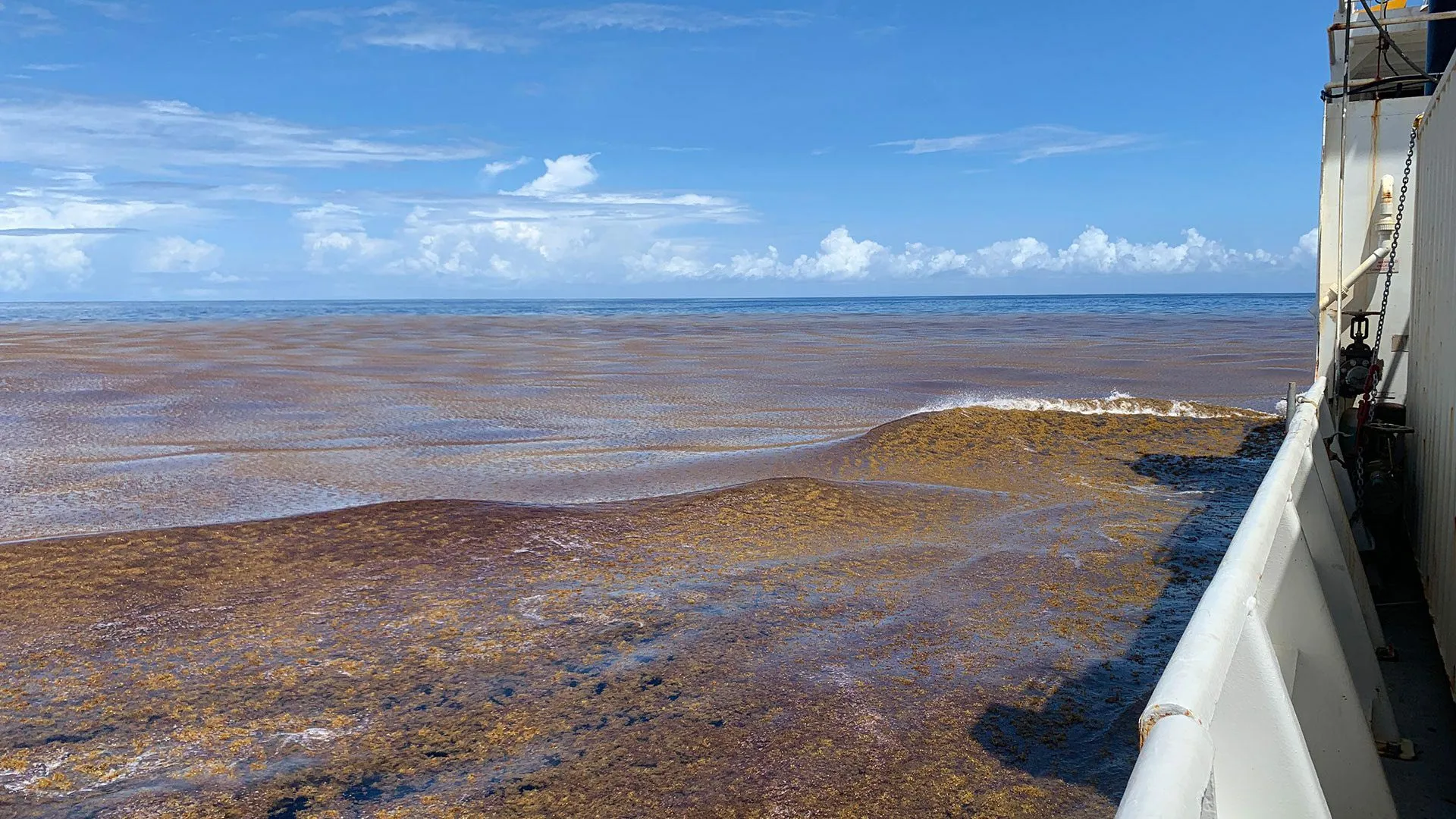
Ocean Algae Blooms Expand Globally, Revealed by AI Analysis
The ocean is changing in ways we can now measure. An AI analysis of 1.2 million satellite images reveals that floating algae blooms are expanding across the global ocean, and the implications are significant. These massive seaweed mats can reshape marine habitats, while their decay brings ecological damage and economic losses to coastlines. This is a clear signal that our ocean intelligence must improve. For a deeper understanding of the systems connecting our seas, see our coverage of the Atlantic Circulation Weakens.

Exploring the Cook Islands Depths: A 2026 ROV Expedition.
In 2026, a new ROV expedition will descend into the waters surrounding the Cook Islands, aiming to transform our understanding of a region whose depths remain largely unmeasured. This is not a hunt for spectacle; it is a methodical effort to gather empirical data where none currently exists. The mission's value will be defined by its calibrated instruments and the peer-reviewed findings they produce.

Tanker Fire Near Fredrikstad: Crew Safe, No Pollution Reported.
The crew's safe evacuation anchors this incident, yet the absence of pollution or cargo release is the outcome that matters most. All 15 aboard were accounted for, with no injuries reported, a result that speaks to swift coordination between authorities and the ship's manager. The event underscores how preparedness converts potential crisis into manageable disruption. For broader context on maritime risks, our coverage of the cargo ship fire near Mykonos offers a parallel.
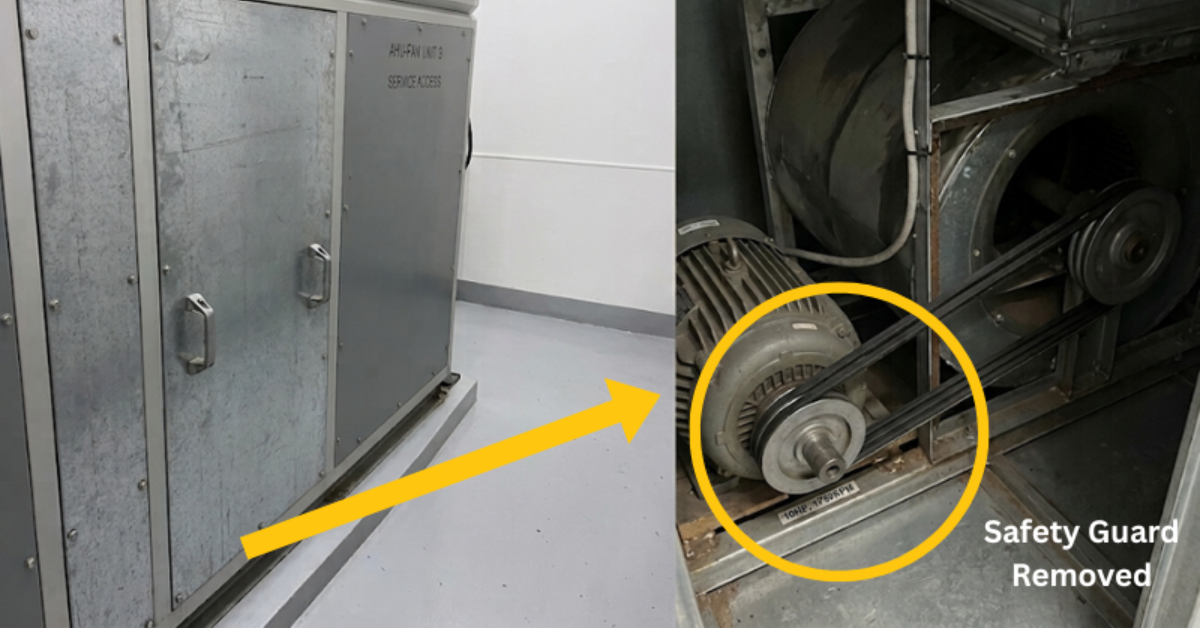
Calibration Error: Incident Highlights Importance of Safety Protocols at Sea
A single misstep in rough seas turned routine maintenance into a serious incident, as an engineer lost balance and contacted a running A/C compressor belt. The injury underscores a plain truth: protocols exist to be followed, not admired. Safety at sea is not theoretical, and this event is a measured reminder that operational discipline is the difference between a close call and a casualty.

Ferry and Cargo Ship Collision Occurs at Souda Port, Crete.
A ferry and cargo ship collided at Souda Port, Crete, with the Elyros carrying 100 passengers, 32 cars, and 74 trucks when it struck the Iosif K., itself loaded with 84 trucks. No casualties have been reported, but the incident underscores how congested Mediterranean shipping lanes have become. Port authorities will need to examine what separated these two vessels.
Exploring the Cook Islands Depths: A 2026 ROV Mission.
In early 2026, an ROV mission will descend into the waters surrounding the Cook Islands, where the seafloor remains largely uncharted. This is the kind of methodical, empirical work that turns raw data into ocean intelligence. By capturing validated, real-time imagery from the depths, the mission strengthens the integrated data ecosystem that researchers and policymakers rely on. For those tracking how these efforts connect, our piece on NOAA's calibrated ocean intelligence offers useful context. Understanding drives protection, and this expedition brings us closer to both.
Record Sea Surface Temperatures Highlight Urgent Climate Indicators.
The ocean is running a fever, and the latest readings from Copernicus Marine and Copernicus Climate Change confirm it: daily global sea surface temperatures have shattered records for this time of year. These aren't just numbers; they are empirical, climate indicators we can no longer ignore. The data is clear, so we must turn this measurable urgency into action.

Unidentified Fish Found in Massachusetts Intertidal Zone Sparks Curiosity
A palm-sized fish in the Massachusetts intertidal zone has sparked a familiar kind of curiosity. The observer, more at home with algae and shorebirds, noted the specimen's odd look for a flounder, and they're right to pause. Such sightings remind us that even well-trodden shorelines hold gaps in our data. Identifying this individual matters less than the question it raises. For those tracking similar puzzles, our piece on an unexpected chiton discovery in Puerto Rico shows how a single observation can challenge distribution models.
Simple Solutions, Deep Insights: BrainCoral Advances Marine Science
The most persistent obstacle in marine science isn't the deep, it's the disconnect between data points. BrainCoral, developed during work at Coral Vita, tackles this by stripping complexity back to its core. The team understands that real insight emerges only when a simple solution holds steady across observations. It is a practical reminder that environmental clarity is built, not stumbled upon. For those tracking how we close observation gaps, the approach pairs well with our related coverage on integrating citizen science for ocean intelligence.
Mediterranean Mystery: Citizen Science Seeks Identification of Unusual Sea Creature
A single unusual sighting in the Mediterranean has turned into a collaborative puzzle, with citizen scientists now tasked to help identify the creature. The submission from /u/PothosandGindontmix highlights how a curious observation can quickly become a question for the broader community. We appreciate the value of such grassroots contributions, as they often provide the first hints of larger patterns.

Unidentified Marine Specimen Washes Ashore in Maceió, Brazil
A single unidentified specimen has appeared on Cruz das Almas Beach in Maceió, Brazil, prompting curiosity from a local resident who found it and noted a faint fishy smell, likely from its time in the sand. While such strandings often involve known species, this one resists easy classification from the description alone. It is a reminder that our ocean intelligence still has gaps. For context on how we track marine life across vast distances, see our related coverage on integrated subsea cables enhancing data transmission.
Charting a Course: Advice for New Marine Physics Professionals
A fresh Marine Physics graduate asking for career advice is already demonstrating the kind of empirical curiosity the field rewards. The question is not just about which software to learn, but how to build a career with measurable impact. For those starting out, focus on mastering integrated data ecosystems and calibrated ocean intelligence tools, as these are the backbone of modern research. If you are exploring advanced pathways, our related article on international Master's programs offers valuable context.

Tiny Puget Sound Brittle Star: An Unexpected Anatomical Feature.
A tiny brittle star, smaller than a lentil and pulled from 25 feet of water in Puget Sound, presents a question we find genuinely compelling: does it have an opening all the way through? The specimen's identity remains unknown, yet its potential anatomy is a reminder that even the smallest marine life can challenge our assumptions. Observations like this one echo the unexpected finds we explore in "Unexpected Chiton Discovery in Puerto Rico Challenges Species Distribution Models," reinforcing that patient observation fuels ocean intelligence.