marine science
167 stories filed under marine science on World Data Ocean. The newest of them: “Autonomous drone navigation validates precision landing without GPS or radar”, “Pathways to Ocean Science: Untold Stories of Unconventional Beginnings”, and “Aligning Blue Finance Governance for China-ASEAN Ocean Climate Action”. Precision landing without GPS or radar is no longer theoretical. The most consistent request after our last post was career advice, so let's start with the real pathways. A Global Hub for Ocean Intelligence 4 World Data Ocean is a centralized digital platform where researchers, scientists, and ocean enthusiasts converge to… The list below is every marine science story on World Data Ocean, newest first.
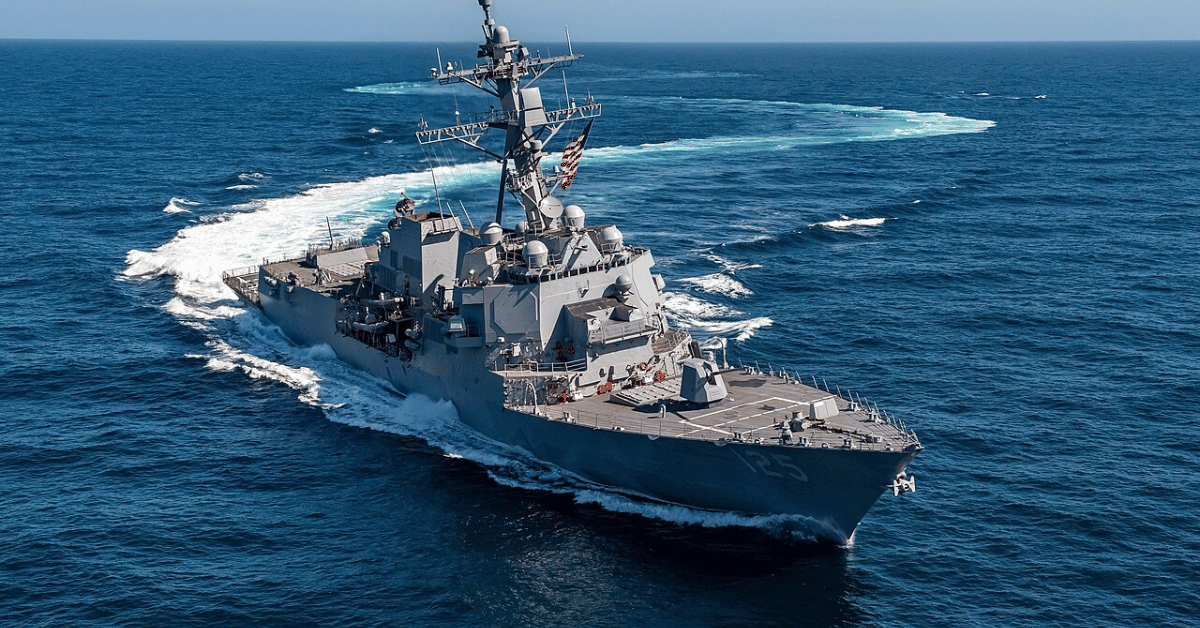
Autonomous drone navigation validates precision landing without GPS or radar
Precision landing without GPS or radar is no longer theoretical. The US Navy has validated autonomous drone navigation that uses onboard cameras and advanced software to land on moving ships. This is calibrated, real-time ocean intelligence in action. For context on why such precision matters in contested waters, read our coverage of the recent Strait of Hormuz posture analysis. Understanding drives protection, and this capability strengthens maritime security without relying on vulnerable satellite signals.
Pathways to Ocean Science: Untold Stories of Unconventional Beginnings
The most consistent request after our last post was career advice, so let's start with the real pathways. Not the polished CV. The unconventional beginnings, the random conference conversations that turned into jobs, the skills from completely different fields that became superpowers in the lab. We want the weirder stories. Understanding drives protection, and that understanding often starts far from a traditional marine science degree. For deeper context on ocean intelligence infrastructure, see our piece on a 10,000-ton survey ship extending capabilities to 5,000-meter depths.

Aligning Blue Finance Governance for China-ASEAN Ocean Climate Action
Blue finance must be understood as a governance mechanism, not merely a funding stream. This study builds a multi-agent framework to address the primary constraint on China-ASEAN cooperation: the lack of operational coordination among taxonomies, data systems, and verification protocols. Capital is not the bottleneck. Governance is. For deeper context on measurable ocean intelligence, see our related coverage on calibrating port resilience against cyclone-driven economic loss.
Bridging the gaps in marine science through community-driven discovery
Bridging gaps in marine science requires more than isolated research, it demands a community that connects empirical discovery with real-world application. What brought you here? Whether you're drawn to peer-reviewed studies, field operations, or policy discussions, the question is what we can build together that existing forums don't offer. Drop a comment. Our piece on "Pathways to Ocean Science: Untold Stories of Unconventional Beginnings" explores one consistent request: career pathways. That's a start, but the ocean intelligence ecosystem needs more.
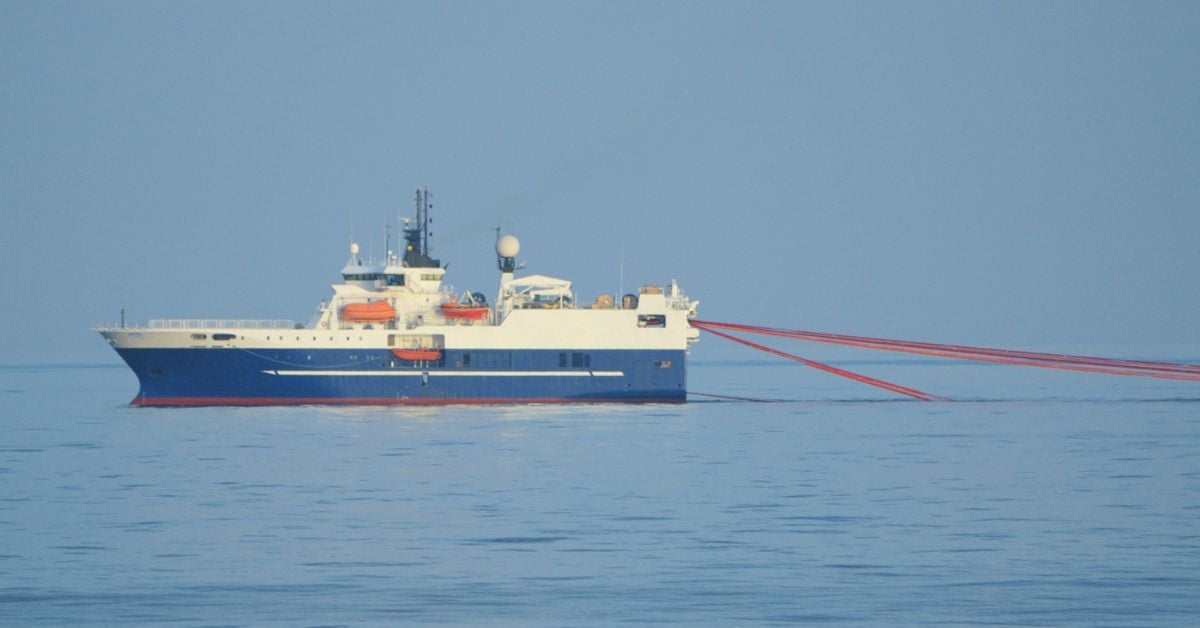
A 10,000-ton survey ship extends ocean intelligence to 5,000-meter depths
A 10,000-ton survey ship with a 5,000-meter drilling tool represents a new chapter in ocean intelligence. Chinese engineers have designed this 11,023-ton vessel to extend our empirical reach into the deep. It is a calibrated, measurable step toward understanding the abyss. For context on how we validate marine life as a climate indicator, see our related coverage of "Validating Northern Krill as a Calibrated Source of Ocean Protein."
A validated method for reinforcing Arctic sea ice with macroalgae-based rebar
Combining active Arctic sea-ice pumping with a pre-rinsed, desalted macroalgae gel matrix to 3D-print high-tensile, multi-layered "rebar" ice is a compelling open-source proposal from Stuart Peacock. This validated method targets the brittleness that plagues conventional pumped ice, using seaweed's alginic acid and cellulose to absorb bending stress from ocean swells. The laminated composite resists flexural forces and summer melt. For those exploring materials science or polar engineering, our related piece "Where Artifacts Anchor Life: Maritime Archaeology Meets Reef Ecology" offers another perspective on ocean systems.
Charting a Career in Ocean Science Beyond Academia and Research
Ocean science careers extend far beyond the lab or lecture hall, and that is a fact worth validating. A BSc opens doors to roles in environmental consulting, policy analysis, and the private sector, fields where empirical data on climate indicators drives real-world decisions. Skills in data calibration, integrated monitoring, and peer-reviewed analysis are measurable assets. For deeper context on how climate data informs global action, see our piece on China's electric vehicle acceleration for measurable climate indicators.
Where Artifacts Anchor Life: Maritime Archaeology Meets Reef Ecology
Where Artifacts Anchor Life asks a question many of us in the sciences have faced: whether to deepen expertise or broaden foundations. A maritime archaeology program with oceanography and marine biology electives is a validated, integrated path, not a detour. You already have empirical research experience and peer-reviewed work. That foundation is measurable. Adding targeted coursework in reef ecology will likely qualify you for further graduate study without starting over.
Online ocean science degrees with real-world labs at Bermuda Institute
A fully funded bachelor's in ocean futures, coastal and marine science through ASU Online and Starbucks' SCAP program, is not a money grab. It is a validated, measurable path to real expertise. The Bermuda Institute of Ocean Science internship offers integrated, hands-on lab experience, and the degree itself carries no "online" label. From orbit to ocean floor, this is how we build ocean intelligence.
A Shared Data Ecosystem to Deepen Global Ocean Understanding
Understanding drives protection. On World Oceans Day, a new e-book makes the case for a shared data ecosystem, one that unites researchers, government agencies, students, and technology around a single goal: deeper ocean intelligence. This is not about isolated studies; it is about an integrated data ecosystem where calibrated, real-time observations become climate indicators we can act on. For those tracking the human and environmental pressures reshaping marine science, this collaborative framework is a practical step forward.
Validating the global ocean mixed layer with a profile-based climatology
A new study in AGU Publications validates the global ocean mixed layer using a profile-based climatology, offering empirical rigor to a critical climate indicator. Understanding this boundary between surface and deep waters is measurable, and this work strengthens the integrated data ecosystem we rely on. For deeper context on how shared data deepens global ocean understanding, our e-book "A Shared Data Ecosystem to Deepen Global Ocean Understanding" explores that collaborative framework.
Biodiversity and human pressure reshape marine ecosystem science
Marine ecosystem ecology now stands at a crossroads where biodiversity data and human pressures converge. Understanding how marine life supports ecosystem functioning remains central, but the urgency of climate-driven transformations demands we anticipate change, not just document it. Resilience, the capacity to persist through disturbance, has become a scientific priority under intensifying cumulative pressures. Major challenges include ecological non-stationarity and expanding data volumes. Our related piece, "Validated data and selective gear drive sustainable crab harvesting," demonstrates how empirical approaches already guide sustainable practice.
A renewed research platform, charting a broader course for marine science
A renewed research platform charting a broader course for marine science deserves more than a dormant community. This captain-turned-moderator understands that rigorous conversations about monitoring technology, coastal policy, and Earth systems matter as much as the charismatic megafauna. The rules hold. The subject demands better. We see the same commitment in "Validated data and selective gear drive sustainable crab harvesting", empirical approaches that make fisheries work. Drop anchor here. The tide is turning.
Validated data and selective gear drive sustainable crab harvesting
Selective gear and validated data are the twin anchors of sustainable crab harvesting. This review of 173 studies confirms that intelligent fisheries depend on an integrated marine-engineering workflow, not isolated algorithms. Machine vision can identify, measure, and grade individuals, but its management value requires calibrated field deployment and traceable metadata. Future research must prioritize standardized datasets and life-cycle assessment. For broader context on ocean monitoring, see our coverage of the Global Drifter Network.
From sunlight to abyss: a visual journey through every ocean depth zone
Understanding drives protection. This animated journey from sunlit surface to abyss makes ocean depth zones tangible for everyone, tracking how light fades, pressure intensifies, and life adapts at each layer. The stylized, AI-generated illustrations are deliberately not underwater footage or a scale-accurate simulation. For oceanographers: the most important caveat for beginners is that boundaries between zones are gradual, not abrupt. For deeper context, our related piece on accelerating climate signals shows why visualizing these layers matters now.
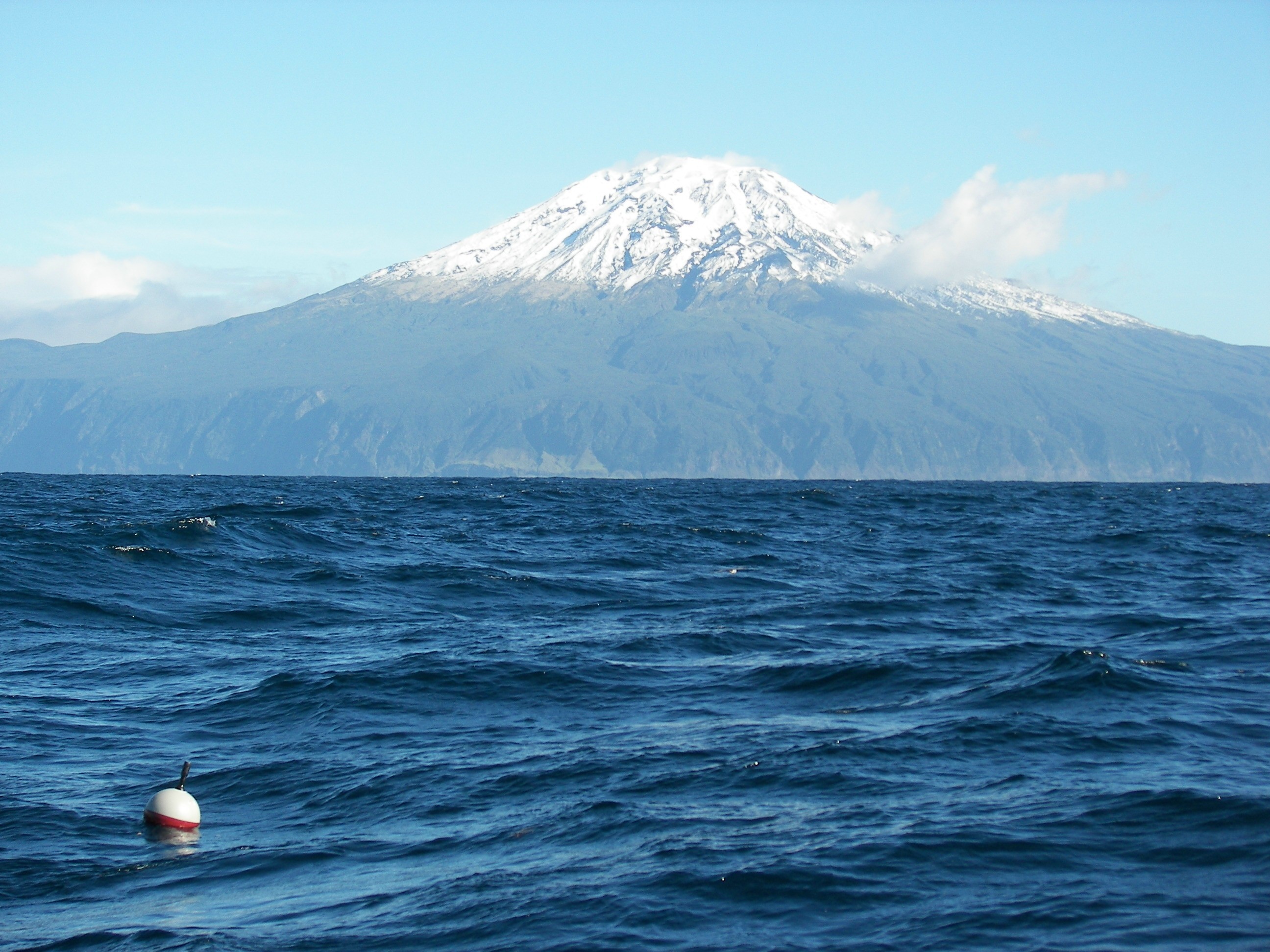
Global Drifter Network Delivers Real-Time Ocean Data to Sharpen Forecasts and Coastal Safety
Every twelve hours, a network of thousands of drifting buoys reports ocean temperature, currents, and barometric pressure from the most remote waters on Earth. NOAA's Global Drifter Program turns that distributed data into a single, calibrated view of the planet's climate system. These instruments verify weather models, sharpen satellite observations, and reveal inter-annual signals like ENSO. Understanding drives protection. For a deeper look at how shared ocean data standards support such systems, see our coverage of integrating fragmented bathymetric data.
Integrating fragmented bathymetric data through shared standards and FAIR practices
Vertical-datum heterogeneity remains the barrier least tractable to specification alone. A new review maps hydrographic standards onto the fifteen FAIR sub-principles, revealing that bathymetric data already meet demanding reusability conditions through mandatory depth-and-uncertainty encoding. Yet findability is largely unaddressed: identifiers from IHO S-100 are unique within an exchange set but not globally resolvable. Interoperability works at the encoding level but not semantically. The binding constraint is not missing standards, it is the absence of machine-resolvable linkage between them.
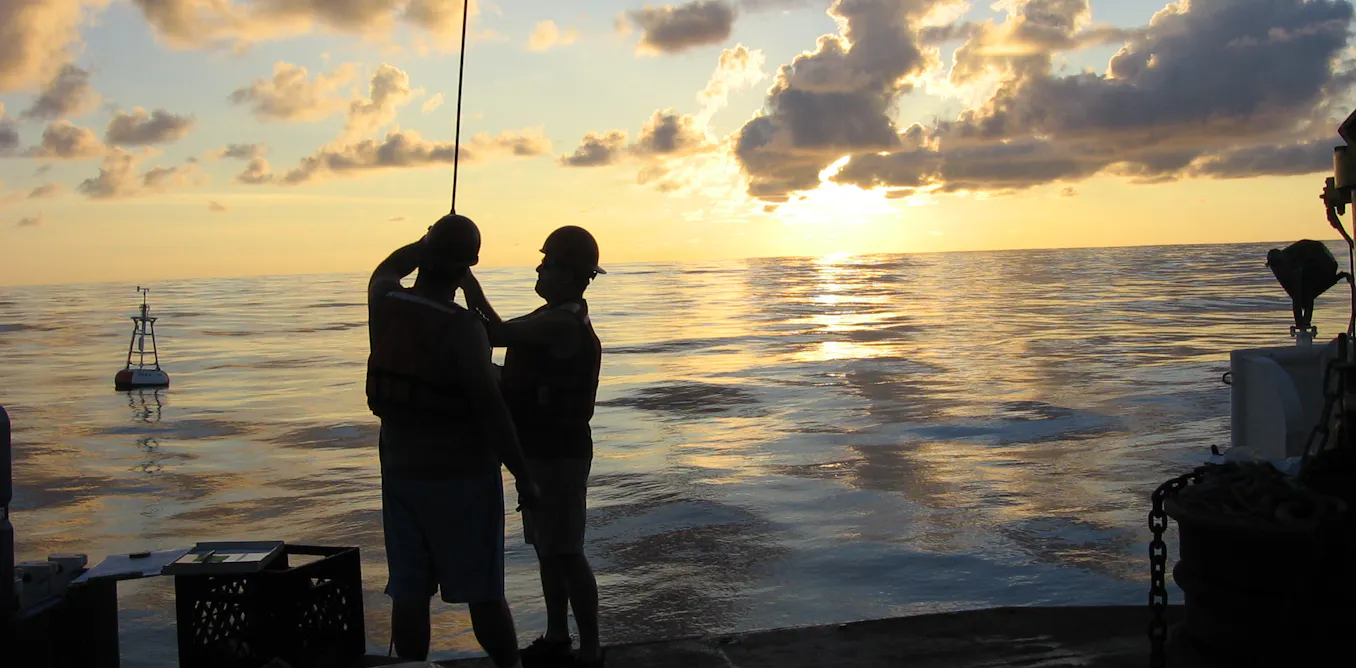
Ocean's early warnings grow urgent as climate signals accelerate
The North Pacific's surface has warmed four times faster than the global average, a signal we can no longer ignore. Ocean intelligence now shows climate indicators moving beyond modeled projections. These are not abstract trends; they are measurable, real-time shifts in a system we depend on. Understanding drives protection. Our related piece on ECCO‑Darwin's first multi‑decadal global ocean CO₂ flux estimates offers another calibrated look at how fast this change is actually happening.
Calibrating ocean intelligence to navigate a warming world
Calibrating ocean intelligence requires more than collecting data, it demands integration. Our warming world is outpacing fragmented observation systems. Validated, real-time measurements from orbit to ocean floor must become an integrated data ecosystem, not isolated snapshots. This is measurable, empirical work. Understanding drives protection. For deeper coverage, explore our related piece, "From orbit to ocean floor: integrated data reshapes our view of the sea," which examines how this unified approach is transforming marine science.
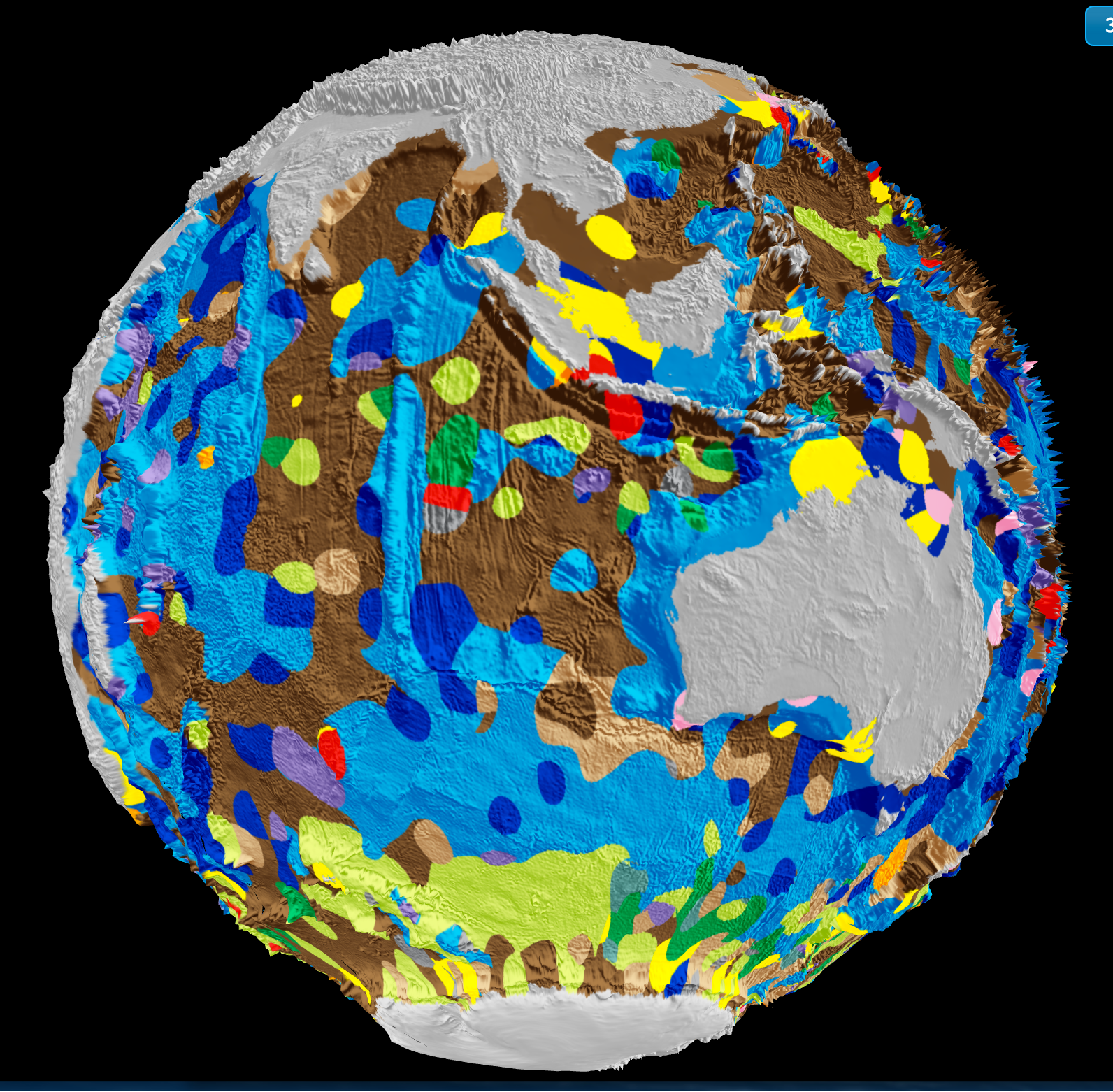
From orbit to ocean floor: big data maps the seafloor with precision
A University of Sydney-led team has integrated satellite altimetry with shipboard sonar data to produce a calibrated, high-resolution map of the global seafloor. This isn't just a sharper image, it's a validated baseline for measuring change. Understanding drives protection. When we can track sediment transport, tectonic activity, and benthic habitat shifts with empirical precision, ocean stewardship becomes measurable. For deeper context on how ocean intelligence reveals system-wide change, see our coverage of the century-long current slowdown.

An Atlantic water mass reveals its global circulation pathway
A single Atlantic water mass now reveals its global circulation pathway, the "Grand Tour" it takes around the world. Scripps Institution of Oceanography maps this journey with empirical precision, showing how a current that begins near the Azores becomes a measurable, real-time climate indicator across hemispheres. Understanding drives protection. For deeper context on how we validate such ocean intelligence, see our coverage of the calibrated global salinity dataset.

Decades of Atlantic circulation data reveal measurable climate indicators
Decades of Atlantic circulation data now offer something the field has long needed: measurable, validated climate indicators. This isn't anecdotal observation, it's empirical, longitudinal evidence of change. Understanding drives protection, and this dataset from NOAA gives researchers and policymakers a calibrated baseline to measure what comes next. For deeper context on the ocean's thermohaline structure, our related work on a validated global atlas from WOA18 connects the dots between surface signals and the deep currents that drive them.
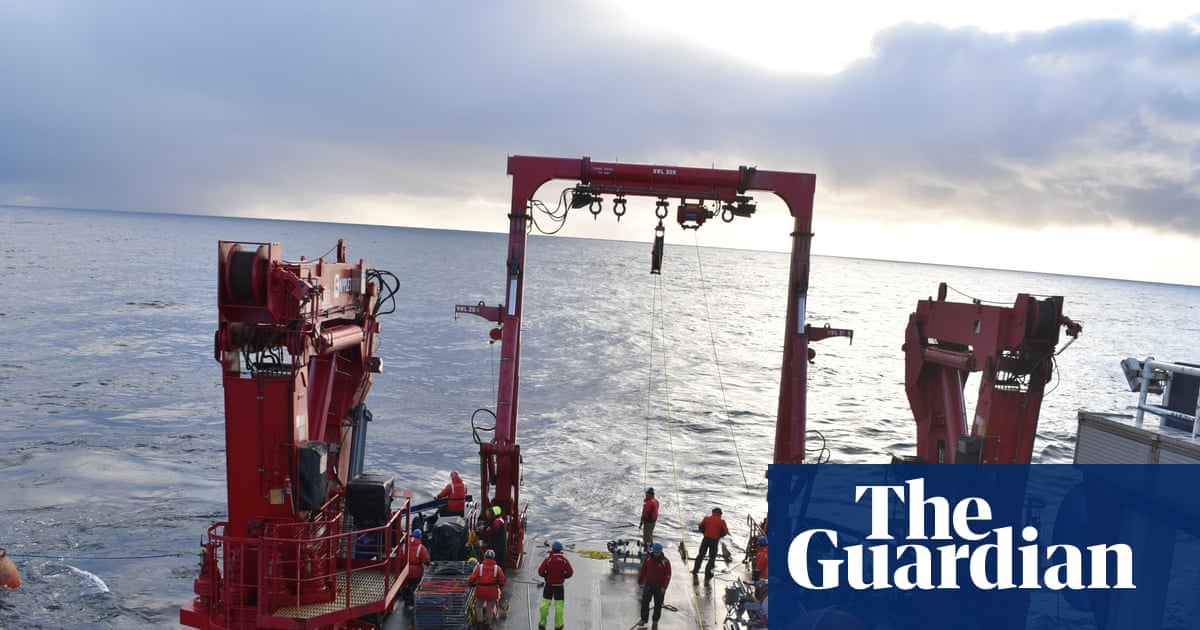
Proposed US monitoring cuts risk global loss of calibrated ocean intelligence
The Trump administration's proposal to eliminate US ocean monitoring systems would strip the world of calibrated, real-time climate intelligence. Scientists warn this leaves us flying blind on ocean warming and sea-level rise. Protecting this integrated data ecosystem is not optional, it is a matter of global scientific integrity. For context on how validated ocean data is built, see our related piece on the NCEI's *Ocean data expands from measured depths to validated insights*. Understanding drives protection; abandoning it invites risk.

Ocean data expands from measured depths to validated insights
From orbit to ocean floor, the National Centers for Environmental Information (NCEI) transforms measured depths into validated, peer-reviewed insights. This expanding ocean of data is our most calibrated window into planetary change. Understanding drives protection. For deeper context on how these long-term records reveal accelerating shifts, see our related analysis, "Decades of Atlantic circulation data reveal measurable climate indicators." The empirical story is clear: what we measure, we can protect.