marine science
167 stories filed under marine science on World Data Ocean. The newest of them: “Citizen Science Meets Machine Learning: Inside MBARI's Fathomverse”, “Japan's Icebreaker Mirai II Set to Extend Real-Time Arctic Ocean Intelligence”, and “£6 billion naval infrastructure advances sovereign submarine fleet support”. Understanding drives protection. Japan's new icebreaker *Mirai II* will extend real-time Arctic Ocean intelligence when it begins operations in 2027. A Global Hub for Ocean Intelligence 4 World Data Ocean is a centralized digital platform where researchers, scientists, and ocean enthusiasts converge to… The list below is every marine science story on World Data Ocean, newest first.
Citizen Science Meets Machine Learning: Inside MBARI's Fathomverse
Understanding drives protection. MBARI's Fathomverse turns ocean exploration into a shared mission, letting anyone classify marine life from rover-captured imagery. The AI doesn't replace researchers; it accelerates their work, flagging species patterns that would take humans months to catalog. Your clicks calibrate algorithms, not displace jobs, they refine models that already guide conservation. It's measurable, peer-reviewed progress, not a threat. For those questioning the ethics, this is transparent, collaborative science.
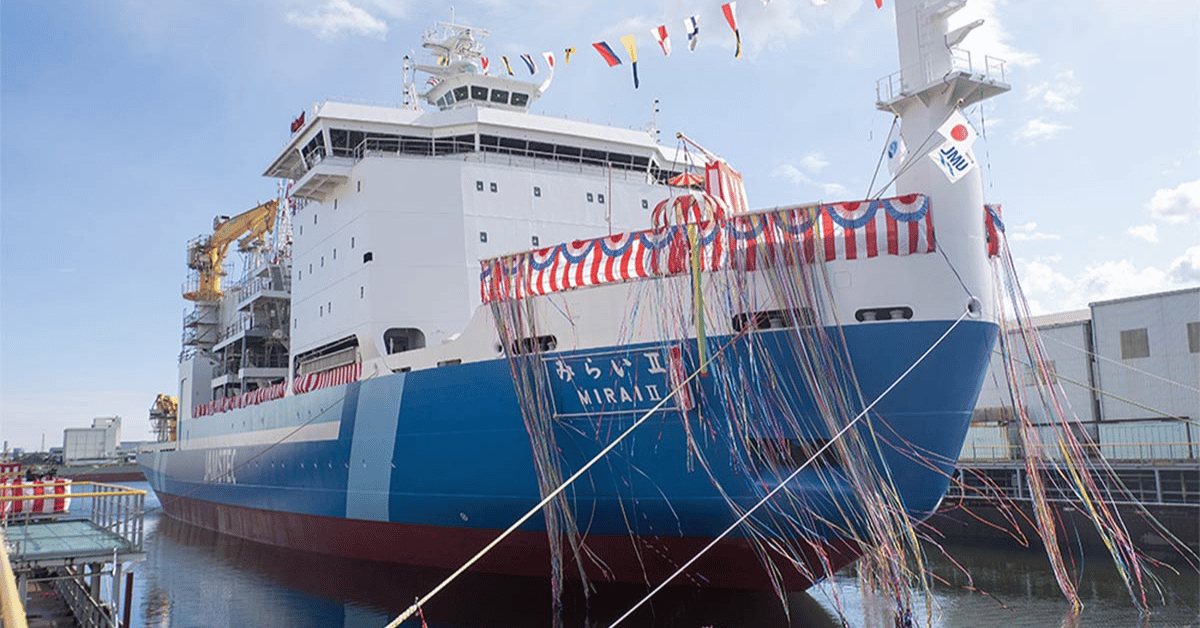
Japan's Icebreaker Mirai II Set to Extend Real-Time Arctic Ocean Intelligence
Japan's new icebreaker *Mirai II* will extend real-time Arctic Ocean intelligence when it begins operations in 2027. Operated by MOL for JAMSTEC, this is Japan's first icebreaking research vessel, a calibrated response to a warming ocean that demands empirical, longitudinal data. Understanding drives protection, and this vessel delivers. For broader context on maritime security, see our coverage of the recent piracy attack that killed five seafarers.
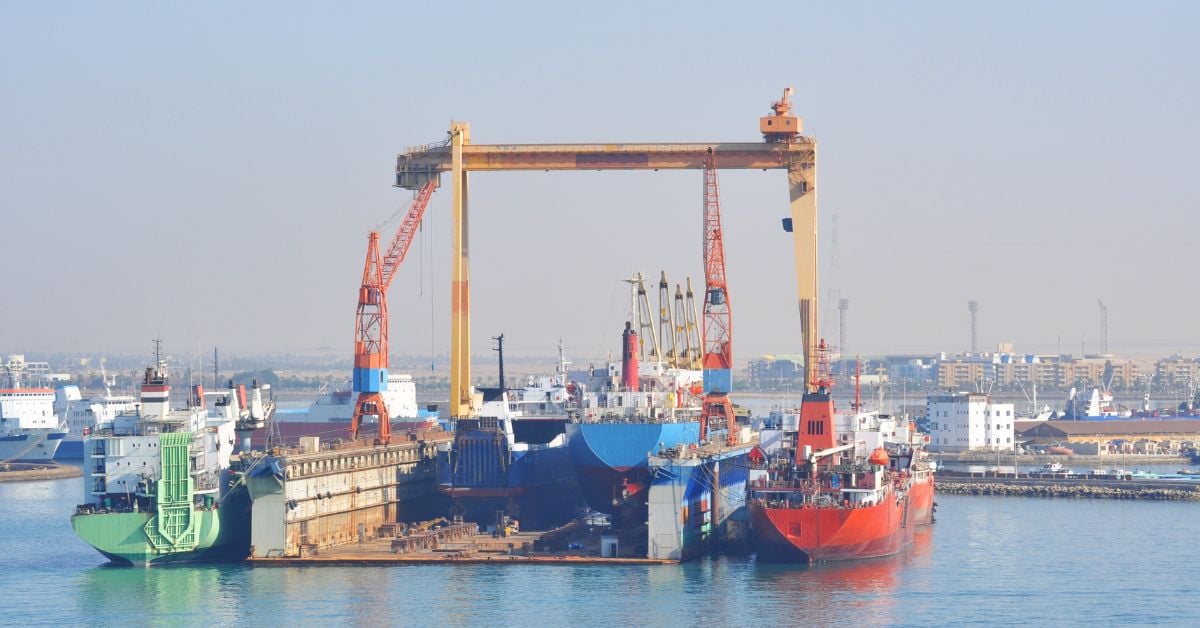
£6 billion naval infrastructure advances sovereign submarine fleet support
A £6 billion investment in three floating dry docks at Faslane signals a calibrated commitment to sovereign submarine fleet support. This is not merely infrastructure spending, it is a measurable reinforcement of naval capability, validated by long-term strategic necessity. The Royal Navy's nuclear fleet requires integrated, real-time maintenance capacity, and these dry docks deliver precisely that. For context, our coverage of the decommissioned frigate sunk off Scotland illustrates how allied naval exercises complement such investments. Understanding drives protection, and this funding reflects that principle.

Bridging Data Gaps: Integrating Citizen Science for Ocean Intelligence
The ocean remains critically under-observed, particularly in coastal zones where traditional monitoring is limited by cost and logistics. Marine citizen science offers a powerful complement, yet fragmented data flows have hindered its full integration into scientific and policy frameworks. The MCSDN workshop in Ostend, Belgium, convened 200 participants from over 30 countries to address this. Their four recommendations, from FAIR guidance to low-cost sensor deployment, signal a community ready to deliver measurable impact.

Tracking an Invasive Species: Sea Star Collection in Port Phillip Bay
A Saturday morning spent prying Northern Pacific Sea Stars from Port Phillip Bay's reef flats is a small, hands-on lesson in ecological consequence. This diver and his daughter, a soon-to-be marine biologist, were contributing to a grim tally: an estimated 165 million of these predators now call the bay home. Each female can release 20 million eggs, and the species has already devastated native shellfish beds since arriving via ballast water in the late 1980s.
Leveraging Computer Science Skills for Ocean Conservation Pathways
You don't need to choose between a desk and the deck. A CS background, paired with a GIS certificate, opens a credible pathway into ocean conservation without abandoning Seattle's tech ecosystem. The market values calibrated, integrated data skills, and roles in marine spatial planning or fisheries analytics are growing. Friday Harbor's post-bach option offers tangible field exposure. It's a practical, measurable first step, not a detour. Understanding drives protection, and your skills are already part of that equation.
Cultivating a Young Oceanographer: Resources for Budding Marine Scientists
A seven-year-old with a career plan and a housing strategy is a force of nature. This family is asking the right questions, seeking direction without dimming her ambition. The request for open-source lectures and NOAA contacts shows a commitment to real, validated learning over fluff. That focus on empirical resources is exactly what builds a foundation. For those ready to connect their passion to the broader picture, our piece on bridging data gaps with citizen science offers a practical entry point.
Oceanography Pathways: UK Opportunity for Students (Ages 15-19)
A direct pathway into oceanography exists for UK students aged 15 to 19, and it is worth your attention. The National Oceanography Centre has opened applications for a unique opportunity, shared here because too few school-age students follow the organisation directly on LinkedIn. We appreciate the gap and are helping to close it. If you know a curious young mind, share this. For deeper context on how data flows shape our understanding, our piece on integrated subsea cables offers valuable perspective.
Advance Physical Oceanography Research: PhD Opportunities Available
Physical oceanography sits at the intersection of physics, climate science, and data systems, and this PhD program treats it that way. The opportunity to advance research through empirical, peer-reviewed methods is exactly what the field needs as we refine climate indicators from orbit to ocean floor. For those ready to contribute measurable, longitudinal insights, this is a direct path to meaningful impact. We also recommend *Bridging Data Gaps: Integrating Citizen Science for Ocean Intelligence* for a complementary look at expanding observation capacity.
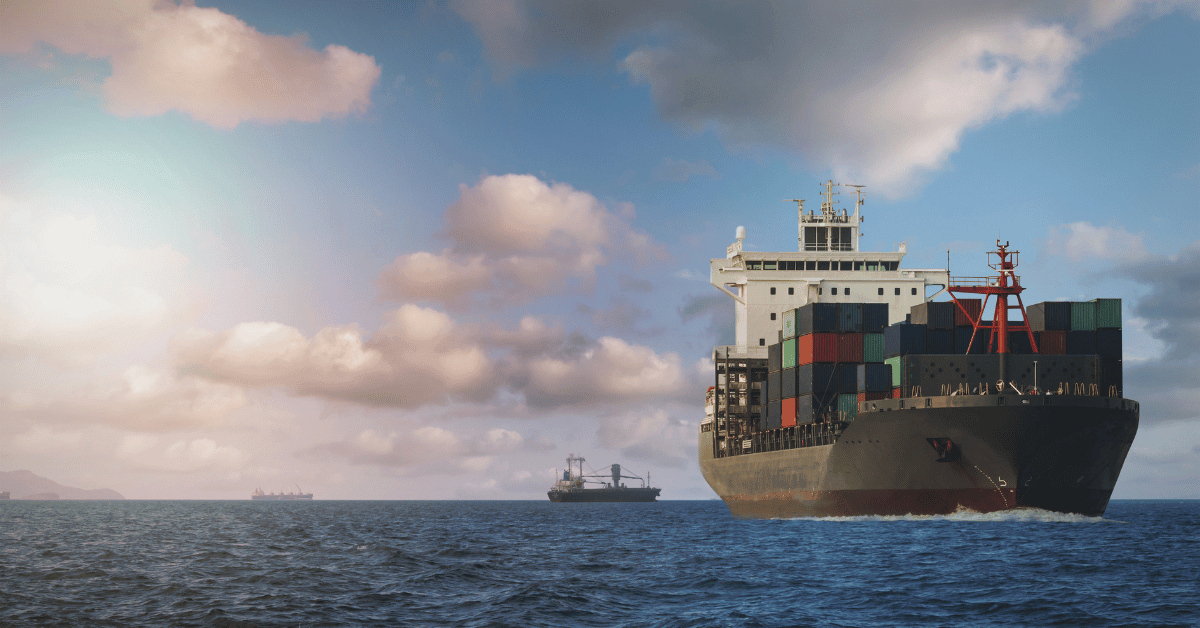
Renewable Methanol: A Measurable Path to Lower Marine Emissions.
Methanol is measured in more than tonnes; it is measured in emissions avoided. SGMF's latest study quantifies how renewable and synthetic methanol can meaningfully cut marine emissions, offering a practical alternative for an industry under pressure to decarbonize. The findings are not speculative; they are grounded in empirical, peer-reviewed data. This matters because shipping needs options that are both scalable and immediate.
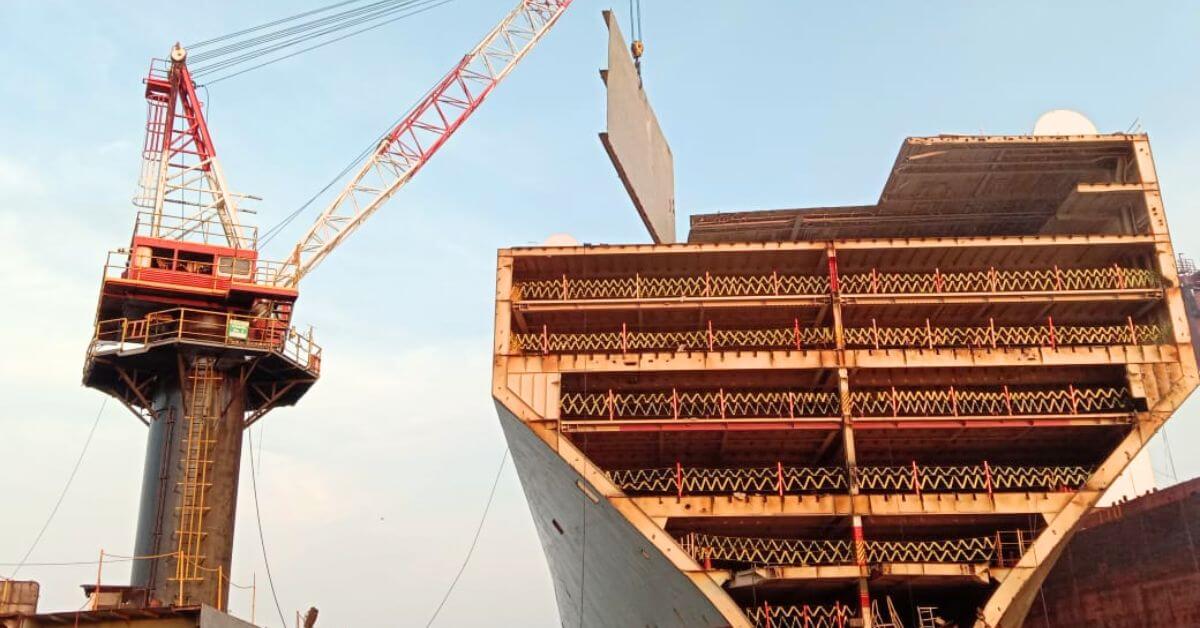
Leveraging Ship Recycling: A Boost for India’s Domestic Steel Production
India is turning to a practical source of secondary steel: the hulls of retired ships. Recovered scrap from decommissioned vessels is being directed toward domestic production, a move that strengthens material security while reducing reliance on primary ore. It is a measured, industrial-scale form of recycling, one that aligns with broader efforts to build circular supply chains. For related context on maritime infrastructure, see our coverage of Paradip Port's designation as a Mega Port. The opportunity here is clear, and the timing is right.
Bridging Data Science and Oceanography: Pathways for Aspiring Researchers
Understanding the ocean has never been more attainable for those entering the field without a traditional background. Your question reflects a common starting point, and the path is more open than you might think. Focus on building quantitative skills, particularly in statistics and programming with Python or R, as these are the currency of modern oceanographic research. Pair that with a genuine curiosity for how data translates into climate indicators.
Bridging the Gap: Oceanography Certificates to Enhance Your Chemistry Background
A bachelor's in chemistry is a strong foundation for oceanography, where the same quantitative rigor applies to seawater chemistry and climate indicators. For a year between degrees, a certificate in data analysis or GIS would complement your lab skills, as these are practical tools used in marine research. Given your diving plans, consider a seminar on ocean observation. Our related article, "Bridging Data Gaps: Integrating Citizen Science for Ocean Intelligence," offers a useful perspective on how field data is gathered.
Empowering Future Ocean Stewards: Citizen Science for Inland Marine Biology Clubs
The Texas Gulf is not the only place where ocean stewardship begins, and your club's location is no barrier to meaningful impact. Starting a Marine Biology Club without beach access is a common hurdle, but the data you can gather from inland is just as valid. Citizen science platforms are your direct line to real-world action, and your instinct to connect battery drives to ocean health is spot on.
Bridging Geography and Oceanography: A Path to Marine Science Research
A Geography undergrad with QGIS skills and a pull toward oceanography is holding a map to a door that's already slightly open. The gap between land-based spatial thinking and marine science is real, but it is not a wall, it's a bridge. Your GIS background is a validated entry point, not a consolation prize. Start with marine-focused QGIS tutorials and coastal data sets; pair them with open-access oceanography courses to build the science vocabulary.
Bridging Science and Stories: Engaging the Public on Ocean Challenges
A classroom of students who could define ocean acidification yet still believed geoengineering would save them: that is the gap this author set out to close. His eco-mystery uses narrative tension to make risk feel immediate, not abstract. It is a practical experiment in science communication, and one worth testing. For readers interested in how such efforts connect to broader data efforts, our piece on integrating citizen science for ocean intelligence offers useful context.
Charting a Course: Combining Oceanography Studies for Career Options
Choosing between marine biology and geography is a decision about data as much as passion. A double major in oceanography and geography builds the spatial-analysis skills that hydrographic surveyors rely on daily, and that path offers a clearer return on investment than a marine biology pairing. The job market rewards calibrated, measurable skills. Geography grounds your degree in practical, integrated data ecosystems, while marine biology often requires advanced study for similar stability. For a stable career, geography is the pragmatic choice.

Global Educators Access Ocean Research Through TRACX Program
The TRACX Program at Columbia University gives educators worldwide a direct route into ocean science research, turning classroom walls into windows on the deep sea. That matters. Teachers who engage with real-time, peer-reviewed data can bring climate indicators and ocean intelligence back to students who might otherwise never see the coast. It is a practical step toward shared responsibility. For those exploring career pathways, our related piece on international master's programs offers a useful complement. This is how knowledge moves: from lab to lesson plan.
Mapping Ocean Winds: NASA Data Fuels New Integrated Atlases
NASA's new integrated atlases turn decades of satellite measurements into a single, coherent view of ocean winds. This is more than data compilation; it is the kind of calibrated, peer-reviewed synthesis that makes our ocean intelligence actionable. The clarity here is a direct result of validated science, and it sets a standard for how we track climate indicators. For those following how such monitoring connects to broader maritime security, our coverage of the Puntland tanker rescue offers a stark contrast in real-world stakes.
Real-Time Data from The Ocean Race Illuminates Gulf Stream Changes
The Gulf Stream is slowing, and now the sailors racing through it are helping to measure exactly how. Competitors in The Ocean Race Atlantic will collect climate data from these weakening currents, turning a grueling contest into a live oceanographic survey. This is the kind of integrated, real-time observation we need most. It is empirical, immediate, and driven by people already at the mercy of the sea.
Charting a Course: Exploring Marine Archaeology and Future Careers
The post from a 17-year-old uncertain about marine archaeology arrives at a pivotal moment. The student's instinct to blend a humanities background with ocean science is not a detour; it is a practical fusion. Marine archaeology demands exactly this integration of historical context and technical skill. The fear that AI will replace journalism is valid, but the field of underwater heritage needs human judgment for interpretation. This path is less about picking a side and more about combining strengths.
Navigating Early Career Choices: A 15-Year-Old’s Transition
Choosing subjects at 15 because of finances is a heavy lift, and this student is carrying it with more clarity than most. They have committed to biology, yet they are honest about the gap between a passion for marine zoology and the realities of academia, research, or maintenance work. That uncertainty is valid. The practical move here is to stop chasing a single job title and instead focus on building transferable skills through the IB's extended essay or community projects.
Empowering Indian Fishers: Citizen Science Fuels Data-Driven Marine Forecasts
A 20-fold increase in data submissions between the first two years of the FISH App's deployment signals more than just growing adoption; it marks a practical step toward species-specific fishery forecasts. INCOIS has built a tool that turns satellite-derived advisories into actionable, high-frequency catch data, and the nearly one thousand installations show fishers are ready to participate. This is citizen science applied with rigor.
Mapping Marine Connections: Understanding Biodiversity’s Role in Ocean Health
Marine species do not drift idly in the current; they are the ocean's connective tissue, moving energy and nutrients across entire basins. Marine Functional Connectivity science is making that invisible web visible, yet our knowledge remains fragmented. We can now track migrations through genetics and telemetry, but major gaps persist across depths and regions. This is not an abstract research problem. It is a governance failure.