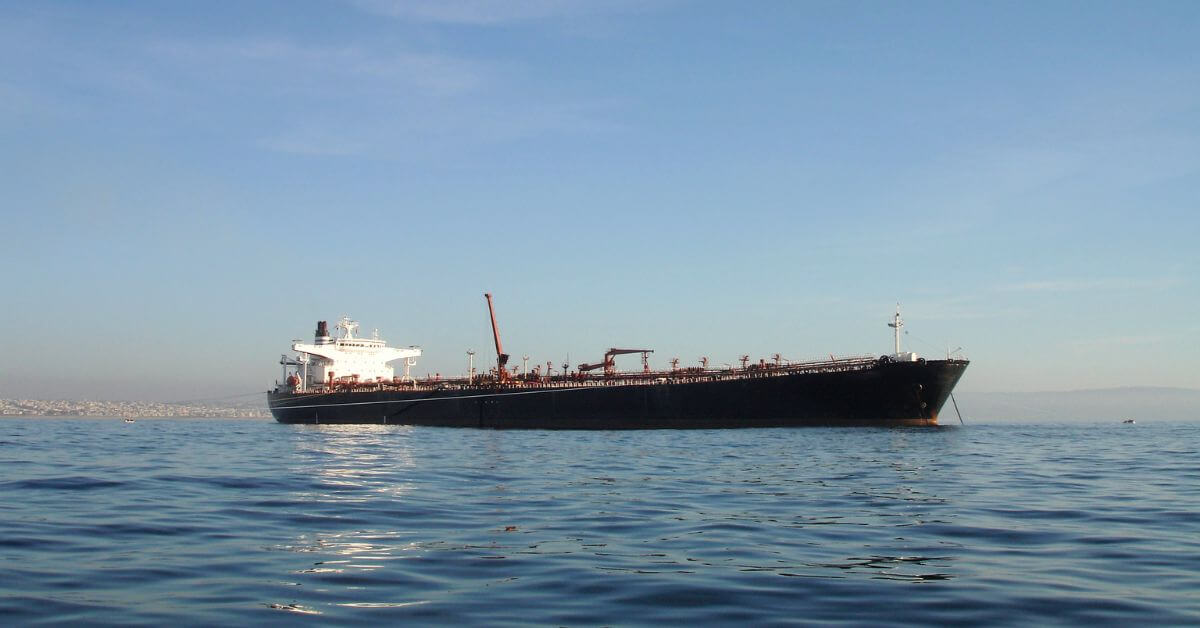
Understanding drives protection, but only when detection systems are matched by accountability. The oil spill that closed Umm Al Quwain's beaches this week is a measured failure: the Ministry of Climate Change and Environment's monitoring system worked, yet the source remains unnamed. Cleanup is underway, technical teams are surveying the coast, and officials have cordoned off affected areas. That is competent crisis management, but it is not prevention. For our readers, researchers, policymakers, and engaged citizens, this incident underscores a gap between the tools we deploy and the transparency we demand.
The Ministry's statement confirms that its calibrated monitoring network detected the spill from an unidentified tanker. Local and federal authorities acted swiftly, urging fishermen to avoid affected waters and keeping beaches closed until assessments are complete. These are the right steps, and they reflect the integrated data ecosystem that World Data Ocean champions. Yet the silence on the vessel's identity and the spill's cause weakens the public's ability to learn from the event. Compare this to the Beaked Fish Stranding in Dubai Prompts Questions of Species Identification, where a lack of definitive identification hampered response and analysis. In both cases, empirical gaps, whether in species ID or spill attribution, limit the longitudinal value of the data collected.
This spill is not an isolated event. Since the outbreak of the Iran war, the region has seen a series of oil releases. In June, the tanker Caroline Bezengi leaked crude off Oman's coast, with oil spreading along 40 kilometres of shoreline. In August, the Minoan Pioneer was damaged near the Strait of Hormuz, producing a 100-square-kilometre slick. The United Nations University warned that oil can persist in mangrove roots and coastal sediments long after surface slicks disappear. The New Atlantic Current Data Signals Weakening and Imminent Tipping Point reminds us that ocean systems are interconnected; a spill in Umm Al Quwain does not stay local. The oil's trajectory, measured in real-time by ministry teams, will influence marine ecosystem health for months, even years.
A specific consequence to watch: the Ministry has not said when beaches will reopen or what safety thresholds will trigger that decision. For residents of Umm Al Quwain, Sharjah, and Ajman who reported unusual odours, the lack of a timeline is unsettling. For researchers tracking cumulative impacts, the absence of a named vessel means no clear chain of responsibility. The Ministry's statement that there is no threat to public health is reassuring, but without peer-reviewed air-quality data from the affected zones, that assurance remains a claim, not a finding. The next step is not just cleanup, it is publishing the full assessment, including the vessel's identity and the empirical basis for reopening. That is what ocean intelligence demands.