intelligence
World Data Ocean keeps intelligence in one place: 9 stories so far. The section currently leads with “Caribbean drug interdiction strike leaves four dead”, “Second US underwater drone reported seized in Strait of Hormuz”, and “Russian Maritime Activity Raises Concerns of Drone Operations in Mediterranean”. A U.S. Iran's Islamic Revolutionary Guard Corps Navy claims to have seized a second US military underwater drone in the Strait of Hormuz. A Global Hub for Ocean Intelligence 4 World Data Ocean is a centralized digital platform where researchers, scientists, and ocean enthusiasts converge to… The list below is every intelligence story on World Data Ocean, newest first.
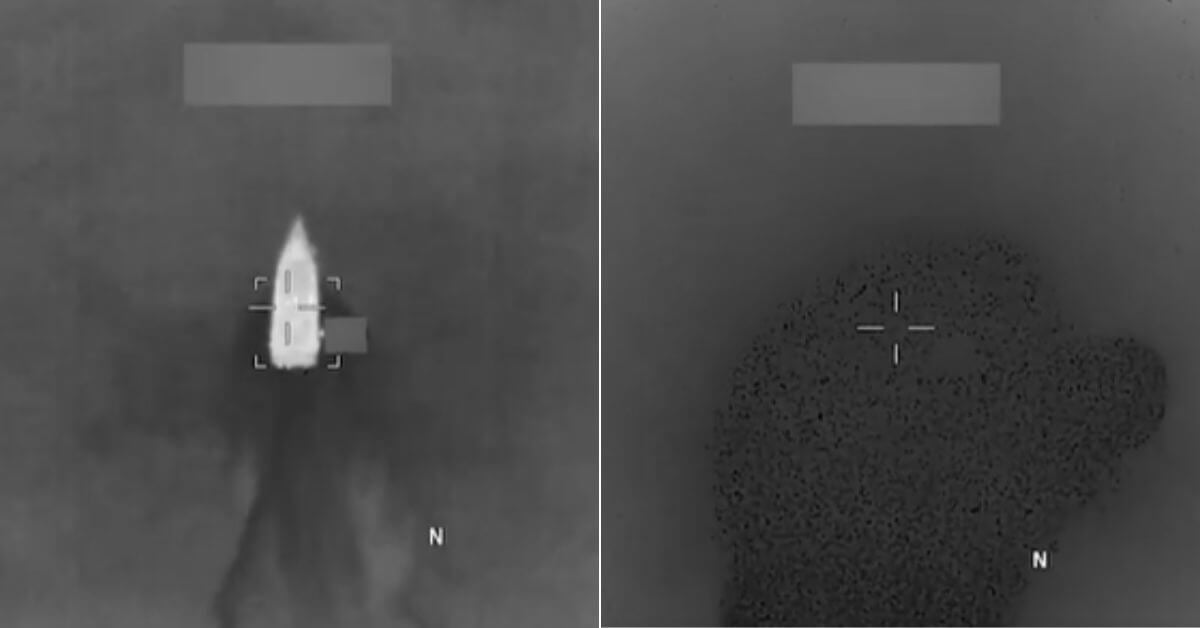
Caribbean drug interdiction strike leaves four dead
A U.S. military strike on a suspected drug-running boat in the Caribbean Sea on October 4 left four people dead. This is a violent reminder of the human cost embedded in maritime security operations, a cost that demands calmer, measurable approaches to enforcement. For more context on how authorities manage such risks, see our coverage of the enforcement action that halted a fuel shipment bound for Cuba. Understanding each incident helps build the empirical framework for smarter ocean governance.
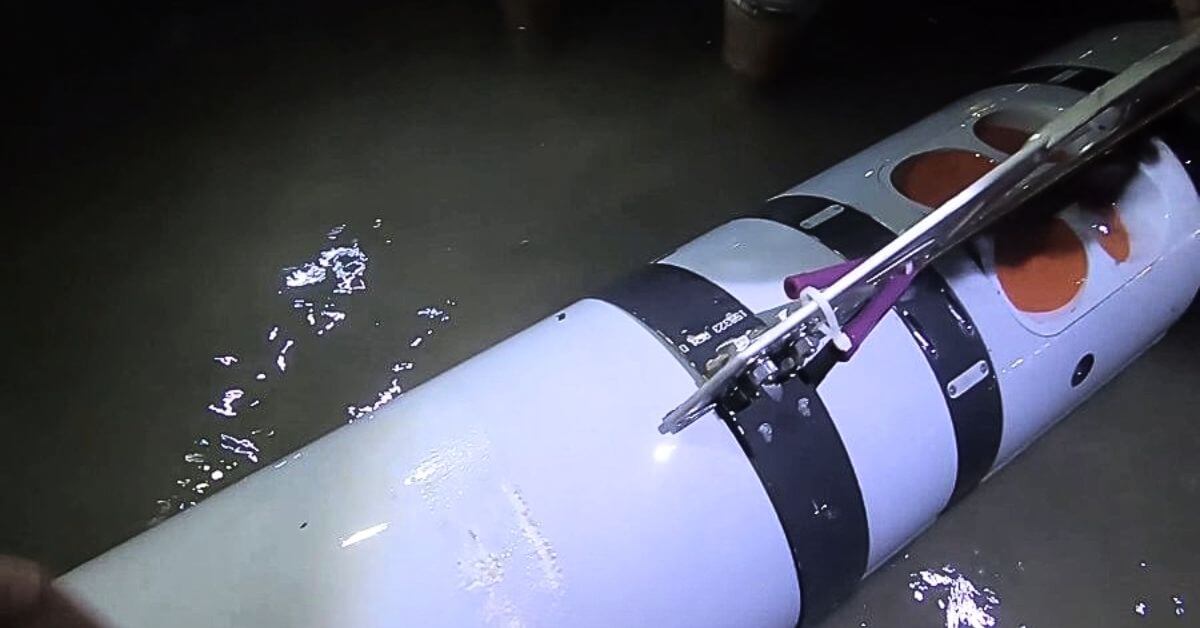
Second US underwater drone reported seized in Strait of Hormuz
Iran's Islamic Revolutionary Guard Corps Navy claims to have seized a second US military underwater drone in the Strait of Hormuz. This is a measurable escalation in a waterway where tensions are already calibrated to the breaking point. Validated reporting on these incidents is essential, not alarmist speculation. For broader context on maritime pressures in this region, readers may explore our related coverage of Gulf of Oman STS transfers. Understanding these events demands empirical clarity, not reaction.
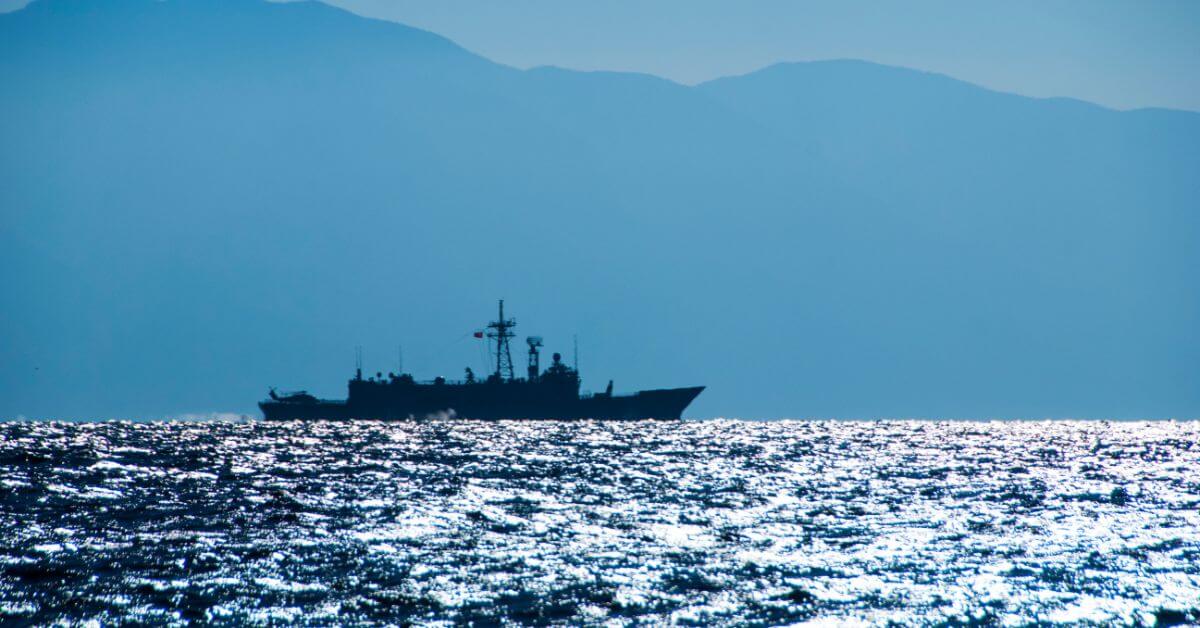
Russian Maritime Activity Raises Concerns of Drone Operations in Mediterranean
A CIA warning to European allies points to a suspected Russian plan to launch drones from commercial ships in the Mediterranean. The move signals a calibrated escalation, one that turns civilian vessels into potential platforms for covert operations. It is a reminder that maritime security now extends beyond traditional naval threats. For context on Russia's broader maritime strategy, our related coverage of the Northern Sea Route icebreaker fleet offers useful background.
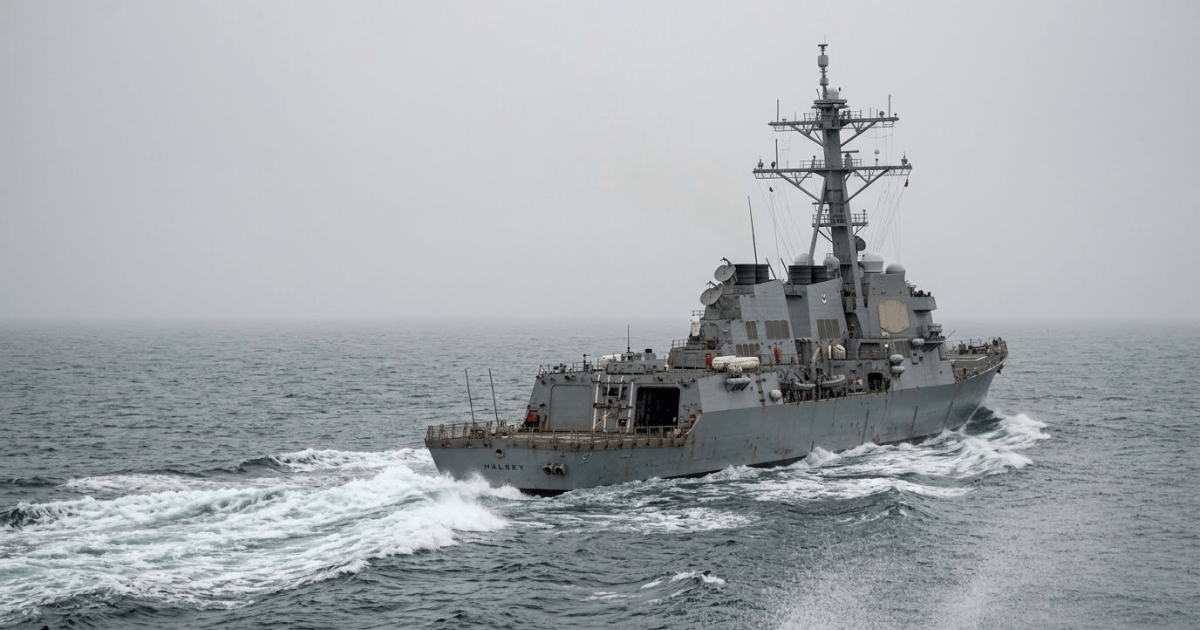
AI-Enabled Research Targets US Naval Assets in the Middle East
An Iran-linked account weaponized Claude AI to compile targeting data on US naval assets in the Middle East. Anthropic's revelation underscores a sobering reality: even tools built for discovery can be repurposed for threat. This is not alarmism, it is a validated, empirical signal of how rapidly ocean intelligence and AI converge on security. Understanding drives protection. Our related coverage of the Navy's accelerated autonomous systems integration offers deeper context on how maritime defense evolves in parallel.
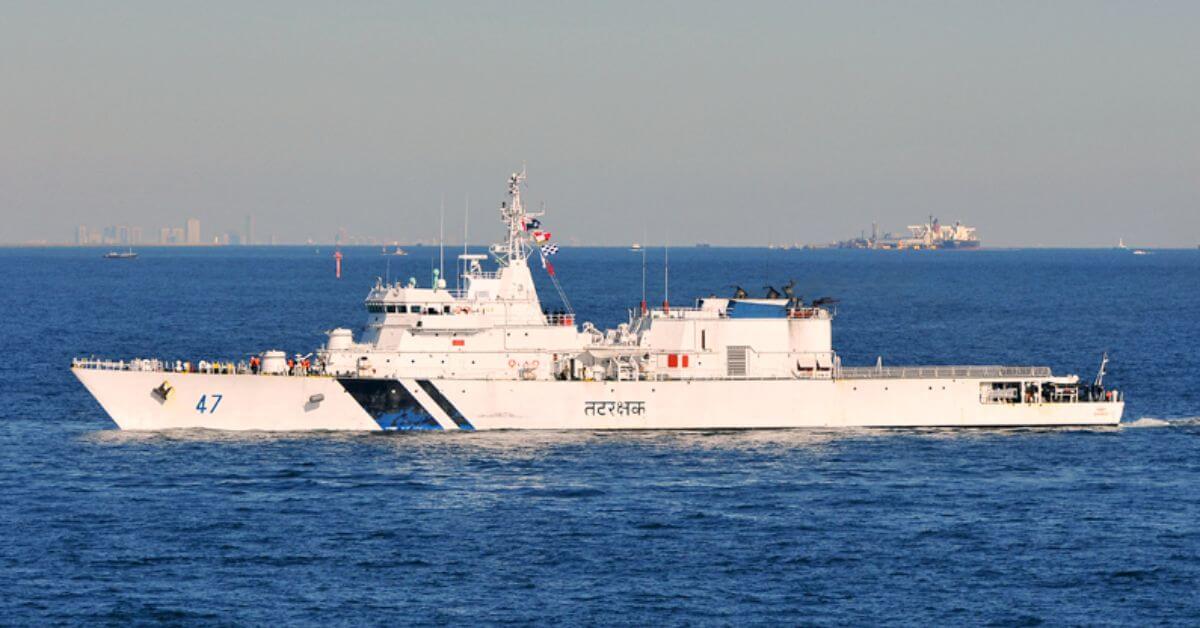
Coast Guard Intercepts Suspected Oil Smuggling Vessel Near Mumbai.
At 2:10 p.m. on September 10, the Coast Guard acted on intelligence of unauthorized activity near an offshore oil rig off Mumbai, intercepting a suspected oil smuggling vessel. This interdiction underscores the persistent challenge of maritime crime and the need for constant vigilance. Protecting ocean resources requires more than data; it demands decisive, real-world enforcement. For broader context on maritime security operations, see our coverage of "Maritime Interdictions Yield 25,000 Pounds of Cocaine, Supporting Ocean Security."

Cognitive Resilience: Smarter Chickadees Thrive Through Winter and Age.
A chickadee's cognitive edge persists into old age, and that resilience translates directly to survival and reproductive success. Wild birds with sharper problem-solving skills maintained their mental acuity through senescence, produced more offspring, and hosted healthier gut microbiomes. This is empirical evidence that intelligence is not merely a youthful advantage but a measurable, lifelong asset. Understanding drives protection. For deeper coverage on environmental intelligence, see our related report on "Cascadia and San Andreas: Evidence Suggests Sequential Earthquake Risk."
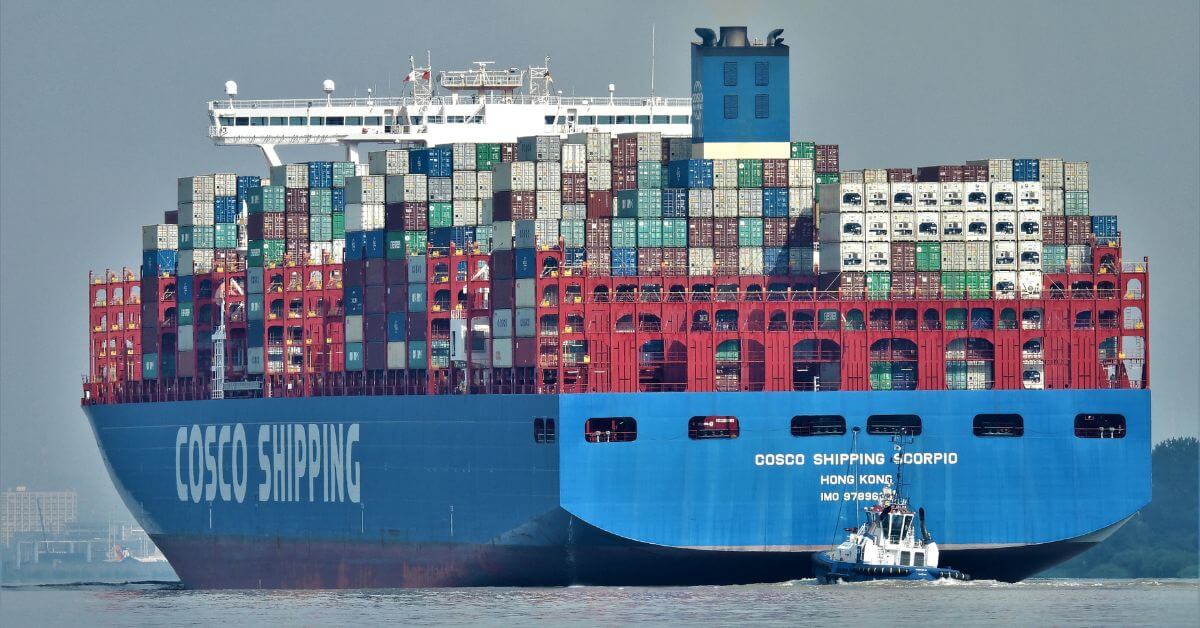
COSCO Rejects U.S. Claims of Espionage via Shipping Vessels
COSCO has firmly rejected U.S. accusations that its vessels collected military intelligence for Beijing, calling the claims unfounded. The denial cuts through a narrative that risks conflating legitimate global commerce with espionage, a distinction that matters for the rule-based shipping lanes the world depends on. Allegations without peer-reviewed evidence weaken trust, and trust is the ballast of maritime stability.
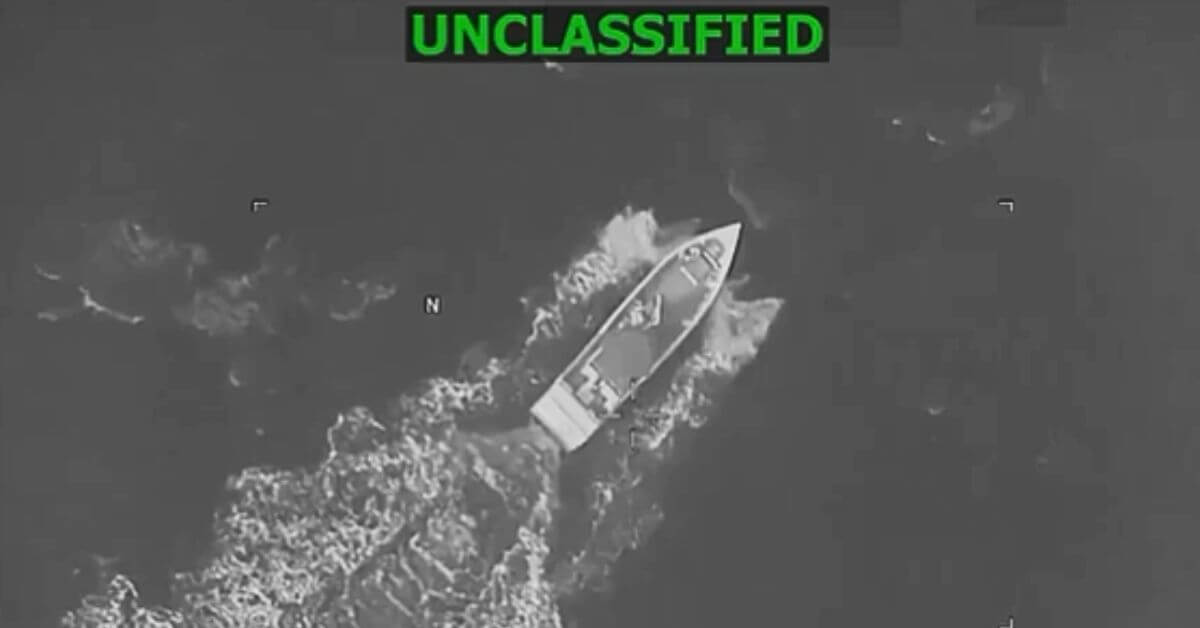
Maritime Interdiction: U.S. Strike in Caribbean Raises Questions of Escalation
Two days after a U.S. strike on a vessel in the Eastern Pacific killed two people, a new maritime interdiction in the Caribbean is forcing a harder look at escalation. These are the first such actions in over two months, and the timing is deliberate. Measured force, when applied, still carries weight. The question is whether Washington is calibrating a broader posture or responding to isolated pressure.

Orca Ecotypes: Species Distinction or Genetic Nuance?
The classification of orca ecotypes hinges on genetic and behavioral evidence, yet the line between species and nuance remains contested. A forest ecologist's skepticism about interbreeding assumptions and the weight placed on learned behavior raises valid questions. Intelligence complicates taxonomy; diverse actions do not always signal reproductive isolation. While publish-or-perish pressures may incentivize reclassification, the genetic data, though incomplete, points to real divergence. We should demand rigorous, peer-reviewed validation before dismissing or embracing species status.