geophysics
11 stories filed under geophysics on World Data Ocean. The newest of them: “Seismic records measure a strengthening pulse beneath warming oceans”, “Cascadia’s Subduction Zone Reveals a Fragmented Tectonic Process”, and “Ocean Warming Amplifies Seismic Activity Through Increased Wave Energy”. A strengthening pulse beneath warming oceans is now measurable through seismic records. Off Vancouver Island, scientists have captured a subduction zone in the act of tearing itself apart. A Global Hub for Ocean Intelligence 4 World Data Ocean is a centralized digital platform where researchers, scientists, and ocean enthusiasts converge to… The list below is every geophysics story on World Data Ocean, newest first.
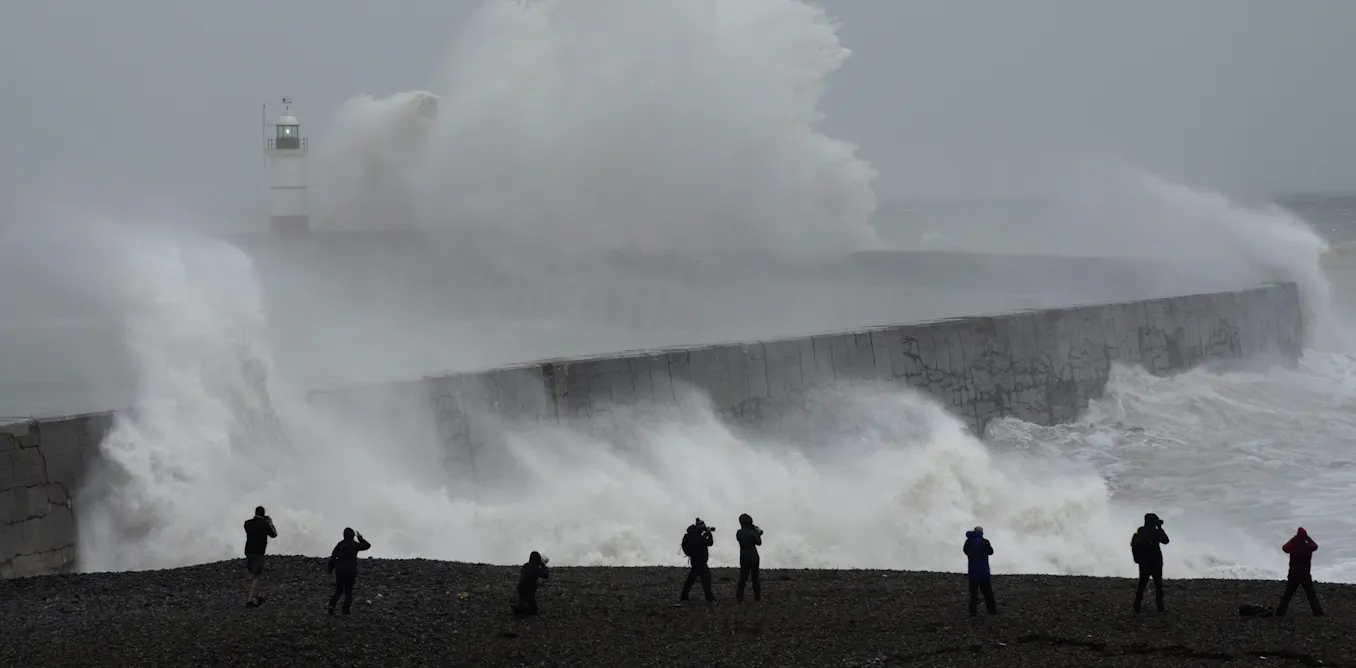
Seismic records measure a strengthening pulse beneath warming oceans
A strengthening pulse beneath warming oceans is now measurable through seismic records. These readings confirm that ocean waves are gaining force as the planet warms, a direct, empirical signal of climate change. We do not need to imagine the impact; the data speaks. This is not speculation. It is calibrated observation. For deeper context on why such monitoring matters, see our coverage of the proposed US cuts that risk losing this calibrated ocean intelligence. Understanding drives protection.
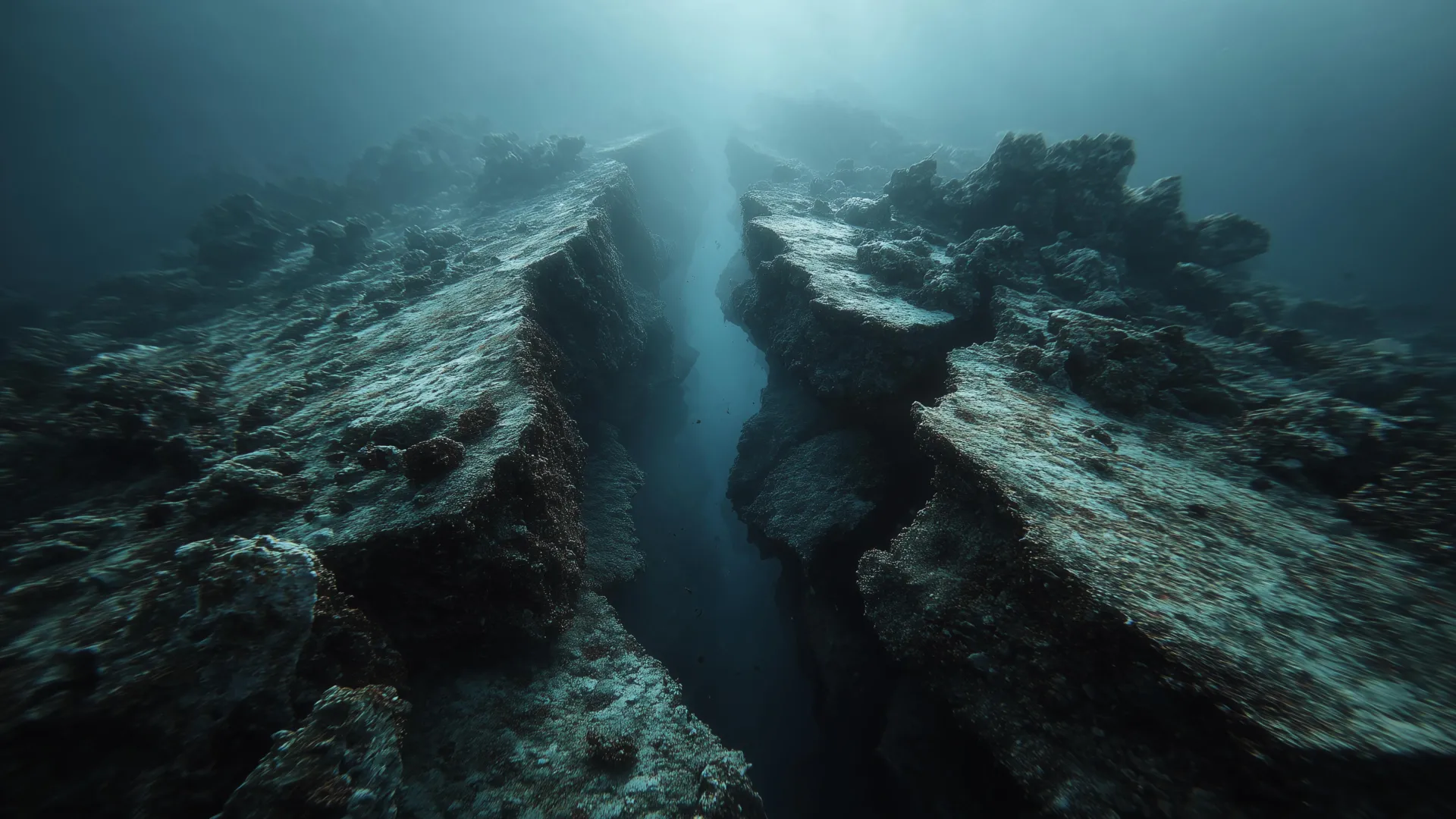
Cascadia’s Subduction Zone Reveals a Fragmented Tectonic Process
Off Vancouver Island, scientists have captured a subduction zone in the act of tearing itself apart. The Cascadia fault is not dying as a single, monolithic system. Instead, new evidence suggests it is fragmenting piece by piece. This process offers a rare window into how ancient plate fragments form and where hidden breaks might influence future seismic activity. Understanding this measured, piecemeal unraveling is key to refining our earthquake models.

Ocean Warming Amplifies Seismic Activity Through Increased Wave Energy
Seismic records now show something worth pausing on: ocean waves are gaining strength as the planet warms, and that energy is registering deep in the Earth's crust. This is not a distant concern; it is a measurable, peer-reviewed signal that links climate indicators directly to ground motion. The data is clear, and it demands we take the connection between warming oceans and seismic activity seriously.
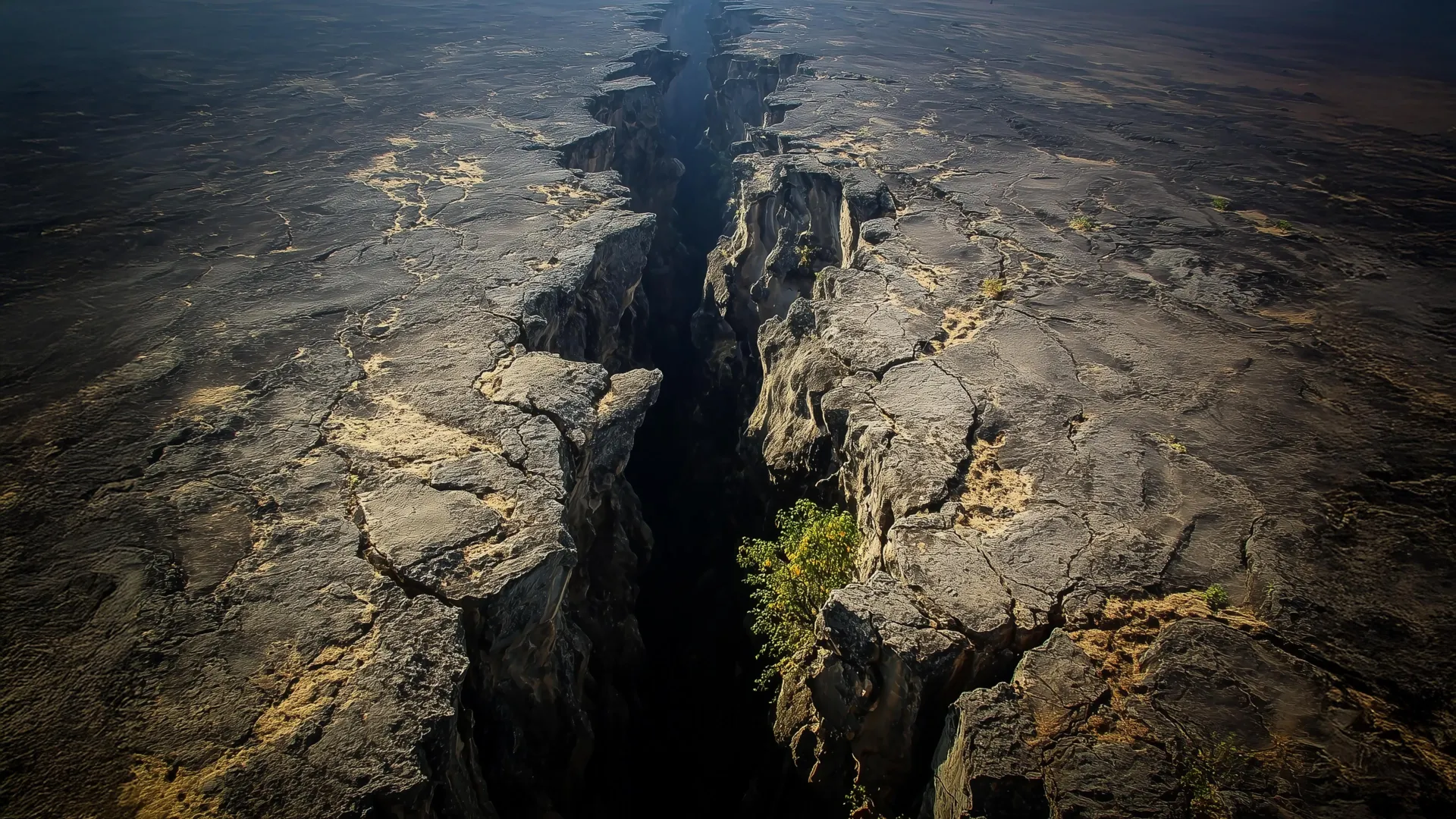
Deep Earth Plume Drives Continental Rift Formation Under Africa
A vast plume rising from deep inside Earth is reshaping the East African Rift, driving the continent's slow pull apart. This discovery links mantle forces with shallower geological activity, offering a clearer picture of a process we are only beginning to map. Understanding these deep dynamics matters; they are not abstract, but active. For more on how tectonic forces unfold in real time, see our coverage of Cascadia's fragmented subduction zone.
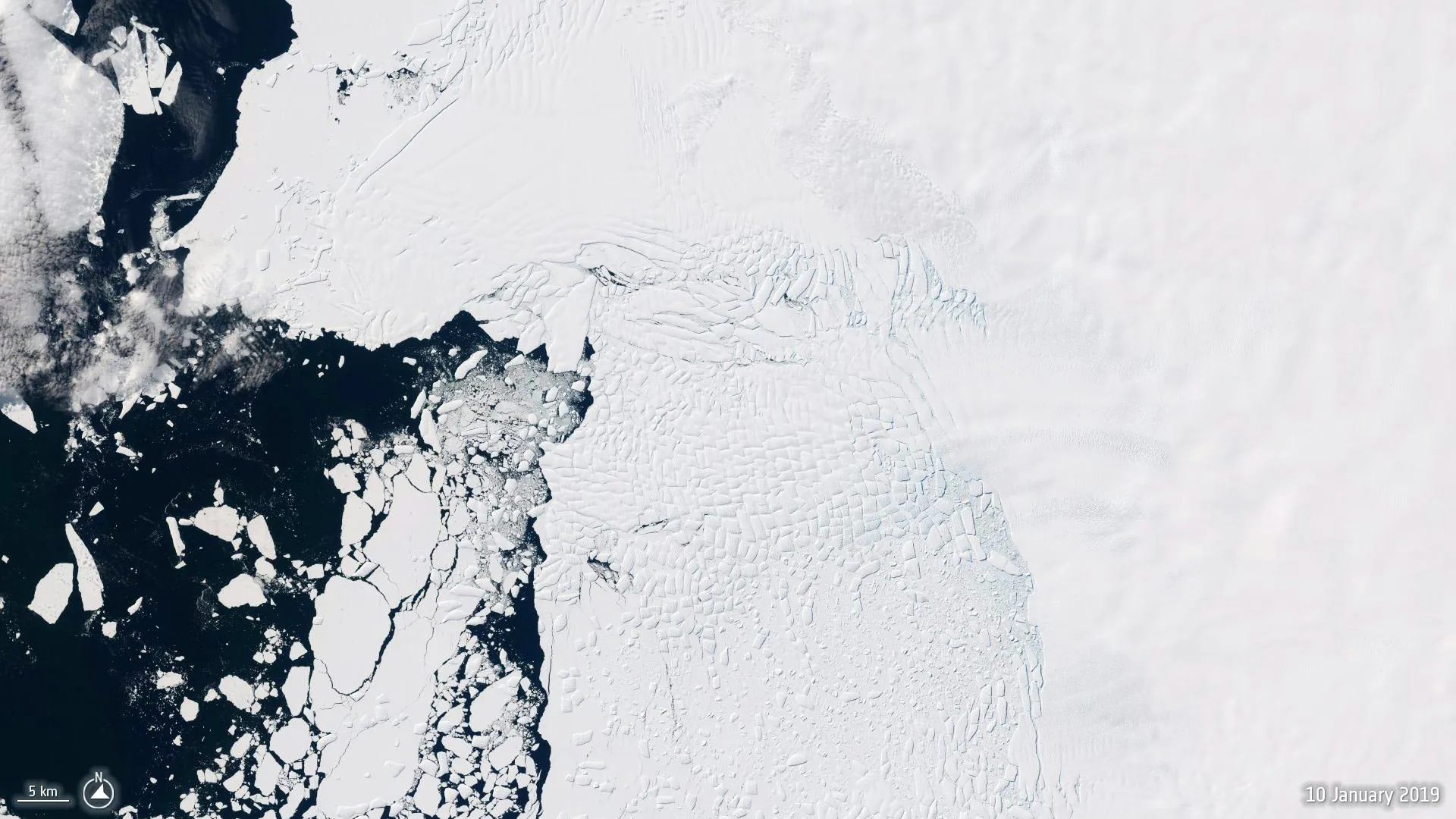
Seismic Activity Intensifies Under Thwaites Glacier, Revealing Ice Dynamics
Hundreds of previously overlooked seismic events have been detected beneath Antarctica, including 245 near Thwaites Glacier's marine edge, many tied to glacial earthquakes triggered when icebergs break off and collide. This surge coincided with Thwaites accelerating toward the ocean, a correlation that sharpens our focus on how shifting ocean conditions destabilize ice. It is a measurable reminder that what happens below the surface dictates what changes above it. For deeper context on these dynamics, our piece on real-time ocean simulations offers a complementary view.
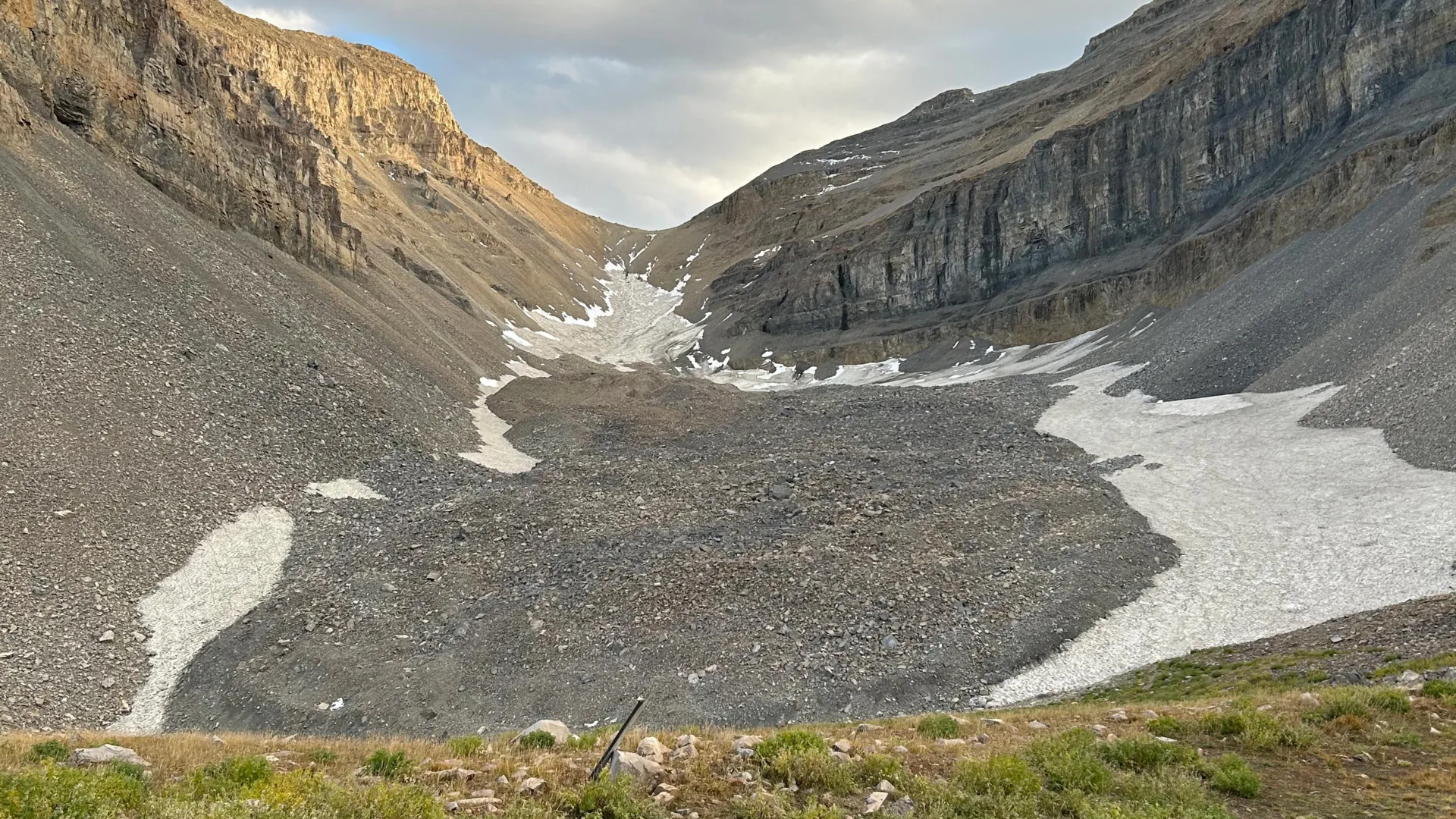
Hidden Ice Reservoir Discovered Beneath Utah’s Mountains
Beneath Mount Timpanogos's rocky slopes, gravity measurements have revealed a buried glacier composed of 83% ice, holding enough water to fill 600 Olympic swimming pools. This discovery clarifies how rock glaciers form when debris preserves persistent snow for millennia. The find is a measurable reminder that hidden water reserves may exist worldwide, potentially storing tens of gigatons. It complements our coverage of Cascadia's Subduction Zone Reveals a Fragmented Tectonic Process, reinforcing how much of Earth's subsurface dynamics remain unseen yet consequential.
Exploring Ocean Depths: India's Waters and the Search for Submarine Trenches
India's ocean floors hold questions we are only beginning to frame. While the Mariana Trench anchors our understanding of deep-sea extremes, the search for comparable trenches in Indian seas remains an open, empirical inquiry. This exploration is not about spectacle; it is about calibrating what we know of underwater topography and its role in climate indicators. For those tracking how such research connects to broader systems, our related piece on Cascadia's subduction zone offers useful tectonic context.
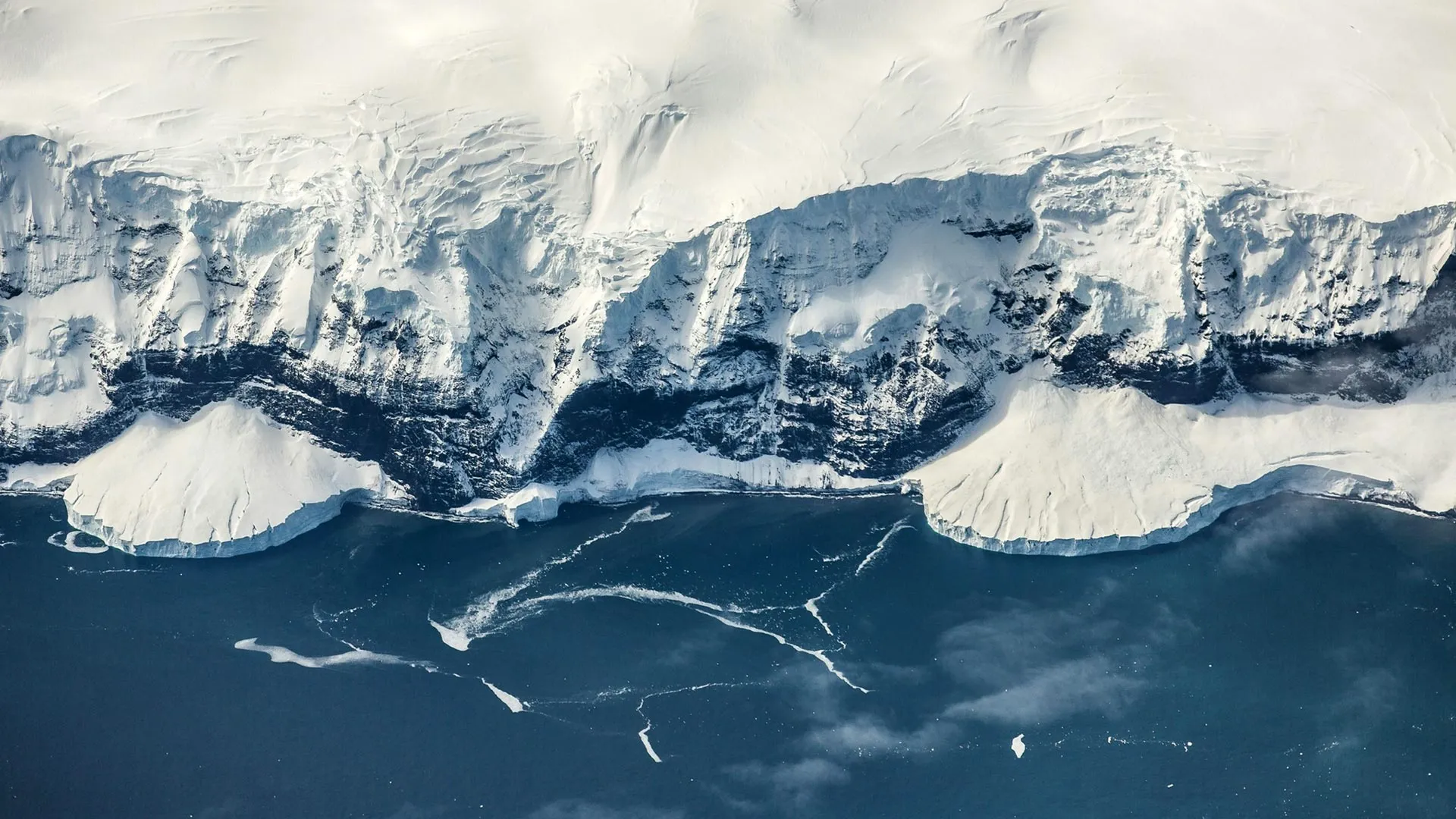
Earth's Interior Shaped Antarctica's Early Ice Age
East Antarctica's ice sheet did not appear because of a cooling planet alone. Slow-moving waves deep within Earth lifted the region, raising mountains and a high plateau where snow could persist even in a warmer world. Once glaciers formed, their reflective surfaces amplified the cooling. This is a reminder that geology and climate move together, not in isolation. For more on how deep Earth processes echo through time, see our coverage of magma and microbial activity rewriting a 2-billion-year-old carbon signal.

Mapping the Earth's Hidden Layers with Seismic Rumbles
Beneath our feet, the ground is rarely silent. Scientists have turned fiber-optic cables into seismic ears, capturing the faint rumble of "thunderquakes" to map the hidden layers of the Earth. It is a clever recalibration of existing infrastructure, transforming a network of light into a tool for urban hazard detection. This approach offers a measurable way to see what is buried below, and it pairs well with our coverage of the Cascadia Subduction Zone, which reveals a similarly fragmented tectonic process.
Underwater Explosions and Ocean Floor Exposure: A Scientific Examination.
Underwater detonations do more than disturb the seabed; they strip away the fragile sediment layers that hold centuries of climatic and biological record. This examination, submitted by /u/Lopsided-Fig6818, treats the exposed ocean floor as a scientific archive, not a casualty. We appreciate the focus on measurable, peer-reviewed evidence over alarm. For readers tracking how human activity reshapes marine geology, our related piece, "Integrated Subsea Infrastructure Shifts to Enhance Indian Ocean Connectivity," offers a parallel view of engineered change.
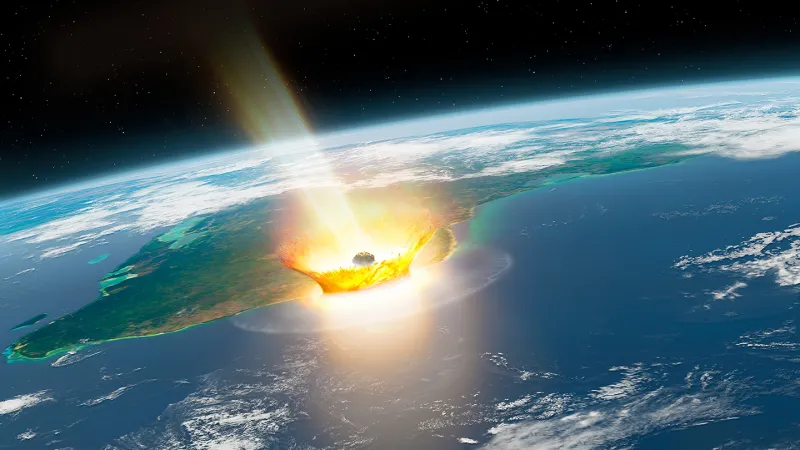
Rapid Atmospheric Heating: Asteroid Dust’s Role in Dinosaur Extinction
Within minutes of impact, debris began heating Earth's atmosphere, and fine dust trapped that heat. The result was a rapid, lethal spike in global temperatures. This mechanism, not the blast alone, may have killed the dinosaurs quickly. It is a stark reminder that extinction can arrive with terrifying speed. For a broader view of how Earth's systems respond to sudden change, see our coverage of the Cascadia Subduction Zone's fragmented tectonic process.