emergency response
17 stories filed under emergency response on World Data Ocean. The newest of them: “Drone damage and severe weather ground two vessels near Istanbul”, “Simulating crisis at sea to sharpen response in the Seto Island Sea”, and “Black Sea incident raises urgent questions on maritime safety and climate risk”. Two commercial vessels have grounded near Istanbul, one after drone damage and another following severe weather. A simulated major accident in the Seto Island Sea on September 30 sharpened real-world response protocols as part of NYK's "Beyond Naka-no-Se" safety campaign. A Global Hub for Ocean Intelligence 4 World Data Ocean is a centralized digital platform where researchers, scientists, and ocean enthusiasts converge to… The list below is every emergency response story on World Data Ocean, newest first.
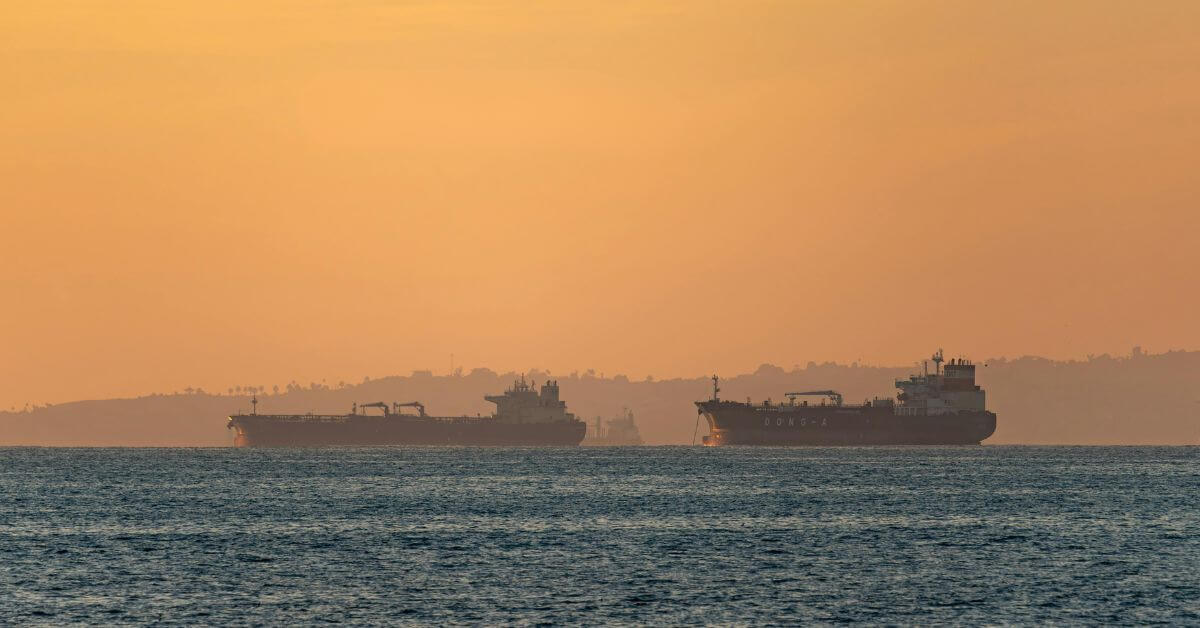
Drone damage and severe weather ground two vessels near Istanbul
Two commercial vessels have grounded near Istanbul, one after drone damage and another following severe weather. These incidents follow multiple reported drone attacks on commercial shipping in the Black Sea throughout October. The convergence of conflict-driven threats and natural hazards in a single maritime corridor is a measurable risk that demands integrated monitoring. For deeper context on regional drone escalation, see our coverage of the Black Sea tanker attacks off Romania.
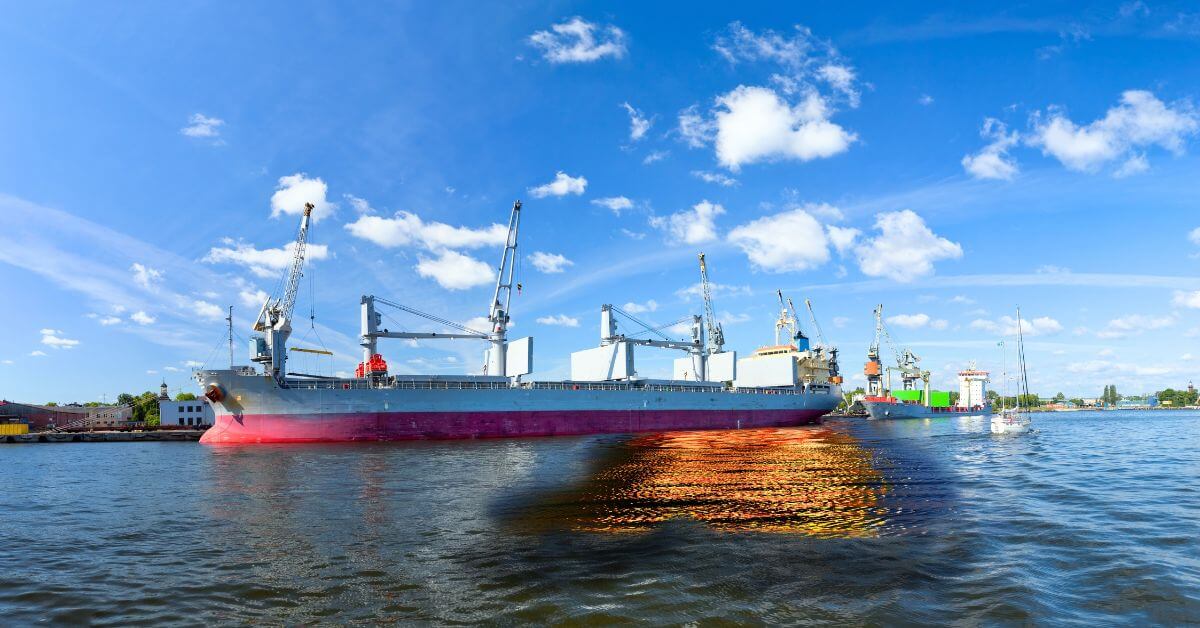
Simulating crisis at sea to sharpen response in the Seto Island Sea
A simulated major accident in the Seto Island Sea on September 30 sharpened real-world response protocols as part of NYK's "Beyond Naka-no-Se" safety campaign. These drills validate preparedness where geography concentrates risk. Such measured, empirical exercises build the integrated data ecosystem needed for effective crisis management, a lesson reinforced by recent real-world events like the Black Sea incident, which raises urgent questions on maritime safety and climate risk. Understanding drives protection, from simulation to response.
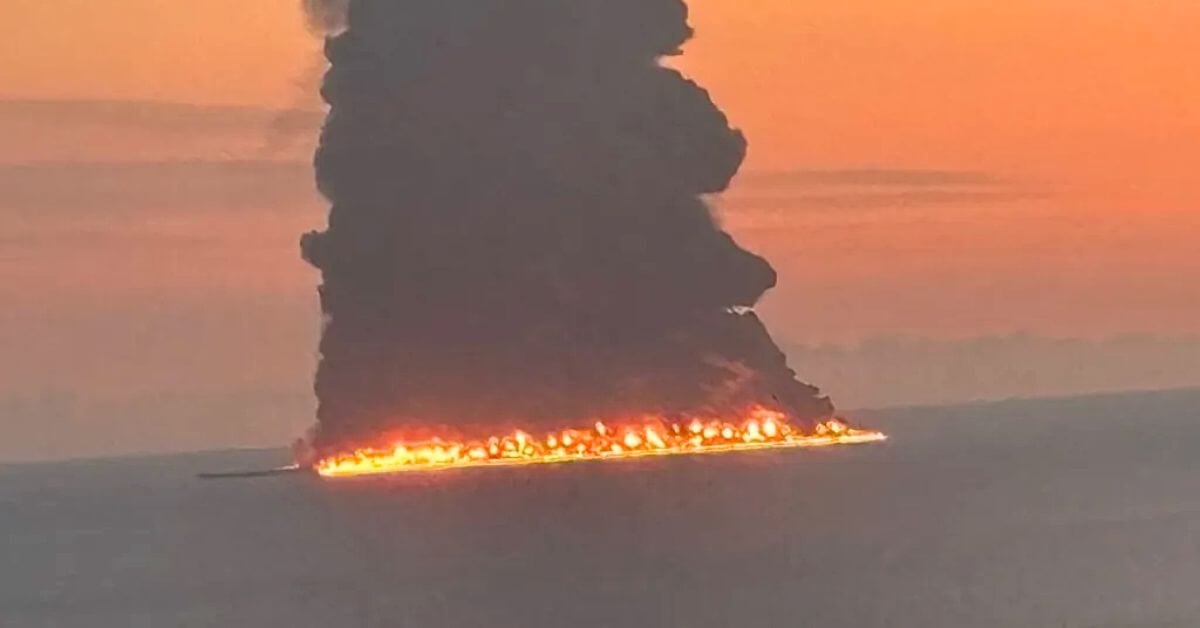
Black Sea incident raises urgent questions on maritime safety and climate risk
A fire aboard a Liberian-flagged oil tanker off Sochi this week is more than a maritime incident, it is a measurable climate indicator. Twenty-three Indian crew members faced immediate danger in the Black Sea, a region already strained by geopolitical tensions and environmental stress. We connect this event to our coverage of the *Two Killed as Corn Freighter Sinks in Black Sea After Drone Strike*, reinforcing that safety at sea now requires integrated risk assessment. Validated data, not alarm, must guide our response.
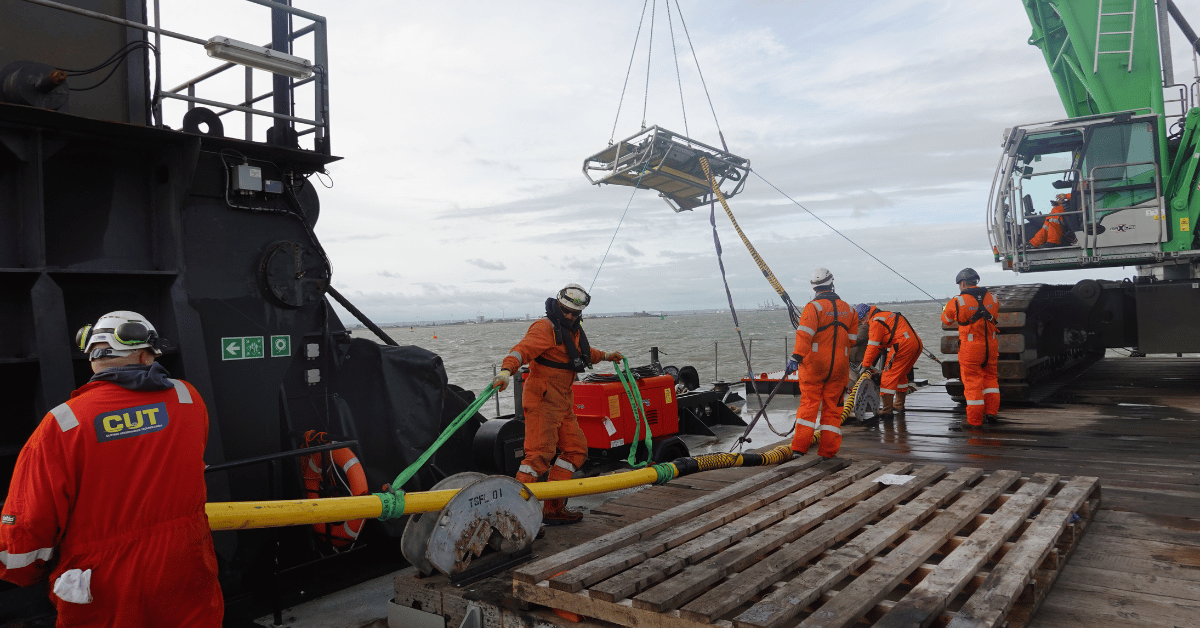
Mitigating a Wartime Legacy: Masts Removed From Munitions Wreck in Thames
Three masts still rise from the SS Richard Montgomery, a WWII wreck holding roughly 1,400 tonnes of munitions in the Thames Estuary. Resolve Marine has now begun removing them, a measured, long-overdue step toward mitigating a wartime legacy that has sat silent for decades. This is not alarmist work; it is empirical, calibrated, and necessary. Understanding drives protection. For deeper coverage of maritime tragedy, see our report on the Virgo Transport 8 recovery, where search data confirmed 71 lost.

River Floods Displace Cruise Ship Into Nepal's Narayani Bridge
A tourist cruise ship was swept into Nepal's Narayani Bridge after days of relentless rainfall swelled the Narayani River. This is not a distant anomaly, it is a measurable consequence of shifting climate indicators. Such events underscore why integrated, real-time ocean and river data matter. Understanding drives protection. For deeper context on how data-enabled responses save lives, see our coverage of "Ocean Data Enables Swift Rescue of Injured Seafarer Near Andamans."

Optimizing Maritime SAR Response Through Dynamic Resource Allocation
Maritime emergencies rarely wait for calm conditions, and neither does the demand for rescue resources. The 2S-DLAS model tackles this head-on by treating demand locations as moving targets, shaped by ocean currents and uncertain timing. It optimizes base placement, resource allocation, and platform routing in one integrated framework, while explicitly accounting for travel-time variability and navigational limits. The IALNS algorithm delivers computational efficiency without sacrificing solution quality. Real cases from the South China Sea validate the approach.
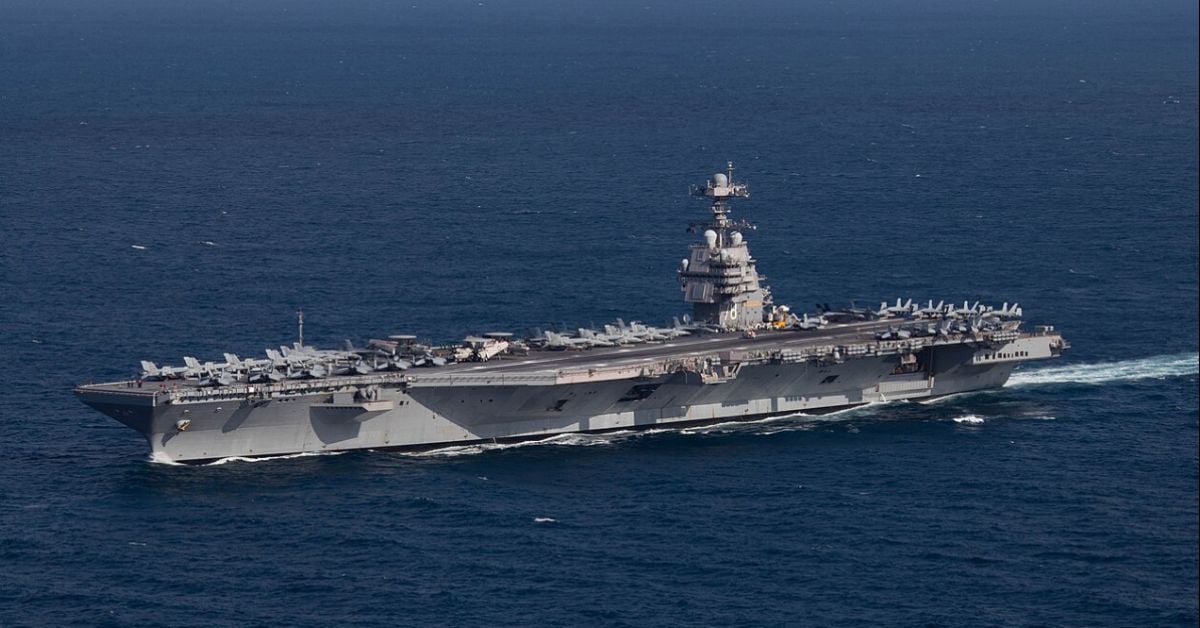
Naval Innovation: Aircraft Carrier Ford to Power Norfolk Base.
The USS Gerald R. Ford, the world's largest aircraft carrier, is set to power a Norfolk naval base, a move that turns operational might into energy resilience. We see this as a practical fusion of defense capability and infrastructure needs, though the details remain scarce. The logic is compelling: leverage a floating reactor for shore-side stability.
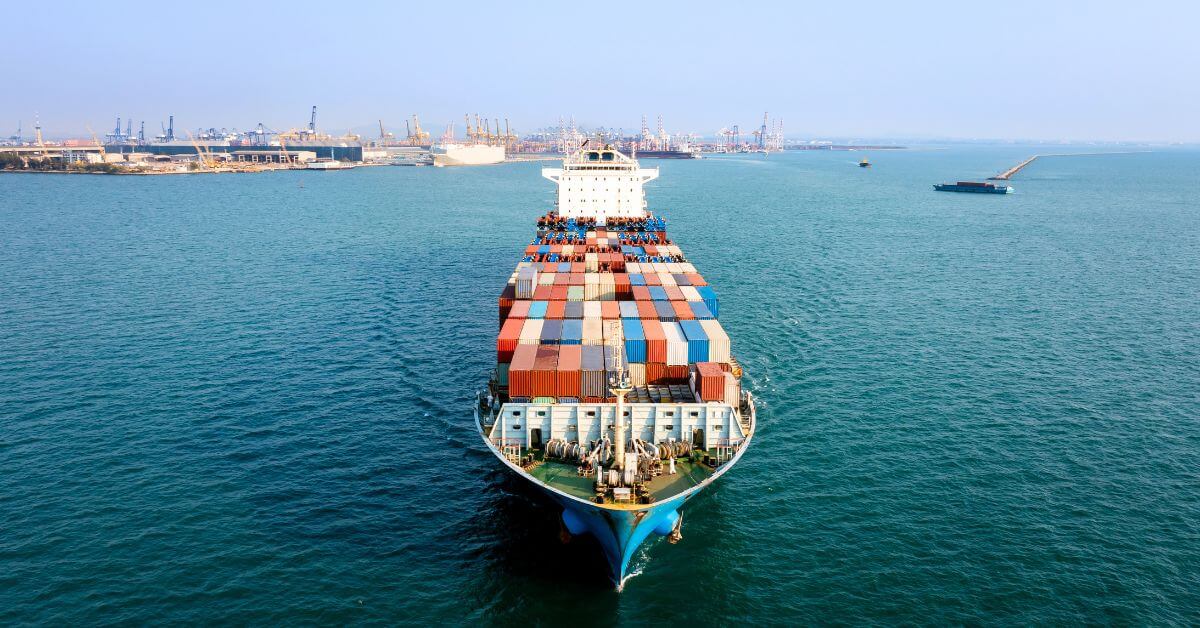
Rising Battery Shipments Demand Enhanced Safety Protocols.
Global lithium-ion battery deployments in 2025 reached six times the volume of 2020, a validated surge that demands calibrated safety protocols. This rapid scaling of energy storage is measurable progress, but it also introduces new risks we must address with the same empirical rigor that drives ocean intelligence. Understanding drives protection. For deeper context on maritime safety, our analysis of the NTSB's 2025 Safer Seas Digest offers peer-reviewed lessons from recent casualties.
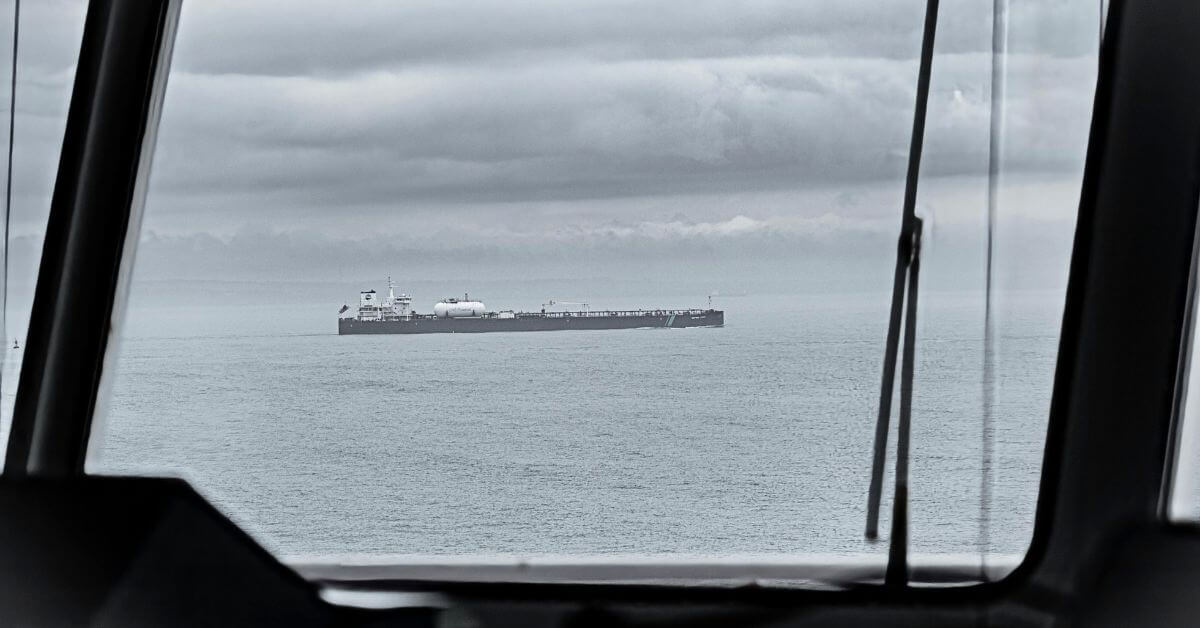
Enhanced Maritime Safety: India's New System Monitors High-Risk Regions
India's Directorate has issued a direct mandate: every vessel carrying Indian crew in designated high-risk regions must be registered in the new monitoring system without delay. That is not bureaucratic noise; it is a calibrated safety net. The move follows intense pressure on maritime routes, from Gulf of Oman STS transfers maxing out to pirate interventions off Somalia. This system is about prevention, not reaction. For crews operating where risk is highest, this is validation that their safety is measurable and prioritized.
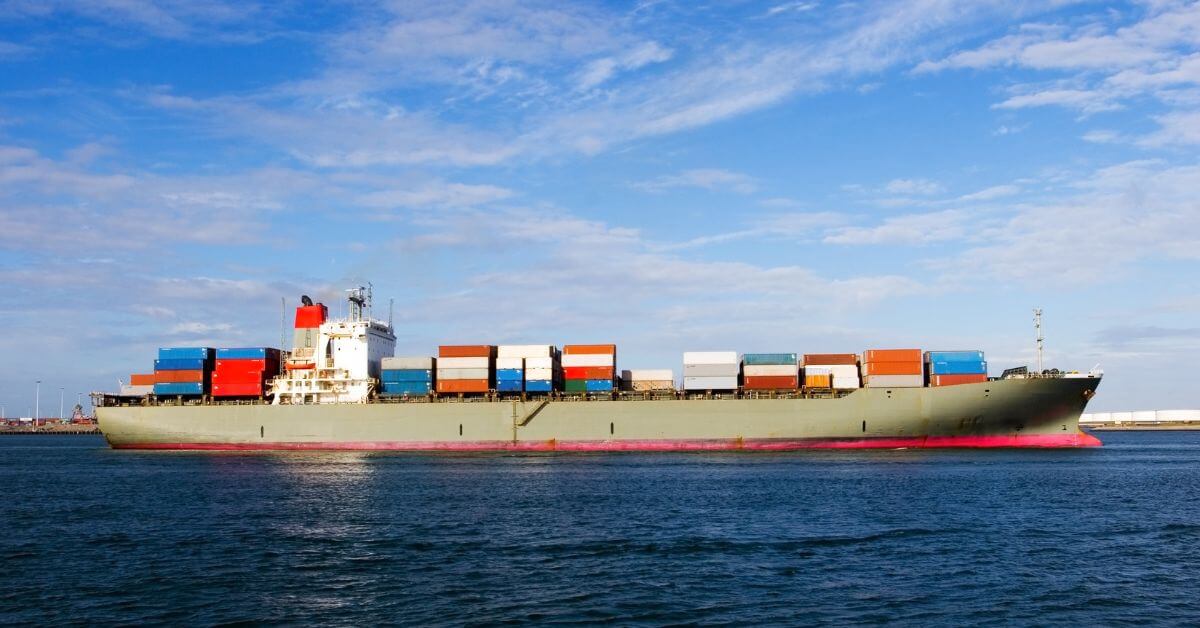
Nuclear-Powered Shipping Route Explored in Transatlantic Collaboration
A transatlantic partnership has launched to explore a nuclear-powered shipping route, with Lloyd's Register, Maersk, and the ports of Charleston and Felixstowe collaborating on the Pink Corridor project. The initiative reflects a measured, forward-looking approach to decarbonizing maritime transport, one grounded in feasibility rather than hype. Nuclear propulsion remains a complex proposition, but this kind of cross-border, industry-led testing is how real progress gets calibrated. For broader context on maritime chokepoints, our coverage of the Strait of Hormuz reopening offers a timely parallel.
Optimizing Arctic Oil Spill Response with Integrated Data and Simulation
In Arctic oil-spill emergencies, the margin for error is measured in hours and ecological cost. A hierarchically hybrid scheduling framework, coupling decision tiers from resource call-ups to on-site adjustments, directly confronts this complexity. The Barents Sea case study proves the model's mettle: a balanced solution achieving a 25.1-hour response time with an 84.6% recovery rate, cutting composite performance loss by over 59% against static planning. This is the integrated data ecosystem operational, not theoretical.

SLNC York Crew Rescued After Water Ingress in Pacific
The crew of the U.S.-flagged SLNC York is safe after the vessel began taking on water mid-Pacific, with operator Schuyler Line Navigation Company confirming the rescue. Swift action turned a perilous situation into a measured outcome, a reminder that reliable seamanship remains the backbone of maritime safety. We track these incidents closely because each one sharpens our understanding of ocean risk.

Shipyard Fire and Explosion in Fujian Highlights Maritime Risks.
A shipyard fire and explosion in Fujian, a critical hub for shipbuilding and repair, has thrust maritime safety back into focus. The province's position across the Taiwan Strait from democratically governed Taiwan adds geopolitical weight to an already urgent incident. This is not a distant anomaly; it is a reminder that industrial ambition must be matched by rigorous, validated safety protocols. We cannot afford to learn these lessons slowly.

Indian Maritime Effort Ensures Safe Passage for Vessels and Seafarers
The Indian government confirmed that vessels completed their transits through the West Asia region despite heightened security concerns, underscoring the maritime effort that ensured safe passage for ships and seafarers. This is steady, measured progress in a volatile corridor. The commitment reflects a practical approach to ocean stewardship, where operational reliability carries weight. For those tracking regional dynamics, our related coverage on the Gulf of Oman STS transfers offers additional context on the pressures shaping these routes. Safe passage is not incidental; it is engineered.

Alternative Fuels: UK Shipping Assesses Safety for a Net Zero Transition
Safety is the quiet foundation of shipping's energy transition, and the UK Chamber of Shipping's new report ensures it is not overlooked. The assessment addresses the practical risks of alternative fuels, grounding the net zero shift in empirical, peer-reviewed scrutiny rather than optimism alone. That measured approach matters for an industry where precision is non-negotiable. For those tracking how such operational data integrates with broader ocean intelligence, our related piece on bridging data gaps through citizen science offers a useful complement to this safety-first perspective.

Tanker Fire Near Fredrikstad: Crew Safe, No Pollution Reported.
The crew's safe evacuation anchors this incident, yet the absence of pollution or cargo release is the outcome that matters most. All 15 aboard were accounted for, with no injuries reported, a result that speaks to swift coordination between authorities and the ship's manager. The event underscores how preparedness converts potential crisis into manageable disruption. For broader context on maritime risks, our coverage of the cargo ship fire near Mykonos offers a parallel.

Maritime Safety: Integrated Systems and Procedures for Complex Operations
A commercial voyage is won long before the gangway comes ashore; it is secured in the orchestration of mooring lines, cargo holds, and the discipline of enclosed space entry. These integrated systems and procedures form the real ballast of maritime safety. We see this complexity as a strength, not a burden. Vessels that master this coordination operate with a quiet authority.