cryosphere
7 stories filed under cryosphere on World Data Ocean. The newest of them: “Switzerland's glacier loss accelerates to nearly 20% in five years”, “Antarctica's sea ice decline signals a measurable shift in polar dynamics”, and “Two weeks after launch, Sentinel-3C delivers calibrated first views of a changing ocean”. Switzerland's glaciers lost more than 5% of their ice volume in 2026 alone, pushing the five-year total to nearly 20%. Antarctica's sea ice reached its third-lowest winter maximum on record in 2026, extending a measurable decline that follows years of surprising growth. A Global Hub for Ocean Intelligence 4 World Data Ocean is a centralized digital platform where researchers, scientists, and ocean enthusiasts converge to… The list below is every cryosphere story on World Data Ocean, newest first.
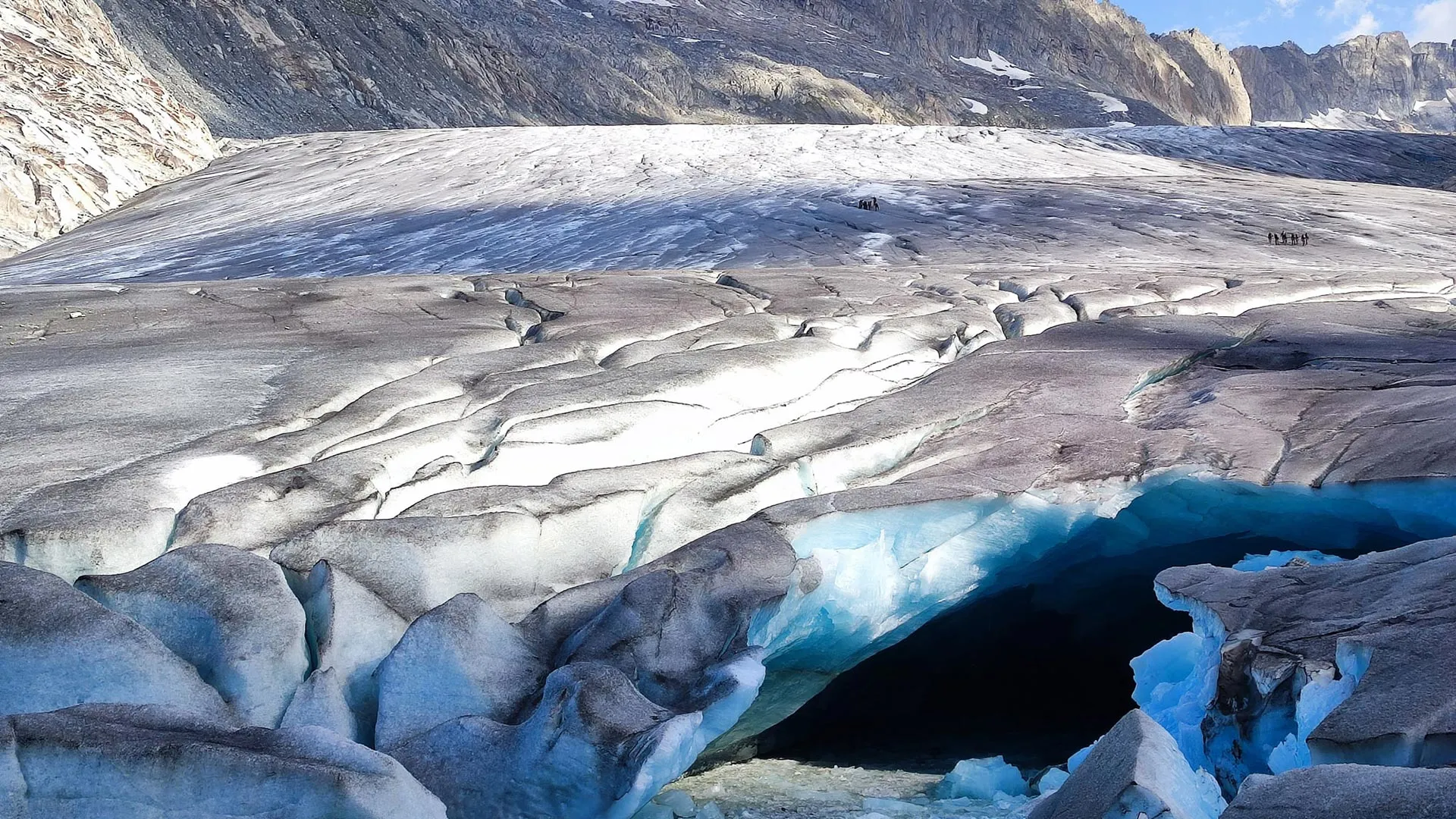
Switzerland's glacier loss accelerates to nearly 20% in five years
Switzerland's glaciers lost more than 5% of their ice volume in 2026 alone, pushing the five-year total to nearly 20%. Some of the country's most famous glaciers recorded their worst melting ever, while smaller ones vanished entirely. Unusually snowless winters and extreme summer heat are driving this measurable, empirical loss. These are not abstract climate indicators, they are calibrated, real-time signals of systemic change.
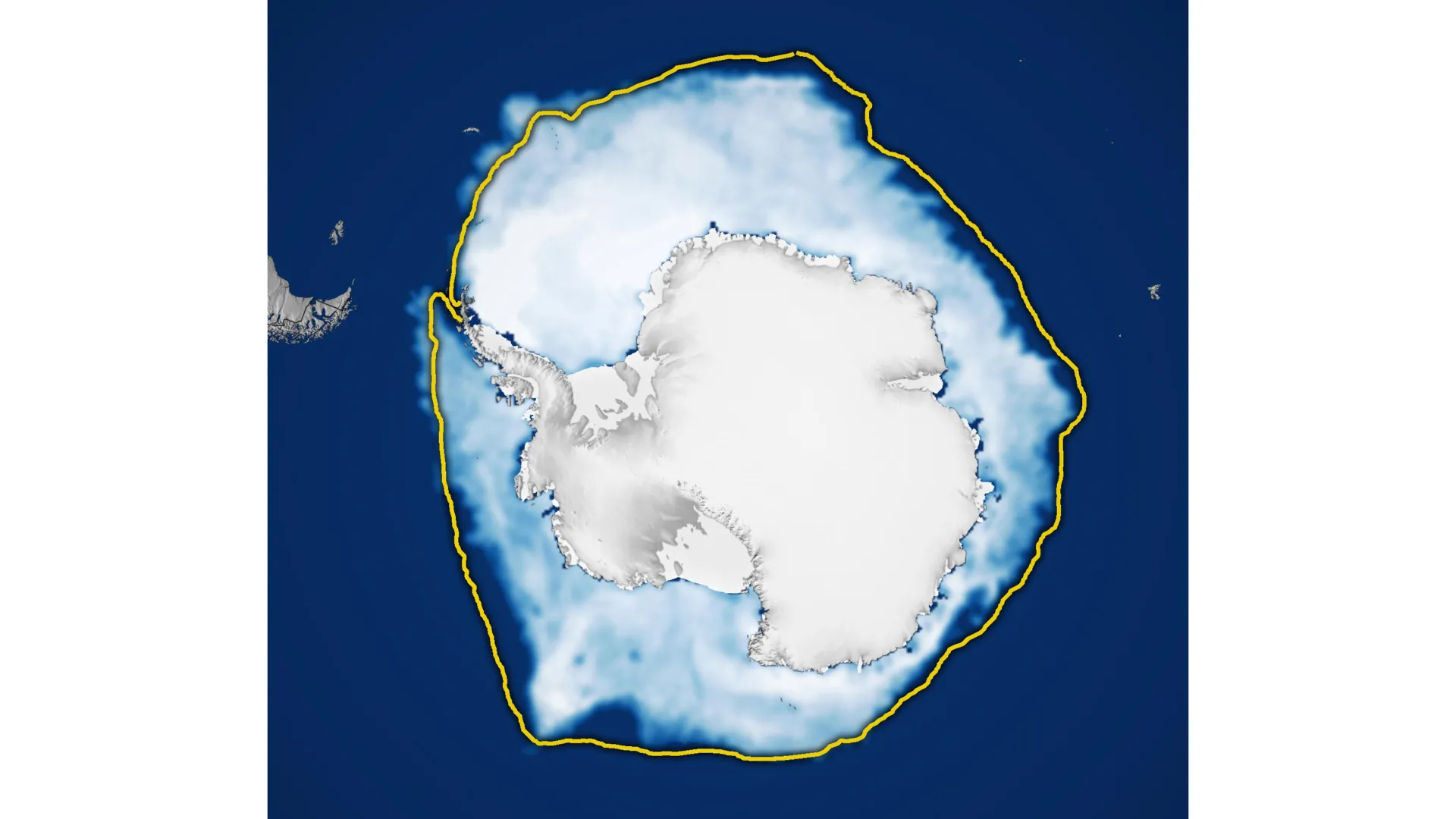
Antarctica's sea ice decline signals a measurable shift in polar dynamics
Antarctica's sea ice reached its third-lowest winter maximum on record in 2026, extending a measurable decline that follows years of surprising growth. This reversal demands rigorous investigation: are we witnessing a fundamental shift in polar dynamics? Understanding drives protection, and empirical data from satellites like Sentinel-3C, which delivered calibrated first views of a changing ocean shortly after launch, will be essential for tracking what comes next.
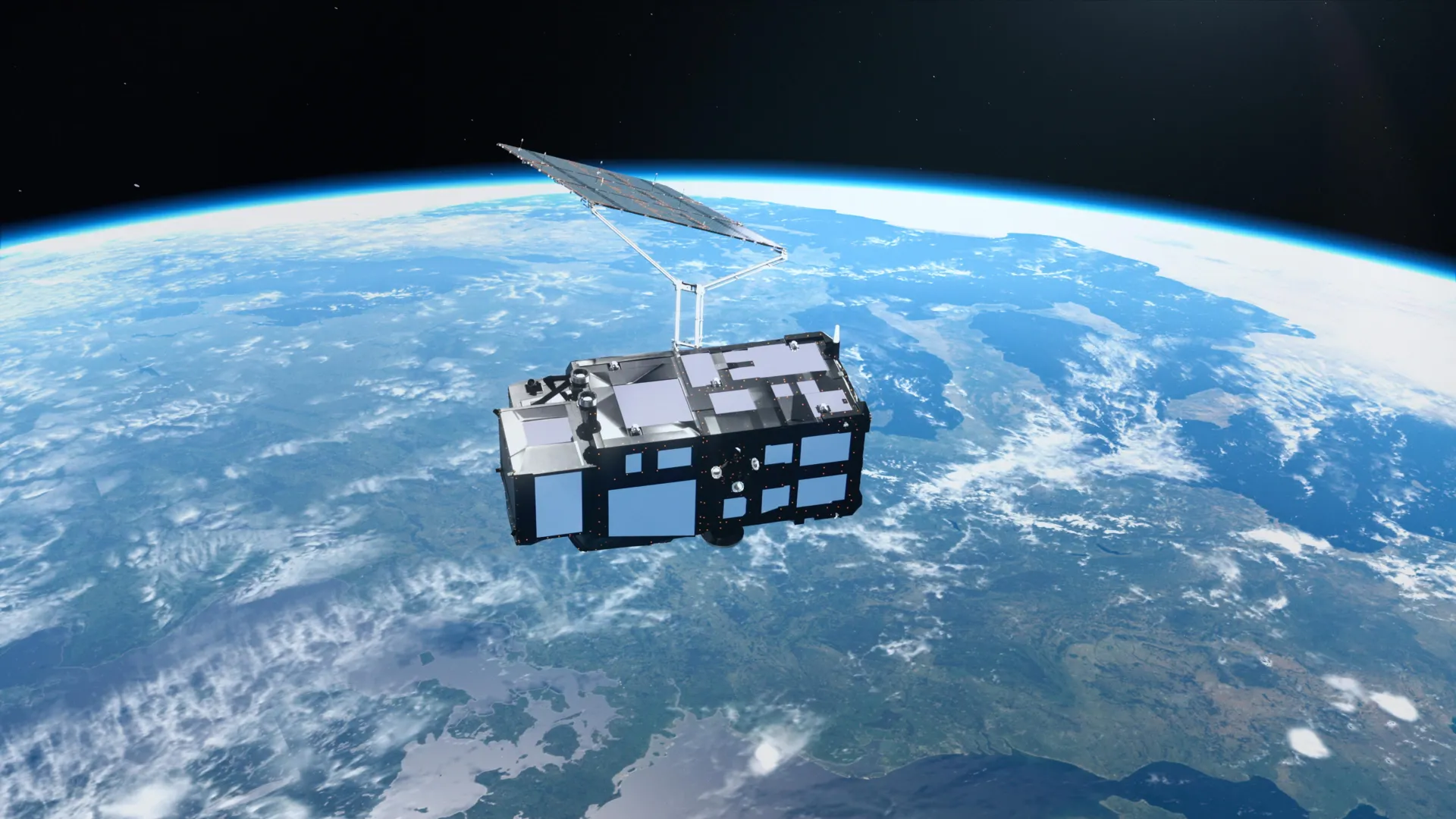
Two weeks after launch, Sentinel-3C delivers calibrated first views of a changing ocean
Two weeks after launch, Sentinel-3C has already delivered calibrated first views of a changing ocean, from the frozen Arctic to the Caribbean. These early measurements validate the satellite's capacity to track rising seas and melting ice with empirical precision. Understanding drives protection, and this instrument is now part of an integrated data ecosystem. For context on how such observations support coordinated maritime action, see our coverage of Europe's COASTEX 2026 trial.
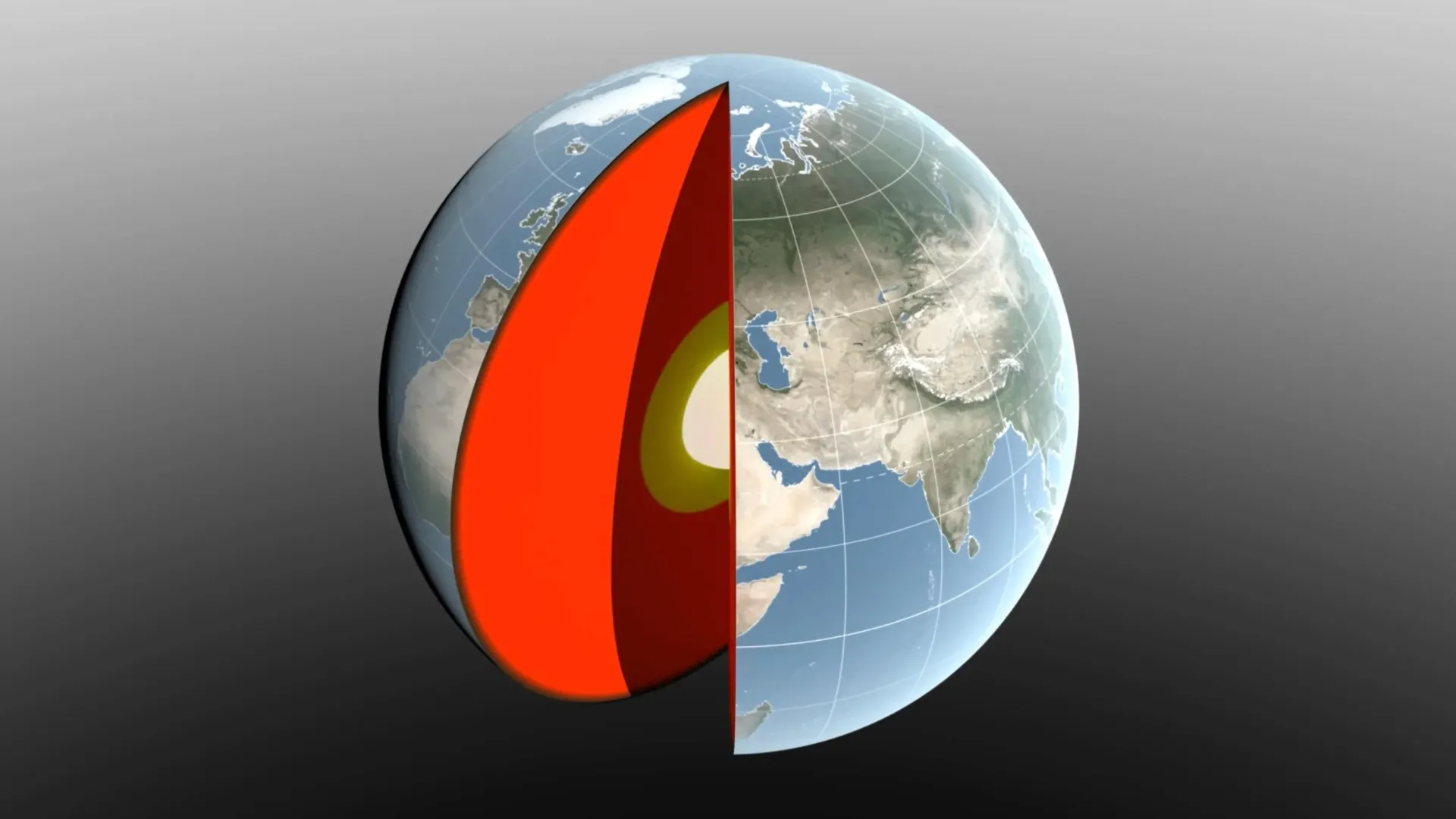
Satellites track Earth's shifting center of mass with new precision
Earth's center of mass moves millimeters each season as water, ice, and air migrate across the globe. NASA scientists have now calibrated a method to track these tiny swings with new precision, integrating laser-ranging satellites, GPS, and crustal deformation data into a validated, real-time measurement. This is empirical ocean intelligence at work. Understanding these shifts sharpens our climate indicators. For deeper context on measurable planetary change, explore our coverage of the calibrated OceanRAIN dataset.

Massive Iceberg Calving and Transit: A Longitudinal Arctic Observation
A 76-square-kilometer iceberg broke from Greenland's Petermann Glacier in August 2026, the Arctic's largest calving event in six years. It struck Joe Island yet held together, and satellites now track its drift through Nares Strait. Such empirical, real-time observation is essential for calibrating climate indicators. Understanding drives protection. For deeper context on Arctic maritime shifts, see our coverage of Russia's icebreaker fleet revenue plans.
Hidden Ice Reservoir Discovered Beneath Utah’s Mountains
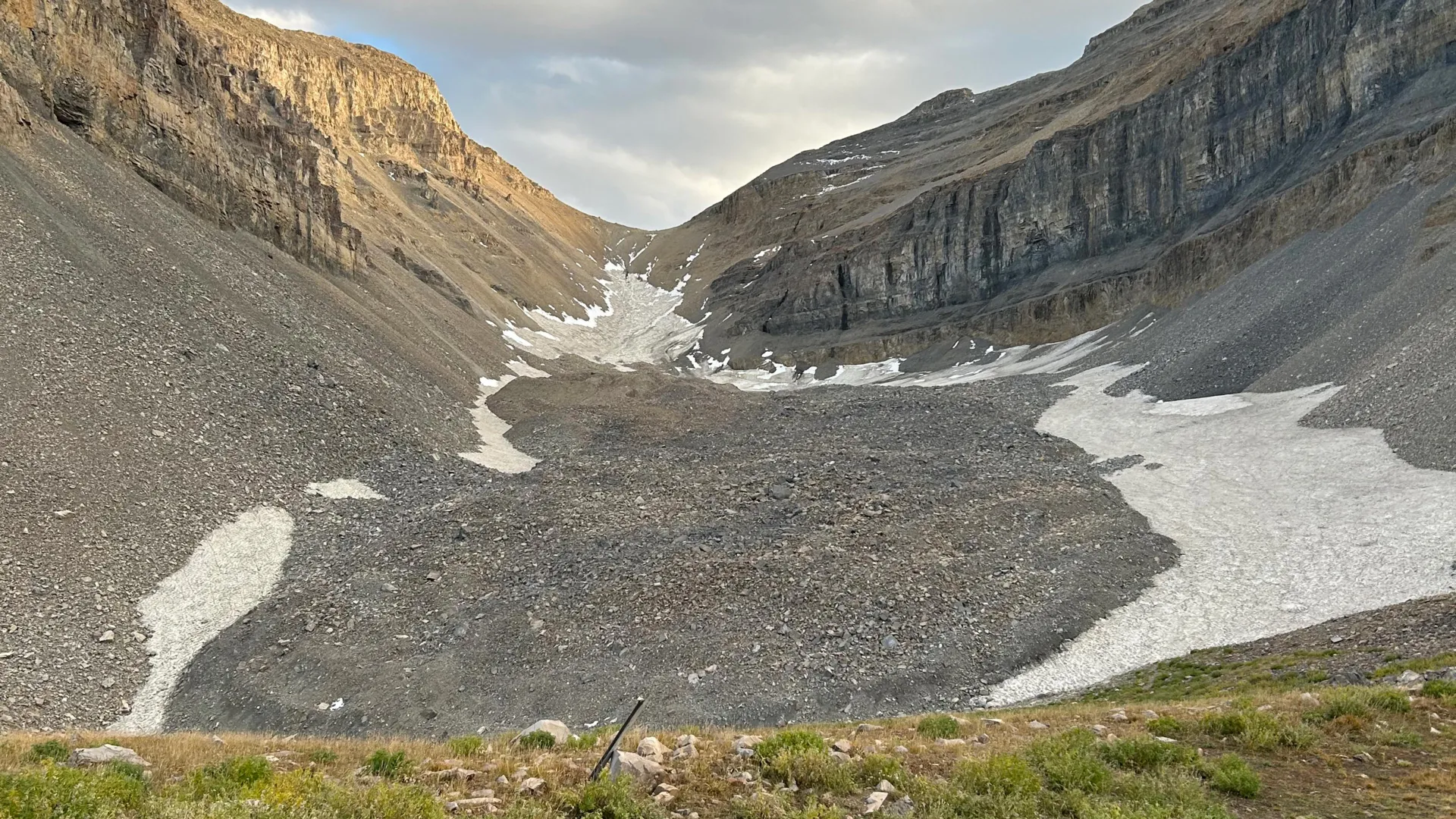
Beneath Mount Timpanogos's rocky slopes, gravity measurements have revealed a buried glacier composed of 83% ice, holding enough water to fill 600 Olympic swimming pools. This discovery clarifies how rock glaciers form when debris preserves persistent snow for millennia. The find is a measurable reminder that hidden water reserves may exist worldwide, potentially storing tens of gigatons. It complements our coverage of Cascadia's Subduction Zone Reveals a Fragmented Tectonic Process, reinforcing how much of Earth's subsurface dynamics remain unseen yet consequential.
Earth's Interior Shaped Antarctica's Early Ice Age
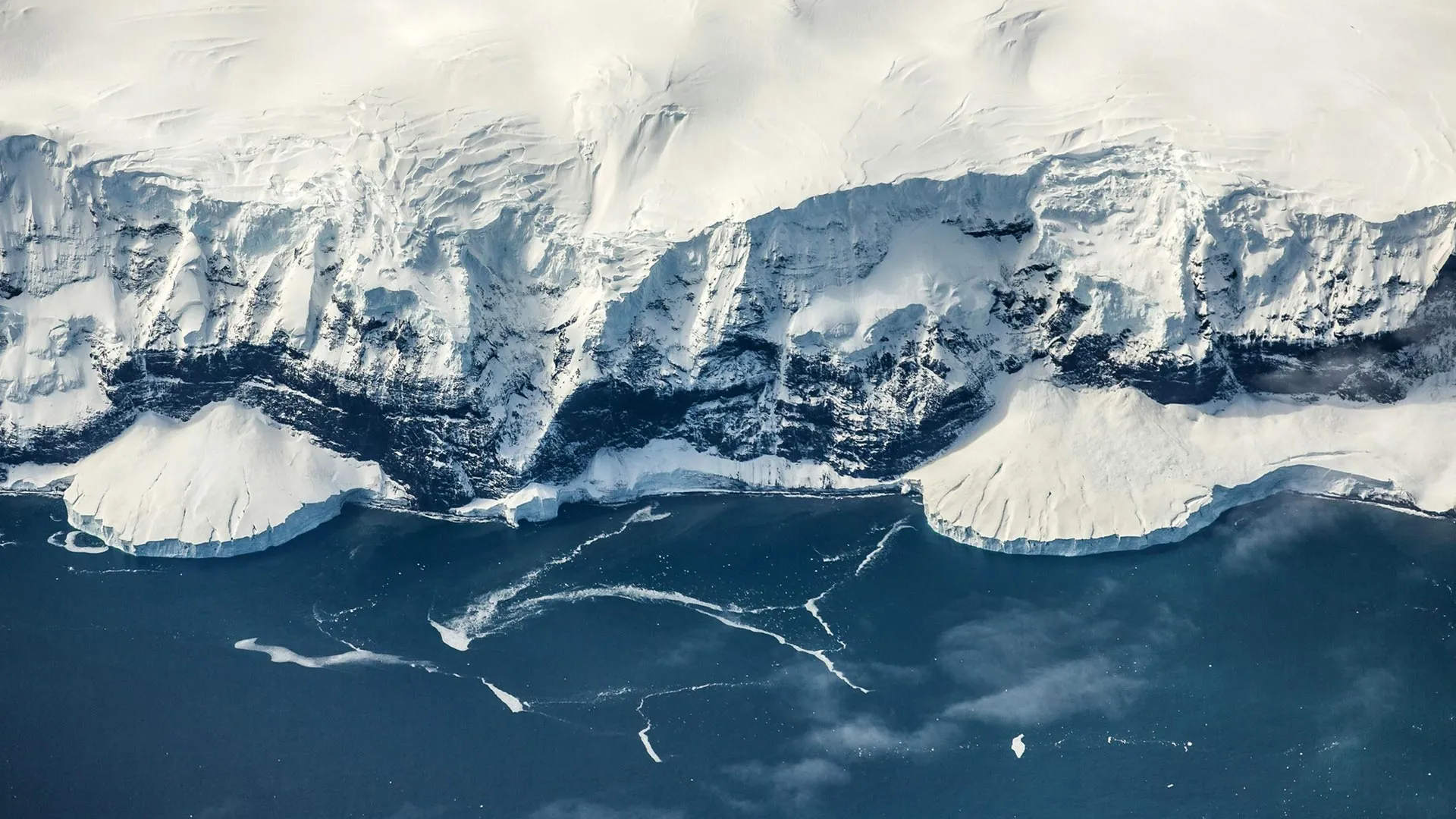
East Antarctica's ice sheet did not appear because of a cooling planet alone. Slow-moving waves deep within Earth lifted the region, raising mountains and a high plateau where snow could persist even in a warmer world. Once glaciers formed, their reflective surfaces amplified the cooling. This is a reminder that geology and climate move together, not in isolation. For more on how deep Earth processes echo through time, see our coverage of magma and microbial activity rewriting a 2-billion-year-old carbon signal.