container ships
10 stories filed under container ships on World Data Ocean. The newest of them: “36 dual-fuel engines power LNG fleet toward measurable emissions reduction”, “Validated Data to Calibrate Roll Damping on Large Container Ships”, and “Steel cut for first unified dry cargo vessel in Russia's new fleet platform”. Thirty-six dual-fuel engines will power twelve new 18,000-TEU CMA CGM container ships, each designed to operate on LNG for measurable emissions reduction. Real-world data from a large container ship is now being used to validate how roll damping tanks reduce rolling at sea. A Global Hub for Ocean Intelligence 4 World Data Ocean is a centralized digital platform where researchers, scientists, and ocean enthusiasts converge to… The list below is every container ships story on World Data Ocean, newest first.
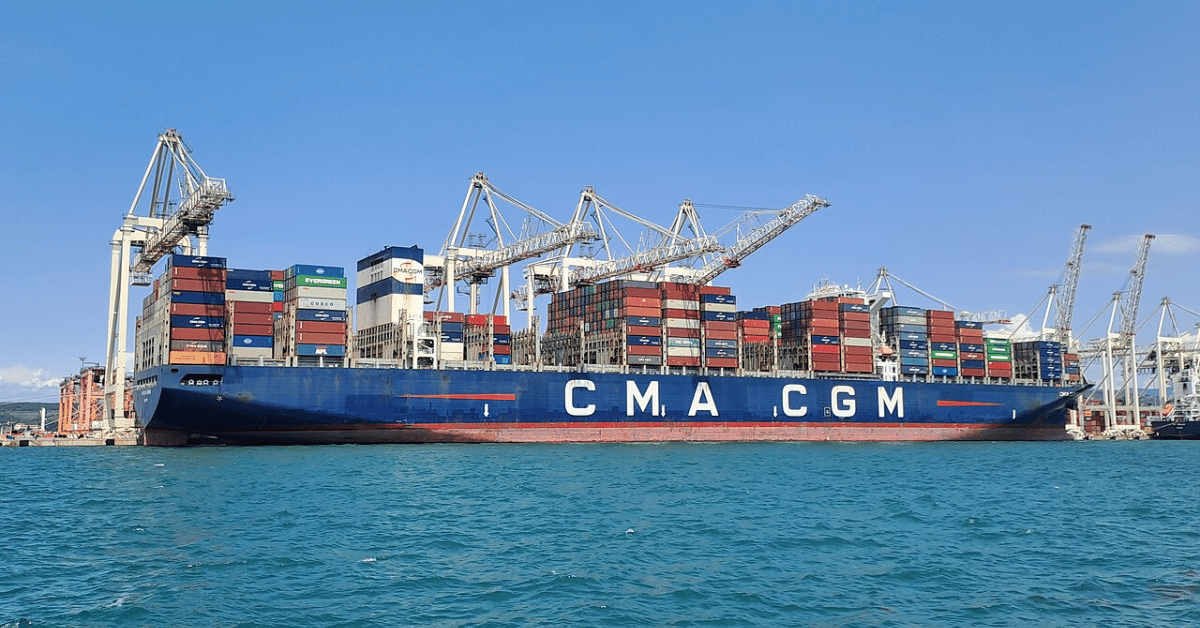
36 dual-fuel engines power LNG fleet toward measurable emissions reduction
Thirty-six dual-fuel engines will power twelve new 18,000-TEU CMA CGM container ships, each designed to operate on LNG for measurable emissions reduction. Wärtsilä's supply contract demonstrates how integrated propulsion technology can deliver validated, real-world gains in ocean intelligence. This is empirical progress, not hype. For context on maritime stability, readers may explore our coverage of India's proposed measured maritime truce to protect Black Sea shipping. Understanding drives protection.

Validated Data to Calibrate Roll Damping on Large Container Ships
Real-world data from a large container ship is now being used to validate how roll damping tanks reduce rolling at sea. ONE and ClassNK have launched a joint study grounded in empirical, measurable performance. This is the kind of calibrated, peer-reviewed work that turns ocean intelligence into safer, more efficient shipping. For another example of validated marine data driving progress, see our coverage of the hydrogen tanker *Kikou Maru* and its successful sea trials.
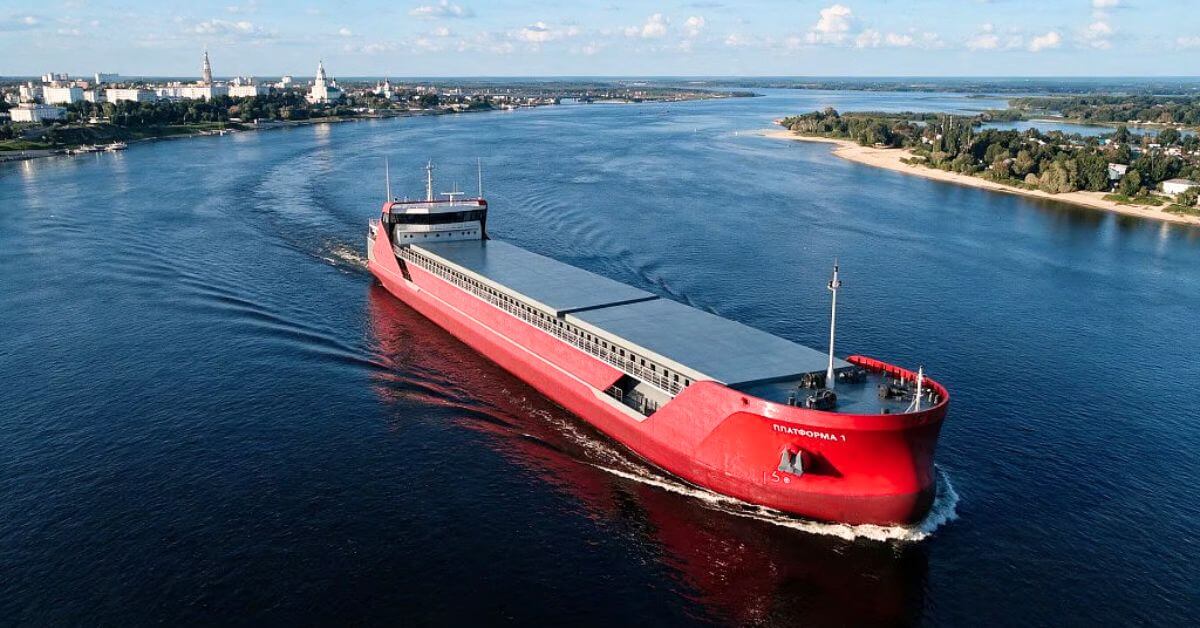
Steel cut for first unified dry cargo vessel in Russia's new fleet platform
Steel has been cut for the lead KSD1 dry cargo vessel at the Krasnoye Sormovo shipyard, marking the first unified hull in Russia's new fleet platform. This is a measured step in industrial continuity, not a headline grabber. The vessel's construction proceeds alongside broader maritime tensions. Readers tracking disruption in the Black Sea may find our coverage of the captain charged over Ukrainian grain instructive, the two stories belong to the same complex seascape. Understanding drives protection.
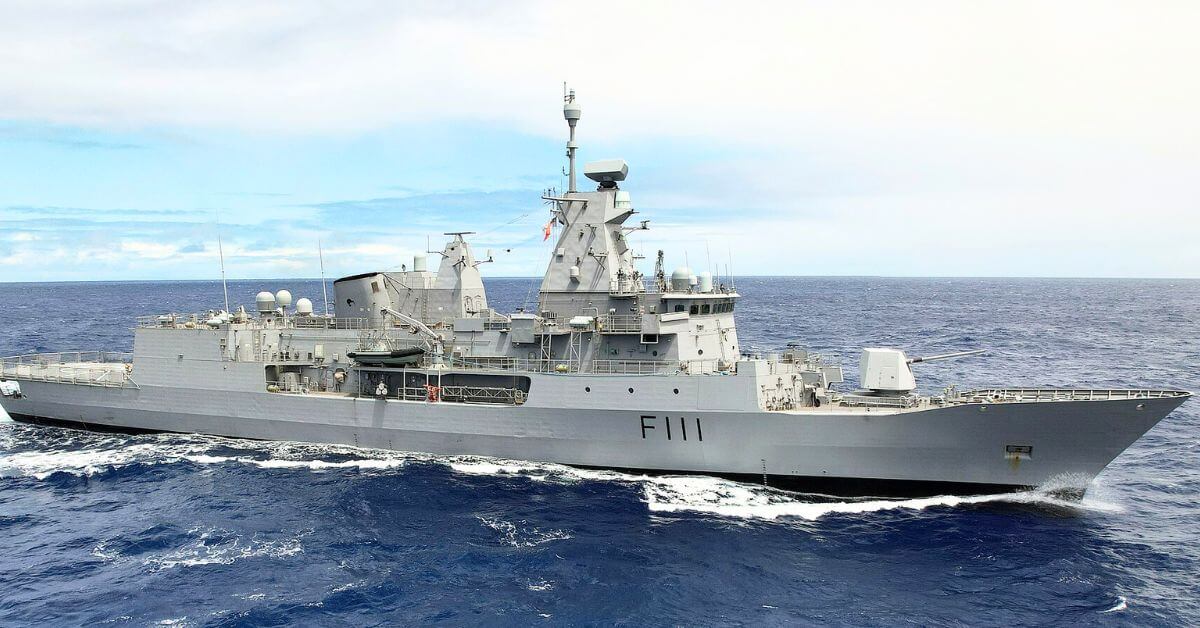
New Zealand Vessels Traverse Taiwan Strait En Route to Philippines Exercise
Two New Zealand naval vessels transited the Taiwan Strait on Sept. 18, bound for a joint exercise with the Philippines. The move signals a quiet but deliberate expansion of maritime collaboration across the Indo-Pacific, one that prioritizes operational presence over provocation. For those tracking the region's shifting security architecture, this passage is a measured data point, not a headline. It complements our coverage of integrated subsea infrastructure shifting toward the Indian Ocean, where strategic connections are being redrawn.
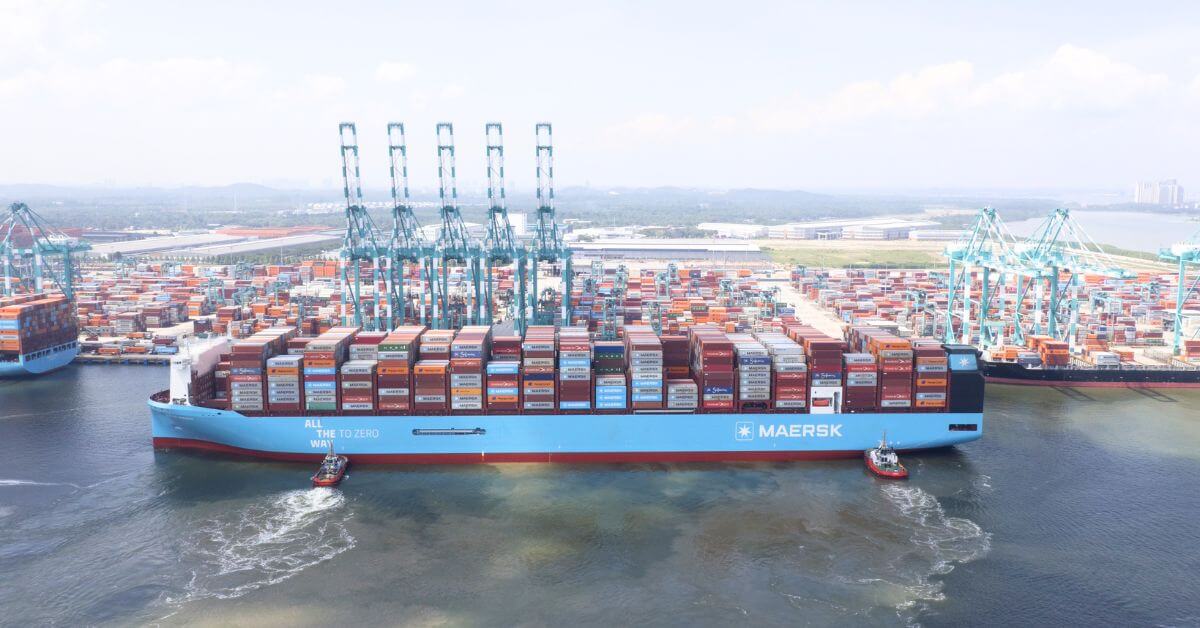
Maersk’s Fleet Expansion Signals Continued LNG Investment in Global Shipping
Maersk's planned order of 42 dual-fuel LNG vessels, including 12 ships at 24,000 TEU, signals a decisive, long-term commitment to gas as a transitional marine fuel. This is not speculative hedging; it is calibrated capacity building. The scale is measurable, and the direction is clear. For context on how port infrastructure is evolving alongside such fleet strategies, our related piece, "Paradip Port Designated a Mega Port, Anchors Eastern India's Maritime Growth," offers a useful lens.
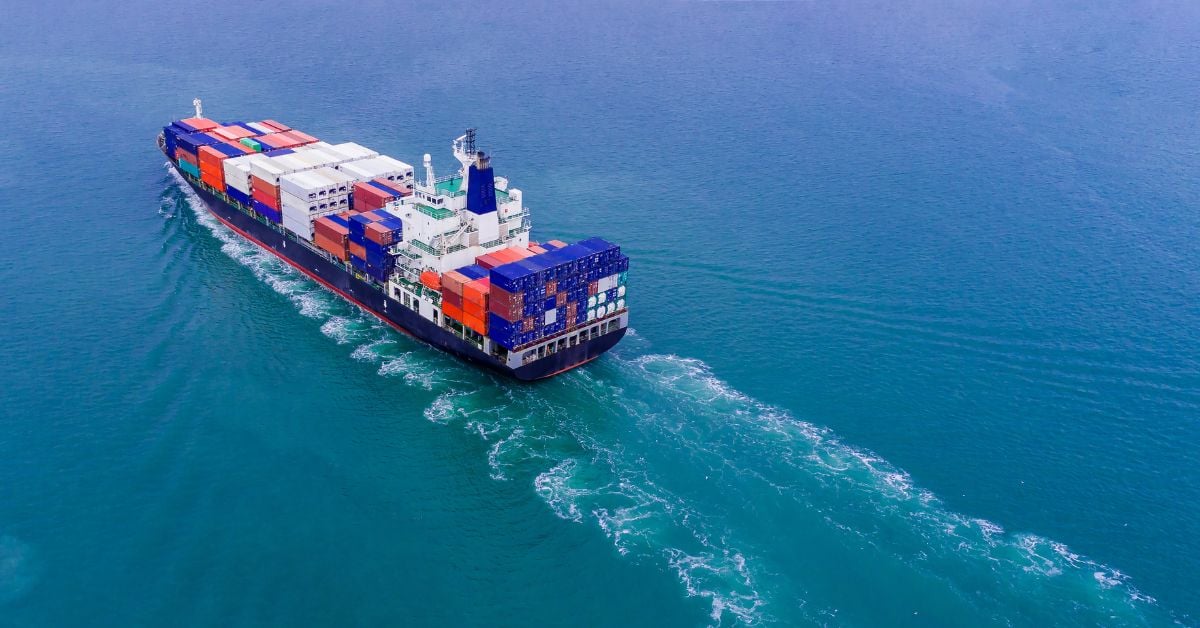
Scaling Seas: Gigamax Container Ships Forecasted for East-West Trade.
A 27,500-TEU vessel represents more than a simple capacity increase. It signals a recalibration of global trade infrastructure, where scale itself becomes a strategic asset. These Gigamax ships will demand deeper ports, stronger cranes, and tighter scheduling across entire supply chains. The question is whether our current systems can absorb that pressure. For context on how maritime nations are already adapting, see our coverage of "Russia Calibrates Export Revenue for Northern Sea Route Icebreaker Fleet."

Port Delays Surge: Global Congestion Impacts Freight Rates and Operations
Port congestion is no longer a logistical footnote; it is a primary lever on global freight rates. Longer waiting times at anchor translate directly into longer turnaround times for vessels, and that idling carries a measurable cost. The result is an escalation in freight rates and operational expenses that ripples through every supply chain. This is the friction of a system operating at its limits. While record port activity reflects surging Chinese exports amid trade uncertainty, the operational strain is undeniable.

Seafarer Wellbeing Declines: Workload and Shore Leave Impact Happiness.
The Seafarers Happiness Index fell to 6.87 in Q2 2026, a measurable decline driven by mounting workloads, shrinking shore leave, and eroding purchasing power. These are not abstract pressures; they are the quiet costs of sustained maritime demand. When crew wellbeing slips, operational resilience follows. For context on the pressures reshaping crew schedules, our coverage of Gulf of Oman STS Transfers Max Out Amid Rising Saudi Oil Exports shows how intensifying trade flows strain the very systems crews depend on.

Maritime Security Data Reveals Surge in Piracy, Malacca Strait Hotspot
Piracy incidents rose to 137 in 2025, with the Malacca Strait emerging as the primary hotspot, according to the latest maritime security data. The concentration of cases in this critical waterway underscores persistent vulnerabilities in one of the world's busiest shipping lanes. This is not a distant problem; it is a measurable strain on the integrated data ecosystem that underpins global trade.

Enhanced Vessel Monitoring Launched Amidst Gulf of Oman Maritime Concerns
The enhanced vessel monitoring initiative arrives as missile attacks target the MT Al Bahiyah and MT Mombasa near the Strait of Hormuz, a stark reminder that maritime security remains a pressing operational reality. We view this as a calibrated step toward measurable protection, one that aligns with our commitment to ocean intelligence. For broader context on regional pressures, our related piece on Gulf of Oman STS transfers offers useful perspective. The sea demands vigilance, and we intend to track it.