commercial shipping
28 stories filed under commercial shipping on World Data Ocean. The newest of them: “Strait of Hormuz tanker strikes leave two Indian seafarers missing”, “Arctic transit validated as PanStar Acro completes maiden commercial voyage”, and “Injured crew evacuated after fire erupts aboard tanker in Strait of Hormuz”. Two Indian seafarers are missing after commercial vessels MT Petro Dolphin and MT Valthera were attacked in the Strait of Hormuz on Sunday. The PanStar Acro has completed its maiden commercial round-trip through Arctic waters, validating a new transit route for global shipping. A Global Hub for Ocean Intelligence 4 World Data Ocean is a centralized digital platform where researchers, scientists, and ocean enthusiasts converge to… The list below is every commercial shipping story on World Data Ocean, newest first.
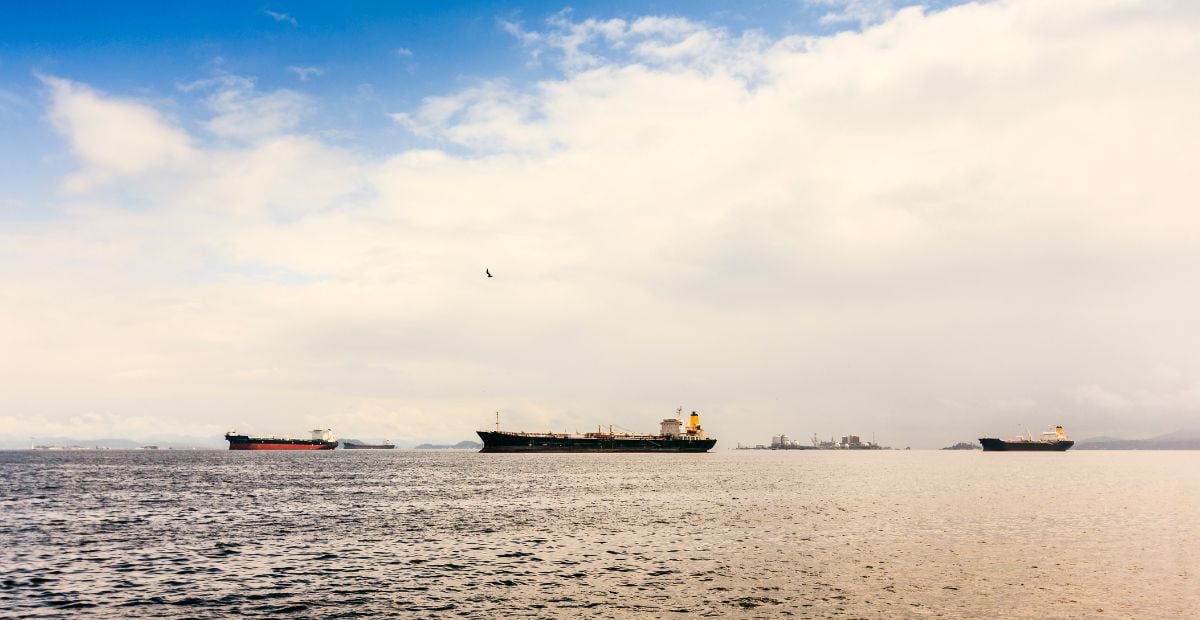
Strait of Hormuz tanker strikes leave two Indian seafarers missing
Two Indian seafarers are missing after commercial vessels MT Petro Dolphin and MT Valthera were attacked in the Strait of Hormuz on Sunday. This is not an isolated incident. Drone and fire attacks target three tankers near Strait of Hormuz, underscoring the mounting risks to maritime safety in a waterway critical to global energy flows. The loss of life and disruption to shipping demand measurable accountability and validated security protocols. The ocean cannot protect itself; integrated intelligence can.
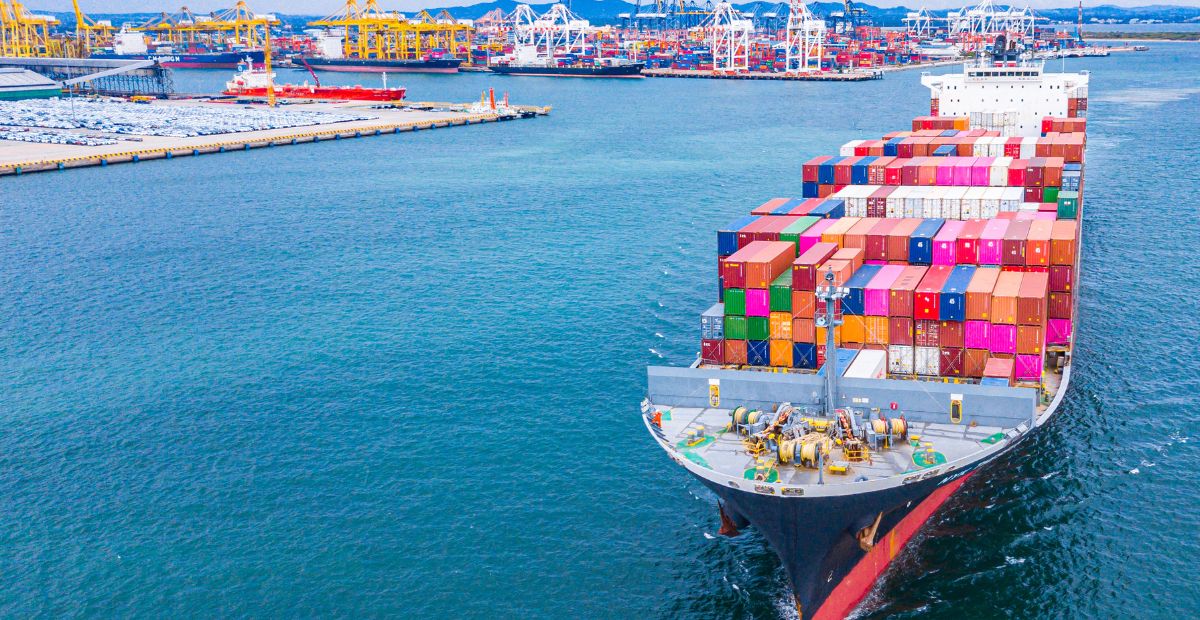
Arctic transit validated as PanStar Acro completes maiden commercial voyage
The PanStar Acro has completed its maiden commercial round-trip through Arctic waters, validating a new transit route for global shipping. This South Korean container ship's successful voyage, through Russian Arctic corridors, demonstrates measurable progress in integrated polar logistics. Understanding drives protection, and empirical data from this journey will sharpen climate indicators and ocean intelligence. For further context on maritime security, see our coverage of the Strait of Hormuz tanker strikes.
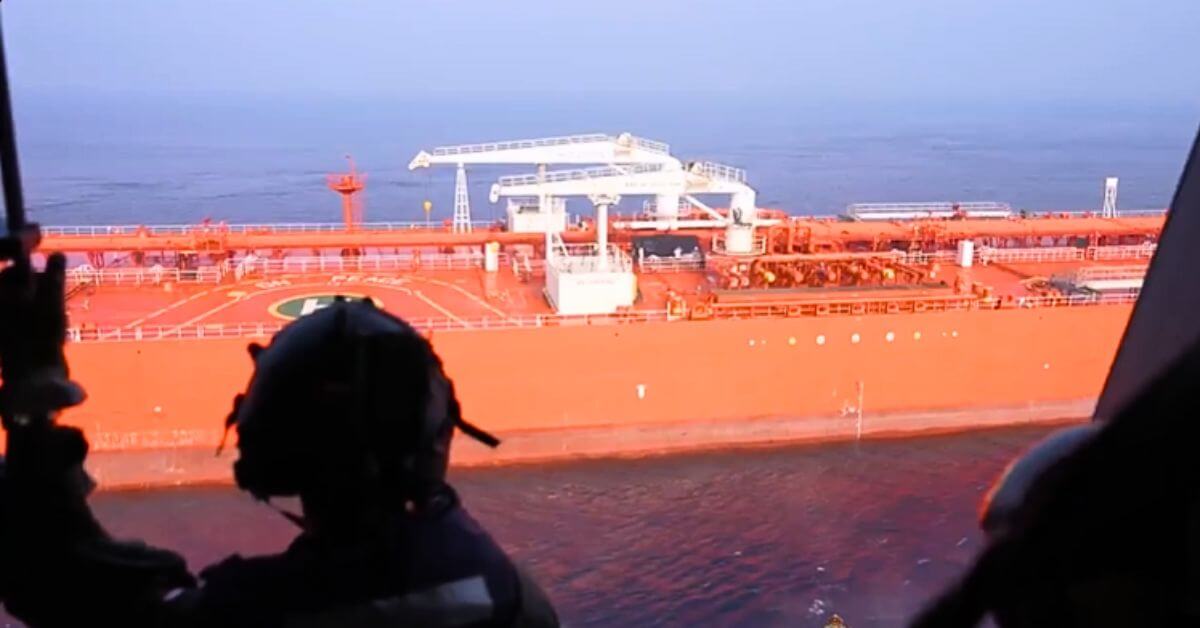
Injured crew evacuated after fire erupts aboard tanker in Strait of Hormuz
A fire and an attack on a tanker in the Strait of Hormuz injured 12 of its 19 crew members, prompting an evacuation confirmed by Oman's Ministry of Defence. This is not an isolated incident. The same volatile waters that demand calibrated maritime security now test the resilience of global trade routes. For deeper context on regional diplomatic efforts, see our coverage of "India Proposes Measured Maritime Truce to Protect Black Sea Shipping."
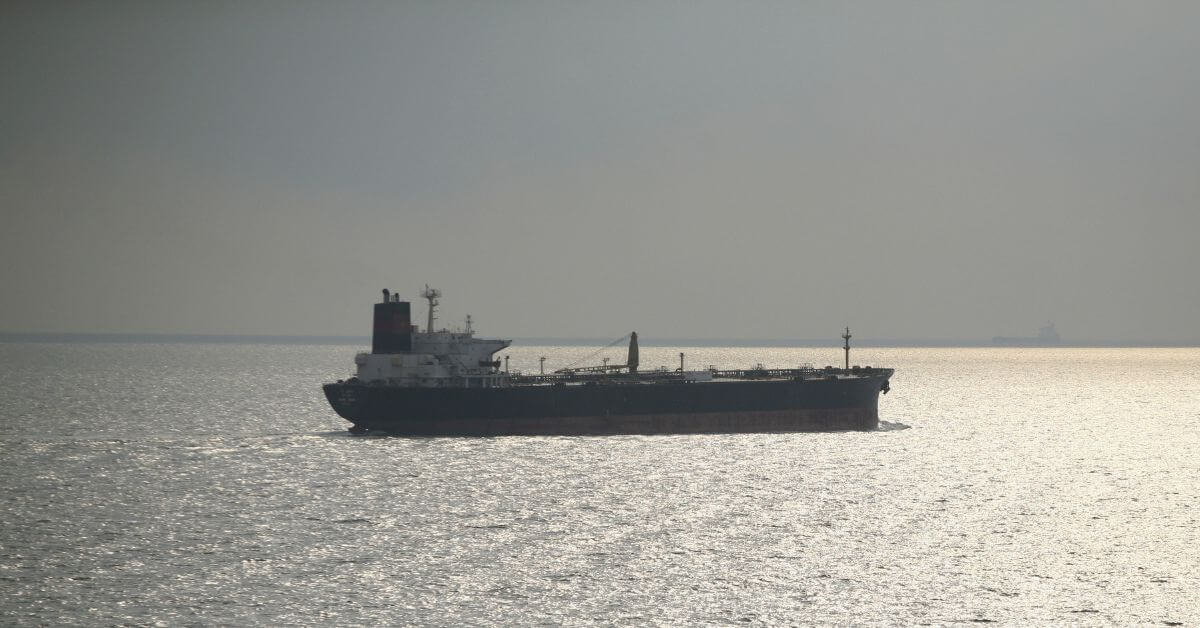
Explosions Reported Near Tanker Transiting Regional Waters, Crew Unharmed
A crew witnessed explosions while their tanker transited regional waters today. The company security officer reported the incident; all personnel remain unharmed. Maritime safety demands vigilance, and this event underscores the need for reliable reporting networks. No injuries, but the pattern is concerning. For deeper context on how geopolitical shocks are reshaping shipping routes, see our related analysis, "Geopolitical shocks reshape shipping routes with measurable regional divergence."
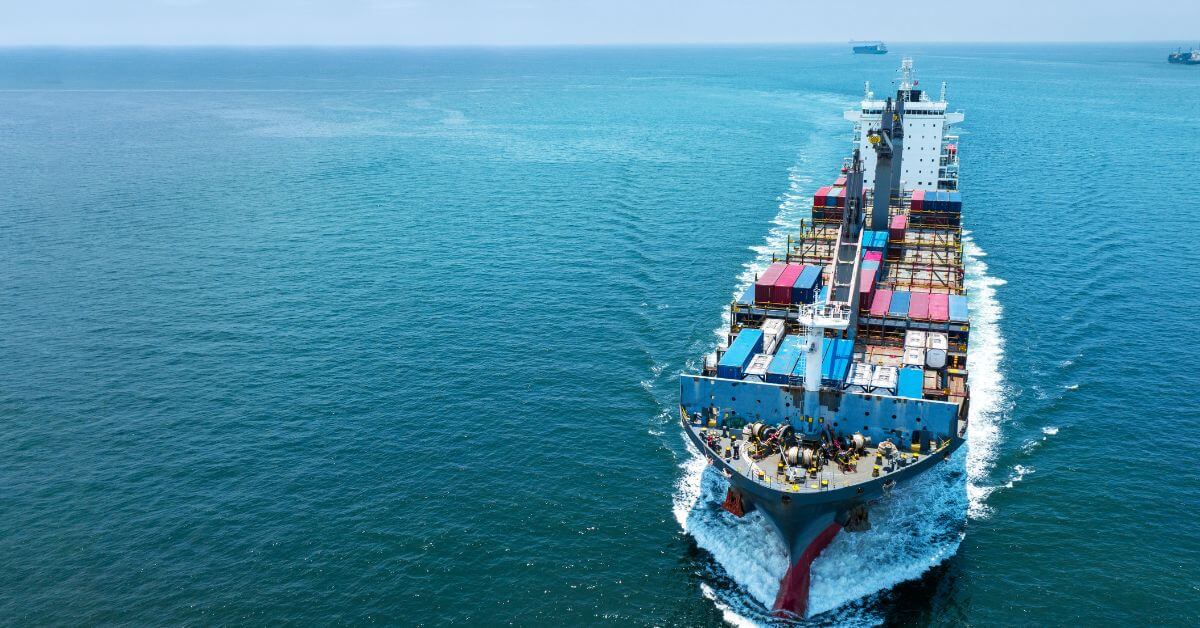
New Coalition Charts Measurable Course for Safer Global Shipping
At the UN headquarters in New York, a new coalition of nations, the Group of Friends on Safety and Security of Shipping and Seafarers, has launched. This is not abstract diplomacy. It is a coordinated, measurable effort to protect the people and routes that move 90% of global trade. We track climate indicators rigorously; we should apply the same empirical standard to maritime safety. For deeper context on how ocean transit intersects with emissions, see our related piece on measured food transport data.
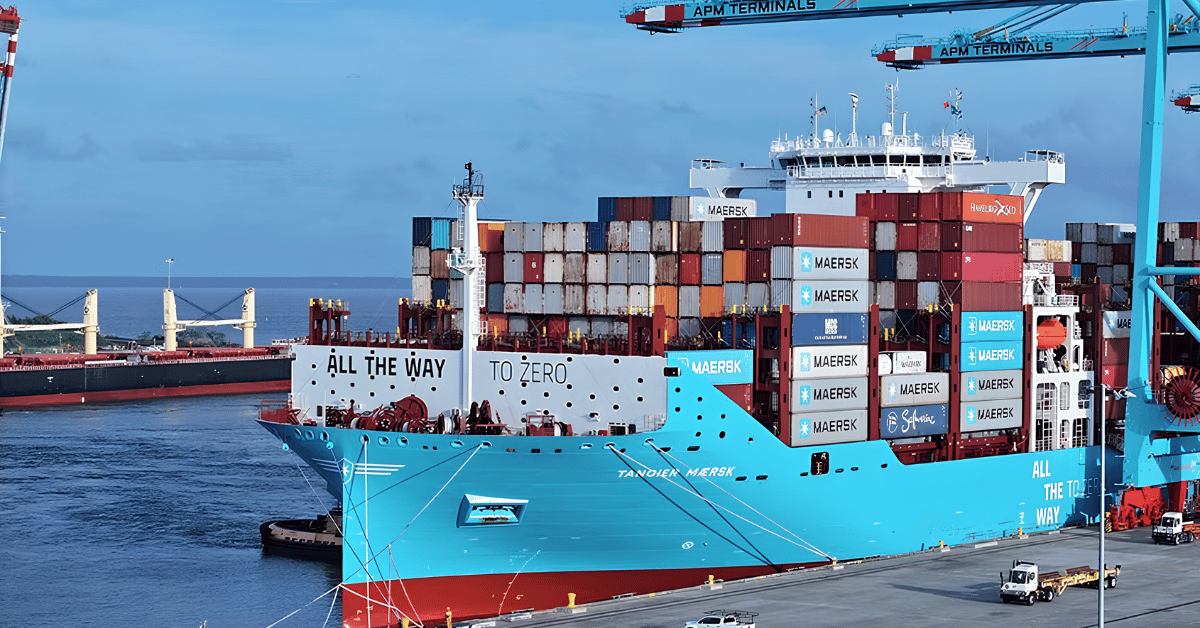
A validated step forward: first US ship-to-ship ethanol bunkering for a deep-sea vessel
A single ship-to-ship ethanol bunkering in the U.S. might seem incremental, but it validates a critical pathway for deep-sea decarbonisation. Maersk's completion of this commercial operation, using 100% corn ethanol, proves that alternative marine fuels can move from concept to calibrated, real-world application. This is measurable progress, not a promise. For more on how digital tools accelerate such transitions, see our coverage of "Singapore Hub Advances Digital Twins and AI for Ocean Decarbonisation."
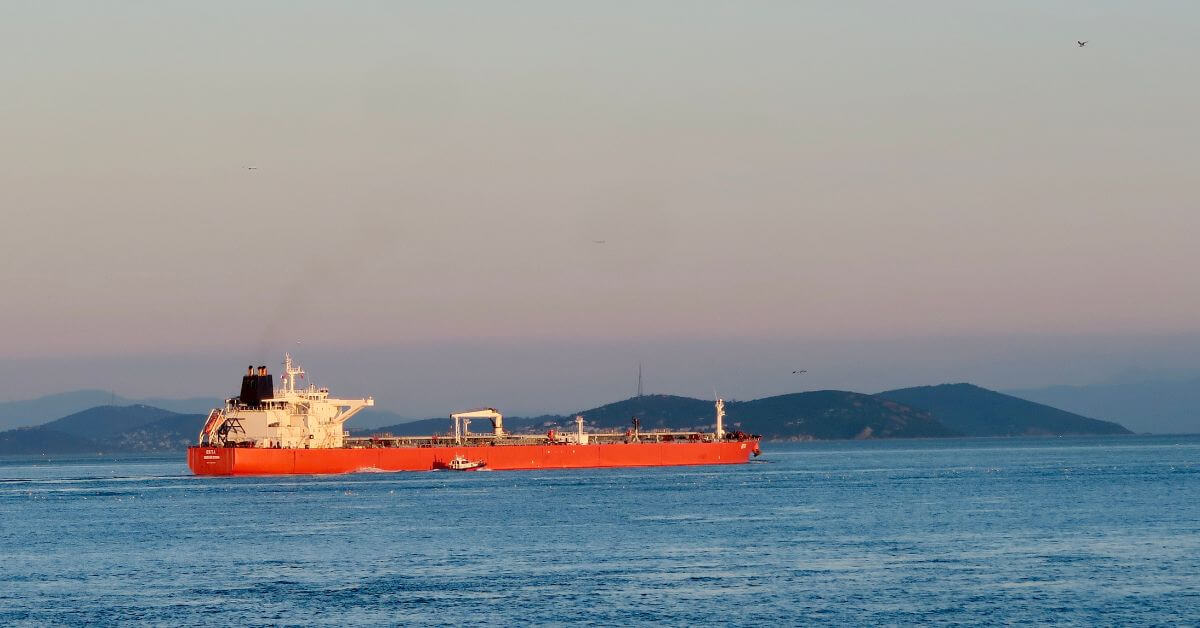
India Establishes Support Network to Safeguard Seafarers in Conflict Zones
India has moved to protect those who carry global commerce through unstable waters, establishing a support network for seafarers in conflict zones. The initiative addresses distress alerts, medical aid, and family communication during emergencies, practical, measurable safeguards for a dangerous reality. This is a purposeful step, and it aligns with the broader maritime momentum seen in our coverage of Paradip Port's designation as a Mega Port. Protecting the people at sea is as essential as expanding the infrastructure they serve.
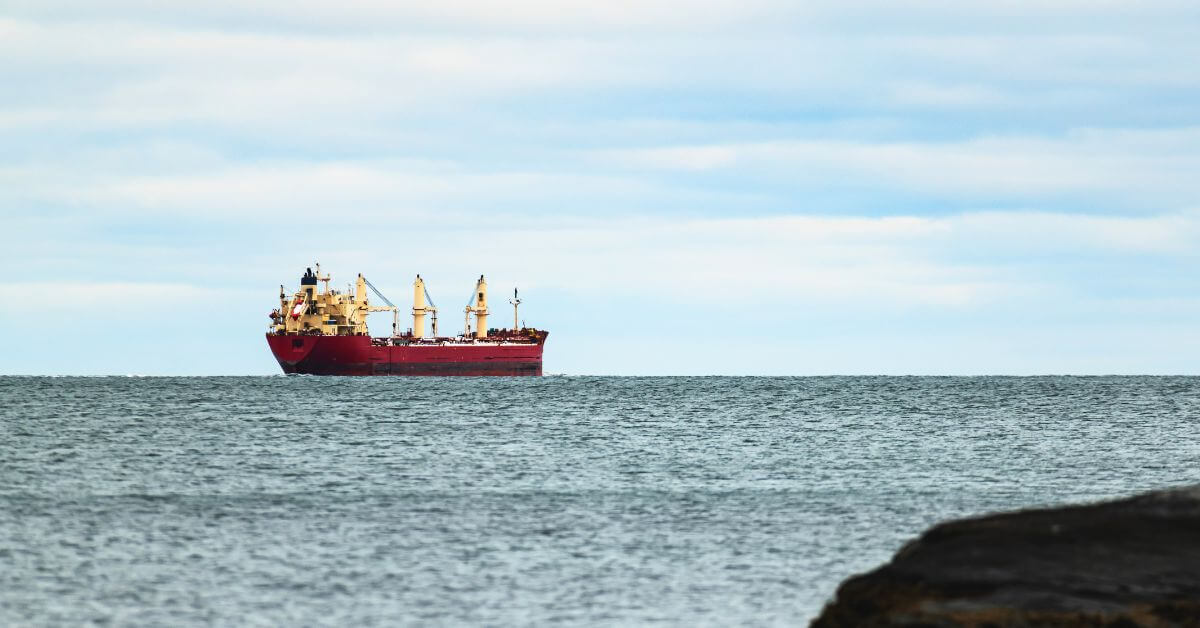
Protecting Maritime Routes: India and Iran Prioritize Ocean Safety.
Indian Prime Minister Narendra Modi has rightly elevated shipping safety and seafarer protection to a bilateral priority during talks with Iran's President. In a region where maritime chokepoints demand calibrated vigilance, this focus is both practical and overdue. The ocean does not recognize political borders, and shared responsibility for route security is the only measurable path forward. For deeper context on regional pressures, see our coverage of "Gulf of Oman STS Transfers Max Out Amid Rising Saudi Oil Exports."

Seafarer Safety Paramount Amidst Geopolitical Tensions in U.S.-Iran Conflict
The loss of seafarers in the U.S.-Iran conflict is a tragedy that demands our attention. IBIA's condolences are a sobering reminder: geopolitical tensions carry human costs that validated data cannot measure alone. Protecting those who work our oceans is non-negotiable. This crisis echoes the stakes seen in "Eighty Nations Urge Reopening of Vital Strait of Hormuz Shipping Lane", a channel where safety and security converge. We must integrate maritime intelligence with a commitment to seafarer welfare.
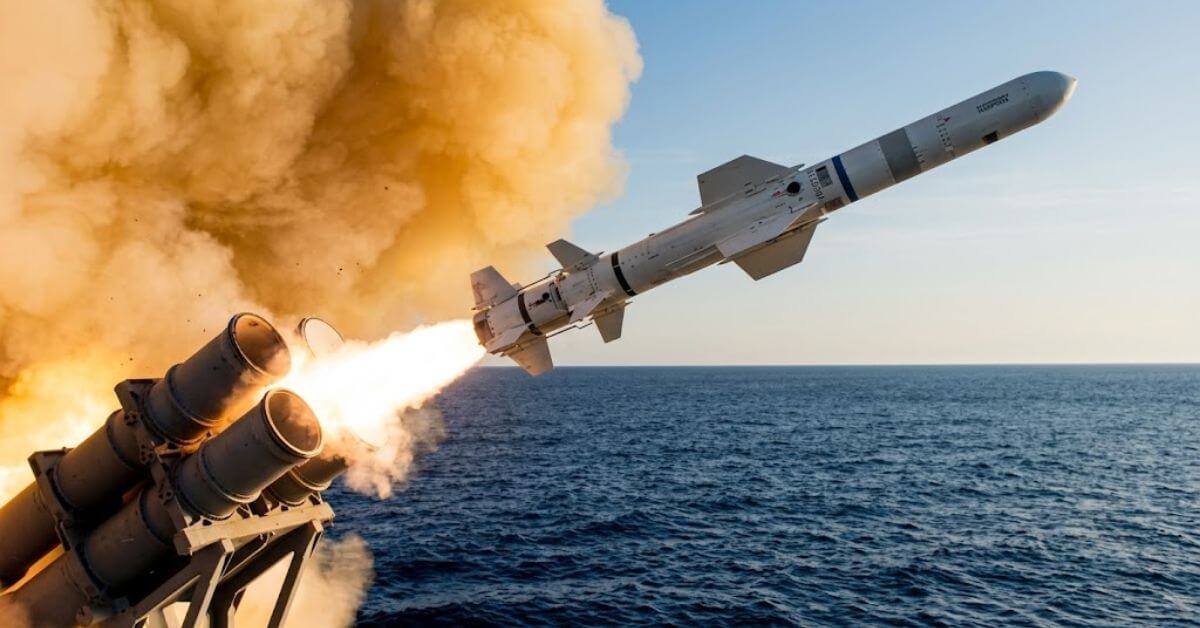
Escalation in Strait of Hormuz: Iran Tests Missile Near U.S. Navy.
Iran's IRGC announced a missile test near a U.S. aircraft carrier and destroyer in the Strait of Hormuz, a calibrated escalation that demands measured analysis. This is not alarmism; it is a real-time indicator of strategic friction in a waterway that carries a fifth of global oil. Such actions validate the urgency of integrated maritime monitoring. For deeper context on regional oil flows, see our related article on Gulf of Oman STS transfers operating at maximum capacity. Understanding drives protection.

Joint Navigation Corridor Proposed to Enhance Strait of Hormuz Transit
A joint navigation corridor through the Strait of Hormuz offers a practical path forward, pairing immediate transit security with a coordinated mine-clearing effort. The proposal is measured and specific, which is what makes it credible. It treats the waterway not as a symbol, but as a system that can be stabilized through deliberate, shared action. For readers tracking the region's pressure points, our related coverage on Gulf of Oman STS transfers provides useful context on how commercial traffic is already adapting to constraints.

Nuclear-Powered Shipping: U.S. Advances Maritime Technology and Global Trade.
The agreement targets the practical hurdles that must be cleared before nuclear-powered merchant ships can operate commercially, a step toward measurable progress in maritime technology. This is not abstract ambition; it is about calibrating safety, regulatory, and operational standards that could reshape global trade routes. The timing aligns with rising pressure on shipping infrastructure, as seen in the Gulf of Oman STS Transfers Max Out Amid Rising Saudi Oil Exports. Validated solutions here would integrate nuclear capability with real-world logistics, advancing ocean intelligence.

Caspian Sea Vessel Attacked: Iran Seeks Compensation Following Drone Strike
Iran's ambassador to Russia, Kazem Jalali, confirmed that Tehran is seeking compensation after a drone strike targeted the Anna, an Iranian-flagged cargo vessel in the Caspian Sea. The attack raises pointed questions about maritime security in a region already marked by strategic tension. Russia, for its part, has linked such incidents to broader military posturing, as seen in recent strikes on Ukrainian port infrastructure. This incident underscores the fragile line between commercial passage and geopolitical conflict, one that demands calibrated, evidence-based responses, not speculation.

Attack on Cargo Ship Near Yemen Claims 6 Lives, Injures 10
A second strike on the cargo ship Tihamah near Yemen has killed six people and injured ten, with four crew members dying in the initial attack and two rescuers killed in a subsequent hit. These are not abstract numbers; they are lives lost in a volatile corridor. The incident underscores how fragile maritime security remains in the region, a reality that demands rigorous, data-driven monitoring.

Charting New Maritime Pathways: Iran and Oman Negotiate Hormuz Route.
Iranian Foreign Minister Abbas Araqchi confirmed that a deal with Oman would establish new shipping routes through the Strait of Hormuz once conditions are met. The negotiation signals a practical step toward stabilizing a waterway critical to global energy flows. Diplomatic progress here matters, though implementation will test both sides. For context on how pressure is building in nearby waters, our piece on Gulf of Oman STS transfers offers useful background. Measured agreements are welcome, but the real measure lies in execution.

Attacks on ADNOC Vessels Disrupt Oil Flow Through Strait of Hormuz
Three ADNOC vessels came under attack this week, with one crew member killed and 20 injured, the company confirmed. This is not an isolated incident; it is a direct strain on the flow of oil through the Strait of Hormuz, a corridor the entire region depends on. The human toll is unacceptable, and the disruption to global energy routes demands a measured, empirical response. Our related coverage on phased negotiations to ease restrictions in the strait offers essential context for what comes next.

India Tracks Shipping Near Hormuz Amid Conflict, Urges Civilian Protection
India is tracking commercial shipping near Hormuz as regional tensions escalate, and its message is characteristically precise: civilian vessels, seafarers, and infrastructure must remain outside the line of fire. That stance is not rhetorical; it is operational clarity in a crowded waterway. We support the firm reiteration, especially when measured against parallel reports like "Strikes Target Ports and Vessels in Confirmed Military Action," which show how quickly maritime lifelines become targets. Protecting those lanes is not optional.

Sea of Azov: Armed Grain Ships Raise Export and Security Concerns.
The Sea of Azov now anchors a fraught equation: roughly one-quarter of Russia's grain exports move through its waters, and armed ships have turned that volume into a security flashpoint. When the world's largest wheat exporter militarizes a vital corridor, the stakes extend beyond cargo manifests. This is not abstract geopolitics; it is measurable pressure on global food flows. For deeper context on how Russia is recalibrating its maritime strategy elsewhere, our related piece on Arctic icebreaker funding offers a useful counterpoint.

Shipping Route Stability: Iran Maintains Control of Strait of Hormuz.
The pause in fighting has steadied immediate concerns over further military escalation, yet the Strait of Hormuz remains a corridor where stability is measured in transit, not promises. Iran's maintained control here is a decisive factor for global oil flows, and we read this as a calibrated signal rather than a closed chapter. The diplomatic path forward is fragile, but for now, the route holds. For broader context on regional pressure points, our piece on Gulf of Oman STS transfers offers useful perspective.

Missile Strike Impacts LPG Tanker in Strait of Hormuz Waters
A missile strike has struck an LPG tanker near the Strait of Hormuz, according to the Forward Seamen's Union of India, as the vessel made its way toward the Persian Gulf. The incident underscores the fragile security calculus in a waterway that carries a third of global liquefied gas trade. For seafarers, the risk is not abstract; it is measured in steel, fire, and the open sea. This is why infrastructure like the Seafarers' Welfare Centre at Goa's Mormugao Port matters more than ever.

Red Sea Incident: Vessel Fire Follows Houthi Blockade Announcement
A fire aboard a vessel in the Red Sea has followed the Houthi rebels' announcement of a naval blockade on Saudi Arabia, escalating a volatile maritime corridor. The move signals a deliberate tightening of pressure on shipping lanes that carry global trade. We read this as a calculated escalation, not a casual threat. For context on how these disruptions ripple outward, our related piece, "Eighty Nations Urge Reopening of Vital Strait of Hormuz Shipping Lane," details the diplomatic stakes.

Technical Surveillance Enables Swift Rescue of Crew from Burning Vessel
When a fire broke out aboard a vessel, technical surveillance systems detected the threat early, enabling Maritime Guard rescue boats to reach the crew without delay. Swift action, driven by precise ocean intelligence, turned a potential tragedy into a controlled evacuation. This incident underscores how integrated monitoring tools deliver measurable outcomes when they matter most. For broader context on maritime risks, our related report, "Cargo Ship Fire Prompts Evacuation Near Mykonos; Incident Under Investigation," offers further insight into similar emergencies.

Escalation in Hormuz: Iran Attacks Tanker Amid U.S. Strikes
The 11th consecutive evening of U.S. strikes against Iran concluded at 8:15 p.m. ET on July 21, as CENTCOM confirmed its ongoing campaign. The escalation in Hormuz now includes a direct tanker attack, sharpening a volatile maritime corridor. This is not abstract geopolitics; it is measured, repeated force meeting retaliation. For context on regional pressure points, our coverage of Gulf of Oman STS transfers maxing out shows how commercial chokepoints strain under such tension.

Fatal Strike Highlights Risks to Maritime Trade in the Indian Ocean
The first fatal strike on Indian merchant seafarers since 2022 sharpens the risk calculus across the Indian Ocean's vital shipping lanes. This attack is not an isolated incident; it signals a troubling escalation with direct consequences for global trade. We view this as a stark reminder that maritime security is fragile and demands integrated data ecosystems to track threats. For a broader perspective on regional instability, our piece on phased negotiations to ease Strait of Hormuz restrictions offers valuable context.