climate change
climate change at World Data Ocean is a file of 108 stories. The newest of them: “Measuring the longevity of a booming ocean economy through integrated climate indicators”, “Calibrating ocean intelligence to navigate a warming world”, and “Ocean intelligence measures our progress toward sustainable marine stewardship”. The ocean economy is booming, but its longevity depends on what we can measure. Calibrating ocean intelligence requires more than collecting data, it demands integration. A Global Hub for Ocean Intelligence 4 World Data Ocean is a centralized digital platform where researchers, scientists, and ocean enthusiasts converge to… The list below is every climate change story on World Data Ocean, newest first.
Measuring the longevity of a booming ocean economy through integrated climate indicators
The ocean economy is booming, but its longevity depends on what we can measure. UN Trade and Development now asks a critical question: how long can this growth last? The answer lies in integrated climate indicators, validated, empirical data that tracks real-time ocean health. Understanding drives protection. For deeper context, see how the cruise fleet expands its role as a calibrated platform for ocean intelligence. Growth without data is just speculation.
Calibrating ocean intelligence to navigate a warming world
Calibrating ocean intelligence requires more than collecting data, it demands integration. Our warming world is outpacing fragmented observation systems. Validated, real-time measurements from orbit to ocean floor must become an integrated data ecosystem, not isolated snapshots. This is measurable, empirical work. Understanding drives protection. For deeper coverage, explore our related piece, "From orbit to ocean floor: integrated data reshapes our view of the sea," which examines how this unified approach is transforming marine science.
Ocean intelligence measures our progress toward sustainable marine stewardship
Ocean intelligence measures our progress toward sustainable marine stewardship, translating vast datasets into actionable insights for conserving marine resources. This is not abstract science, it is a calibrated, real-time account of human impact on the sea. Understanding drives protection. To see how integrated data reshapes our view from orbit to ocean floor, read "From orbit to ocean floor: integrated data reshapes our view of the sea." The work is empirical, collaborative, and urgent.
Ocean Color Shift Reveals Measurable Climate Indicators Worldwide
A measurable shift in ocean color, detected across decades of satellite data, now offers a new, empirical window into global climate change. These are not subtle variations; they are validated indicators of biological and chemical transformation at planetary scale. Understanding drives protection. For deeper context, our coverage of "Decades of Atlantic circulation data reveal measurable climate indicators" complements this finding, reinforcing how integrated ocean intelligence reveals the pulse of a changing Earth.
Empirical ocean data powers the measurable path to energy transition
The ocean's role in the energy transition is not theoretical, it is empirical. Measurable ocean data powers the path forward, validating climate indicators and calibrating our decisions. The World Economic Forum makes this clear: data is the foundation. For those tracking the science beneath the surface, our coverage of the Ocean Carbon and Acidification Data System offers a peer-reviewed look at how validated, integrated data ecosystems turn ocean intelligence into actionable climate insight. Understanding drives protection.
El Niño and La Niña no longer define cool and warm years
El Niño and La Niña no longer define cool and warm years. "Cool" years are now hotter than the "warm" years of the past. This is not speculation; it is a measured, empirical recalibration of our climate baseline. The shift is validated by decades of peer-reviewed data. The ocean economy is booming, but as UNCTAD's integrated climate indicators show, its longevity depends on understanding these changes. The urgency is clear, and the data demands action.
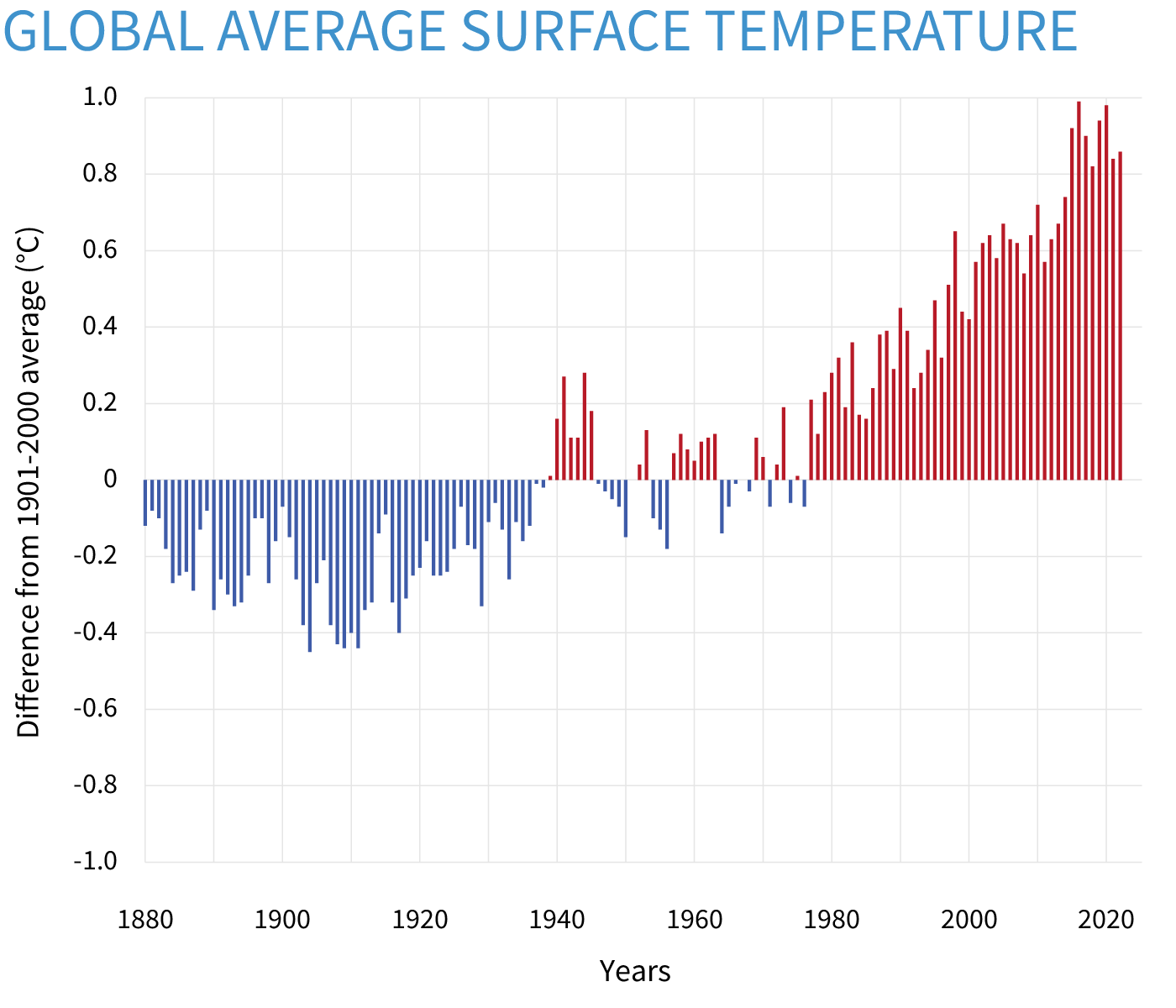
Rising global temperatures are validated by decades of empirical data
Decades of empirical data leave no room for doubt: global temperatures are rising. This isn't a forecast, it's a validated measurement. Understanding this reality is the first step toward meaningful action. Our ocean intelligence, sharpened by innovations like those in "Eleven data-driven innovations sharpen our ocean intelligence," provides the calibrated, real-time evidence needed to track climate indicators. We don't deal in alarmism. We deal in data. And data demands a response.
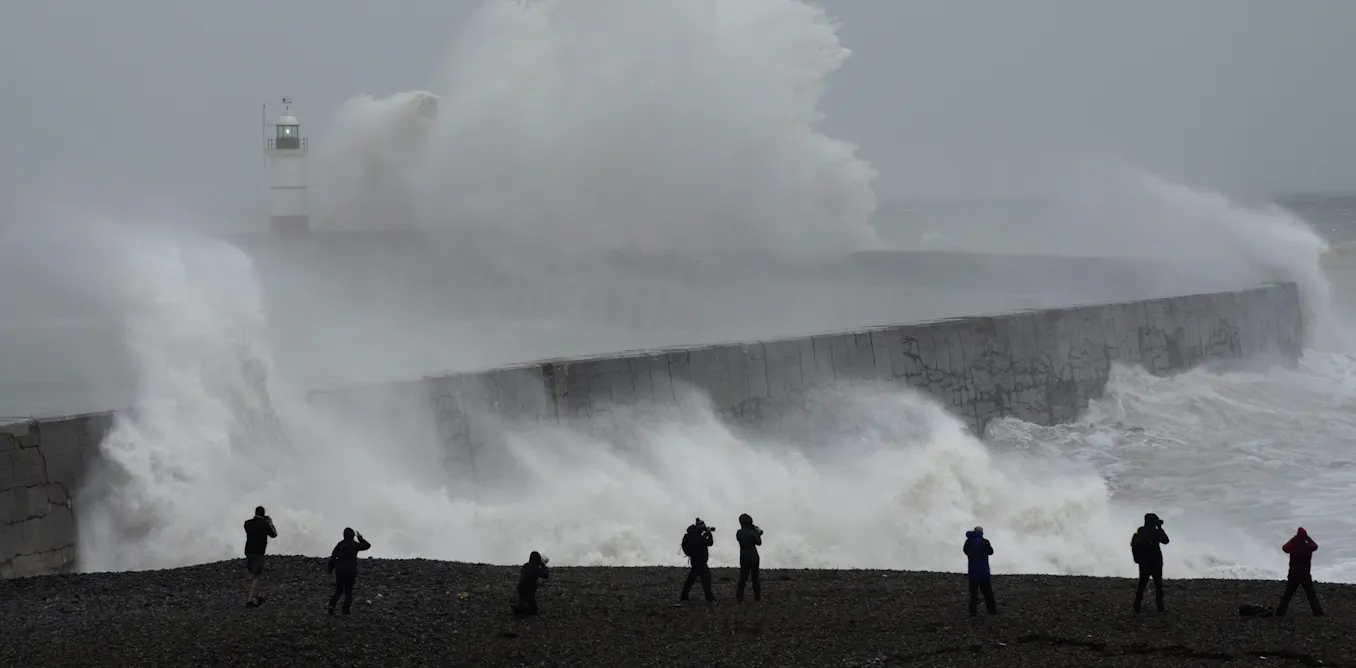
Seismic records measure a strengthening pulse beneath warming oceans
A strengthening pulse beneath warming oceans is now measurable through seismic records. These readings confirm that ocean waves are gaining force as the planet warms, a direct, empirical signal of climate change. We do not need to imagine the impact; the data speaks. This is not speculation. It is calibrated observation. For deeper context on why such monitoring matters, see our coverage of the proposed US cuts that risk losing this calibrated ocean intelligence. Understanding drives protection.

Decades of Atlantic circulation data reveal measurable climate indicators
Decades of Atlantic circulation data now offer something the field has long needed: measurable, validated climate indicators. This isn't anecdotal observation, it's empirical, longitudinal evidence of change. Understanding drives protection, and this dataset from NOAA gives researchers and policymakers a calibrated baseline to measure what comes next. For deeper context on the ocean's thermohaline structure, our related work on a validated global atlas from WOA18 connects the dots between surface signals and the deep currents that drive them.
Deglaciation decoded through global benthic foraminifera isotope synthesis
Foraminifera shells, retrieved from seafloor sediments worldwide, now reveal the precise timing and pacing of the last deglaciation. This global synthesis of high-resolution stable isotope data decodes a period of profound climate transition, offering empirically validated insights into how Earth's systems respond to warming. Understanding these past shifts sharpens our view of present ocean intelligence. For deeper context on how ocean processes govern carbon movement, see our coverage of the ECCO‑Darwin model's multi‑decadal CO₂ flux estimates.
Five mass extinctions recorded in Earth's geological archive
Five mass extinctions are recorded in Earth's geological archive, each a testament to the planet's capacity for profound biological upheaval. Understanding these ancient events sharpens our focus on the present. Our integrated data ecosystem now measures the pulse of a warming ocean, where seismic records track strengthening waves, a real-time climate indicator. For deeper insight, read "Seismic records measure a strengthening pulse beneath warming oceans." The past warns us; the data empowers us to act.
Eleven data-driven innovations sharpen our ocean intelligence
Eleven measurable innovations are sharpening our ocean intelligence. From validated carbon tracking systems to data-driven models revealing how the atmosphere forces ocean dynamics, each tool adds a calibrated layer to our understanding. These are not abstract concepts, they are empirical, peer-reviewed advances that make ocean stewardship actionable. The Ocean Carbon and Acidification Data System in *Nature* exemplifies this: validated data powering a measurable path forward. Understanding drives protection. From orbit to ocean floor, the evidence is building.

Tracking Climate Signals in the Deep Ocean Heat Record
The ocean is warming, and the signal is unmistakable. Monthly average ocean heat content in the top 2,000 meters offers a clear, empirical record of how much energy our planet is absorbing. These measurements are more than data points; they are a validated climate indicator, revealing a steady, measurable trend. Understanding this record is essential, and we connect it to related research like our piece on Agulhas Leakage and intensifying compound ocean extremes, deepening the context for informed action.

Partnerships in practice: restoring reefs through shared stewardship
The Coral Nurture Program proves that community-led restoration can work at scale when science and local knowledge converge. By embedding coral propagation into routine tourism operations, this partnership between researchers, operators, and Traditional Owners has turned stewardship into a replicable model, not just a noble intention. Progress came through iteration, not perfection: tools, governance, and financing were refined across expanding sites. For deeper exploration of how sustained observation drives action, see our piece on Africa's first permanent ocean observatory and its critical data gap.

Measuring only heatwave peaks misses months of ocean heat stress
Marine heatwaves are not single spikes, they are often the visible crest of a much longer warming event, with elevated temperatures lingering for months. New research shows that conventional measurements, which focus only on peak intensity, underestimate total heat exposure by more than 150% on average. That is a significant blind spot in how we assess stress on marine ecosystems. Understanding drives protection, and this study clarifies why we must look beyond the peaks.
Measured emissions data places food transport in ocean transit perspective
Measured emissions data places food transport in ocean transit perspective: most food moves by boat, so food miles represent a relatively small share of a diet's carbon footprint. This finding is a welcome dose of empirical clarity in a debate often muddied by oversimplification. It reframes the conversation around production methods rather than transport distance, a more measurable, actionable focus. For context on maritime economics, see our related coverage of Russia's Northern Sea Route icebreaker funding plan.
Storm Surge Costs in Coastal China Reveal Complex Economic Impacts
Storm surge losses in China's coastal provinces are not linear, and new panel data from 2011 to 2023 confirms it. The study finds that while hazard intensity and economic exposure drive direct damages, adaptive capacity consistently cushions the blow, yet only up to a point. Once storm intensity crosses a threshold, the amplifying effect sharpens. Notably, no single factor explains low losses; instead, distinct combinations, such as the Defense Strategy-Driven or Comprehensive Resilience-Driven pathways, emerge. This complexity matters.
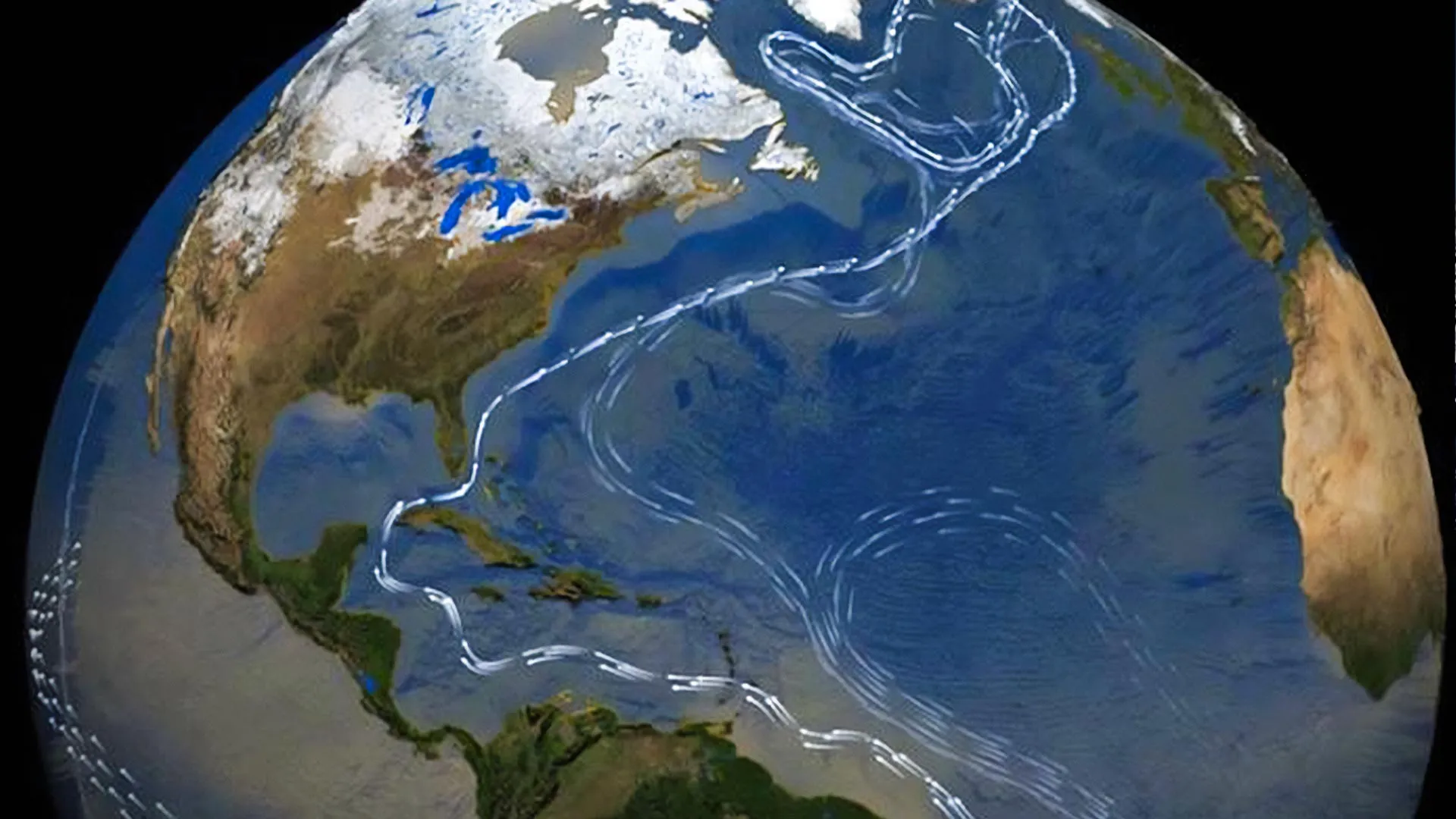
Atlantic Circulation Weakens: Global Climate Reshaping Predicted
For nearly two decades, the Atlantic Meridional Overturning Circulation has been weakening across a broad expanse of ocean, and the evidence is now firmly observational. This isn't a distant model projection; it's a measured slowdown with the potential to redraw weather patterns, storm tracks, and coastal sea levels around the basin. We treat this as a calibrated warning, not speculation. The data demands attention.
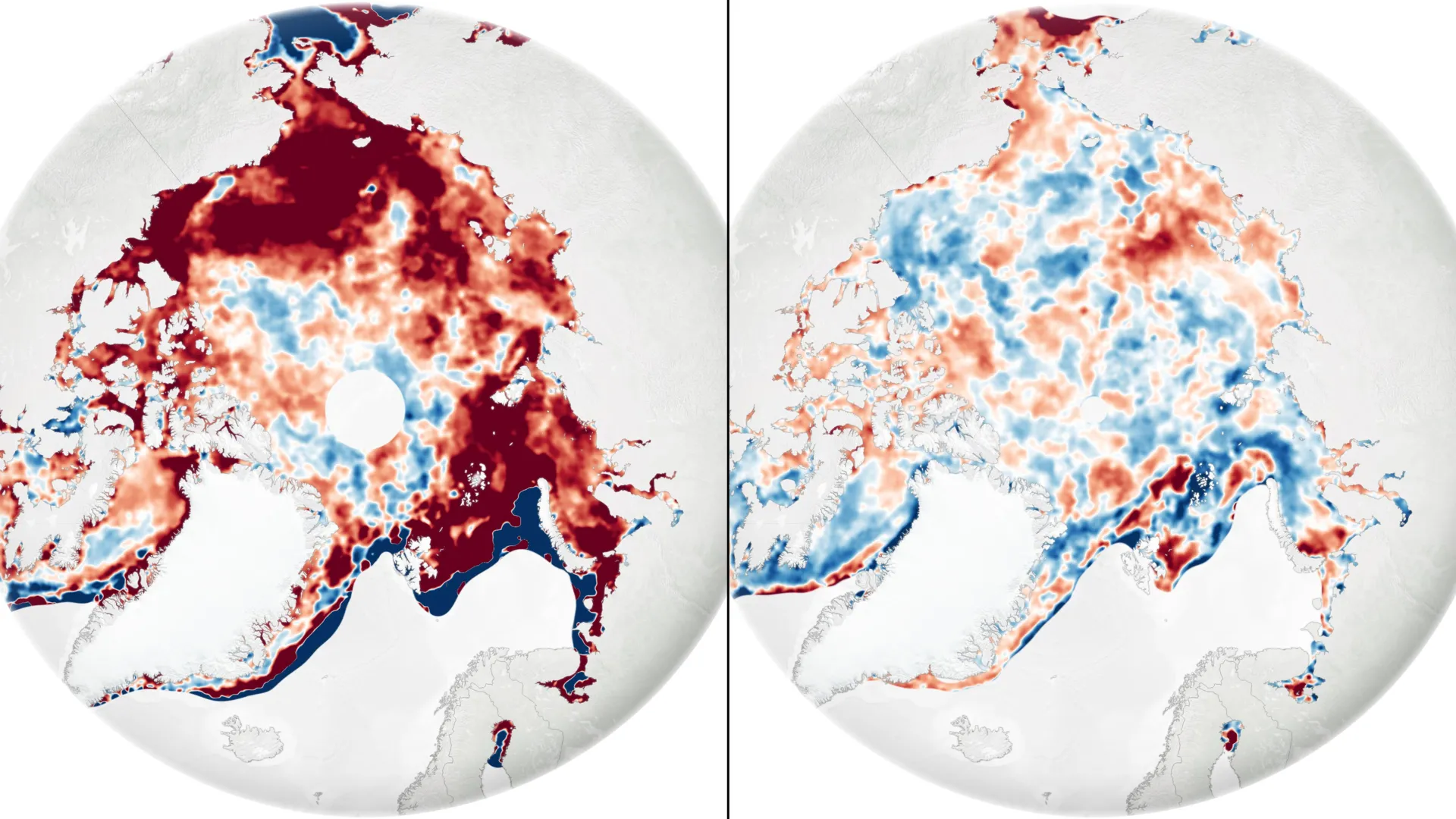
Arctic Sea Ice Melt Season Stabilizes After Decades of Expansion
The Arctic's melt season now runs roughly 40 days longer than in 1979, yet its rapid expansion unexpectedly stalled around 2010. Scientists point to shifting clouds and increasingly thin ice as possible drivers of this pause. That plateau is not a reprieve; continued warming could trigger another surge of change. For context on how Arctic dynamics intersect with commercial ambition, our coverage of Russia's Northern Sea Route icebreaker plans offers a practical counterpoint. The ice is settling, but its stability remains an open question.
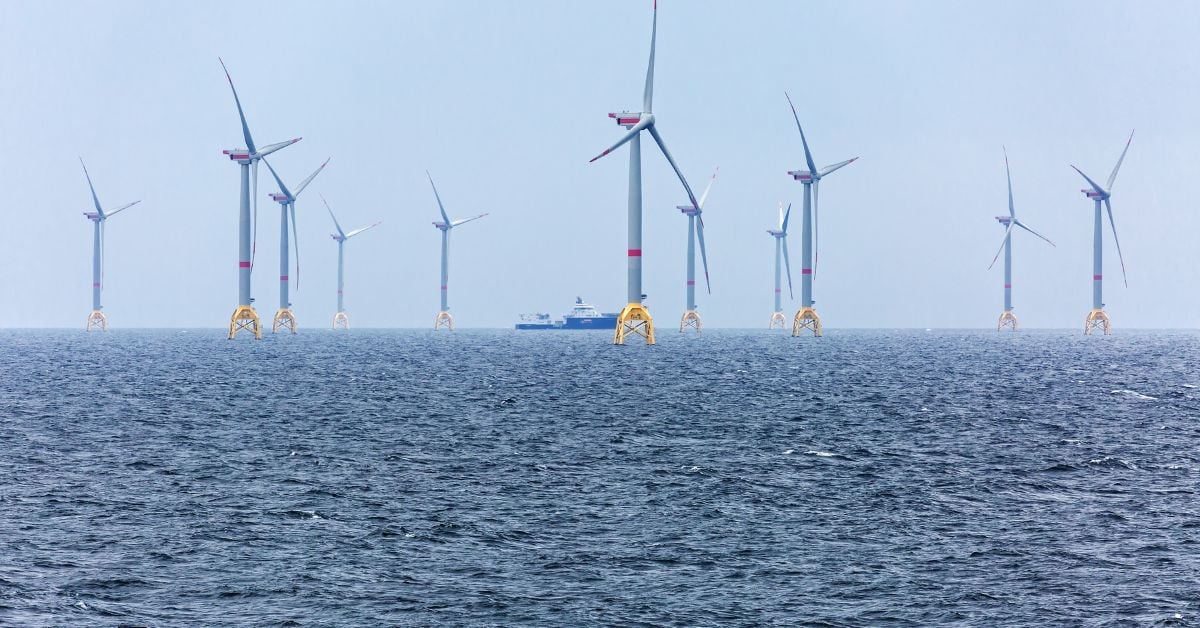
Offshore Wind Lease Reversal: Administration Offers $4 Billion Reimbursement
The Administration's offer of $4 billion in reimbursements for cancelled offshore wind leases is a striking reversal, one that prioritizes fossil fuel development over the measured progress of ocean energy. We see this as a legal and economic flashpoint, with California and New York now braced for litigation. The sum acknowledges the sunk costs, yet it does not address the broader climate indicators at stake.
Integrated Ocean Governance: Addressing Transboundary Pollution and Climate Risks
Marine pollution does not respect borders, and neither should governance. Plastic waste, ALPS-treated water, and ship-source pollution drift across jurisdictions, colliding with climate pressures to create compound risks. The Ecological and Environmental Code, while foundational, remains too fragmented to meet this challenge. Its principle-oriented provisions leave jurisdiction ambiguous, liability regimes incomplete, and cooperation largely aspirational. Strong governance demands more than intention. It requires operational mechanisms for transboundary harm. This paper outlines that institutional shift.
Integrating Data Infrastructure with Ocean Ecosystems: A Calibrated Approach
The seafloor is not a passive highway for data; it is a living system that demands calibration. This submission recognizes that integrating infrastructure with ocean ecosystems requires more than laying cables, it requires measuring impact with empirical rigor. We support this approach because it treats the ocean as a partner, not a conduit. Related coverage, such as our piece on integrated subsea cables across the Indian Ocean, reinforces the stakes. Understanding drives protection, and this work gets that sequence right.
Southern Ocean’s Carbon Absorption Capacity Faces Uncertainty Under Climate Scenarios
The Southern Ocean has long acted as Earth's quiet carbon sink, but new research in *Science Advances* suggests its capacity to absorb emissions is not guaranteed under shifting climate scenarios. This uncertainty carries measurable weight for global climate modeling. We cannot assume stability where the system itself is changing. Understanding these dynamics is essential, not optional. For broader context on how ocean systems respond to pressure, our related coverage of Atlantic Circulation Weakens: Global Climate Reshaping Predicted offers a useful parallel.
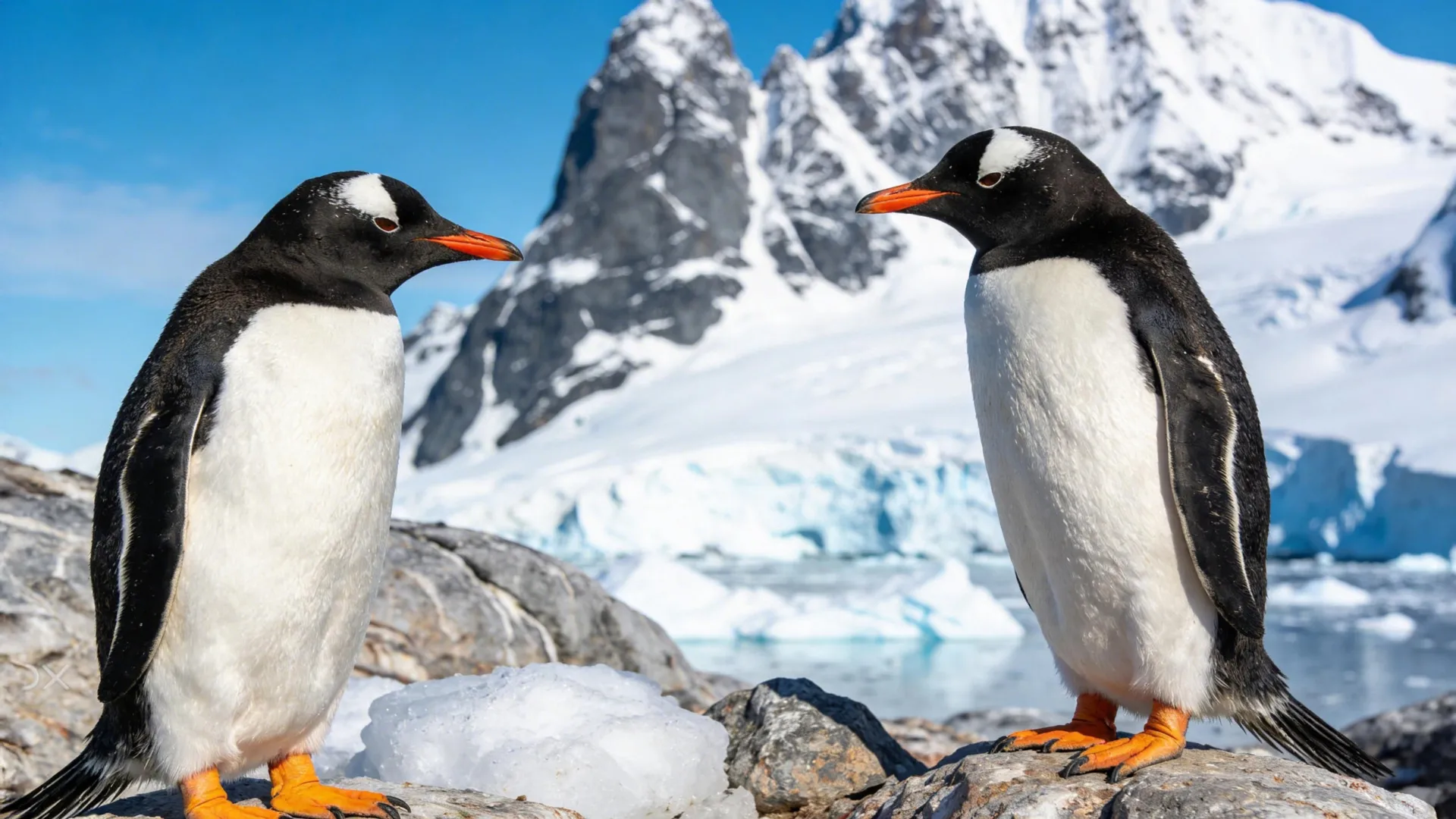
Genetic Data Reveals Four Gentoo Penguin Species, Highlighting Climate Threat
Genetic evidence has revealed that gentoo penguins are not one species but four, with a previously unknown population identified on the remote Kerguelen Islands. It is a reminder that biodiversity often hides in plain sight, even among well-studied animals. Yet the discovery carries an urgent warning: warming oceans could strip several island habitats by 2050. Understanding these distinctions is the first step toward protecting them.