climate change
climate change at World Data Ocean is a file of 108 stories. The newest of them: “Rising Risks: Mountain Hazards Intensify with Climate Change.”, “Tracking Wetland Change: A Satellite Framework for Coastal Resilience”, and “Human Impact Reveals Shifting Biogeochemical Patterns in Marine Ecosystems”. As mountain regions warm under human-caused climate change, the stability of high-altitude landscapes is coming into sharper focus. The Coastal Bend of Texas has lost 193 square kilometers of wetlands since 1984, a 17% decline that accelerated sharply between 2008 and 2016. A Global Hub for Ocean Intelligence 4 World Data Ocean is a centralized digital platform where researchers, scientists, and ocean enthusiasts converge to… The list below is every climate change story on World Data Ocean, newest first.

Rising Risks: Mountain Hazards Intensify with Climate Change.
As mountain regions warm under human-caused climate change, the stability of high-altitude landscapes is coming into sharper focus. Rock-ice avalanches and related glacial hazards are no longer distant possibilities, they are intensifying realities. This is not speculation; it is the measurable consequence of a warming atmosphere. The data demands attention, and the pattern is consistent with what we observe in coastal and polar systems, such as the pressures outlined in our coverage of Atlantic circulation weakening.

Tracking Wetland Change: A Satellite Framework for Coastal Resilience
The Coastal Bend of Texas has lost 193 square kilometers of wetlands since 1984, a 17% decline that accelerated sharply between 2008 and 2016. That is not a distant problem; it is a measurable transformation happening now. The study's tools, WET-MUD and WHAMS, turn satellite records into actionable intelligence, distinguishing wetland extent from wetland health with 93% overall accuracy. This framework matters because it makes long-term monitoring reproducible elsewhere, turning raw data into a practical defense for vulnerable coastlines. Understanding drives protection.
Human Impact Reveals Shifting Biogeochemical Patterns in Marine Ecosystems
Measured shifts in marine biogeochemical patterns now point to a clear conclusion: human activity is redefining ocean chemistry at scale. These are not abstract anomalies but calibrated signals, tracked through integrated data ecosystems and peer-reviewed observation. We see this as an opportunity to refine our understanding, not an excuse for alarm. The evidence demands rigorous attention and shared response. For those tracking how marine structures challenge assumptions, our related coverage, including the Port Phillip Bay debate, offers useful context.
ICT Development's Role in Decarbonizing Global Maritime Transport
A new study confirms what we've long suspected: ICT development measurably reduces CO₂ emissions from maritime transport. Analyzing data across 111 countries, researchers found that digital infrastructure cuts emissions, but only up to a point. Beyond a certain scale of maritime activity, that benefit weakens. The threshold effect is a sobering reminder that technology alone cannot solve decarbonization. Strategy must scale with operations. For further context on maritime infrastructure growth, see our coverage of Paradip Port's designation as a Mega Port.

Shifting Malaria Risks: Climate Change Reshapes Disease Patterns in Africa
Climate indicators now show a measurable shift in malaria's footprint across Africa. Historic data and validated predictions point to rising case counts in East Africa and southern regions, while the threat may ease in West and Central Africa. This is not alarmism, it is empirical evidence demanding adaptive planning. Understanding drives protection. For deeper context on climate-driven systems change, see our related analysis on "Transformative Coastal Adaptation: Analyzing Systems for Climate Resilience."
Ocean Ecosystems Face Extreme Stress: A Call for Global Action.
The ocean's living systems are under measurable, intensifying stress. This is not a distant forecast, it is an empirical reality demanding coordinated global response. Our new analysis documents the accelerating pressures on marine ecosystems, from warming waters to acidification. We believe the evidence is clear: integrated, real-time ocean intelligence is essential for informed action. For deeper context on how these forces reshape coastlines, see our related study on storm surge costs in coastal China. Understanding drives protection.
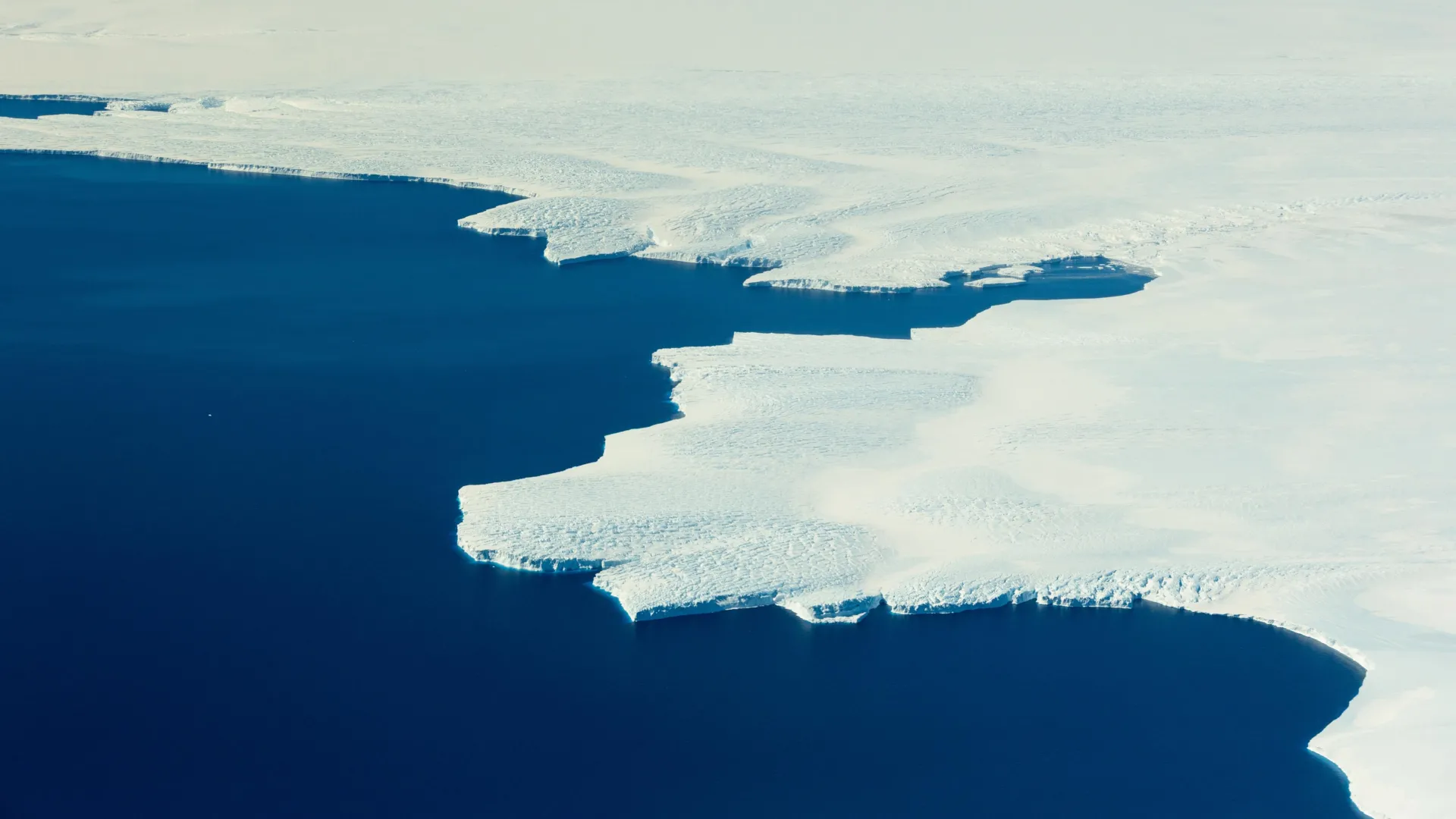
Unexpected Snowfall Drives Record Ice Gain in East Antarctica
Between 2021 and 2023, East Antarctica gained 695 billion tons of ice, a measurable, empirical anomaly driven by tropical ocean warming thousands of miles away. This record snowfall temporarily slowed Antarctica's long-term decline, but it does not reverse the larger trend. Understanding these atmospheric feedback loops is essential for calibrating our climate models. For deeper context on how warming reshapes global systems, see our coverage of "Atlantic Circulation Weakens: Global Climate Reshaping Predicted."
Climate Change and Overfishing Threaten Caribbean Queen Conch Populations
The queen conch's decline is not a distant warning, it is a measurable reality. Overfishing has already pushed this keystone Caribbean species to Threatened status, yet climate impacts remain poorly understood. Our integrated models reveal stark divergence: benthic habitats may remain stable under optimistic scenarios, but surface-level projections warn of abrupt suitability losses across all pathways by 2040. Anticipating where suitable habitat persists is now essential for conservation.
Long-Term Shifts in Plankton Communities Signal Warming’s Impact on Oslofjord
The Oslofjord's plankton community is rewriting the expected script of climate change. Comparing 2009-2011 to 2023-2024, we found a 5.6-fold drop in the dinoflagellate-to-diatom ratio, driven largely by a decline in the heterotrophic genus *Gyrodinium*. This challenges the assumption that warming consistently favors heterotrophic taxa in temperate waters. The data is empirical, measured, and clear. For broader context on shifting marine baselines, our coverage of Mediterranean Phytoplankton Diversity Shifts Observed Over 25 Years offers a valuable comparison.

Massive Iceberg Calving and Transit: A Longitudinal Arctic Observation
A 76-square-kilometer iceberg broke from Greenland's Petermann Glacier in August 2026, the Arctic's largest calving event in six years. It struck Joe Island yet held together, and satellites now track its drift through Nares Strait. Such empirical, real-time observation is essential for calibrating climate indicators. Understanding drives protection. For deeper context on Arctic maritime shifts, see our coverage of Russia's icebreaker fleet revenue plans.
Arctic Glacier Retreat Creates New Coastal Lagoons, Expanding Ecosystems
Retreating glaciers across the Arctic are redrawing coastlines, and Svalbard now hosts a growing number of coastal lagoons where none existed before. These newly emerged paraglacial systems remain largely absent from regional monitoring, despite their rapid expansion. We see this as a missed opportunity: the lagoons form a developmental continuum, from glacier-influenced basins to biologically structured systems, and early evidence suggests they act as biogeochemical reactors, including potential methane sources.
Bridging Science and Stories: Engaging the Public on Ocean Challenges
A classroom of students who could define ocean acidification yet still believed geoengineering would save them: that is the gap this author set out to close. His eco-mystery uses narrative tension to make risk feel immediate, not abstract. It is a practical experiment in science communication, and one worth testing. For readers interested in how such efforts connect to broader data efforts, our piece on integrating citizen science for ocean intelligence offers useful context.

Ocean Warming Amplifies Seismic Activity Through Increased Wave Energy
Seismic records now show something worth pausing on: ocean waves are gaining strength as the planet warms, and that energy is registering deep in the Earth's crust. This is not a distant concern; it is a measurable, peer-reviewed signal that links climate indicators directly to ground motion. The data is clear, and it demands we take the connection between warming oceans and seismic activity seriously.
Deep Ocean Warming: Longitudinal Data Reveals a Concerning Trend.
The ocean's abyss was long considered a stable, slow-motion frontier, but new longitudinal data now shows the deepest layers are warming. This is not a distant anomaly; it is a measurable shift in a system we rely on for climate stability. We find this trend deeply concerning, yet it reinforces why sustained observation matters. As we track these changes, we must connect them to broader disruptions, much like our recent analysis of Atlantic Circulation Weakens, to fully grasp the scale of what is unfolding.
Warming East Sea Disrupts Squid Spawning and Recruitment Patterns
The East Sea is warming two to four times faster than the global ocean, and the squid fishery built on *Todarodes pacificus* has collapsed by over 90 percent. Yet, as this study makes clear, the catch record alone cannot explain why. By shifting focus to a 26-year reconstruction of spawning habitat and a fishery-independent larval survey, the authors deliver a baseline that is both rigorous and honest.
Tracking Plankton Change: Open Data Workflow for Ocean Health Insights
Plankton imaging captures the ocean's smallest movers at scales that nets and bottles miss, yet the path from raw image to usable dataset has remained stubbornly manual. The Plankton Imager 10 aboard the R/V Simon Stevin changes that calculus in the southern North Sea. This open pipeline, built on deep learning classification and Darwin-Core Archives, turns high-frequency observations into validated, standards-based outputs. It is a practical step toward operational ocean intelligence, one we can adapt beyond the Belgian part of the North Sea.
Atlantic Current Weakening: Empirical Data Reveals Accelerated Change.
The Atlantic Meridional Overturning Circulation is losing its grip, and the empirical record is unambiguous. New studies confirm this vital current system is weakening faster than projected, edging closer to a threshold that would redraw global climate patterns. This is not speculation; it is calibrated, peer-reviewed observation. We treat the data with the gravity it demands, because the measured shift is a direct signal of our collective impact.
Ocean Salinity Shifts: A Longitudinal Analysis, 1955-1998
Between 1955 and 1998, the World Ocean's salinity did not drift randomly; it shifted in measurable, persistent patterns. Boyer's longitudinal analysis, published in *Geophysical Research Letters*, offers empirical weight to what we suspect about a warming planet: the water cycle is accelerating, and the ocean is keeping the score. This isn't abstract data; it is a calibrated indicator of change. For context on how we now monitor these systems, our coverage of integrated subsea cables shows the infrastructure carrying such intelligence across the Indian Ocean.
Real-Time Data from The Ocean Race Illuminates Gulf Stream Changes
The Gulf Stream is slowing, and now the sailors racing through it are helping to measure exactly how. Competitors in The Ocean Race Atlantic will collect climate data from these weakening currents, turning a grueling contest into a live oceanographic survey. This is the kind of integrated, real-time observation we need most. It is empirical, immediate, and driven by people already at the mercy of the sea.
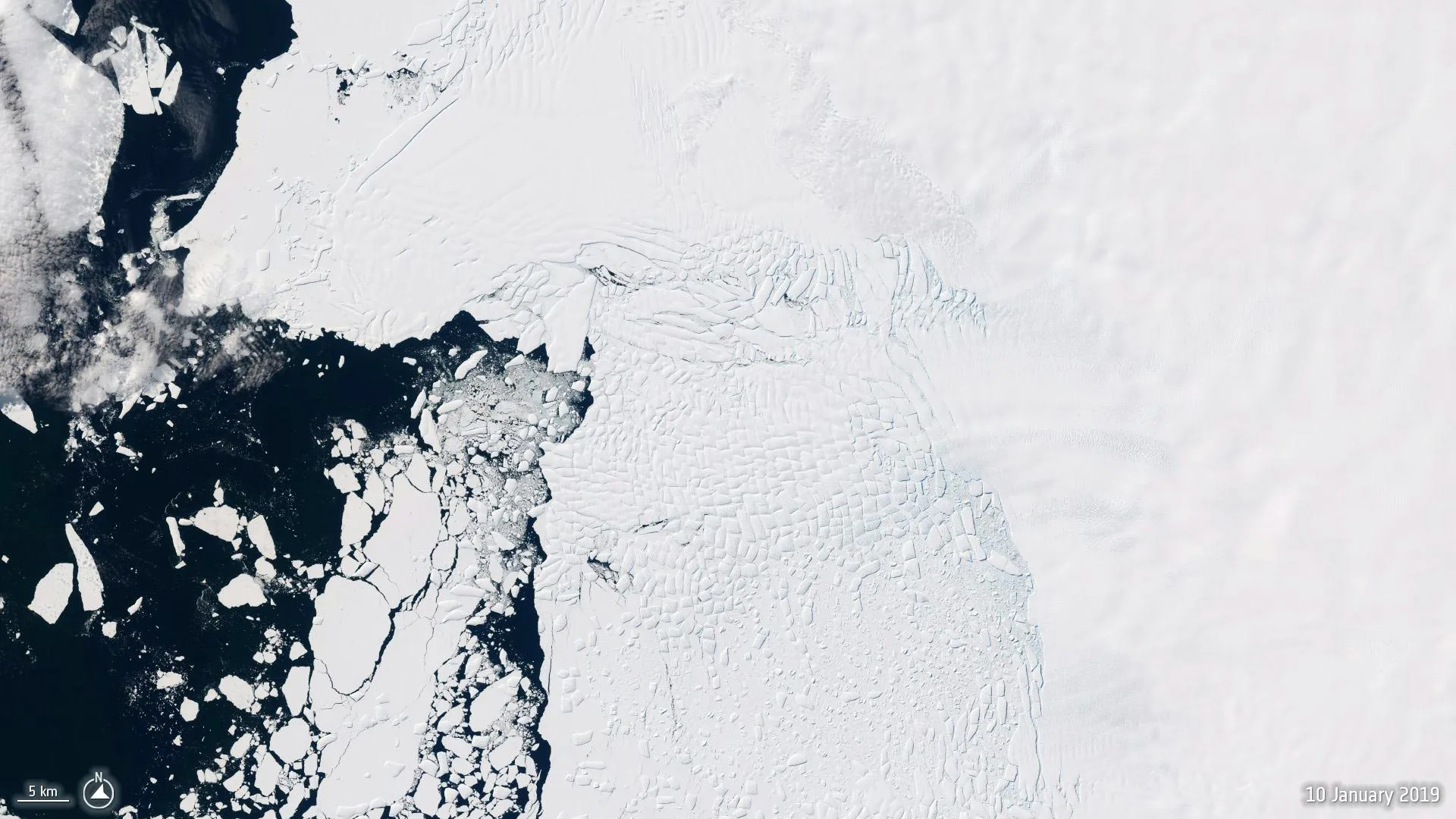
Seismic Activity Intensifies Under Thwaites Glacier, Revealing Ice Dynamics
Hundreds of previously overlooked seismic events have been detected beneath Antarctica, including 245 near Thwaites Glacier's marine edge, many tied to glacial earthquakes triggered when icebergs break off and collide. This surge coincided with Thwaites accelerating toward the ocean, a correlation that sharpens our focus on how shifting ocean conditions destabilize ice. It is a measurable reminder that what happens below the surface dictates what changes above it. For deeper context on these dynamics, our piece on real-time ocean simulations offers a complementary view.
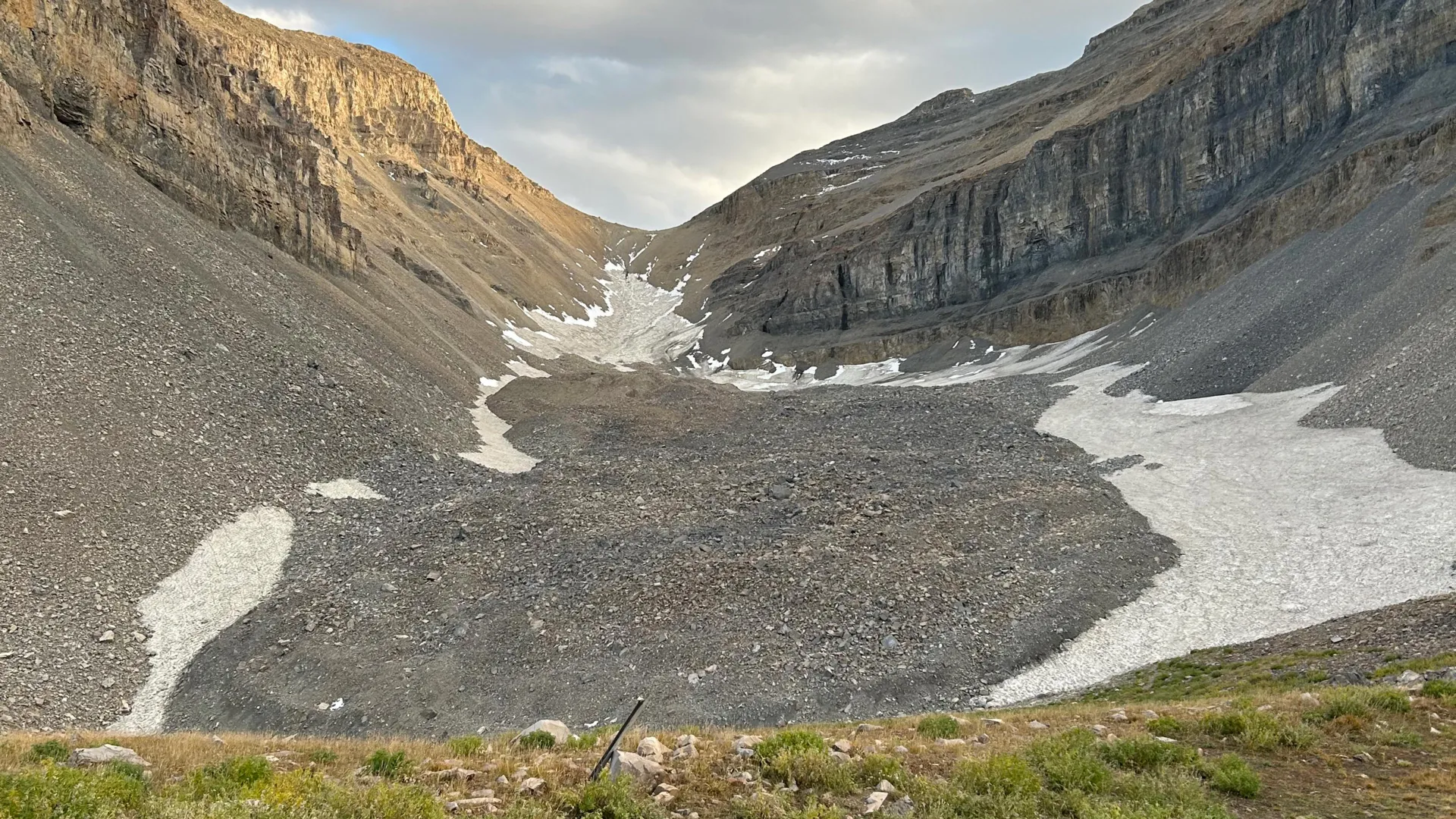
Hidden Ice Reservoir Discovered Beneath Utah’s Mountains
Beneath Mount Timpanogos's rocky slopes, gravity measurements have revealed a buried glacier composed of 83% ice, holding enough water to fill 600 Olympic swimming pools. This discovery clarifies how rock glaciers form when debris preserves persistent snow for millennia. The find is a measurable reminder that hidden water reserves may exist worldwide, potentially storing tens of gigatons. It complements our coverage of Cascadia's Subduction Zone Reveals a Fragmented Tectonic Process, reinforcing how much of Earth's subsurface dynamics remain unseen yet consequential.
Reconstructing Earth's Past Climate Through Empirical Data Analysis.
Earth's distant past is not a blank slate; it is written in layers of sediment, ice, and shell. Reconstructing Earth's Past Climate Through Empirical Data Analysis, mapped by Carbon Brief, shows how these 'proxy' records translate into measurable climate indicators. This is not speculation; it is calibrated, peer-reviewed science. Understanding these deep-time signals sharpens our view of present-day change. For a related thread on how ancient signals can be misread, see our coverage of magma and microbial activity potentially rewriting a 2-billion-year-old carbon signal.
Persistent Low Oxygen Found in Northeast Pacific Fjord Waters
A persistent low-oxygen layer has been identified in the mid-water column of a remote northeast Pacific fjord, notably one without an entrance sill. This feature is sustained by weak reoxygenation processes tied to the region's morphology, and it expands seaward during summer and autumn. The layer also harbors CO2 conditions adverse to local calcifiers, marking it as a multi-stressor habitat. Seasonal shifts overlap sensitive species' ranges, highlighting risks from climate variability.
Concurrent Heatwaves Threaten Arabian Sea Coral and Productivity
The Arabian Sea's coral reefs are not just facing warmer waters; they are facing a compounding threat. Our new research shows that when marine and atmospheric heatwaves strike together, the thermal stress on ecosystems intensifies dramatically. These concurrent events now drive 70-80% of severe coral bleaching in the region, and they cut chlorophyll-a levels by over 20%. This is not a distant risk; it is a measurable shift.