ceasefire
World Data Ocean keeps ceasefire in one place: 19 stories so far. The section currently leads with “Diplomatic Talks Test Conditions for Reopening the Strait of Hormuz”, “HMS Dragon's return narrows Royal Navy presence in the Gulf to one vessel”, and “India Proposes Measured Maritime Truce to Protect Black Sea Shipping”. Diplomatic talks on reopening the Strait of Hormuz remain stalled, with Washington and Tehran locked over sanctions, regional hostilities, and Iran's nuclear programme. HMS Dragon's return to Portsmouth after seven months in the Gulf leaves just one Royal Navy vessel in the region, a narrow presence that demands scrutiny. A Global Hub for Ocean Intelligence 4 World Data Ocean is a centralized digital platform where researchers, scientists, and ocean enthusiasts converge to… The list below is every ceasefire story on World Data Ocean, newest first.
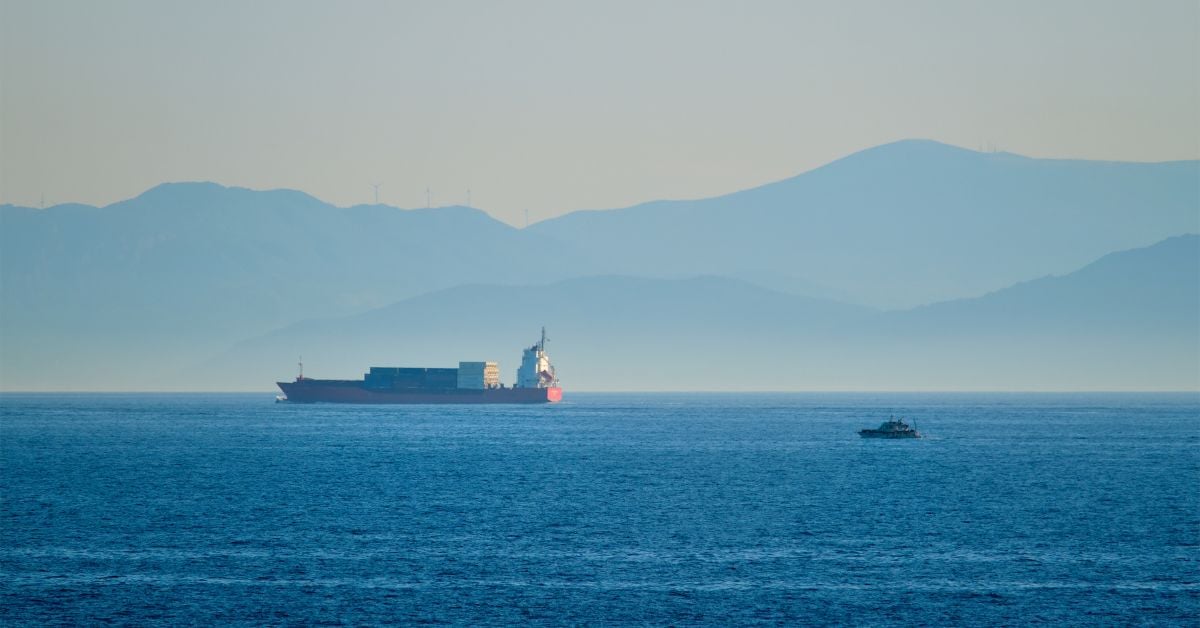
Diplomatic Talks Test Conditions for Reopening the Strait of Hormuz
Diplomatic talks on reopening the Strait of Hormuz remain stalled, with Washington and Tehran locked over sanctions, regional hostilities, and Iran's nuclear programme. These test conditions demand calibrated, empirically grounded negotiation, not alarmist posturing. Measurable progress on security guarantees and validated compliance mechanisms could unlock a pathway. For context on maritime security dynamics, see our coverage of the French frigate Languedoc neutralizing an airborne threat in the Bab el-Mandeb Strait. Understanding drives protection, and shared ocean intelligence is essential here.
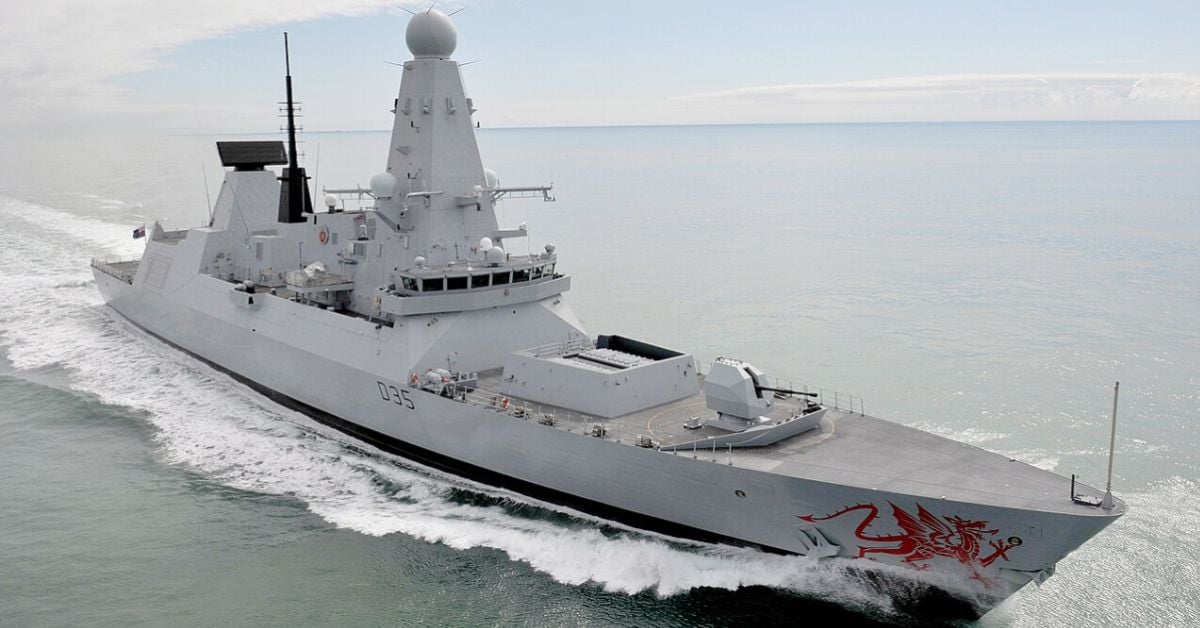
HMS Dragon's return narrows Royal Navy presence in the Gulf to one vessel
HMS Dragon's return to Portsmouth after seven months in the Gulf leaves just one Royal Navy vessel in the region, a narrow presence that demands scrutiny. This reduction comes as maritime threats persist, evidenced by recent drone and fire attacks targeting tankers near the Strait of Hormuz. For deeper context on those escalating risks, see our coverage of the strikes on three tankers. Measured vigilance, not alarm, is the appropriate response.
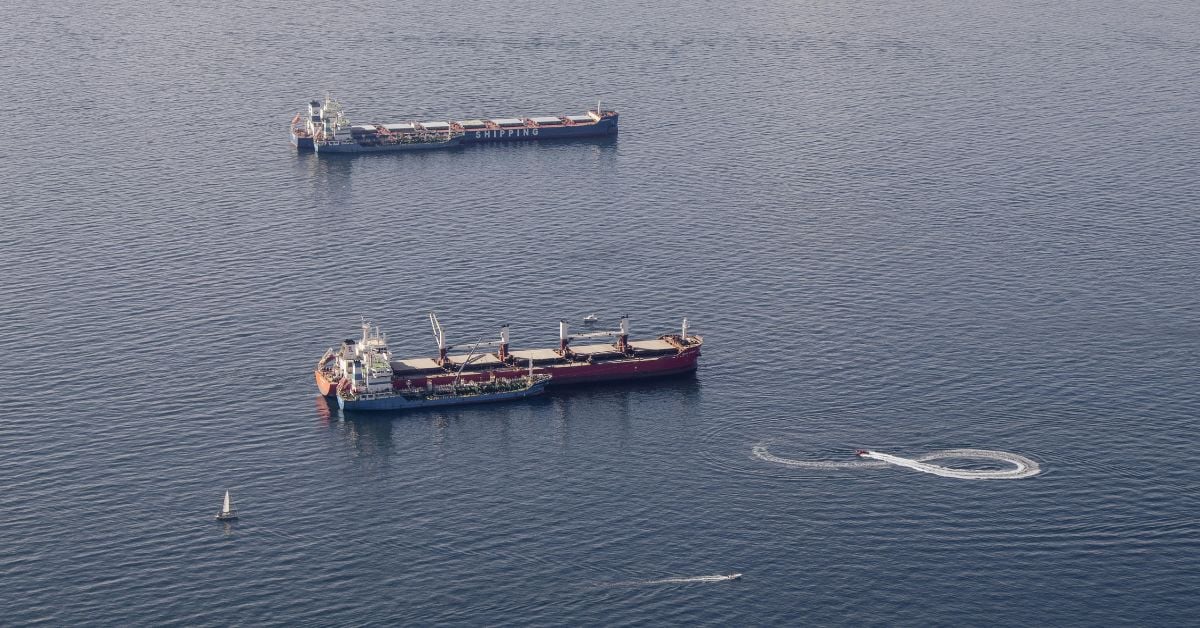
India Proposes Measured Maritime Truce to Protect Black Sea Shipping
India has proposed a measured maritime truce to protect commercial shipping in the Black Sea, offering a three-point framework to de-escalate the Russia-Ukraine conflict. This calibrated diplomatic intervention prioritizes verified cessation of attacks on vessels, a step toward restoring stability in a critical corridor. It is a purposeful move grounded in empirical security concerns. For deeper context on recent threats to seafarers, see our coverage of the drone strikes in the Black Sea that sank a freighter.
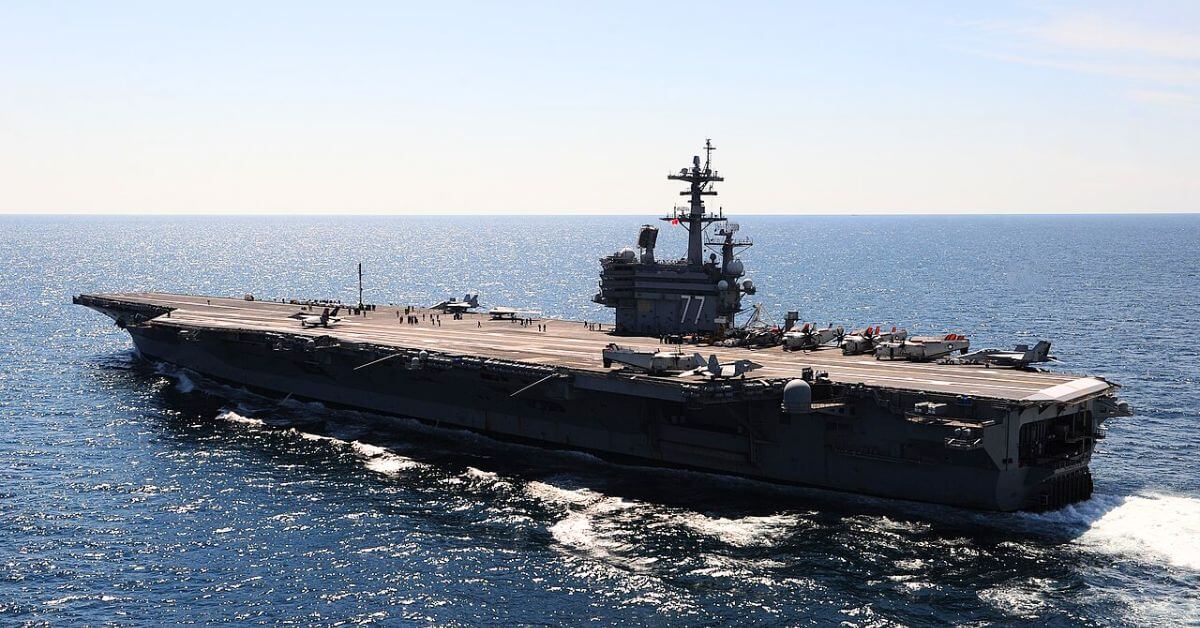
Carrier Bush Arrives in Thailand With 4,800 Personnel After Deployment
A US aircraft carrier has arrived off Phuket, Thailand, carrying 4,800 personnel after a deployment. The George H.W. Bush's presence underscores the calibrated nature of naval power projection in a region where energy security and measured deterrence remain pressing concerns. For deeper context on maritime strategy, see our coverage of "2 million barrels of crude move beyond the Strait of Hormuz in a calibrated shift." Understanding these movements is essential for grasping the integrated dynamics of ocean intelligence and global security.
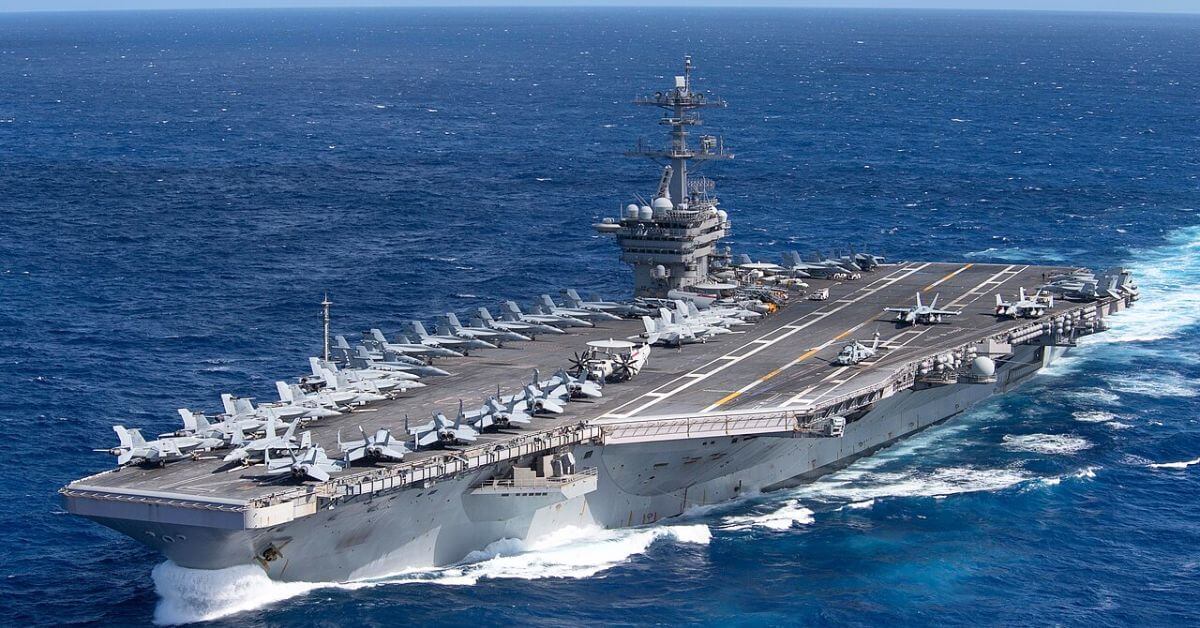
US Naval Deployments Continue as Middle East Operations Extend to Eighth Month
The USS Theodore Roosevelt carrier strike group departed San Diego on Sunday, with the USS Makin Island amphibious readiness group following a day later, extending US naval deployments in the Middle East into an eighth month. Sustained presence reflects measured, strategic commitment, not escalation theater. For context on regional risk, our coverage of projectiles striking tankers near the Strait of Hormuz underscores why such deployments remain calibrated responses to measurable threats. Operational endurance matters, but the data driving these decisions matters more.
Validated Data: Eight Marines Injured in Strait of Hormuz Missile Strike
Eight US Marines were injured when an Iranian anti-ship cruise missile struck their vessel in the Strait of Hormuz. This is a measurable escalation in a waterway already under strain. Validated data from the incident underscores the human cost of strategic friction. Understanding these risks requires an integrated view of regional activity. Our coverage of the recent Gulf of Oman STS transfers offers further context on the pressures shaping this maritime corridor.
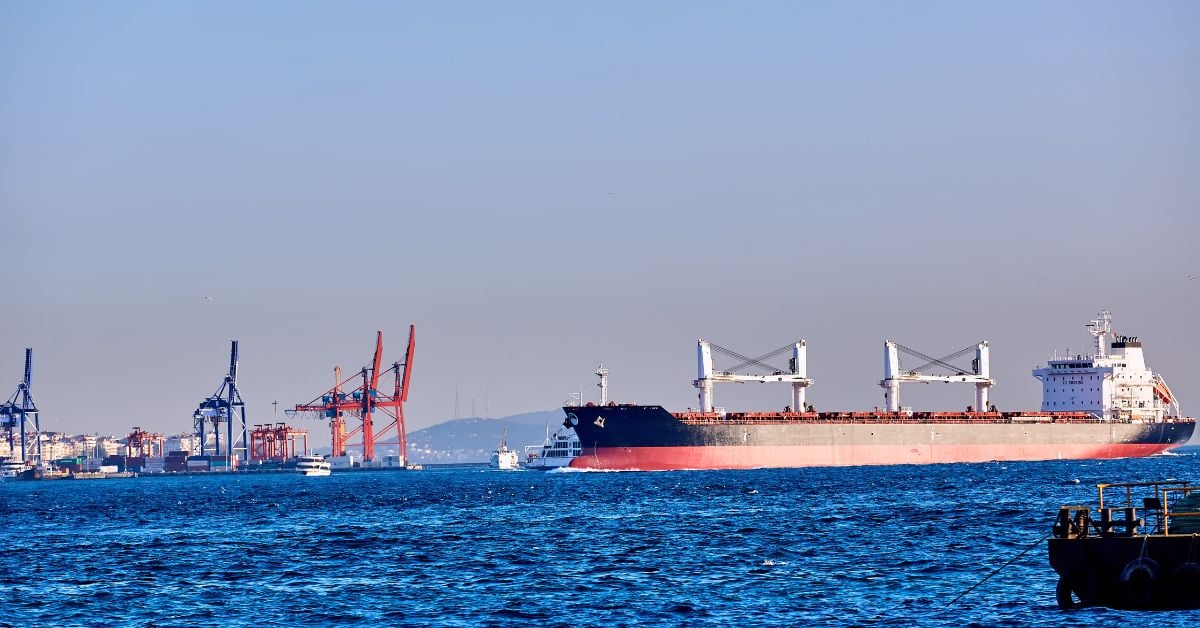
Zelensky Proposes Black Sea Maritime Truce Amidst UN General Assembly
In his address to the UN General Assembly, President Volodymyr Zelensky proposed a maritime truce with Russia in the Black Sea. The offer is a practical step toward de-escalation, one measured not by promises but by calmer waters. A functional truce could restore vital shipping lanes and reduce regional risk. For deeper context on Russia's maritime strategies, our coverage of the Northern Sea Route icebreaker funding offers a relevant look at its naval ambitions.
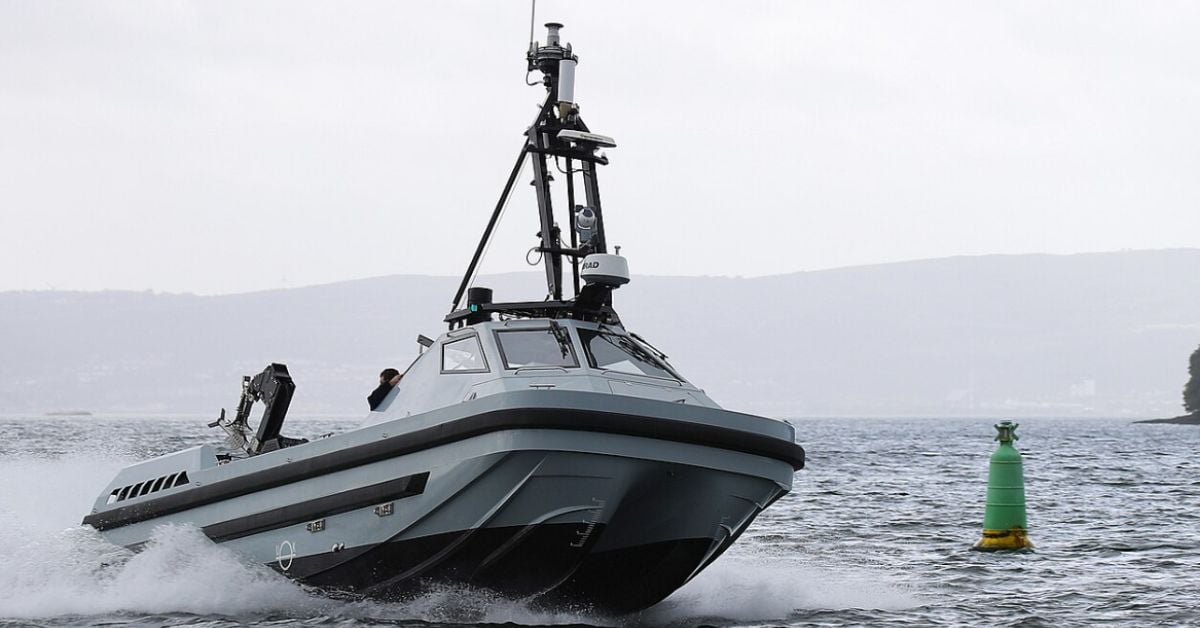
Disputed Incident: Iran Claims Attack on U.S. Unmanned Vessel in Hormuz.
Iran's claim that it attacked an unmanned U.S. vessel in the Strait of Hormuz marks another calculated escalation in a waterway already strained by maximum-capacity oil transfers. The move, framed as a response to a vessel entering a restricted area, underscores how quickly regional tensions can tip into direct confrontation. For a region where phased negotiations and multilateral pressure are already in play, this incident adds a volatile new variable.

Black Sea Grain Shipments Limited as Truce Proposal Fails.
The Black Sea Grain Shipments Limited's collapse, following the failed truce, leaves Ukraine's agricultural lifeline critically constrained. Since August, only 500,000 tonnes have moved, a mere fifth of what could ship. This is not a stalemate; it is a calibrated strangulation. The measured volume signals deliberate pressure, not logistical failure. While Russia calibrates its own maritime leverage elsewhere, as our piece on Northern Sea Route icebreaker funding shows, the immediate cost here is global food security.

Black Sea Truce Proposal Aims to Stabilize Global Food Supply.
A third-party channel has carried the Black Sea truce proposal to Moscow, yet Ukraine still awaits a reply. The asymmetry is telling: one side engages, the other delays. A stable food corridor is not a favor; it is a global necessity, and every idle day carries measurable cost. For context on how maritime pressure is being applied, our related report, "Russia Calibrates Export Revenue for Northern Sea Route Icebreaker Fleet," offers a useful counterpoint. The signals are mixed, but the proposal stands.

Iran Links Strait Passage to U.S. Actions, Raising Geopolitical Tensions
Iran's top military official, Rezaei, has tied the Strait of Hormuz's fate directly to U.S. policy, demanding an end to the war and blockade, the release of frozen assets, and a broader regional ceasefire. The linkage sharpens an already volatile maritime standoff, where every action carries measurable consequence. For those tracking the Gulf's pressure points, this is a clear escalation in rhetoric, not just posturing.

Charting New Maritime Pathways: Iran and Oman Negotiate Hormuz Route.
Iranian Foreign Minister Abbas Araqchi confirmed that a deal with Oman would establish new shipping routes through the Strait of Hormuz once conditions are met. The negotiation signals a practical step toward stabilizing a waterway critical to global energy flows. Diplomatic progress here matters, though implementation will test both sides. For context on how pressure is building in nearby waters, our piece on Gulf of Oman STS transfers offers useful background. Measured agreements are welcome, but the real measure lies in execution.

Integrated Shipping Lanes: Iran and Oman Calibrate Transit Through Hormuz.
Iran and Oman have agreed on the transit routes ships will use through the Strait of Hormuz, a calibrated step toward stabilizing one of the world's most critical maritime chokepoints. The arrangement signals practical diplomacy at work, replacing uncertainty with measurable coordination. For shippers and nations alike, this is ocean intelligence in its most actionable form: clear lanes, agreed parameters, and a shared commitment to keeping trade moving.

Iranian Official: U.S. Naval Blockade Risks Escalation in Persian Gulf
Iran's military adviser, Mohsen Rezaei, has made the position unmistakable: Tehran will not tolerate a continued U.S. naval blockade in the Persian Gulf. The warning carries weight, but the region's maritime tensions are already stretching elsewhere. As our coverage notes, Gulf of Oman STS transfers are maxing out amid rising Saudi exports, and India is expanding its fleet for a more contested sea. These pressures do not exist in isolation. The Strait of Hormuz remains the fault line where economic pressure meets strategic risk.

Dialogue Advances Toward Strait of Hormuz Stability
Diplomatic progress between Washington and Doha signals measurable headway toward restoring the Strait of Hormuz ceasefire, with senior officials from both nations confirming that substantial steps are underway. This is the kind of calibrated, real-time advancement that matters for regional stability. The talks reflect a purpose-driven commitment to de-escalation, though the path ahead remains complex. For broader context on the pressures shaping these negotiations, our related coverage on Gulf of Oman STS transfers maxing out offers useful perspective.

Shipping Activity in Strait of Hormuz Declines Amid Rising Tensions
Shipping activity in the Strait of Hormuz has slowed markedly as regional tensions rise, with liquefied natural gas traffic particularly hard hit. No LNG carriers have transited the strait since Thursday, a telling sign of how quickly commercial risk reshapes movement through a critical maritime corridor. The data is measurable, and the trend is clear. For those tracking broader patterns, our coverage of Gulf of Oman STS transfers maxing out amid rising Saudi oil exports offers useful context.

U.S. Navy Enforces Blockade, Restricting Access to Iranian Ports.
Seventeen hours after reimposing the naval blockade, U.S. Central Command confirmed the Navy is enforcing restricted access to Iranian ports. The move is precise, deliberate, and calibrated to pressure without escalation. It is a direct signal, measured in hours, not rhetoric. For those tracking Gulf dynamics, the pressure on shipping lanes is mounting. Our related piece, "Phased Negotiations Aim to Ease Restrictions on Strait of Hormuz," offers essential context on whether this corridor might reopen.

Trade Focus Alters Transit Fees in Gulf Region
President Trump's plan to pivot toward direct trade and investment agreements with Gulf allies signals a calculated shift in regional economics. By prioritizing bilateral deals, the administration aims to recalibrate transit fees and commercial leverage, a move that could yield mutual gains if executed with precision. The timing is telling, given the strain on Gulf of Oman STS transfers, as detailed in our related coverage. Trade policy here is not abstract; it is measured in barrels, routes, and renegotiated terms.

Strait of Hormuz Attack Impacts Maritime Traffic, Claims One Life.
Missile strikes against the Mombasa and Al Bahiyah have set fires ablaze in the Strait of Hormuz, claiming one life and disrupting the flow of maritime traffic through a waterway that carries a fifth of global oil. The UAE Ministry of Defence confirmed the attacks, underscoring how fragile this strategic chokepoint has become. This incident adds to the pressure on shipping lanes already strained by regional tensions.