cargo capacity
4 stories filed under cargo capacity on World Data Ocean. The newest of them: “New container ship design eliminates manual lashing to boost capacity and safety”, “Optimal LNG Carrier Design: Boosting Capacity, Reducing Costs”, and “Scaling Seas: Gigamax Container Ships Forecasted for East-West Trade.”. Manual lashing has long been a bottleneck in container shipping, a labor-intensive process that limits both capacity and crew safety. A 200,000m³ LNG carrier can move more gas per voyage without sacrificing access to the terminals that matter most. A Global Hub for Ocean Intelligence 4 World Data Ocean is a centralized digital platform where researchers, scientists, and ocean enthusiasts converge to… The list below is every cargo capacity story on World Data Ocean, newest first.
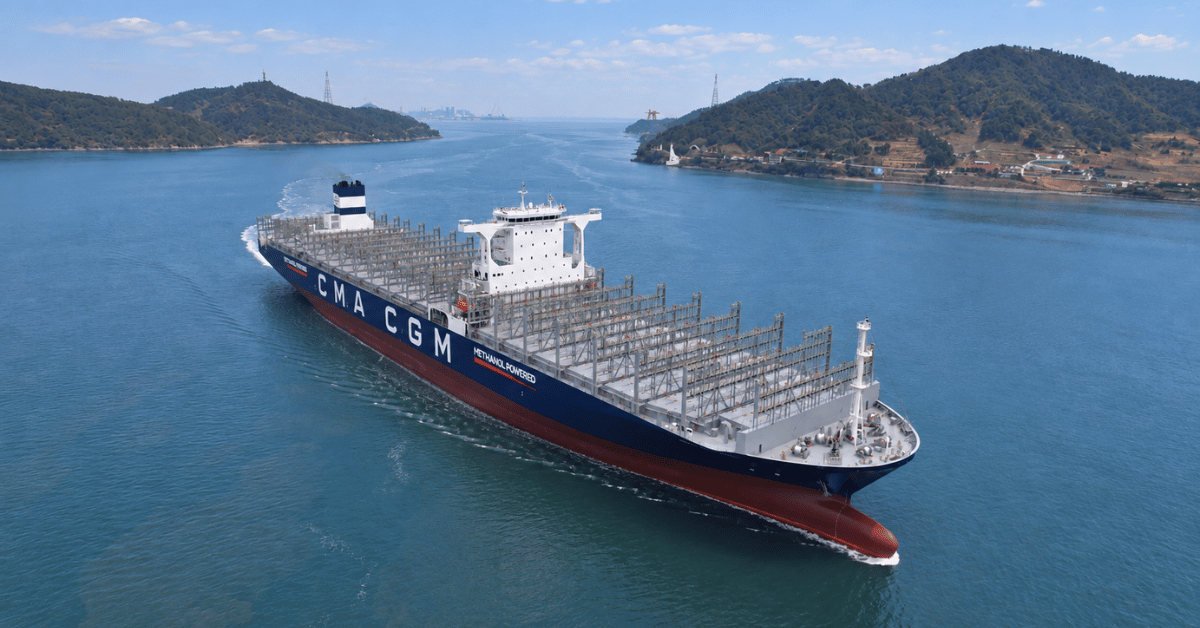
New container ship design eliminates manual lashing to boost capacity and safety
Manual lashing has long been a bottleneck in container shipping, a labor-intensive process that limits both capacity and crew safety. HD Hyundai's new lashing-free container ship changes that calculus. By eliminating manual securing, the design boosts cargo capacity while reducing risk for workers. This is measurable innovation: empirical gains in efficiency paired with validated safety improvements. For deeper context on how maritime operations are evolving, see our coverage of the coordinated medical evacuation in the Andaman Sea.
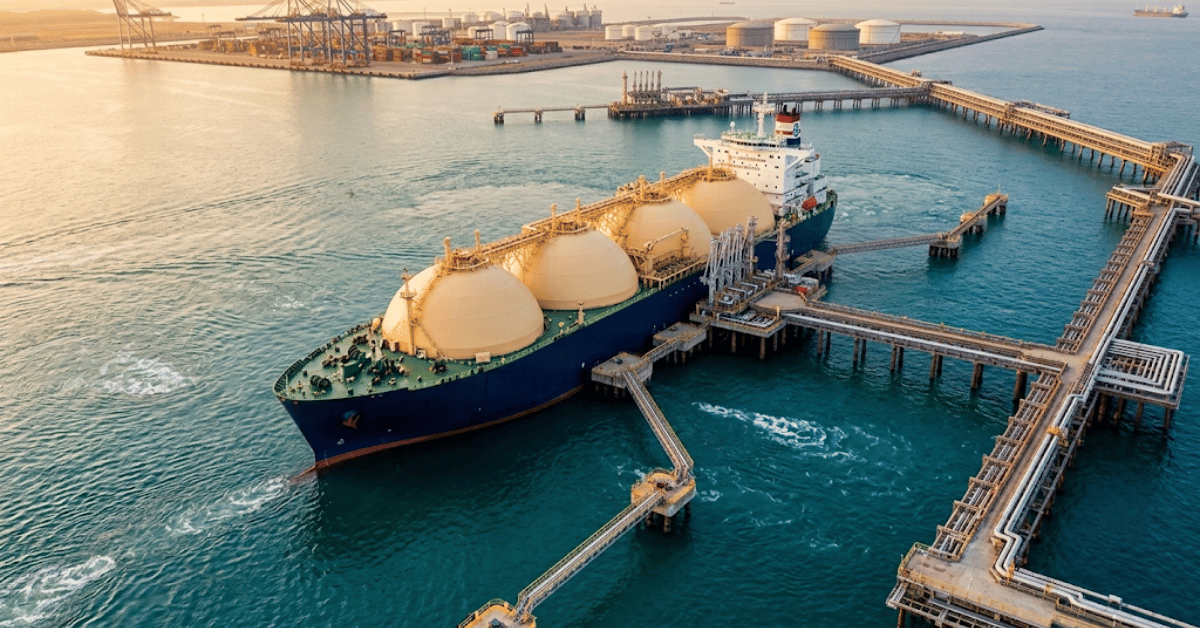
Optimal LNG Carrier Design: Boosting Capacity, Reducing Costs
A 200,000m³ LNG carrier can move more gas per voyage without sacrificing access to the terminals that matter most. LR's analysis shows that this larger capacity directly reduces unit transport costs while staying compatible with the majority of existing infrastructure. That is practical efficiency, not speculative ambition. For readers tracking how maritime logistics adapt under pressure, our piece on Gulf of Oman STS transfers maxing out offers a useful parallel.
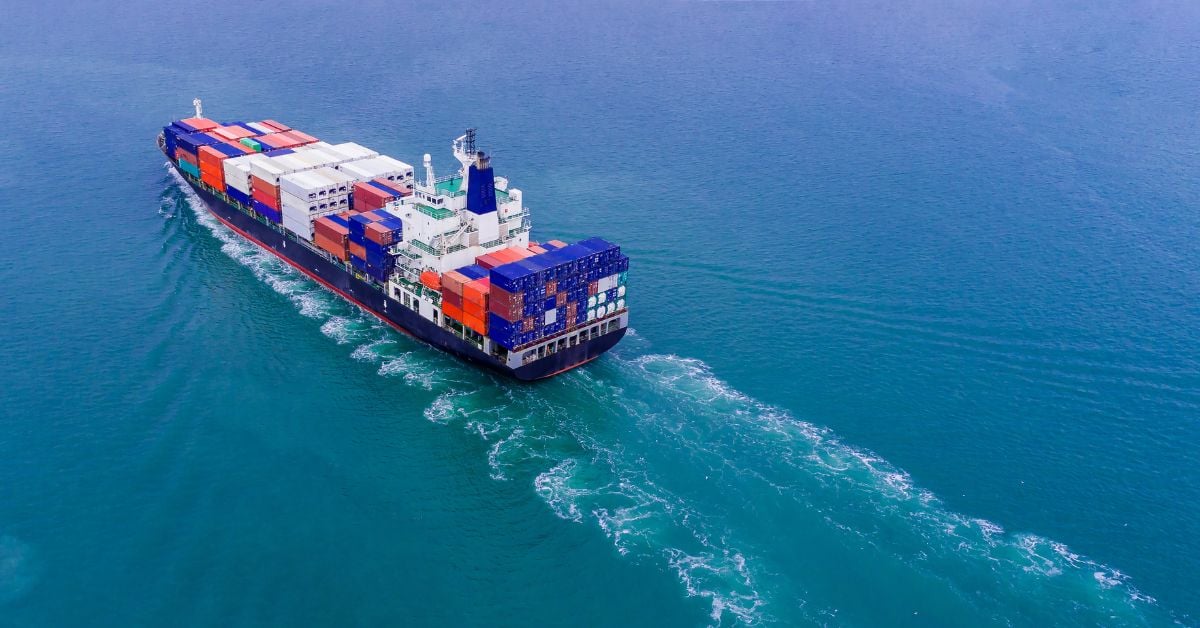
Scaling Seas: Gigamax Container Ships Forecasted for East-West Trade.
A 27,500-TEU vessel represents more than a simple capacity increase. It signals a recalibration of global trade infrastructure, where scale itself becomes a strategic asset. These Gigamax ships will demand deeper ports, stronger cranes, and tighter scheduling across entire supply chains. The question is whether our current systems can absorb that pressure. For context on how maritime nations are already adapting, see our coverage of "Russia Calibrates Export Revenue for Northern Sea Route Icebreaker Fleet."

MSC Vandya's Size Meets Depth Limits at Port Everglades
At 143,521 gross tons and 1,200.2 feet in length, the MSC Vandya has arrived at Port Everglades, testing the limits of what the facility can accommodate. Its 13,050-TEU capacity underscores how modern shipping continues to scale up. This is a clear signal of sustained demand for efficient cargo movement. For context on this momentum, our piece on record port activity highlights how Chinese exports are driving similar surges elsewhere. The Vandya's visit is another measurable data point in that ongoing story.