berth
World Data Ocean keeps berth in one place: 11 stories so far. The section currently leads with “Alaska’s Base Kodiak to Gain Enhanced Arctic Capabilities with New Pier”, “Navigation Error: Tug Misidentification Leads to Pier Collision.”, and “Russian Fishing Vessel Partially Sinks at Montevideo Port”. The U.S. A tug-name mix-up is a small error with outsized consequences. A Global Hub for Ocean Intelligence 4 World Data Ocean is a centralized digital platform where researchers, scientists, and ocean enthusiasts converge to… The list below is every berth story on World Data Ocean, newest first.
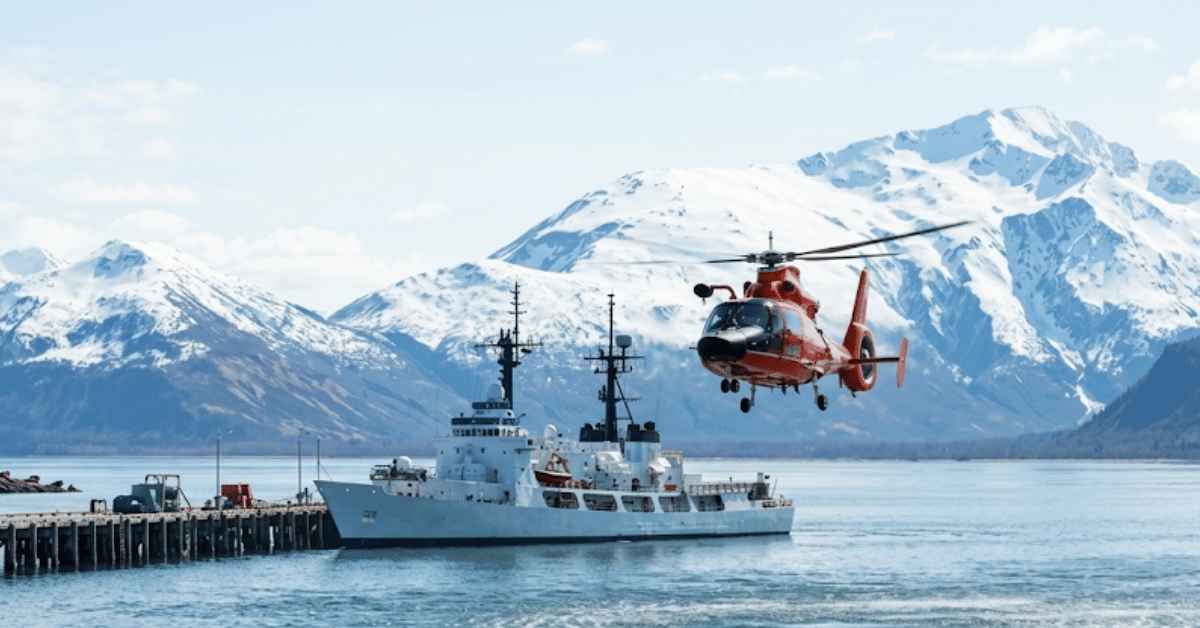
Alaska’s Base Kodiak to Gain Enhanced Arctic Capabilities with New Pier
The U.S. Coast Guard's $315 million contract for a new cutter mooring and fuel pier at Base Kodiak is a measured step toward strengthening Arctic readiness. This investment gives Alaska's hub the infrastructure to sustain operations where climate indicators demand attention. It is practical, forward-looking, and overdue. For broader context on polar infrastructure momentum, our coverage of Russia's Northern Sea Route icebreaker financing offers a useful contrast. This pier is about capacity, plain and simple, and that is how we measure progress.
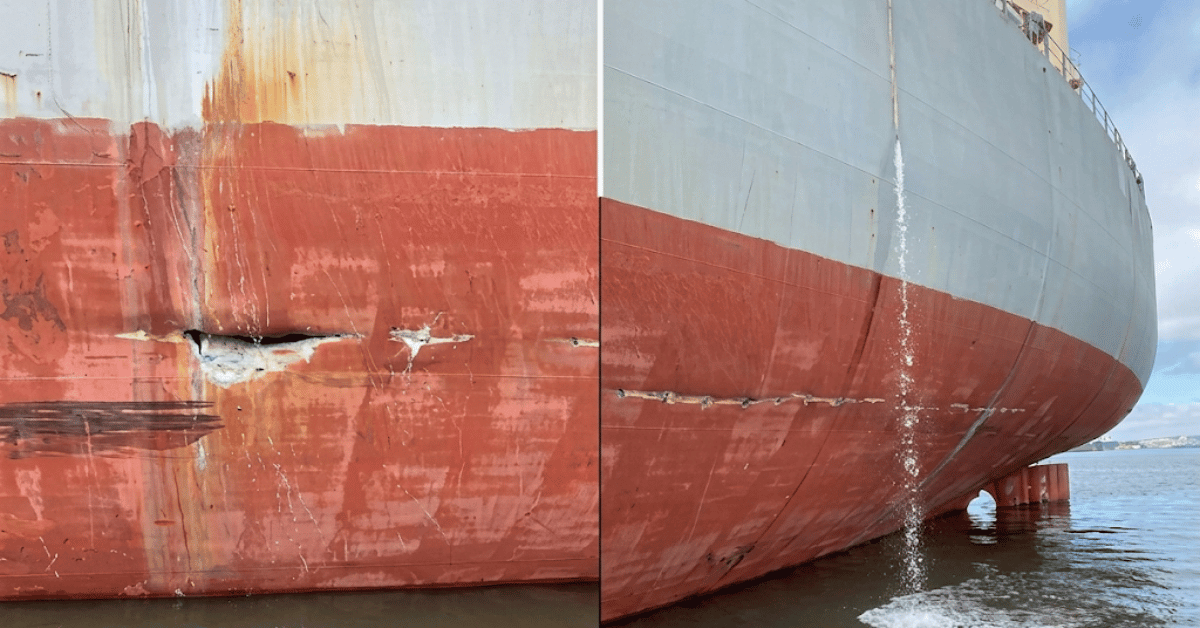
Navigation Error: Tug Misidentification Leads to Pier Collision.
A tug-name mix-up is a small error with outsized consequences. During a night-time departure, the misidentification led a tanker straight into the pier, a collision that was entirely avoidable. It is a sharp reminder that precision in communication is not a luxury but a necessity in maritime operations. This incident joins a growing list of navigation challenges we have covered, including the cargo ship fire near Mykonos, showing that vigilance remains the industry's most critical instrument.
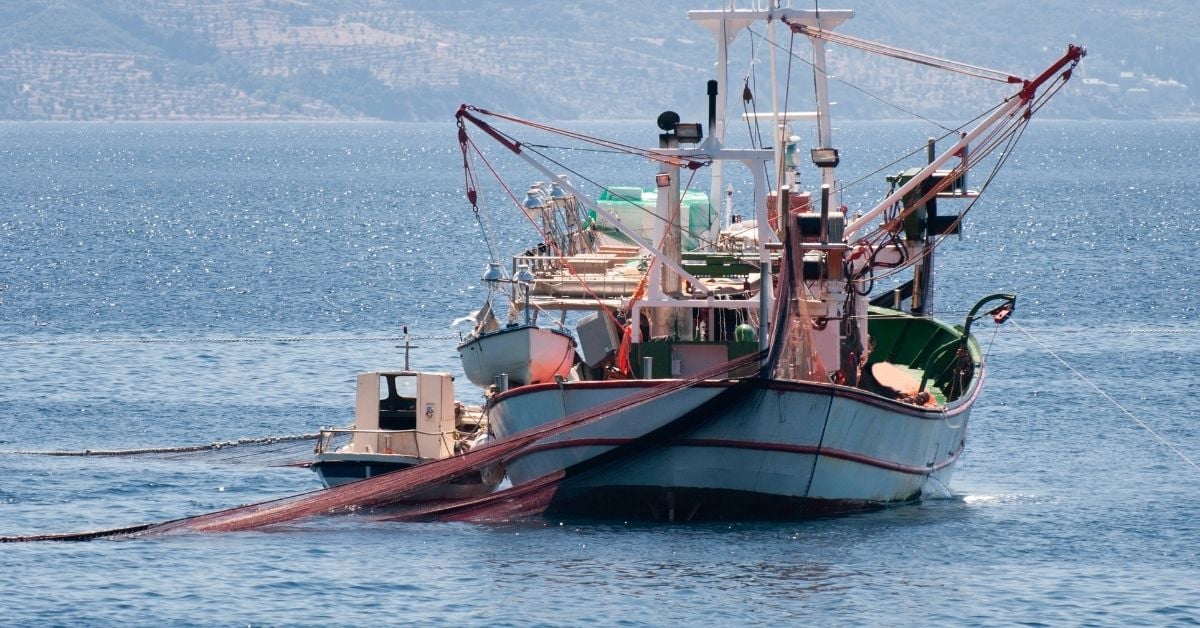
Russian Fishing Vessel Partially Sinks at Montevideo Port
A Russian-flagged fishing vessel partially sank while berthed at Uruguay's Port of Montevideo after losing stability, a reminder that maritime risks persist even in protected harbors. The incident underscores how quickly operational stability can unravel, though the crew's status remains unconfirmed. Such events invite scrutiny of port-side protocols and vessel condition, especially as our coverage of the *Bulk Carrier Freed After Prolonged Grounding Near Gladstone* shows similar challenges elsewhere.

Port Delays Surge: Global Congestion Impacts Freight Rates and Operations
Port congestion is no longer a logistical footnote; it is a primary lever on global freight rates. Longer waiting times at anchor translate directly into longer turnaround times for vessels, and that idling carries a measurable cost. The result is an escalation in freight rates and operational expenses that ripples through every supply chain. This is the friction of a system operating at its limits. While record port activity reflects surging Chinese exports amid trade uncertainty, the operational strain is undeniable.
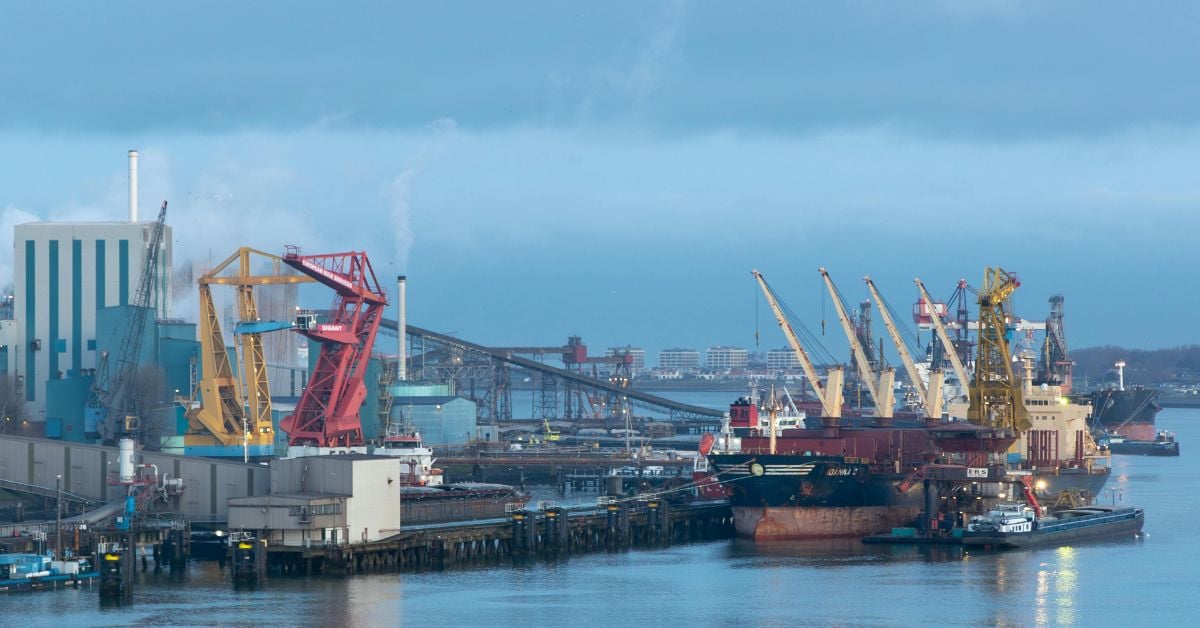
Data Integration: Mitigating Billions in Port Operational Losses.
A single port operating as a collection of silos, with container, bulk, breakbulk, and RORO terminals refusing to share information, is a blueprint for operational chaos. The resulting delays are not just inconvenient; they represent a measurable drain of billions in potential value. This fragmentation is a direct threat to the efficiency we should be engineering for. For a deeper look at how systemic pressure points manifest, our coverage of "Gate Delays Expose Critical Link in National Trade Flow" offers a relevant parallel.
Real-Time Visibility: Optimizing Terminal Operations with Modern TOS Systems
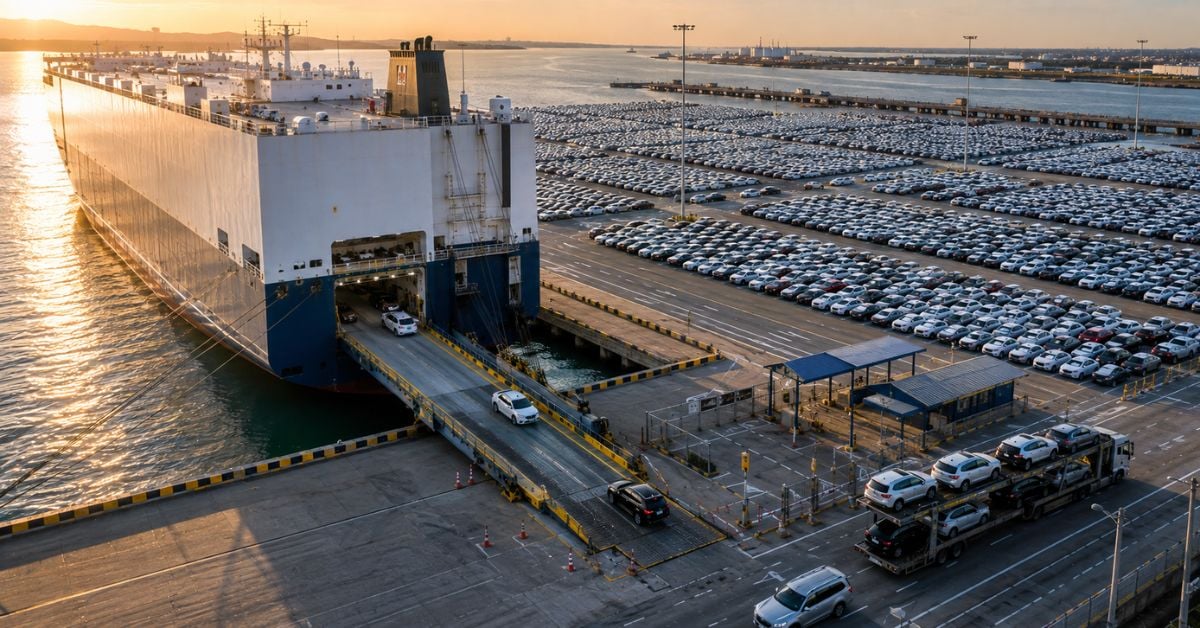
A terminal's true competitive edge lies in its ability to see clearly. Modern Terminal Operating Systems integrate machinery, workflows, and departments into a single, calibrated view, delivering real-time visibility into both current activity and what must happen next. This isn't about flashy dashboards; it's about measurable, operational intelligence. For those exploring how data ecosystems drive efficiency, our coverage of integrated subsea cables shows a similar principle at scale. Understanding the flow of information is the first step to mastering it.

Maritime Conflict Impacts Shipping Lanes, Raising Regional Tensions
Russia's Defence Ministry confirmed the two cargo vessels were targeted for their alleged use in Ukrainian military interests. This is a deliberate escalation that compresses the space for safe transit. When state actors weaponise commercial shipping, the calculus for insurers, flag states, and port authorities shifts overnight. We have not seen the full cost yet. For broader context, our related piece, "Russia Calibrates Export Revenue for Northern Sea Route Icebreaker Fleet," shows how Moscow is simultaneously militarising its maritime posture elsewhere. That is not coincidence.

Portsmouth Port Powers Cruise Ships, Advancing Sustainable Maritime Operations
Portsmouth Port's shore power system is on track to connect three cruise vessels simultaneously later this year, a move that grounds sustainable maritime operations in measurable action. This is the kind of practical, forward-looking infrastructure the industry needs, not as a gesture, but as a working standard. Shoreside electrification cuts emissions where ships berth, and that is a tangible step. For broader context on maritime security efforts, our piece on the Coast Guard's recent cocaine interdictions offers a parallel view of ocean stewardship in action.

Mundra Port Achieves Record Container Volume, Bolstering Indian Ocean Trade.
Mundra Port has set a new benchmark for Indian maritime trade, handling 21,085 TEUs on the MSC AMBRA, the highest container volume ever moved on a single vessel at an Indian port. This record signals more than operational efficiency; it reflects India's growing capacity to manage larger, more demanding shipping flows. For a nation anchoring its trade ambitions on robust port infrastructure, this achievement is a measurable step forward.
Navigational Error and Visibility Highlight Situational Awareness Risks at Sea
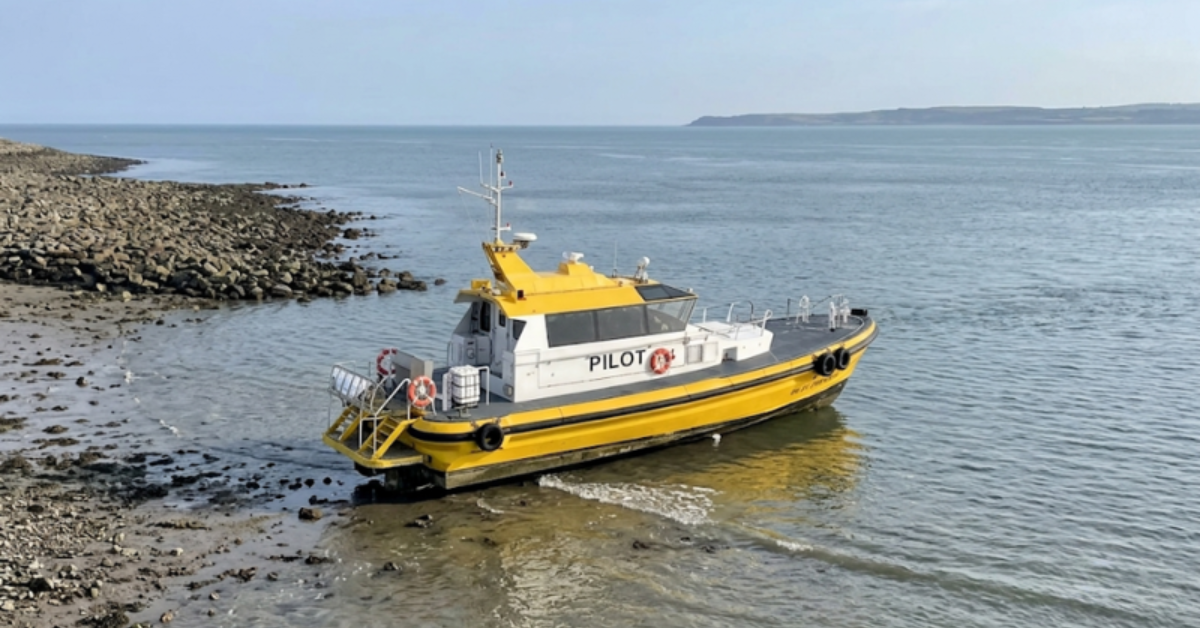
A pilot boat ran aground when poor visibility and reduced situational awareness led the Master into a navigational error. The incident underscores how quickly conditions at sea can erode even experienced decision-making. It is a measured reminder that vigilance is not optional, it is the anchor of safe passage. For broader context on maritime safety challenges, our coverage of the drone strike near the Strait of Hormuz highlights how external threats compound operational risk. Understanding these failures drives stronger, more disciplined practices.

Search and Rescue Underway Following Vessel Incident at Wuhan Port
Search and rescue operations are underway at Yangluo Port in Wuhan after an explosion and fire were reported onboard an LNG dual-fuel container ship, leaving one crew member missing. The incident underscores the inherent risks that persist even as maritime technology advances toward cleaner fuels. We track these events closely, not for spectacle, but because each incident offers empirical lessons for improving safety protocols.