ammonia
ammonia at World Data Ocean is a file of 10 stories. The newest of them: “Ammonia Bunkering Vessel Design Receives Approval, Advancing Sustainable Maritime Fuels”, “Ammonia Bunkering Milestone: Pioneering Sustainable Shipping Practices”, and “Validated Design: LNG Bunkering Vessel Earns Approval for Dual Fuel Capability”. HD Hyundai's shipbuilding arms have secured ABS approval in principle for an ammonia bunkering vessel design, a concrete step toward commercialising a fuel critical to maritime decarbonisation. NYK Line and its Japanese partners have completed the world's first ship-to-ship ammonia bunkering operation on an ammonia-fuelled vessel, a measured step toward decarbonizing maritime transport. A Global Hub for Ocean Intelligence 4 World Data Ocean is a centralized digital platform where researchers, scientists, and ocean enthusiasts converge to… The list below is every ammonia story on World Data Ocean, newest first.
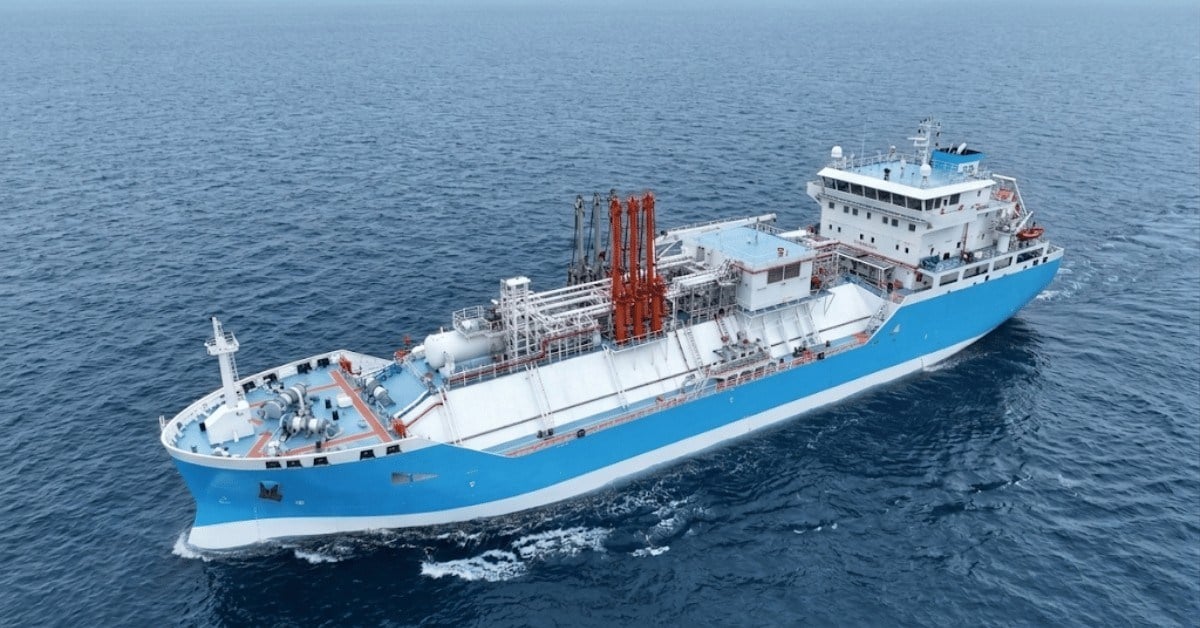
Ammonia Bunkering Vessel Design Receives Approval, Advancing Sustainable Maritime Fuels
HD Hyundai's shipbuilding arms have secured ABS approval in principle for an ammonia bunkering vessel design, a concrete step toward commercialising a fuel critical to maritime decarbonisation. The classification validates the integrated approach behind the design, moving ammonia from theoretical promise toward operational reality. This is how ocean intelligence translates into practical infrastructure. For broader context on the sector's risks, our report on the fatal attack near Oman underscores the security dimension shaping today's shipping routes.
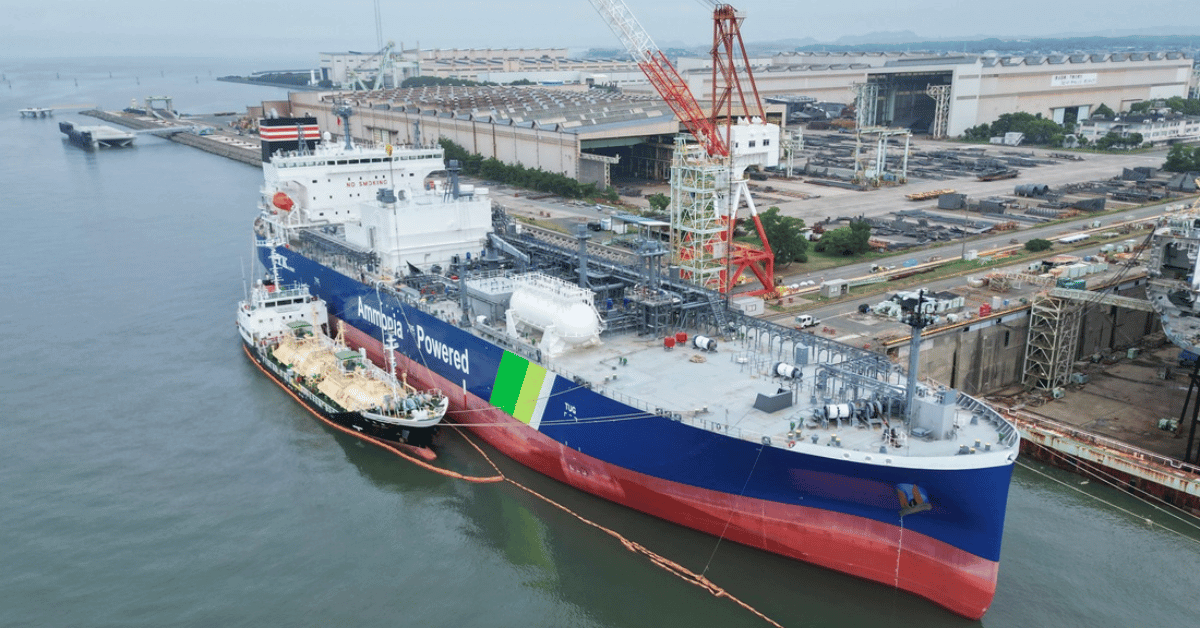
Ammonia Bunkering Milestone: Pioneering Sustainable Shipping Practices
NYK Line and its Japanese partners have completed the world's first ship-to-ship ammonia bunkering operation on an ammonia-fuelled vessel, a measured step toward decarbonizing maritime transport. This is not flashy; it is empirical progress. The operation validates a practical pathway for integrating alternative fuels into existing logistics chains. For those tracking how ports and fleets evolve, this milestone complements the validated design of an LNG-ammonia bunkering vessel we covered earlier. Together, these developments signal a deliberate, data-driven shift in how the industry powers its ships.
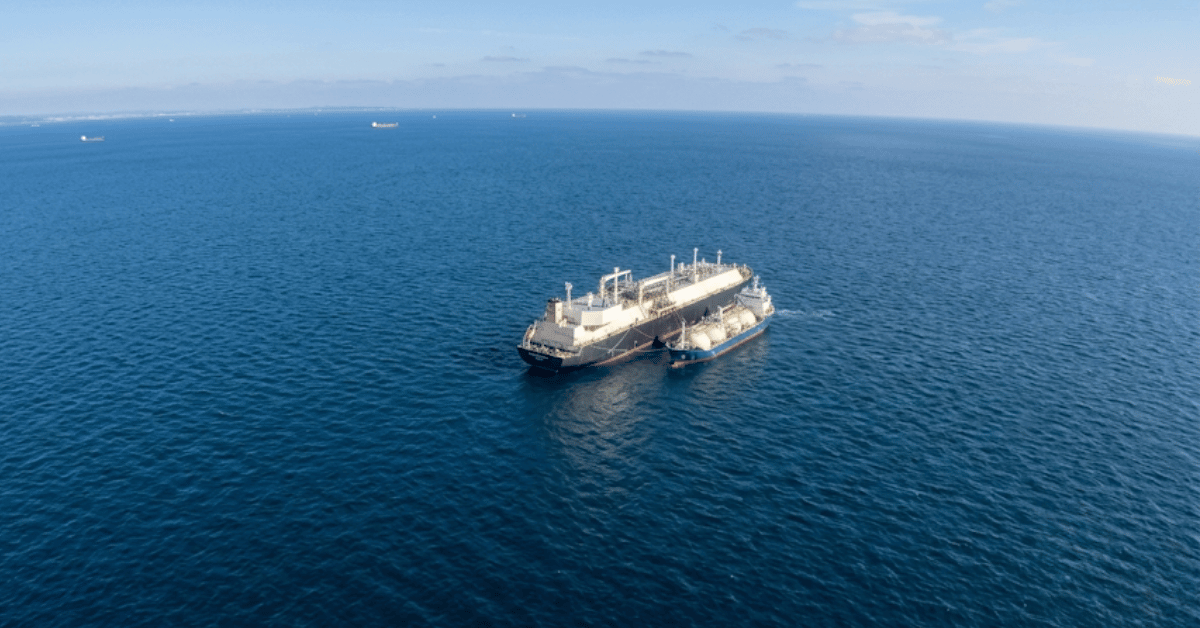
Validated Design: LNG Bunkering Vessel Earns Approval for Dual Fuel Capability
Hanwha Power's 22,000-cubic-meter LNG bunkering vessel has secured ABS approval, and the dual-fuel capability is what makes this design worth watching. The integration of LNG-ammonia cargo with hybrid propulsion signals a practical step toward lower-emission maritime operations, not a distant promise. It is a measured, engineering-led response to tightening fuel regulations. For broader context on how carriers are rethinking efficiency, our earlier analysis on optimal LNG carrier design is worth revisiting. This approval adds momentum to that conversation.
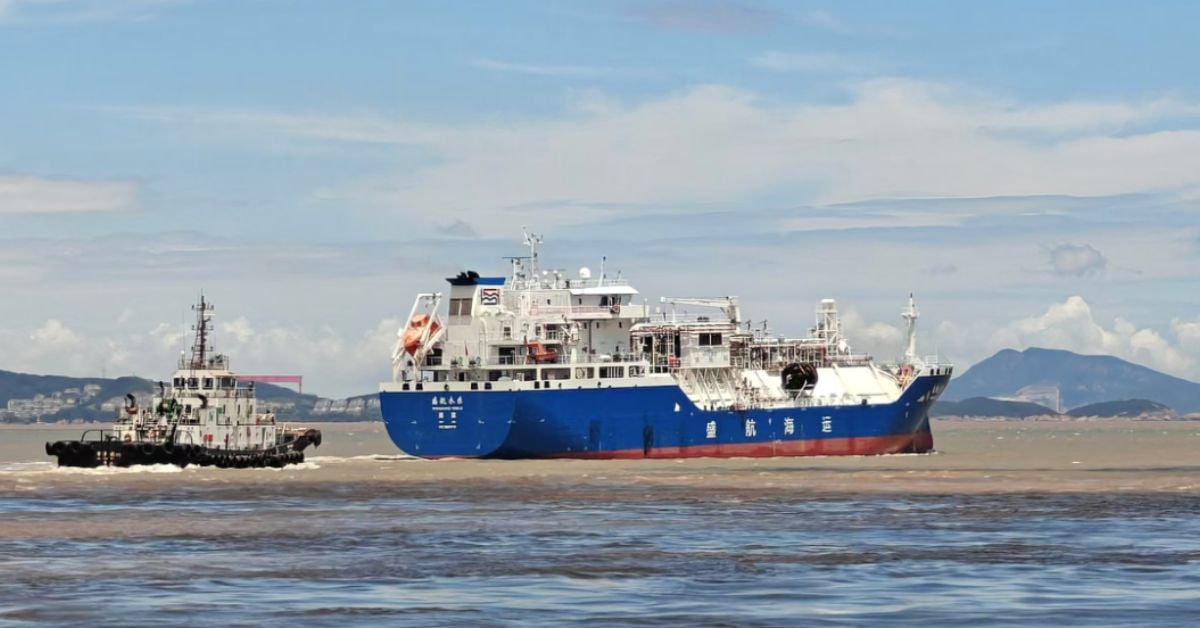
Ammonia Bunkering Vessel Launches, Advancing Sustainable Maritime Fuel Transition
The conversion of the FKAB Marine Design L21 carrier *Shenghang Yongle* into an ammonia bunkering vessel marks a measured step forward for sustainable maritime fuel. This is not spectacle; it is calibrated infrastructure taking shape. Ship-to-ship liquid ammonia refueling requires precision, and this launch delivers that capability. The industry needs practical pathways, not promises. We see this as a signal that the transition is being built, not just discussed.
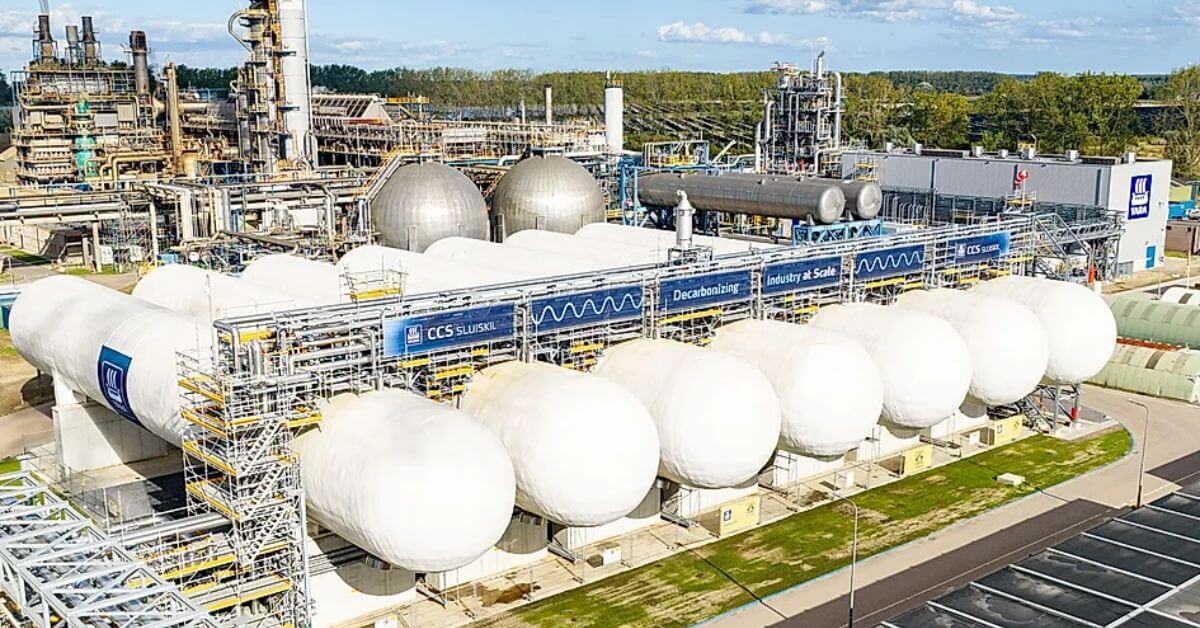
Integrated Carbon Capture Validates Ocean-Climate Link at Yara Facility
At Yara Sluiskil, Europe's largest ammonia and fertilizer plant now captures and liquefies up to 800,000 tons of CO₂ annually. This integrated carbon capture system validates a measurable, empirical link between industrial operations and ocean-climate indicators. It is science with purpose. For deeper context on shifting global commodity flows, see our coverage of Russian terminals adapting for grain exports. Understanding drives protection, and this facility proves the mechanism works.
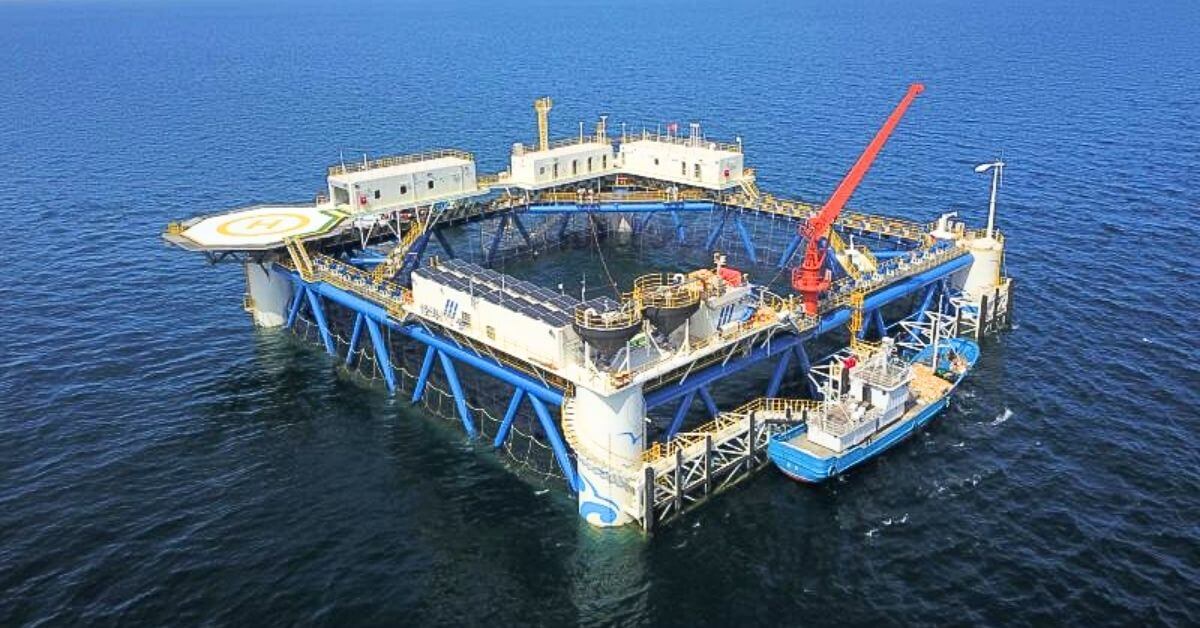
Bamboo Solar Platform Tests Sustainable Offshore Energy Solutions
A new test platform is asking whether bamboo can do what steel and plastic have always done in offshore solar. The design challenges the materials status quo by measuring performance against conventional structures. It is a practical experiment, not a spectacle. If the data holds, it could reshape how we build in marine environments. For more on infrastructure pressures elsewhere, see our coverage of Gulf of Oman STS Transfers Max Out Amid Rising Saudi Oil Exports.

Fatal Gas Leak Highlights Risks in Bangladesh's Shipbreaking Industry
A fatal gas leak has forced the Department of Environment to keep a shipbreaking yard closed until its environmental clearance is renewed, a decision that underscores the human cost embedded in Bangladesh's recycling economy. This is not an abstract regulatory wrinkle; it is a concrete failure of oversight with lethal consequences. The yard's closure is warranted, yet it raises a pressing question: why was it operating at all?

Modeling a Green Shipping Corridor for Sustainable Trade Growth
A 2.2% annual traffic growth rate sounds modest until it meets a decarbonization curve that will not bend. This study models a green shipping corridor linking Shanghai, Jebel Ali, and Koper, and the results are sobering: even with 23 mitigation measures and roughly 86% alternative fuel adoption, net-zero by 2050 remains out of reach. The bunkering stage, not the voyage, is where the system lives or dies. That is the actionable insight. Corridors are not routes; they are integrated transport-energy systems.

Alternative Fuels: UK Shipping Assesses Safety for a Net Zero Transition
Safety is the quiet foundation of shipping's energy transition, and the UK Chamber of Shipping's new report ensures it is not overlooked. The assessment addresses the practical risks of alternative fuels, grounding the net zero shift in empirical, peer-reviewed scrutiny rather than optimism alone. That measured approach matters for an industry where precision is non-negotiable. For those tracking how such operational data integrates with broader ocean intelligence, our related piece on bridging data gaps through citizen science offers a useful complement to this safety-first perspective.
Long-Term Data Reveals Predictable Shifts in Coastal Water Quality.
Thirty-seven years of monthly data across 94 stations is a rare lens, and it shows that coastal water quality follows patterns we can actually anticipate. The study's strength lies in its chronological validation, which reveals that tree-based models hold up best for temperature and salinity, while chlorophyll-a remains stubbornly unpredictable. SHAP analysis adds a compelling layer, showing how predictor importance shifts with hydrography, particularly in the Pearl River-influenced west. This is a practical benchmark, not a theoretical one.