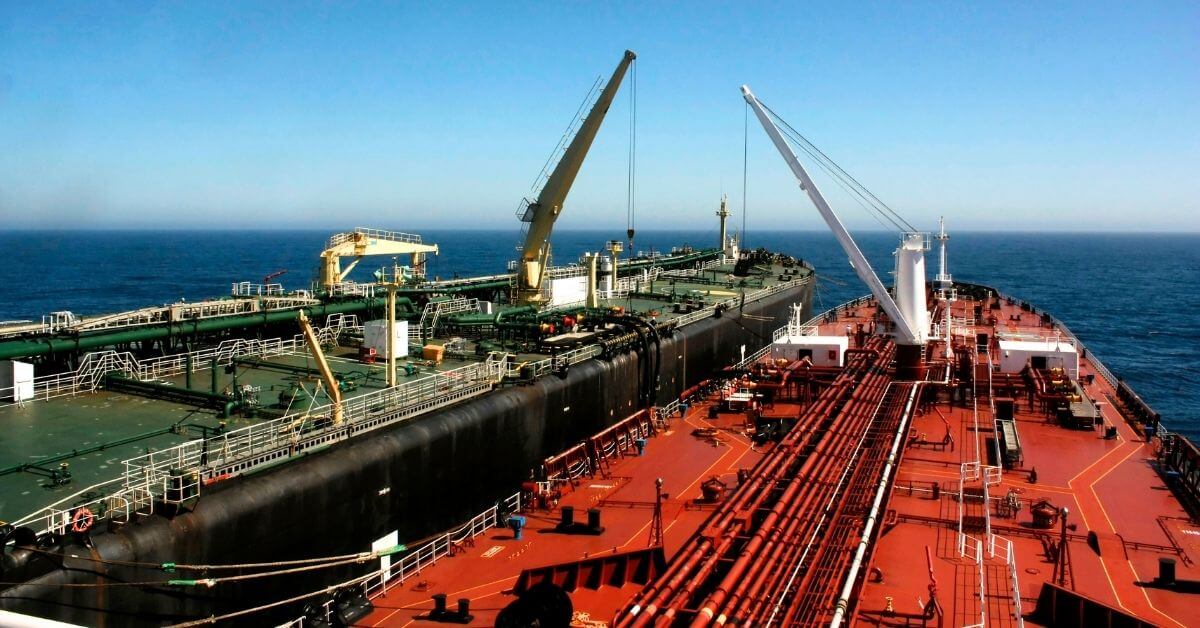
The oil slick now detected off Yemen's coast is not a headline; it is a data point. And for once, the data has been integrated quickly enough to matter. The pollution, traced to ship-to-ship transfers, threatens marine life, coastal ecosystems, and the fishermen whose livelihoods are tied to those waters. We know this because the evidence has been calibrated and validated in near real time, not pieced together weeks later from anecdotal reports. That is the difference between reacting to a disaster and understanding one.
This incident sits within a broader pattern of maritime pressure that has been building for months. Ship-to-ship transfers in the Gulf of Oman have already maxed out their capacity amid rising Saudi oil exports, as traders and analysts have noted. That operational ceiling matters because it concentrates risk. When transfers are rushed, when vessels queue in open water, the probability of a spill rises. And as the recent hijacking of a US-sanctioned tanker off Somalia showed, the waters themselves are becoming less predictable. That vessel was recovered by Puntland forces after 48 hours, but the episode underscored how thin maritime security is stretched. The Yemen spill is not an isolated failure; it is the visible edge of a system that is being pushed past its limits without the safeguards keeping pace.
What we would tell a reader who asks what to make of this is straightforward: treat the spill as a stress test, not a spectacle. The practical consequence is that every fishery closure, every coastal community disruption, and every health advisory will be measured against a baseline. The question is whether that baseline exists. Integrated data ecosystems, the kind that track climate indicators and ocean intelligence, are only as good as their coverage. If the data from this spill is folded into the broader record, then the next incident, and there will be a next incident, will be assessed with more precision. If it is not, we will continue to get snapshots instead of a full picture.
The takeaway worth quoting is this: "The spill is a fact; the response is a choice." We have already seen the cost of treating ocean events as isolated news cycles. The choice now is whether the data collected from this event becomes part of a longitudinal record that informs policy, or whether it fades into the noise. Watch whether the response includes independent, peer-reviewed monitoring. That will tell you more than any press release. Because in the end, the fishermen who cannot go out tomorrow do not need another warning. They need the systems that track these waters to be as reliable as the tides.