Video: U.S. Military Strikes Drug-Trafficking Vessel In Caribbean Sea, Killing 3
Our take
The recent reported U.S. military strike against a drug-trafficking vessel in the Caribbean Sea, resulting in three fatalities, underscores the escalating complexities surrounding maritime security and international law. This action, the 69th acknowledged strike within a yearlong campaign initiated during the previous administration, raises pertinent questions about the proportionality of force and the potential for unintended consequences in combating transnational crime. The incident warrants careful consideration within the broader context of maritime operations, particularly when viewed alongside recent events such as the ongoing situation involving [26 Filipino Seafarers Await Repatriation After Attack On Bulk Carrier In Ukraine], highlighting the vulnerability of civilian maritime personnel in conflict zones, and the precedent set by the sinking of a vessel used as a “floating refueling station” for drug trafficking operations [Watch: U.S. Sinks Vessel Used As ‘Floating Refueling Station’ For Drug Trafficking Operations]. These interconnected events emphasize the intricate web of challenges facing maritime security professionals.
The use of military force against suspected drug traffickers at sea is a contentious issue, particularly when it results in loss of life. While the intent may be to disrupt criminal networks and prevent the flow of illicit substances, the legal and ethical ramifications are significant. International law governing the high seas is complex, and the application of lethal force requires strict adherence to principles of self-defense and proportionality. The reported incident necessitates a thorough and transparent investigation to ensure that all applicable legal frameworks were respected. Furthermore, the effectiveness of such strikes in the long term remains debatable. Disrupting one vessel may only lead to traffickers utilizing alternative routes or methods, potentially shifting the problem rather than eliminating it. The Norwegian seizure of a Russian vessel [Norway Seizes Russian Vessel At Ukrainian Firm’s Request To Enforce $4.22 Billion Arbitral Award] illustrates the diverse range of legal justifications for maritime intervention, and provides a contrasting perspective to the use of military force in combating drug trafficking.
Beyond the immediate legal and ethical concerns, this situation highlights the broader implications for maritime domain awareness and the integration of data from various sources. Effective monitoring of ocean activity, including identifying suspicious vessels and tracking their movements, requires a robust and integrated data ecosystem. Real-time data, validated through empirical evidence and calibrated against established climate indicators, is crucial for informed decision-making and proactive intervention. The challenges extend beyond simply detecting vessels; accurate identification, verification of intent, and the ability to distinguish between legitimate maritime traffic and illicit activities are paramount. Ocean intelligence, derived from a combination of satellite imagery, sensor networks, and human intelligence, plays a vital role in providing the necessary context for assessing risk and responding effectively.
Ultimately, the U.S. military's actions in the Caribbean Sea serve as a stark reminder of the evolving challenges facing maritime security. A purely militaristic approach, while potentially offering short-term disruption, is unlikely to provide a sustainable solution to the complex problem of transnational drug trafficking. A more comprehensive and collaborative strategy, incorporating diplomatic efforts, international partnerships, and enhanced maritime domain awareness capabilities, is essential. The question remains: can a more integrated, data-driven approach, prioritizing validated intelligence and fostering global collaboration, offer a more effective and ethically sound pathway towards safeguarding our oceans and combating maritime crime?
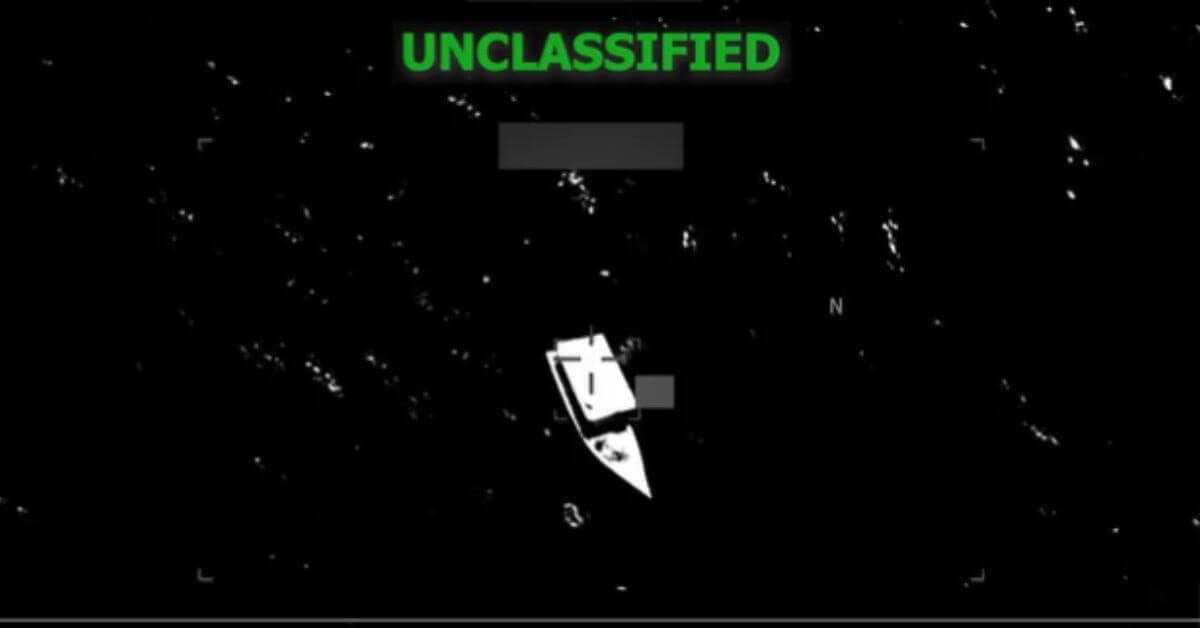
The U.S. military said it attacked a vessel in the Caribbean Sea on September 9, killing three people it called “narco-terrorists.”
US SOUTHCOM said it had “confirmed intelligence” that the vessel was actively involved in drug-trafficking but gave no further details or evidence.
The attack was the 69th publicly acknowledged strike in the Trump administration’s yearlong military campaign against vessels it says are involved in drug trafficking.
At least 230 people have been killed in the campaign.
It was the first strike this month and the third since the attacks resumed in August after a two-month break that began in late June.
SOUTHCOM also released a 10-second video of the strike. It showed a canopied boat appearing to be stationary on the water before it burst into smoke and flames.
On September 9, under the direction of #SOUTHCOM, Joint Task Force Western Hemisphere executed a lethal kinetic strike on a go-fast vessel operating along established narco-trafficking routes in the Caribbean. Confirmed intelligence revealed the vessel’s active involvement in… pic.twitter.com/B9Ec4bCepT
— U.S. Southern Command (@Southcom) September 10, 2026
President Donald Trump’s administration has said the vessels struck by the U.S. military since September 2025 were carrying narcotics.
The strikes in the Caribbean and Eastern Pacific have killed more than 220 people, according to information released about the campaign.
Some of those killed are believed to have been civilians.
Legal experts and human rights groups in the United States and other countries have questioned whether the strikes are legal.
Human Rights Watch, Amnesty International and independent United Nations experts have called them unlawful extrajudicial killings.
The American Civil Liberties Union has described the Trump administration’s claims against those it targets as “unsubstantiated, fear-mongering claims.”
Before the two-month break, the Trump administration had used counterterrorism language to describe some of the operations and said vessels were being operated by designated terrorist organisations.
The Trump administration has designated 21 Latin American drug cartels and gangs since February.
On Sept. 9, the same day as the latest strike, U.S. Secretary of State Marco Rubio designated Ecuadorian gang Los Tiguerones as both a foreign terrorist organisation and a specially designated global terrorist.
References: Reuters, US SOUTHCOM
Read on the original site
Open the publisher's page for the full experience