United Nations
United Nations at World Data Ocean is a file of 7 stories. The newest of them: “Africa's population projected to double by 2070, reshaping global climate indicators”, “Eighty Nations Urge Reopening of Vital Strait of Hormuz Shipping Lane”, and “Military Action Targets Caribbean Drug Trafficking, Data Validates Campaign Impact”. Africa's population is projected to double by 2070, a shift that will fundamentally reshape global climate indicators. Eighty nations, led by Bahrain's foreign minister, have formally urged the United Nations to reopen the Strait of Hormuz, a waterway that carries nearly a fifth of global oil supply. A Global Hub for Ocean Intelligence 4 World Data Ocean is a centralized digital platform where researchers, scientists, and ocean enthusiasts converge to… The list below is every United Nations story on World Data Ocean, newest first.
Africa's population projected to double by 2070, reshaping global climate indicators
Africa's population is projected to double by 2070, a shift that will fundamentally reshape global climate indicators. This growth concentrates where resources are already strained, making integrated data ecosystems essential for tracking emissions, resource use, and human development. Understanding these dynamics is not optional, it drives protection. For deeper context, see our related analysis on how Sub-Saharan Africa holds one in six people yet accounts for two-thirds of global extreme poverty. The data is clear, and the urgency is measurable.
Eighty Nations Urge Reopening of Vital Strait of Hormuz Shipping Lane
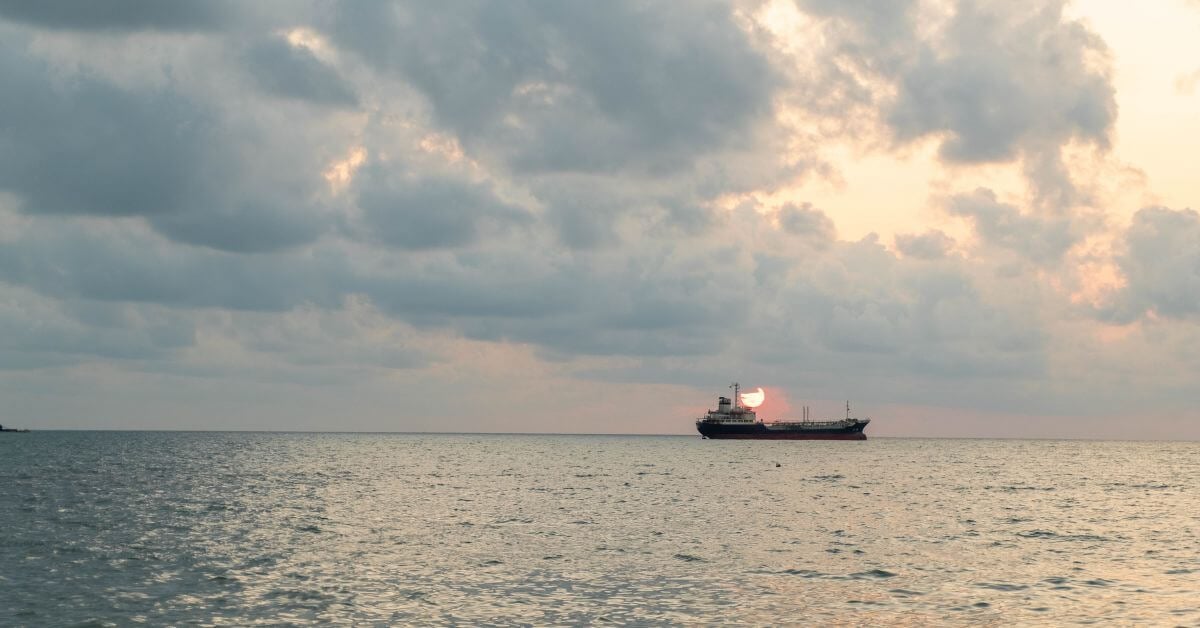
Eighty nations, led by Bahrain's foreign minister, have formally urged the United Nations to reopen the Strait of Hormuz, a waterway that carries nearly a fifth of global oil supply. The collective call is a measured but firm push for maritime stability, grounded in shared economic and security interests. Diplomacy, not disruption, is the clearest path forward here. For those tracking the region's momentum, our related piece on phased negotiations between Washington and Tehran offers useful context on what reopening might actually require.
Military Action Targets Caribbean Drug Trafficking, Data Validates Campaign Impact
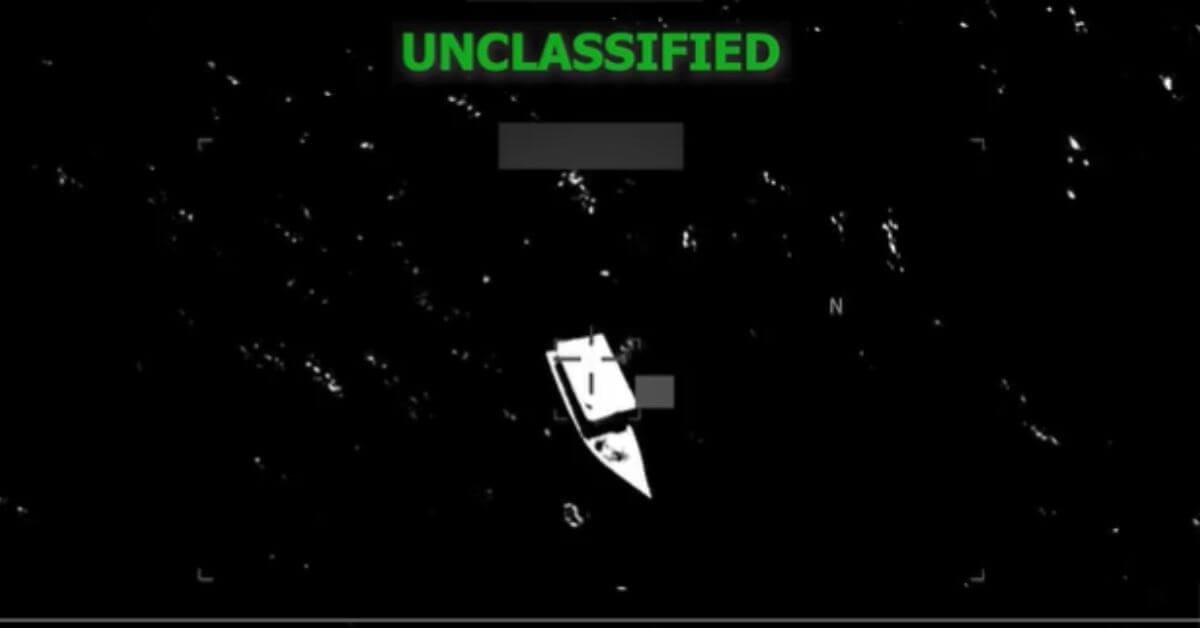
The 69th acknowledged strike in a yearlong military campaign against Caribbean drug trafficking vessels now has validated, measurable data behind it. This is not abstract policy, it is empirical evidence that targeted action disrupts illegal networks at sea. When military operations yield quantifiable results, ocean security strengthens. For deeper context on maritime interdiction efforts, see our related coverage of "Maritime Interdictions Yield 25,000 Pounds of Cocaine, Supporting Ocean Security." Understanding drives protection.

Black Sea Truce Proposal Aims to Stabilize Global Food Supply.
A third-party channel has carried the Black Sea truce proposal to Moscow, yet Ukraine still awaits a reply. The asymmetry is telling: one side engages, the other delays. A stable food corridor is not a favor; it is a global necessity, and every idle day carries measurable cost. For context on how maritime pressure is being applied, our related report, "Russia Calibrates Export Revenue for Northern Sea Route Icebreaker Fleet," offers a useful counterpoint. The signals are mixed, but the proposal stands.

K Line Employees Contribute to Global Ocean Plastic Cleanup Effort
On World Oceans Day, 630 K Line employees and their families traded their usual routines for shoreline cleanup efforts, turning corporate responsibility into measurable action. This is the kind of initiative that moves the needle, not with grand promises, but with coordinated, hands-on participation. It's a practical reminder that ocean health depends on collective effort, whether that's picking up debris or pushing for stronger governance. For those tracking the broader picture, our piece on MPA Networks highlights how such grassroots action complements larger conservation frameworks.

Houthis Dispute Transit Fee Claims; Shipping Caution Advised.
Claims of transit fee demands have surfaced, but Houthi officials dispute them, urging caution across shipping lanes. The organisation advises companies against payments or information sharing with unauthorised parties, a measured stance we find reassuring. Clarity here is operational, not optional. For broader context on regional pressures, our coverage of Gulf of Oman STS transfers offers useful perspective. Vessels should verify instructions through official channels. Vigilance, not alarm, remains the operative principle.

Seafarers Await Rescue: UN Urges Action in Critical Strait.
The Strait of Hormuz is not a headline; it is a holding pattern for thousands of lives. The International Maritime Organization reports that roughly 6,000 seafarers remain stranded aboard hundreds of ships, waiting for a resolution that cannot come soon enough. This is not an abstract geopolitical impasse; it is a human logjam with real consequences. The urgency is measurable, and the call for action is clear.