Joint Task Force Western Hemisphere
World Data Ocean keeps Joint Task Force Western Hemisphere in one place: 4 stories so far. The section currently leads with “Caribbean drug interdiction strike leaves four dead”, “Military Action Targets Caribbean Drug Trafficking, Data Validates Campaign Impact”, and “Interdicted Vessel Disrupts Drug Trafficking in the Eastern Pacific.”. A U.S. The 69th acknowledged strike in a yearlong military campaign against Caribbean drug trafficking vessels now has validated, measurable data behind it. A Global Hub for Ocean Intelligence 4 World Data Ocean is a centralized digital platform where researchers, scientists, and ocean enthusiasts converge to… The list below is every Joint Task Force Western Hemisphere story on World Data Ocean, newest first.
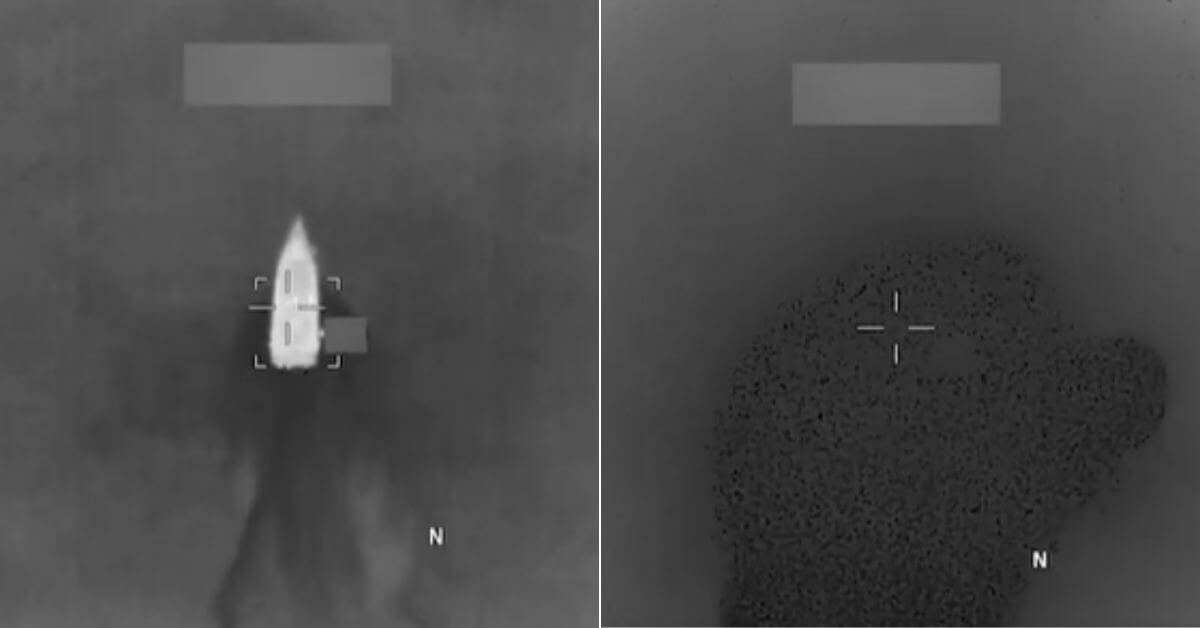
Caribbean drug interdiction strike leaves four dead
A U.S. military strike on a suspected drug-running boat in the Caribbean Sea on October 4 left four people dead. This is a violent reminder of the human cost embedded in maritime security operations, a cost that demands calmer, measurable approaches to enforcement. For more context on how authorities manage such risks, see our coverage of the enforcement action that halted a fuel shipment bound for Cuba. Understanding each incident helps build the empirical framework for smarter ocean governance.
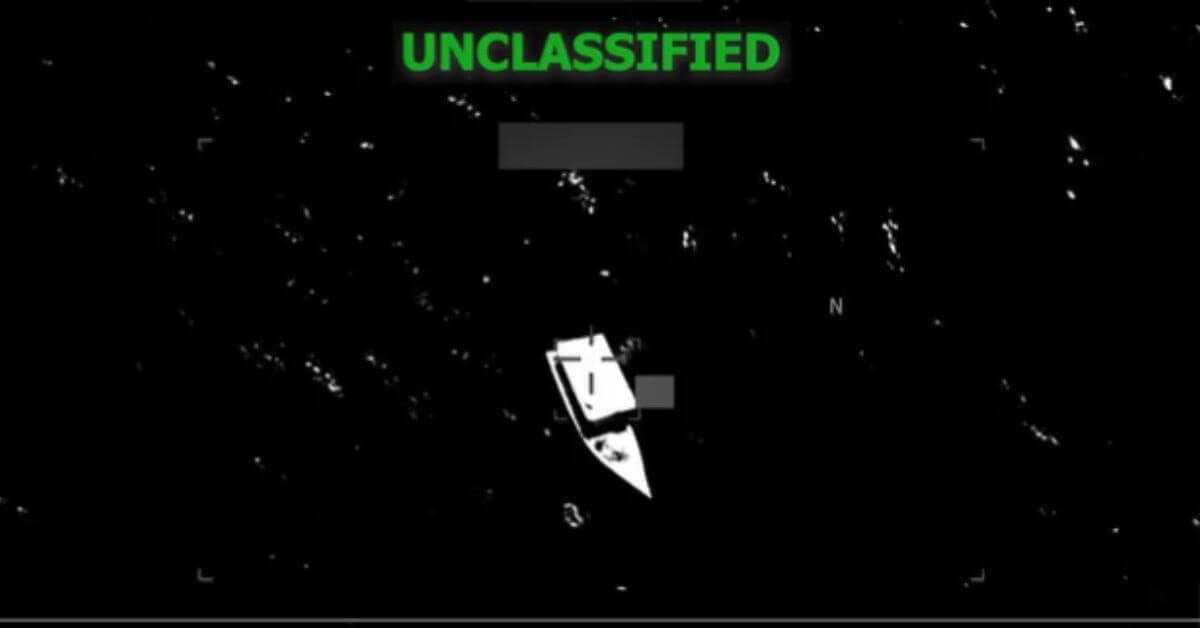
Military Action Targets Caribbean Drug Trafficking, Data Validates Campaign Impact
The 69th acknowledged strike in a yearlong military campaign against Caribbean drug trafficking vessels now has validated, measurable data behind it. This is not abstract policy, it is empirical evidence that targeted action disrupts illegal networks at sea. When military operations yield quantifiable results, ocean security strengthens. For deeper context on maritime interdiction efforts, see our related coverage of "Maritime Interdictions Yield 25,000 Pounds of Cocaine, Supporting Ocean Security." Understanding drives protection.
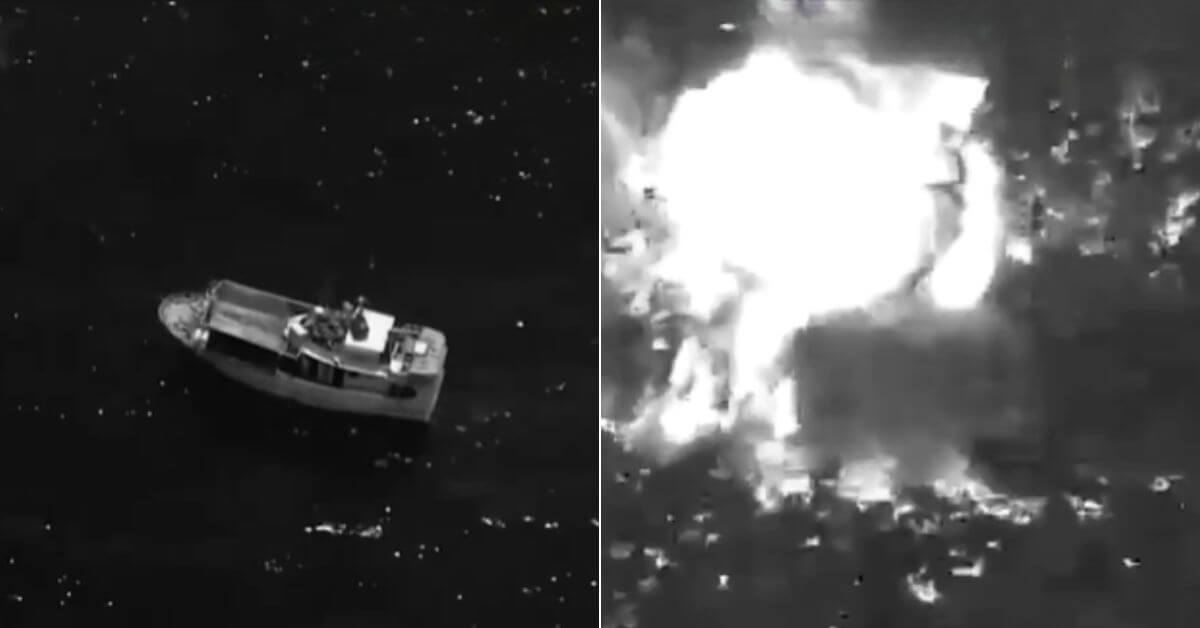
Interdicted Vessel Disrupts Drug Trafficking in the Eastern Pacific.
On Sept. 2, a U.S. Southern Command interdiction in international waters disrupted drug trafficking in the Eastern Pacific, a decisive action in a region where illicit networks often outpace surveillance. This is not merely an enforcement win; it is a measurable step toward safeguarding ocean intelligence, where security and scientific stewardship converge. The operation underscores how validated, real-time coordination can disrupt unlawful activity while reinforcing the broader mission of ocean health.
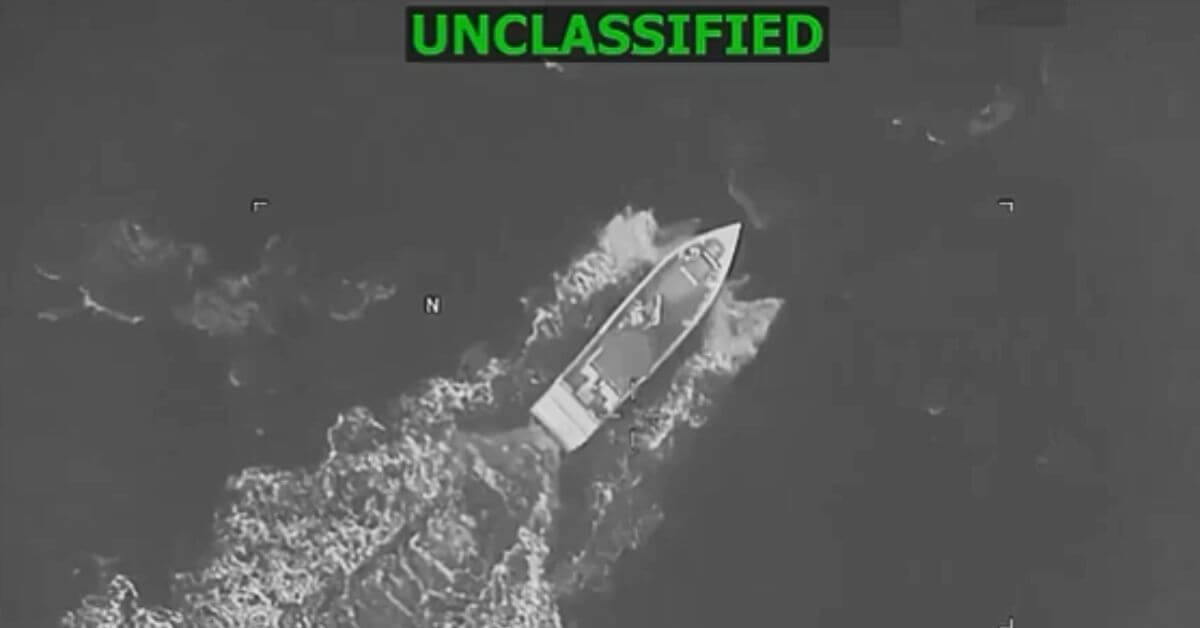
Maritime Interdiction: U.S. Strike in Caribbean Raises Questions of Escalation
Two days after a U.S. strike on a vessel in the Eastern Pacific killed two people, a new maritime interdiction in the Caribbean is forcing a harder look at escalation. These are the first such actions in over two months, and the timing is deliberate. Measured force, when applied, still carries weight. The question is whether Washington is calibrating a broader posture or responding to isolated pressure.