U.S. military
U.S. military at World Data Ocean is a file of 7 stories. The newest of them: “Military Action Targets Caribbean Drug Trafficking, Data Validates Campaign Impact”, “Escalation in Hormuz: U.S. Targets Iranian Tankers Amid Rising Tensions”, and “Shipping Corridor Established: U.S. Facilitates Oil Flow Through Hormuz”. The 69th acknowledged strike in a yearlong military campaign against Caribbean drug trafficking vessels now has validated, measurable data behind it. For the first time, U.S. A Global Hub for Ocean Intelligence 4 World Data Ocean is a centralized digital platform where researchers, scientists, and ocean enthusiasts converge to… The list below is every U.S. military story on World Data Ocean, newest first.
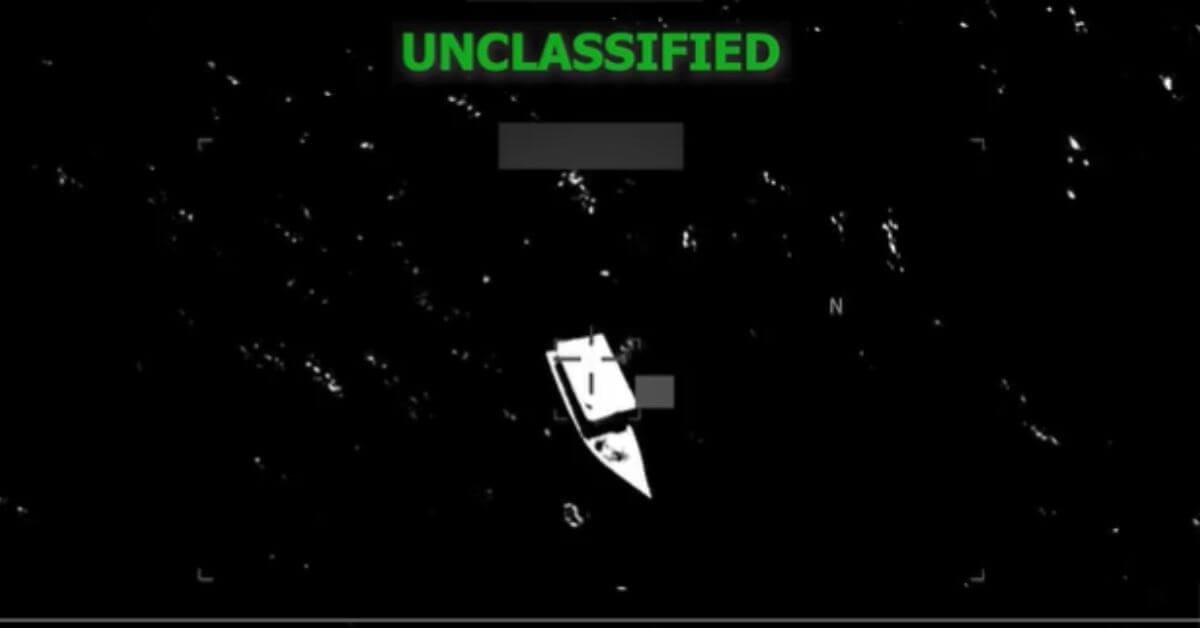
Military Action Targets Caribbean Drug Trafficking, Data Validates Campaign Impact
The 69th acknowledged strike in a yearlong military campaign against Caribbean drug trafficking vessels now has validated, measurable data behind it. This is not abstract policy, it is empirical evidence that targeted action disrupts illegal networks at sea. When military operations yield quantifiable results, ocean security strengthens. For deeper context on maritime interdiction efforts, see our related coverage of "Maritime Interdictions Yield 25,000 Pounds of Cocaine, Supporting Ocean Security." Understanding drives protection.
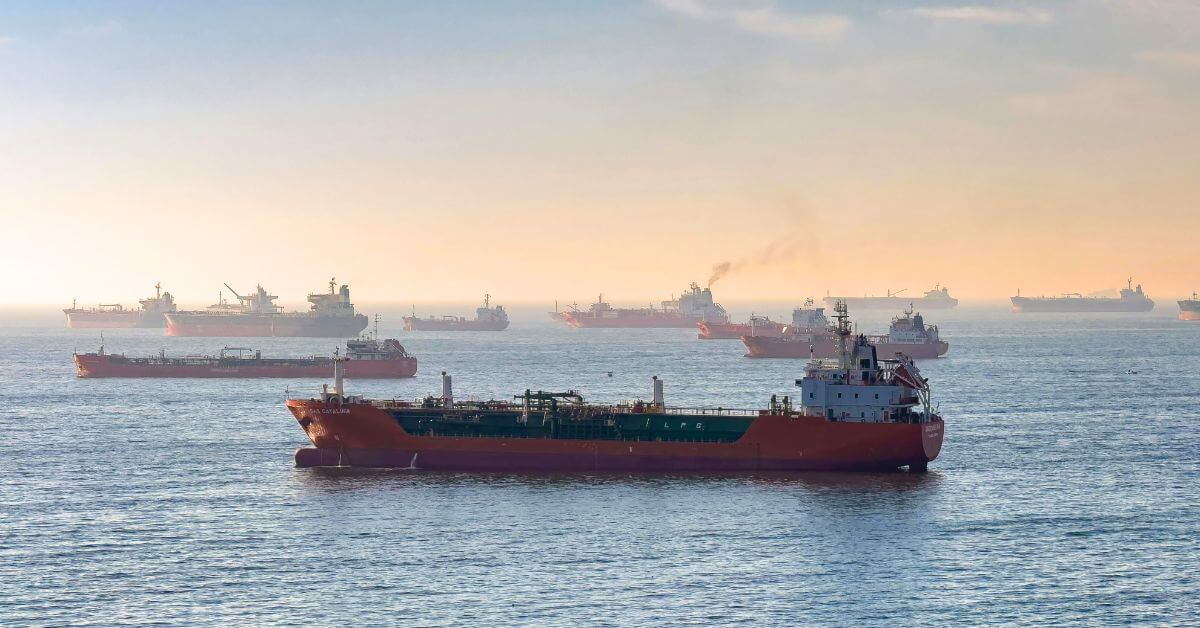
Escalation in Hormuz: U.S. Targets Iranian Tankers Amid Rising Tensions
For the first time, U.S. forces have directly targeted Iranian tankers in response to attacks on commercial shipping in the Strait of Hormuz. The escalation marks a decisive shift in how Washington is policing one of the world's most critical maritime chokepoints. Measured, but unmistakable, the action signals that the rules of engagement have changed. As pressure builds across the region, the implications for oil flows and navigation are immediate.

Shipping Corridor Established: U.S. Facilitates Oil Flow Through Hormuz
The U.S. military has quietly established a shipping corridor through the Strait of Hormuz, moving millions of barrels of oil daily. It is a measured, logistical response to a volatile region, and one that carries real strategic weight. The move underscores the practical realities of maintaining energy flow when diplomatic channels remain fragile. For context on how pressure is building nearby, our related piece, "Gulf of Oman STS Transfers Max Out Amid Rising Saudi Oil Exports," offers a clearer picture of the strain.

U.S. Military Bolsters Blockade of Iranian Vessels Amid Rising Tensions
U.S. Central Command announced on X that its warships, reconnaissance aircraft, and service members are enforcing a naval blockade of Iranian vessels. The move tightens pressure in an already volatile maritime corridor. It is a deliberate, measurable escalation, one that signals resolve without theatrical alarm. For readers tracking how Gulf tensions intersect with energy flows, our related piece on Gulf of Oman STS transfers offers useful context. The blockade is not theater; it is a calibrated projection of force.

U.S. Verifies Tanker in Gulf of Oman, Voyage Continues.
A U.S. verification boarding of the Comoros-flagged tanker M/T Charminar in the Gulf of Oman proceeded without incident, and the vessel has since resumed its voyage. Such checks are calibrated, routine measures that sustain maritime transparency. They reinforce the integrated data ecosystem that keeps vital shipping lanes open. For context on the pressures shaping these waters, our related coverage on Gulf of Oman STS transfers maxing out offers a clearer picture. Verification is not disruption; it is the empirical anchor of safe passage.

U.S. Navy Enforces Blockade, Restricting Access to Iranian Ports.
Seventeen hours after reimposing the naval blockade, U.S. Central Command confirmed the Navy is enforcing restricted access to Iranian ports. The move is precise, deliberate, and calibrated to pressure without escalation. It is a direct signal, measured in hours, not rhetoric. For those tracking Gulf dynamics, the pressure on shipping lanes is mounting. Our related piece, "Phased Negotiations Aim to Ease Restrictions on Strait of Hormuz," offers essential context on whether this corridor might reopen.

Regional Tensions Rise as Iran and UAE Trade Accusations of Attacks
Iran's response to the UAE's accusation arrived within hours, a pointed rebuttal to claims that Tehran launched cruise missiles at two national tankers. The exchange sharpens a familiar volatility, and the speed of the denial suggests more than diplomatic reflex. It signals how fragile maritime trust has become. For those tracking the region's pressure points, this is not an isolated flare-up. Our related coverage on Gulf of Oman STS transfers maxing out shows the commercial stakes already running high.