US Navy Plans To Install Off-Grid Nuclear Microreactor At Indiana Weapons Base By 2028
Our take
The United States Navy’s planned installation of an off-grid nuclear microreactor at a weapons base in Indiana by 2028 represents a significant shift in energy infrastructure and logistical considerations, particularly within defense applications. This move aligns with broader trends toward decentralized power generation and highlights the Navy’s increasing focus on resilience and operational independence. The decision comes amidst heightened geopolitical tensions and a renewed emphasis on securing critical infrastructure, mirroring concerns around maritime security as evidenced by recent events such as COSCO Denies U.S. Allegations That Its Ships Used Concealed Equipment To Spy For Beijing. The integration of nuclear microreactors, capable of providing substantial and consistent power without reliance on external grids, directly addresses vulnerabilities inherent in traditional energy supply chains. Furthermore, the potential for this technology to streamline operations in remote or austere environments resonates with the Navy’s global presence and the logistical challenges of maintaining naval assets worldwide, an area also impacted by investments in shipbuilding initiatives like those being considered by Maersk Eyes Investment In Bangladesh Shipbuilding, With Ship Recycling Also On Agenda.
The adoption of nuclear microreactors isn't solely a defensive measure; it speaks to a broader technological evolution within the energy sector. These compact reactors, unlike their larger predecessors, are designed for modularity, enhanced safety features, and reduced waste generation, reflecting advancements in nuclear engineering. The Indiana deployment will serve as a critical testing ground for this technology, providing valuable empirical data on its performance and scalability under real-world conditions. While concerns regarding nuclear safety and proliferation are always pertinent, the Navy emphasizes the inherent safeguards built into microreactor designs, including passive safety systems and enhanced physical protection measures. The successful implementation of this project could pave the way for wider adoption across various sectors, including remote communities, industrial facilities, and even potentially, future maritime applications, offering a resilient alternative to fossil fuel dependence. The recognition of maritime professionals through awards like those given in UK Honours Maritime Heroes With 2026 Merchant Navy Medals For Outstanding Service underscores the importance of skilled personnel in maintaining and operating these complex systems, further emphasizing the need for workforce development in advanced energy technologies.
Beyond the immediate benefits of enhanced power resilience, this initiative signals a commitment to long-term energy independence and reduced carbon emissions. Nuclear power, despite historical challenges, remains a validated and reliable source of baseload energy, contributing to a diversified energy portfolio. The integration of a microreactor at a weapons base underscores the strategic importance of energy security for national defense and the potential for leveraging advanced technologies to achieve both operational efficiency and environmental sustainability. The longitudinal data collected from this deployment will be invaluable in refining reactor designs, optimizing operational protocols, and addressing any unforeseen challenges that may arise. This measured approach, emphasizing empirical validation, is crucial for building public trust and ensuring the responsible deployment of nuclear technologies.
Looking ahead, the success of the Indiana microreactor deployment will be a key indicator of the viability and scalability of this technology for broader adoption. The Navy’s willingness to embrace this innovative solution, coupled with ongoing advancements in nuclear engineering, suggests a future where decentralized, resilient, and low-carbon power sources play an increasingly critical role in national security and global energy systems. A pivotal question remains: How will the lessons learned from this initial deployment inform the development and integration of nuclear microreactors in other critical infrastructure sectors, and what calibrated metrics will be used to assess their long-term performance and environmental impact?
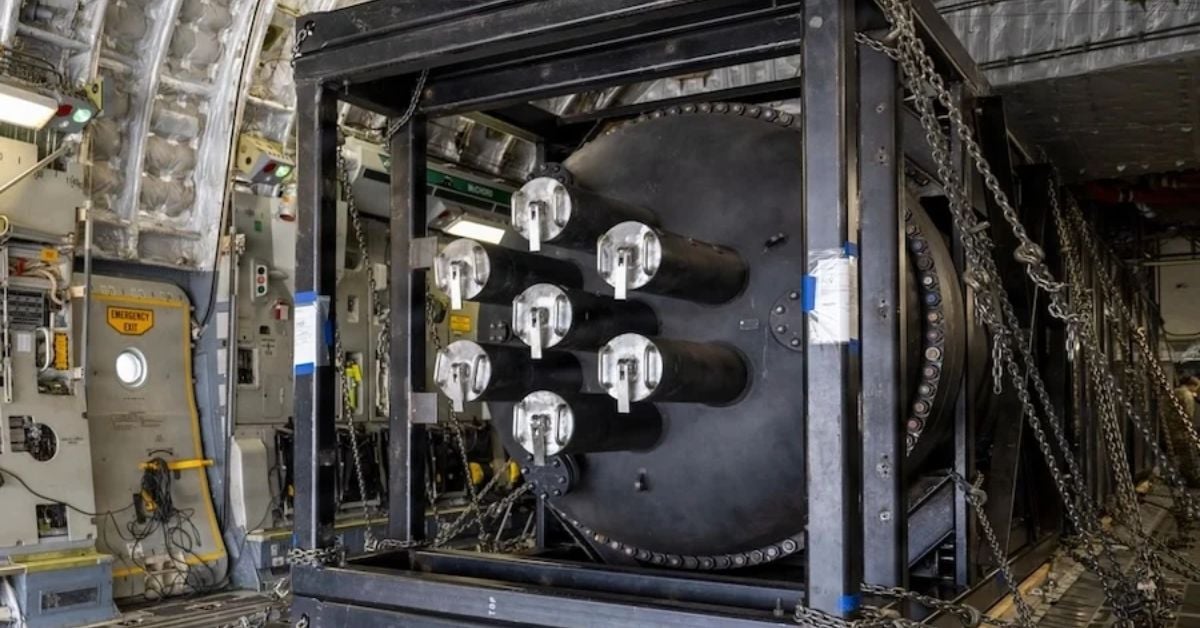
The United States Navy and the Department of War are planning to install a nuclear microreactor at a Weapons Base situated in Indiana.
This would allow uninterrupted operations at the base by providing continuous electricity and removing the need to depend on the commercial electricity grid.
It would make the Naval Support Activity Crane the first power-generating nuclear facility in Indiana, with the Navy’s first nuclear microreactor ever installed on an onshore base.
The NSA Crane is involved in the development of weapons for national security and tests defence tech for varied applications and over different naval platforms.
The reactor would enable the base to continue its work even during power outages, without depending on the local grid or a generator.
This project is being implemented through the Janus Programme of the U.S Army and is being supported by the Navy along with the agencies working with the Department of War.
The installation would be a foundational model which would help establish a framework to deploy clean nuclear energy across all branches of the U.S Armed Forces.
The project was envisaged after a year of intergovernmental planning, discussions and high-level talks with those involved in the endeavour, along with officials from Indiana, including Governor Mike Braun, Senators Jim Banks, Todd Young and a few others.
The ambitious project aligns with orders from U.S President Donald Trump to remove any barriers or restrictions that might weaken the country’s industrial and nuclear supply chains, and to expand industrial development, create more jobs and focus on attaining energy independence.
According to sources, the departments have been ordered to uphold the highest levels of nuclear safety, cybersecurity and fiscal responsibility at each phase of the project, and reach the deployment phase in 24 months without causing delays.
The successful implementation of this program is the first step to deploying nuclear power for national security operations.
Read on the original site
Open the publisher's page for the full experience