Department of War
5 stories filed under Department of War on World Data Ocean. The newest of them: “Validating the grid against digital threats with a $23M Navy contract”, “At-Sea Missile Replenishment Test Validates Faster Naval Resupply System”, and “Cleveland submarine repair hub advances fleet readiness through integrated infrastructure”. A $23.13 million Navy contract to validate warship electrical systems against cyberattacks is a clear bet on prevention over reaction. BAE Systems' recent at-sea test of the Adaptable Deck Launcher validated a faster method for replenishing naval missile systems. A Global Hub for Ocean Intelligence 4 World Data Ocean is a centralized digital platform where researchers, scientists, and ocean enthusiasts converge to… The list below is every Department of War story on World Data Ocean, newest first.
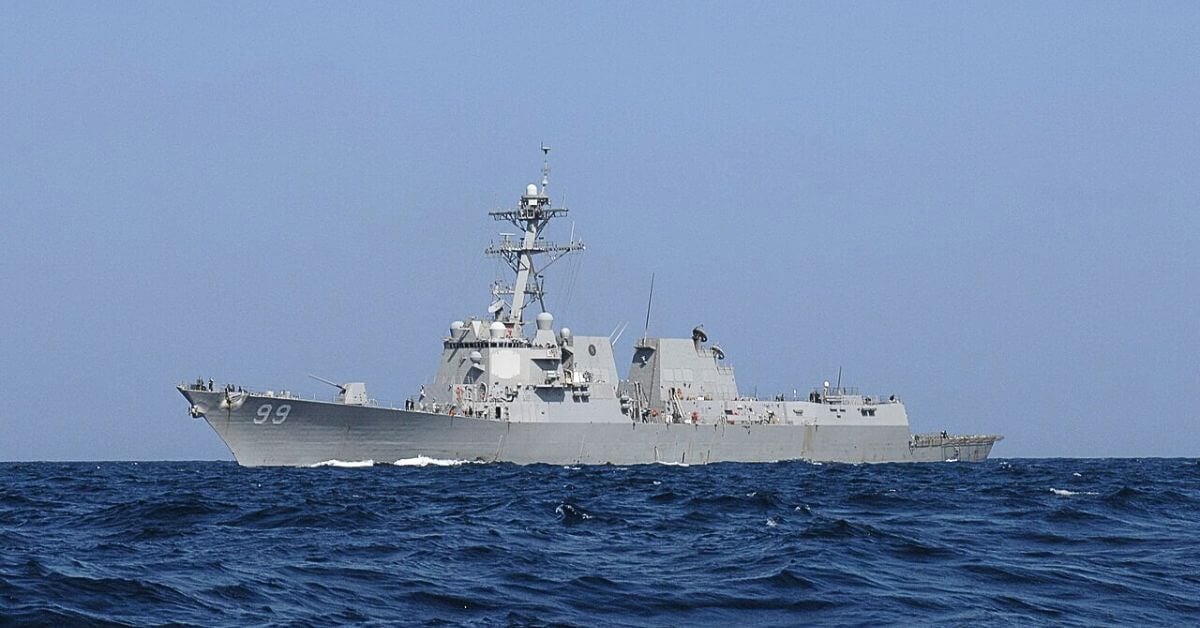
Validating the grid against digital threats with a $23M Navy contract
A $23.13 million Navy contract to validate warship electrical systems against cyberattacks is a clear bet on prevention over reaction. This work, grounded in empirical testing and calibrated defenses, treats grid integrity as a non-negotiable foundation for operational safety. It reflects a growing understanding that ocean security depends as much on digital resilience as on physical readiness. For a broader view of collaborative maritime stewardship, explore our coverage of the South Korean training ship's arrival in Pensacola.

At-Sea Missile Replenishment Test Validates Faster Naval Resupply System
BAE Systems' recent at-sea test of the Adaptable Deck Launcher validated a faster method for replenishing naval missile systems. This is a measurable step toward operational efficiency, not just a technological demonstration. Faster resupply directly extends a vessel's combat endurance. For context on how the Navy is scaling its infrastructure for these demands, see our coverage of the "Dry Dock for 1,210-Foot Carriers." Empirical improvements like this launcher make a tangible difference in fleet readiness.
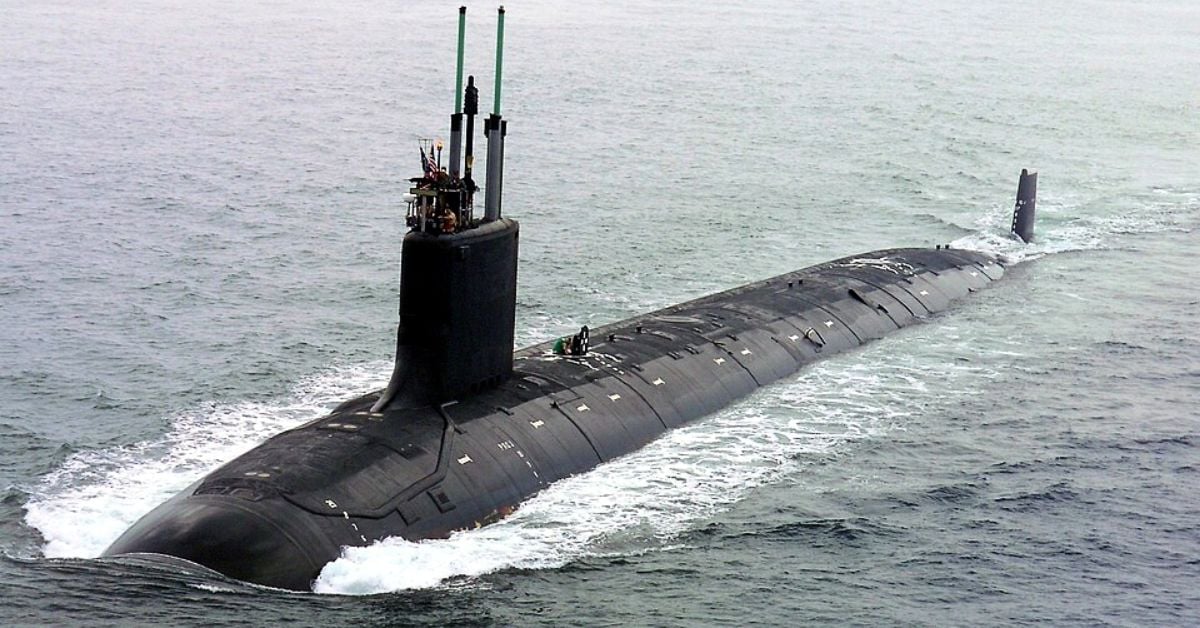
Cleveland submarine repair hub advances fleet readiness through integrated infrastructure
Cleveland's submarine repair hub integrates infrastructure to directly confront a pressing bottleneck: delayed maintenance and repairs across the fleet. By increasing component availability, the centre moves beyond piecemeal fixes toward a coordinated system. This is measurable progress. It echoes the logic behind "Floating data centers anchor ocean intelligence to existing port infrastructure", both projects prove that integrated, existing assets, properly calibrated, can drive real operational readiness.
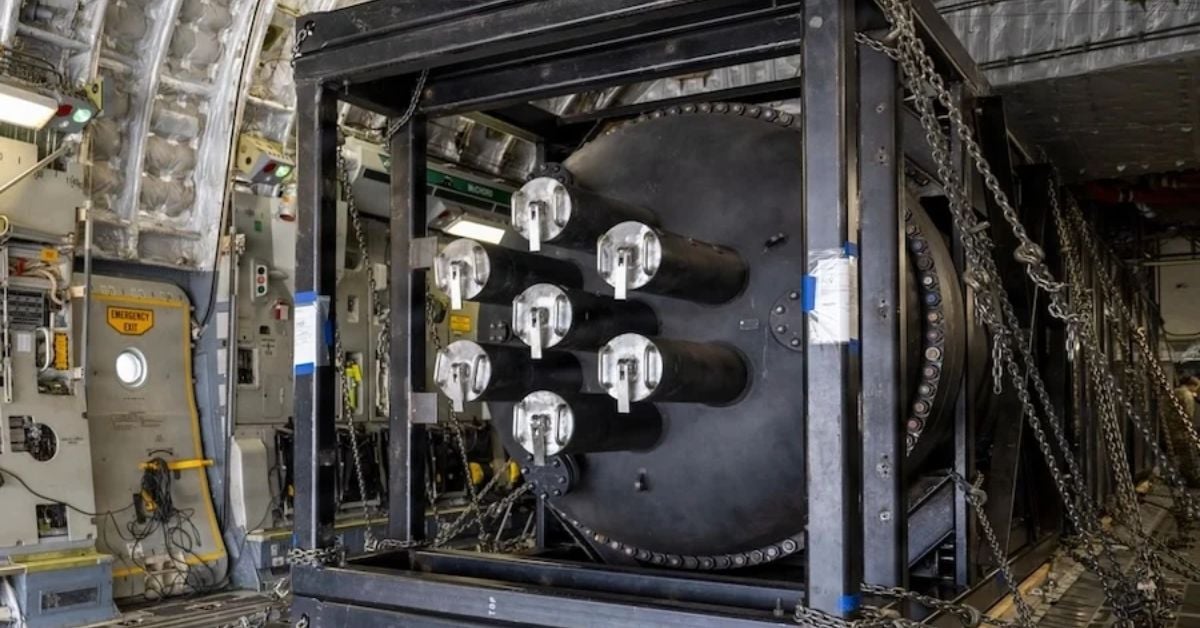
Nuclear Microreactor to Power Indiana Weapons Base by 2028
The U.S. Navy and Department of War plan to install a nuclear microreactor at an Indiana weapons base by 2028. This is a calibrated, empirical step toward energy resilience for critical defense infrastructure. Validated nuclear technology, long used at sea, is now being integrated into land-based operations. It signals a measurable shift in how we power national security assets. For context on parallel modernization efforts, see our coverage of the Navy's new center for autonomous systems integration.

Advancing Missile Defence: New Ships Enhance Real-Time Tracking Capabilities
The U.S. is building new missile-range instrumentation ships to sharpen real-time tracking for the Missile Defence Agency and the Golden Dome initiative. That is a direct investment in validated, measurable defense capabilities, and it signals a serious commitment to protecting what matters. These vessels bring empirical precision to a complex mission, and we find that a purposeful step forward. For a deeper look at how shipbuilding is evolving elsewhere, our piece on the collaborative Indian Ocean data initiative is worth reading.