cybersecurity
cybersecurity at World Data Ocean is a file of 5 stories. The newest of them: “Cyber Intrusion Compromises Oil Tanker Propulsion Off Texas Coast”, “Canada's Patrol Submarine Project Charts a Calibrated Course for Sovereign Ocean Intelligence”, and “Nuclear Microreactor to Power Indiana Weapons Base by 2028”. A fully loaded oil tanker lost propulsion control off the Texas coast this summer after hackers breached its digital steering systems. The Canadian Patrol Submarine Project is not merely a fleet replacement; it is a calibrated investment in sovereign ocean intelligence. A Global Hub for Ocean Intelligence 4 World Data Ocean is a centralized digital platform where researchers, scientists, and ocean enthusiasts converge to… The list below is every cybersecurity story on World Data Ocean, newest first.
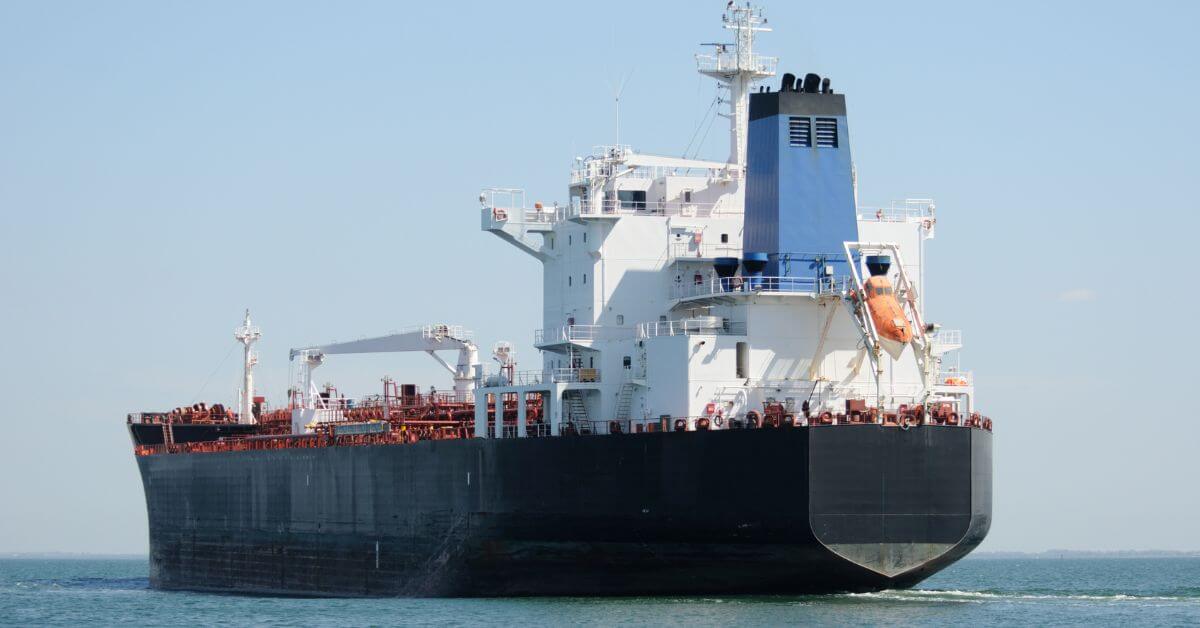
Cyber Intrusion Compromises Oil Tanker Propulsion Off Texas Coast
A fully loaded oil tanker lost propulsion control off the Texas coast this summer after hackers breached its digital steering systems. This is not a theoretical risk. The incident confirms what maritime security experts have long warned: critical ocean infrastructure remains dangerously exposed. Understanding drives protection, and this event demands we integrate cybersecurity into our ocean intelligence frameworks. For deeper context on evolving maritime threats, see our coverage of the Black Sea tanker fire.
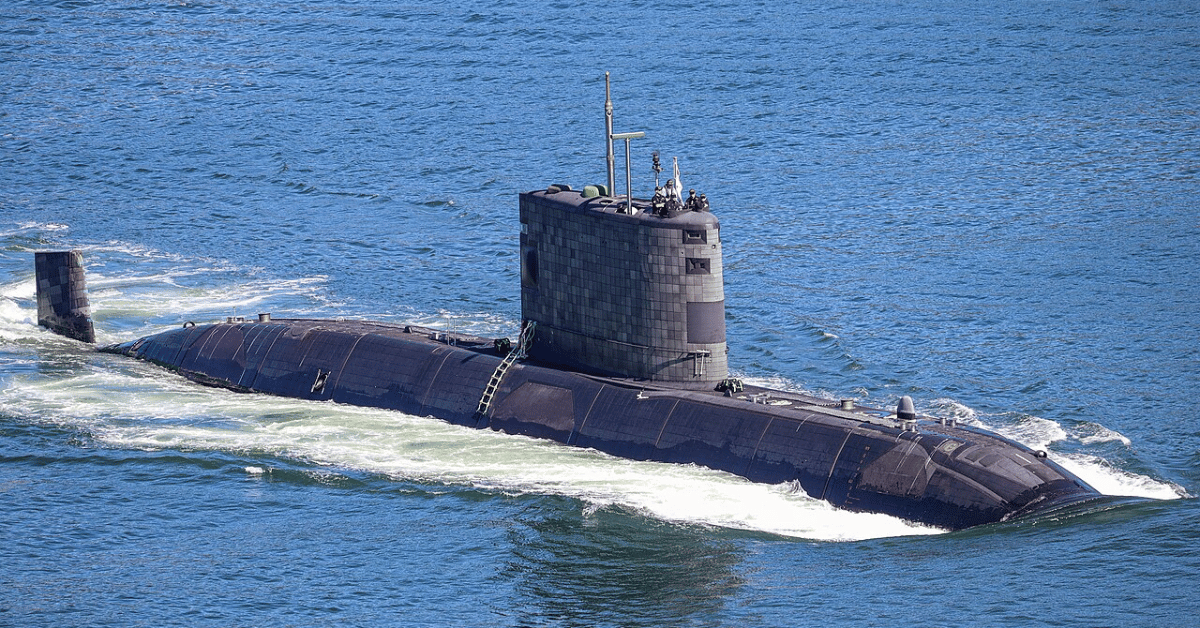
Canada's Patrol Submarine Project Charts a Calibrated Course for Sovereign Ocean Intelligence
The Canadian Patrol Submarine Project is not merely a fleet replacement; it is a calibrated investment in sovereign ocean intelligence. By planning up to 12 modern submarines to succeed the Victoria-class, Canada is prioritizing validated, long-term maritime awareness over reactive procurement. This measured approach aligns with the measured growth seen elsewhere, such as in our coverage of Kandla Port's Record Cargo Day. Understanding drives protection, and a modern submarine fleet is a precise instrument for that mission.
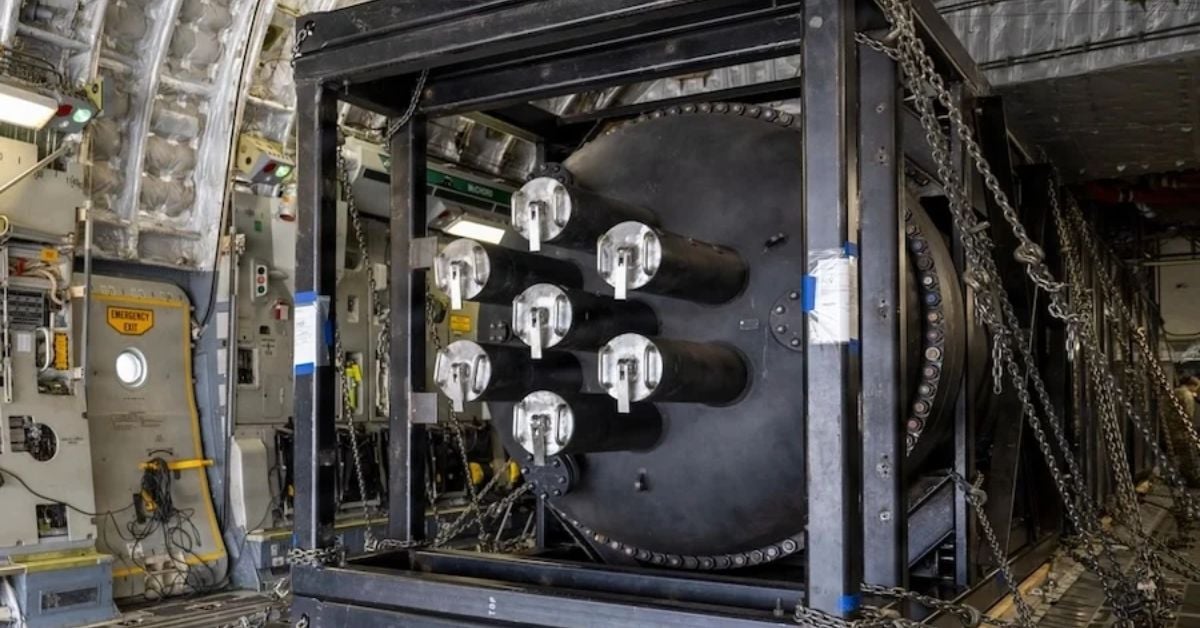
Nuclear Microreactor to Power Indiana Weapons Base by 2028
The U.S. Navy and Department of War plan to install a nuclear microreactor at an Indiana weapons base by 2028. This is a calibrated, empirical step toward energy resilience for critical defense infrastructure. Validated nuclear technology, long used at sea, is now being integrated into land-based operations. It signals a measurable shift in how we power national security assets. For context on parallel modernization efforts, see our coverage of the Navy's new center for autonomous systems integration.

Strengthening Maritime Cooperation: India and New Zealand Deepen Defence Ties
India and New Zealand concluded their second Defence Strategic Dialogue in Wellington, signaling a deliberate expansion of bilateral security cooperation. The talks underscore a shared commitment to maritime stability across the Indo-Pacific, where rules-based order remains essential. These are not abstract discussions; they produce calibrated, actionable outcomes. Strengthened ties here complement broader efforts to secure vital sea lanes, much like the multinational push detailed in "Eighty Nations Urge Reopening of Vital Strait of Hormuz Shipping Lane.

Securing India's Ports: Technology and Trade for National Strength
India's ports are the arteries of its economic resilience, and Union Minister Sonowal's recent assertion frames this plainly: safe ports build strong trade, and strong trade builds a strong nation. It is a pragmatic equation, one that deserves attention as global shipping lanes face mounting strain. Technology is the lever here, not spectacle. For readers tracking maritime digitalization, our related coverage of the IMO's global survey on Maritime Single Windows offers useful context. Measured, empirical progress, that is how national strength is calibrated.