power generation
6 stories filed under power generation on World Data Ocean. The newest of them: “Negotiations Clear Strait of Hormuz for LNG Delivery to Pakistan”, “Offshore Wind Lease Reversal: Administration Offers $4 Billion Reimbursement”, and “Nuclear Microreactor to Power Indiana Weapons Base by 2028”. A Qatar-loaded LNG tanker has cleared the Strait of Hormuz and is now bound for Pakistan, following a negotiated arrangement with Iran. The Administration's offer of $4 billion in reimbursements for cancelled offshore wind leases is a striking reversal, one that prioritizes fossil fuel development over the measured progress of ocean energy. A Global Hub for Ocean Intelligence 4 World Data Ocean is a centralized digital platform where researchers, scientists, and ocean enthusiasts converge to… The list below is every power generation story on World Data Ocean, newest first.
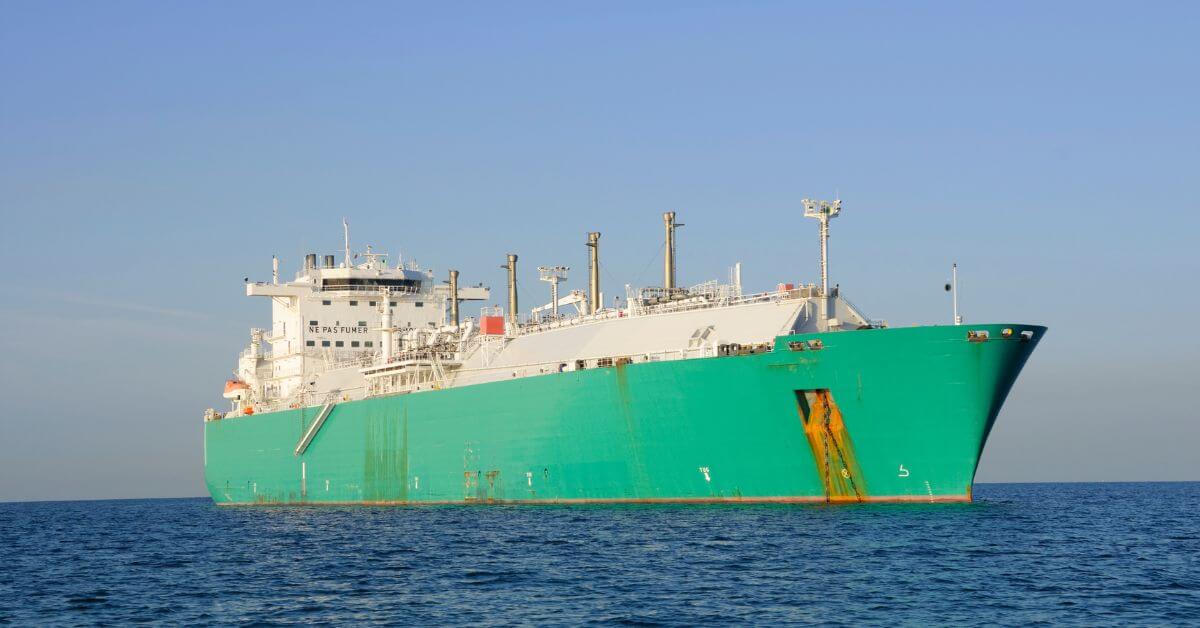
Negotiations Clear Strait of Hormuz for LNG Delivery to Pakistan
A Qatar-loaded LNG tanker has cleared the Strait of Hormuz and is now bound for Pakistan, following a negotiated arrangement with Iran. The delivery signals progress in a waterway where diplomatic friction has repeatedly threatened energy flows. For Pakistan, the cargo is more than a shipment; it is a test of whether phased talks can translate into reliable supply.
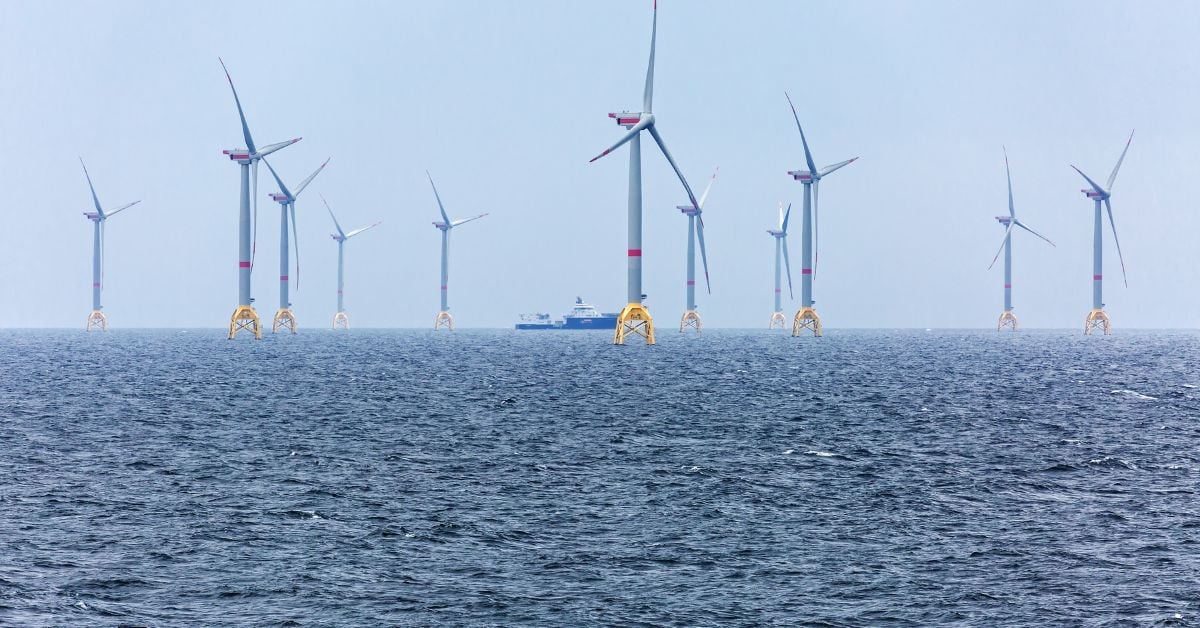
Offshore Wind Lease Reversal: Administration Offers $4 Billion Reimbursement
The Administration's offer of $4 billion in reimbursements for cancelled offshore wind leases is a striking reversal, one that prioritizes fossil fuel development over the measured progress of ocean energy. We see this as a legal and economic flashpoint, with California and New York now braced for litigation. The sum acknowledges the sunk costs, yet it does not address the broader climate indicators at stake.
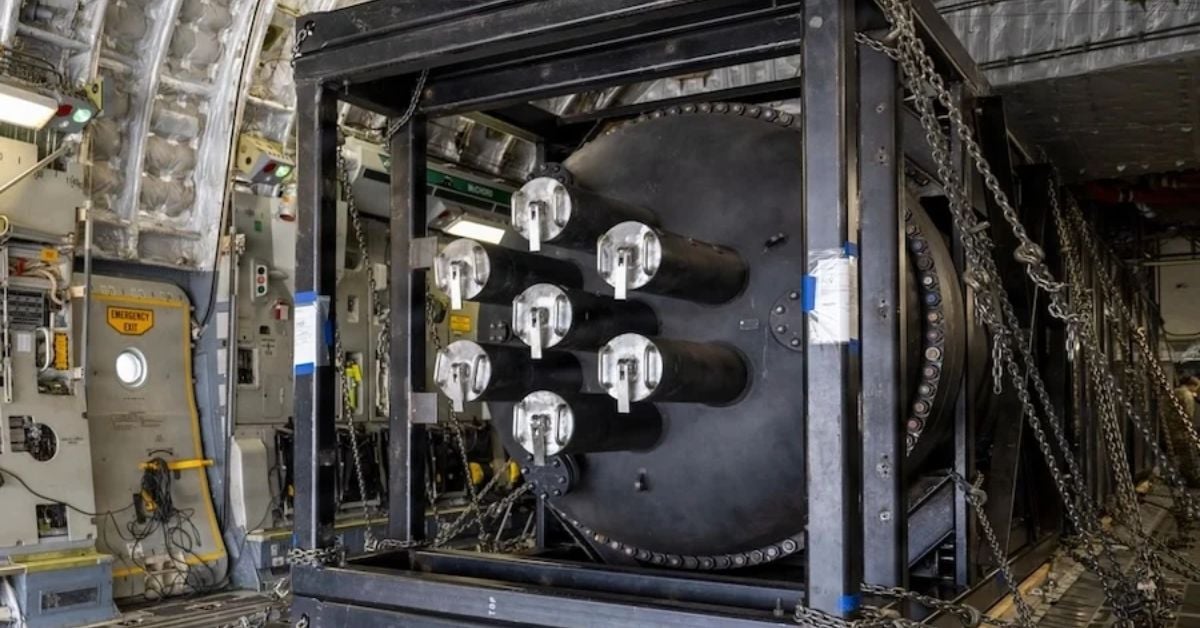
Nuclear Microreactor to Power Indiana Weapons Base by 2028
The U.S. Navy and Department of War plan to install a nuclear microreactor at an Indiana weapons base by 2028. This is a calibrated, empirical step toward energy resilience for critical defense infrastructure. Validated nuclear technology, long used at sea, is now being integrated into land-based operations. It signals a measurable shift in how we power national security assets. For context on parallel modernization efforts, see our coverage of the Navy's new center for autonomous systems integration.
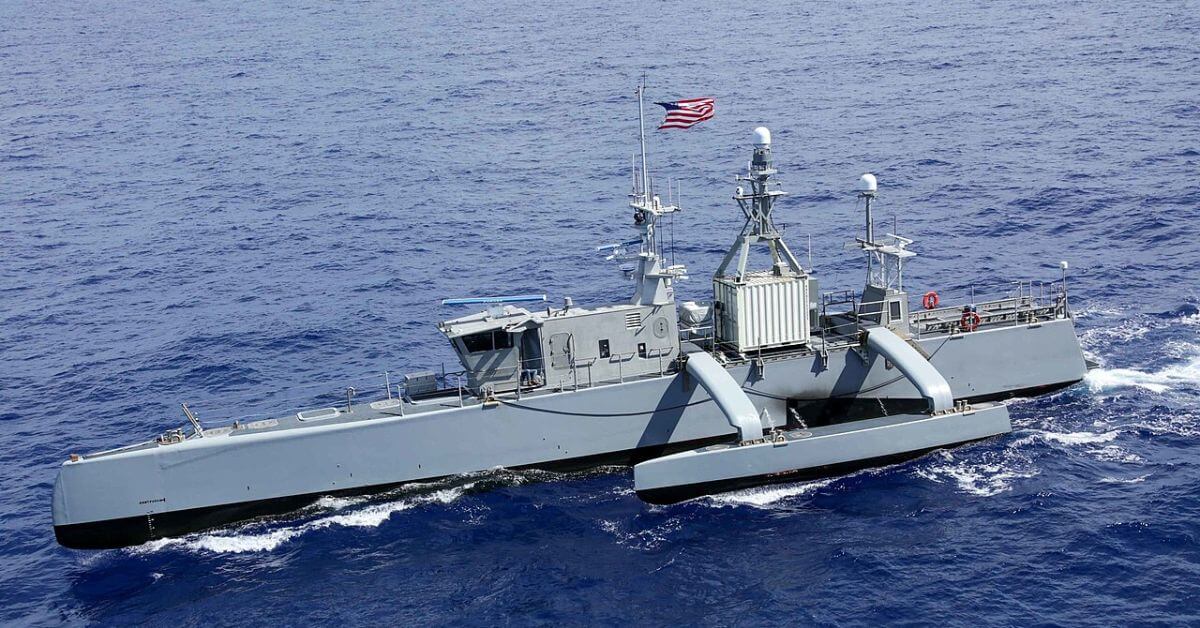
Validated Power: mtu Engines Certified for U.S. Navy Autonomous Vessels
The U.S. Navy's certification of mtu Series 4000 and 2000 engines marks a measured step forward for autonomous maritime operations. Rolls-Royce has secured a role in a domain where reliability is non-negotiable. This validation signals trust in proven engineering, not just promise. For readers tracking the service's broader push into unmanned systems, our piece on the Navy's new integration center offers useful context. Autonomous vessels depend on consistent power; these engines now carry the official weight of that responsibility.

Wind-Powered Data Hub Monitors Ocean Health in Real-Time, China.
In the South China Sea, the world's first wind-powered underwater data centre is now operational, marking a calibrated step toward integrating renewable energy with ocean intelligence. This is not a distant concept; it is a live, peer-reviewed example of how real-time climate indicators can be measured from the seabed. The innovation is purposeful, and its implications for global data ecosystems are significant.

Taiwan Wind Farm Turbine Incident Highlights Offshore Reliability Challenges
A 14 MW turbine at Orsted's Greater Changhua 4 wind farm halted operations before catching fire, a sequence that underscores the unforgiving nature of offshore maintenance. Reliability, not just capacity, defines progress in this sector. When a machine fails in a marine environment, the response time and root-cause analysis become as critical as the initial engineering. This incident is a measured reminder that operational resilience lags behind turbine size.