Our Take: A Measure of Resilience
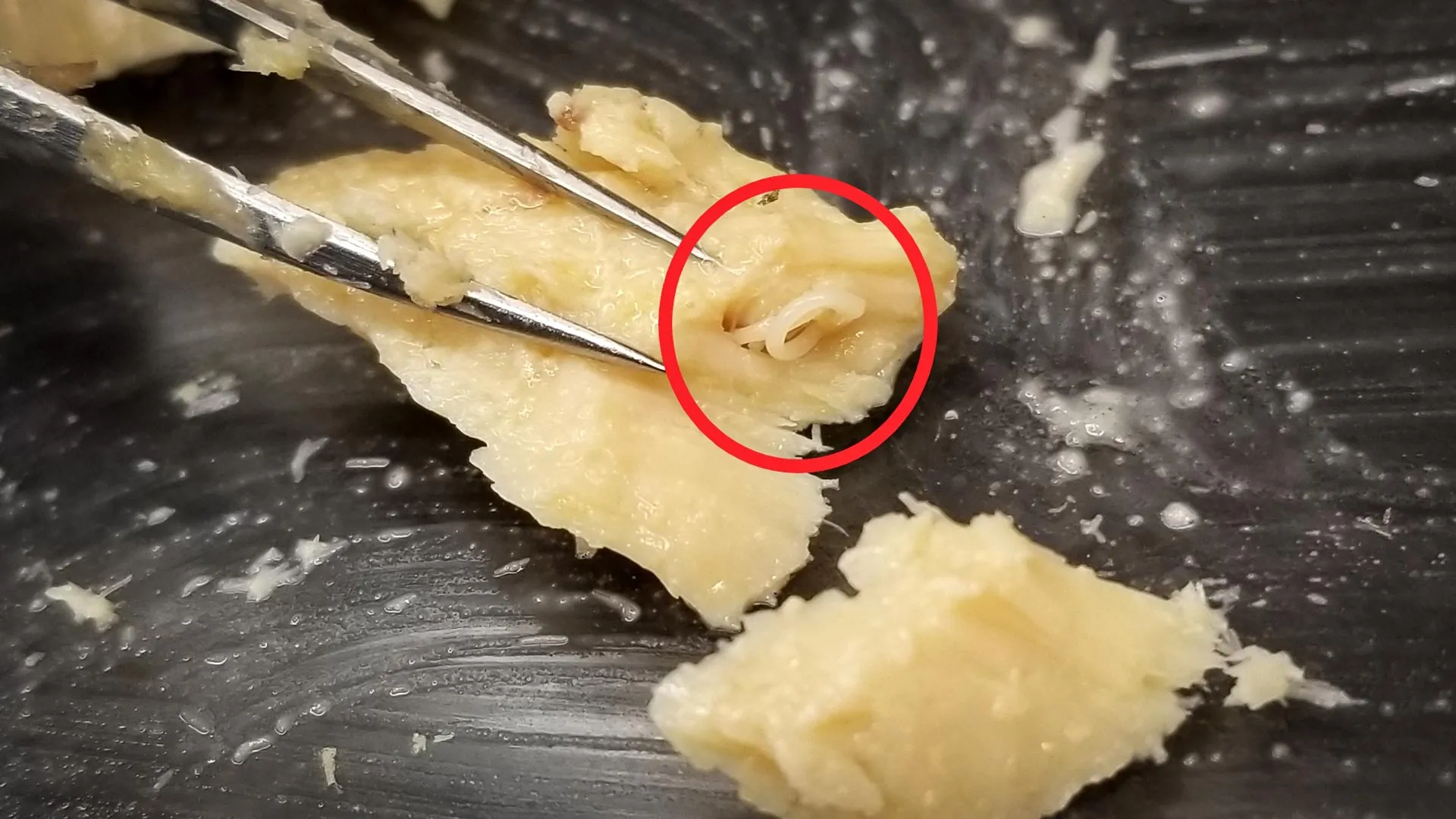
The seemingly unappetizing discovery within decades-old canned salmon offers a compelling testament to the ocean's inherent resilience. At World Data Ocean, we understand that true indicators of environmental health are often found in the intricate details of complex ecosystems, not always in headline-grabbing pronouncements. The presence of increased parasitic worm levels in certain salmon species, as revealed by this research, serves as a powerful, albeit unexpected, validation of a strengthening marine food web. This is not a simple matter of more fish; it is an indication of a more robust and interconnected system, where the presence of parasites, dependent on multiple hosts including marine mammals, signifies a more complete and stable ecological chain. This finding underscores our commitment to developing and utilizing sophisticated data analysis that can reveal these nuanced, long-term trends, providing a clearer picture of ocean recovery than superficial observations might allow.
This research highlights a critical principle in ocean stewardship: understanding drives protection. The increase in these parasites is not an isolated anomaly but a measurable signal, a piece of empirical data that, when interpreted through a lens of scientific rigor, points towards a positive trajectory for marine life. It speaks to the power of longitudinal studies and the value of seemingly unconventional data sources, like preserved foodstuffs, in piecing together decades of environmental history. For us at World Data Ocean, this is precisely the kind of insight we strive to unlock through our integrated data ecosystem. By calibrating and synthesizing information from diverse sources, we aim to provide the validated, real-time, and peer-reviewed ocean intelligence that policymakers, researchers, and the public need to make informed decisions about conservation and management.
The implications of this discovery are profound, suggesting that the ocean's capacity for recovery, when given the opportunity, is substantial. It reframes our perspective, encouraging us to look beyond immediate challenges and recognize the slow, steady progress that can occur over time. This is a call for continued, collaborative effort, reinforcing the idea that global cooperation is essential for monitoring and fostering these positive shifts. The findings from this canned salmon study serve as an encouraging reminder that our collective actions, guided by scientific understanding and innovative technological solutions, can indeed contribute to a healthier, more vibrant ocean for generations to come. It is a message of hope, grounded in data, and powered by a shared responsibility for our planet's most vital resource.