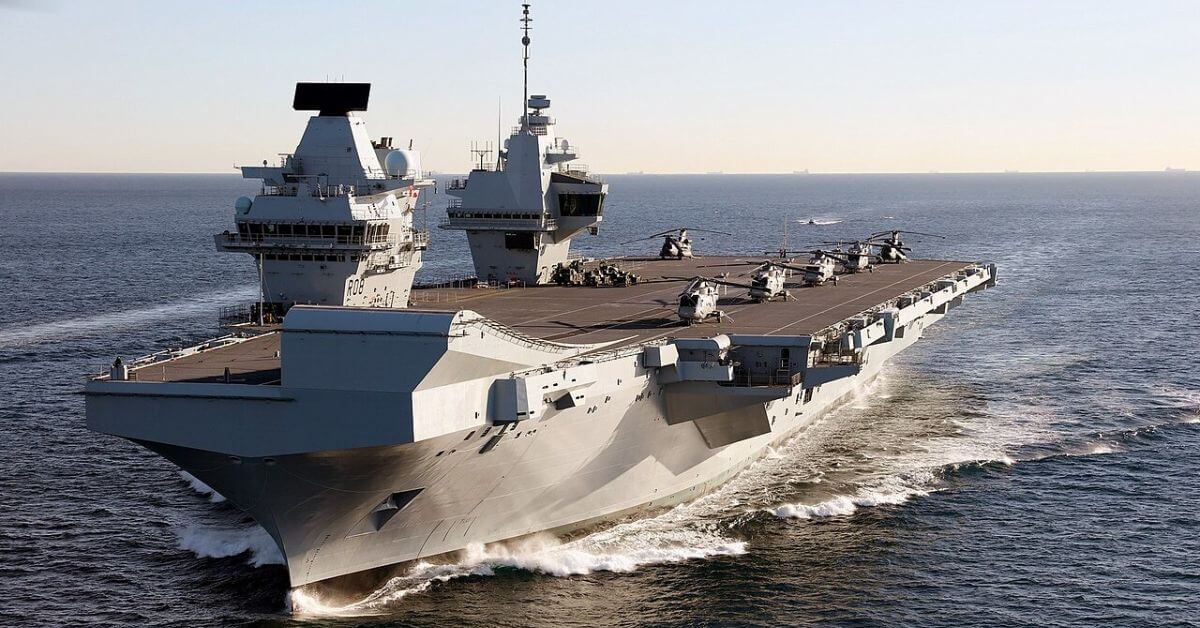
The Navy's FY2026 safety data is a quantitative signal that operational tempo and asset strain are outpacing risk management. With 27 serious mishaps, the highest combined aviation and afloat total in over a decade, the message is clear: the margin for error is shrinking, and the cost of inaction is measured in lives, billions of dollars, and degraded readiness. This is not a statistical anomaly; it is a pattern that demands a calibrated, empirical response.
What makes these numbers particularly concerning is their distribution across both domains and geography. The 16 Class A aviation mishaps, including the mid-air collision of two EA-18G Growlers during an air show and the dual loss of an F/A-18F and an MH-60R in the South China Sea within 30 minutes, suggest systemic pressures, not isolated failures. Meanwhile, the 11 afloat mishaps, ranging from the USS Truxtun's collision with a supply ship to fires aboard the USS Gerald R. Ford and USS Zumwalt, indicate that surface fleet operations are equally vulnerable. For researchers and policymakers tracking naval readiness, this data provides a longitudinal baseline that should inform everything from maintenance cycles to crew rotation policies. As we noted in our coverage of Validating the grid against digital threats with a $23M Navy contract, protecting the platform is only half the equation; the human and procedural factors that govern its daily operation are equally critical. And while international collaboration remains a pillar of maritime security, as seen in the South Korean training ship’s arrival in Pensacola for multinational ocean stewardship mission, these mishaps remind us that interoperability must be matched by operational discipline.
The specific takeaway is this: the Navy's aviation mishap rate climbed to 2.23 per 100,000 flight hours in FY2026, well above the 10-year average of 1.31. That is a 70 percent increase over the baseline. For an institution that relies on empirical data to drive safety improvements, this metric should trigger a formal review of training density, maintenance backlog, and human factors across the fleet. The loss of an MQ-4C Triton, valued at over $238 million, is a stark reminder that advanced technology does not eliminate risk, it concentrates it in new ways. We should watch whether the Navy's FY2027 budget submission includes specific funding increases for safety systems, maintenance infrastructure, or crew endurance studies. Without a measurable, validated response, the trendline points toward more, not fewer, Class A events.