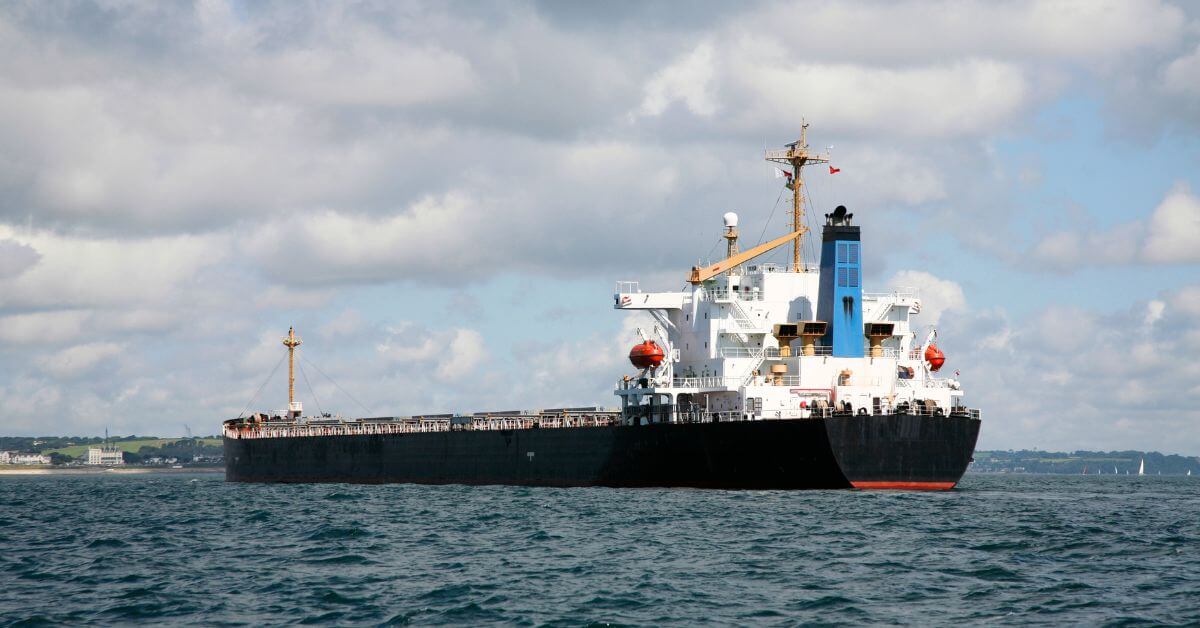
The recent passage of a Thai oil tanker through the Strait of Hormuz, facilitated by diplomatic engagement with Iran, underscores a critical aspect of global maritime security and the interconnectedness of international relations. This event, framed by the Iranian Embassy in Thailand as a demonstration of "close cooperation" and the special place of "friends," highlights how nuanced diplomatic efforts can ensure the safe passage of vital commercial traffic through strategically important waterways. For World Data Ocean, such instances are more than just headlines; they represent a tangible outcome of coordinated action that impacts the flow of global energy resources and underscores the importance of maintaining open and secure sea lanes. Our work in providing validated, real-time data on maritime traffic and environmental conditions within these critical chokepoints is designed to inform precisely these kinds of situations, offering a foundation for understanding and managing the complexities of international trade and security.
The Strait of Hormuz, a narrow waterway critical for global oil transport, often finds itself at the nexus of geopolitical tensions. The successful transit of the Thai tanker, following discussions, demonstrates the power of dialogue in mitigating risks. This event serves as a reminder that while technological capabilities are essential for monitoring and understanding maritime activities, they are most impactful when coupled with robust diplomatic frameworks. World Data Ocean's commitment to an integrated data ecosystem allows for the visualization and analysis of shipping patterns, potential disruptions, and the environmental context of these vital routes. This comprehensive, measurable intelligence is crucial for policymakers and industry stakeholders to make informed decisions, fostering an environment where collaboration, not confrontation, can prevail. The "ocean intelligence" we provide aims to empower stakeholders with the clarity needed to navigate such complex geopolitical and logistical landscapes.
Ultimately, the safe passage of the Thai oil tanker is a testament to the ongoing need for both technological innovation and persistent diplomatic engagement in ensuring global maritime stability. It reinforces our brand's core tenets: that scientific authority, coupled with a spirit of global collaboration, can lead to tangible positive impacts. By providing clear, empirical data and fostering an understanding of the interconnected systems that govern our oceans and their vital trade routes, World Data Ocean contributes to a more predictable and secure maritime environment. This event, though specific in its context, resonates with our broader mission to leverage data and innovation for the stewardship of our oceans and the facilitation of peaceful, productive global interactions.