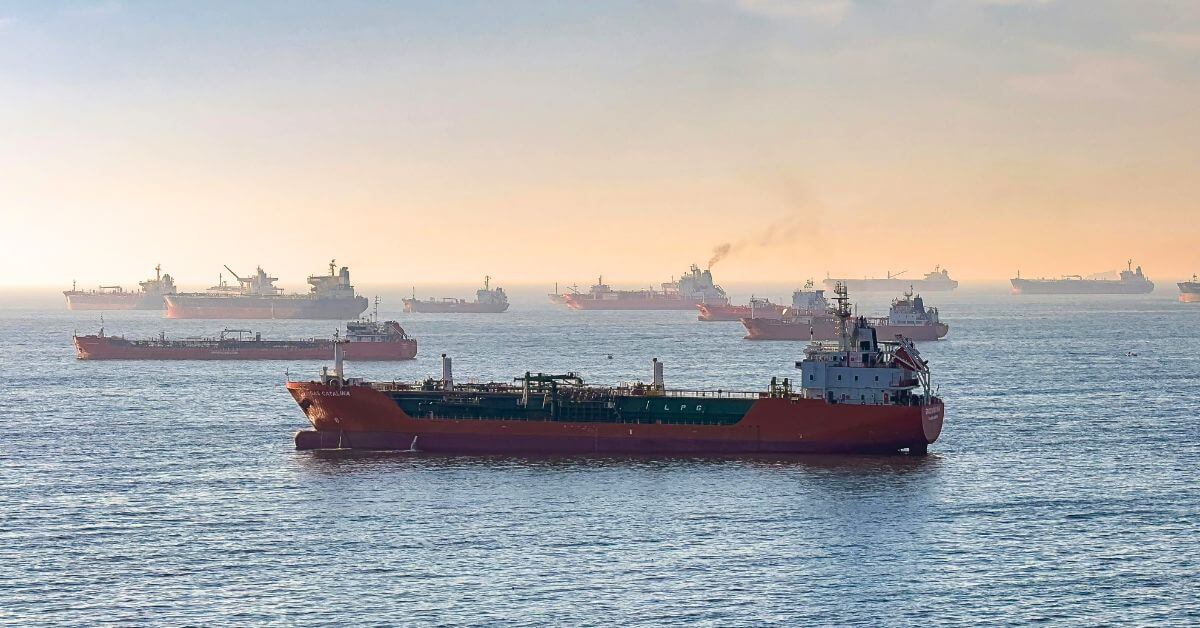
The recent resumption of Malaysian vessel transit through the Strait of Hormuz following a period of blockade underscores a critical, persistent challenge in global maritime security and its direct impact on ocean commerce. While the specific details surrounding the clearance remain undisclosed, the event highlights the geopolitical sensitivities that can disrupt vital shipping lanes, impacting not only national economies but also the intricate network of global trade that relies on these waterways. For World Data Ocean, such disruptions serve as a stark reminder of the interconnectedness of human activity and the marine environment, and the necessity of robust, data-driven understanding to navigate these complexities.
The Strait of Hormuz, a narrow chokepoint, is a linchpin for energy transport and international trade. Its strategic importance means that any instability in the region has immediate and far-reaching consequences. This event, while specific to Malaysian vessels, is emblematic of the broader vulnerabilities faced by maritime traffic worldwide. Understanding the patterns of trade, the frequency of transit, and the potential risks associated with specific maritime routes is crucial for effective risk management and for ensuring the continued flow of goods that underpin global economies. World Data Ocean is committed to providing the validated, measurable data necessary to inform these critical decisions, fostering an environment where such disruptions can be anticipated and mitigated through intelligent foresight.
Our role at World Data Ocean is to move beyond simply reporting on events to providing the underlying intelligence that can foster greater stability and sustainability. By integrating real-time data streams from various sources, we aim to build a comprehensive ocean intelligence picture that encompasses not only environmental factors but also the complex geopolitical and economic forces that shape maritime activity. This integrated data ecosystem allows us to identify trends, predict potential disruptions, and offer insights that support informed policymaking and operational planning. The ability to understand and respond to events like the Strait of Hormuz blockade is fundamental to our mission of promoting ocean stewardship and ensuring the resilience of global maritime systems.