Our Take: Expanding the Ocean's Observational Reach
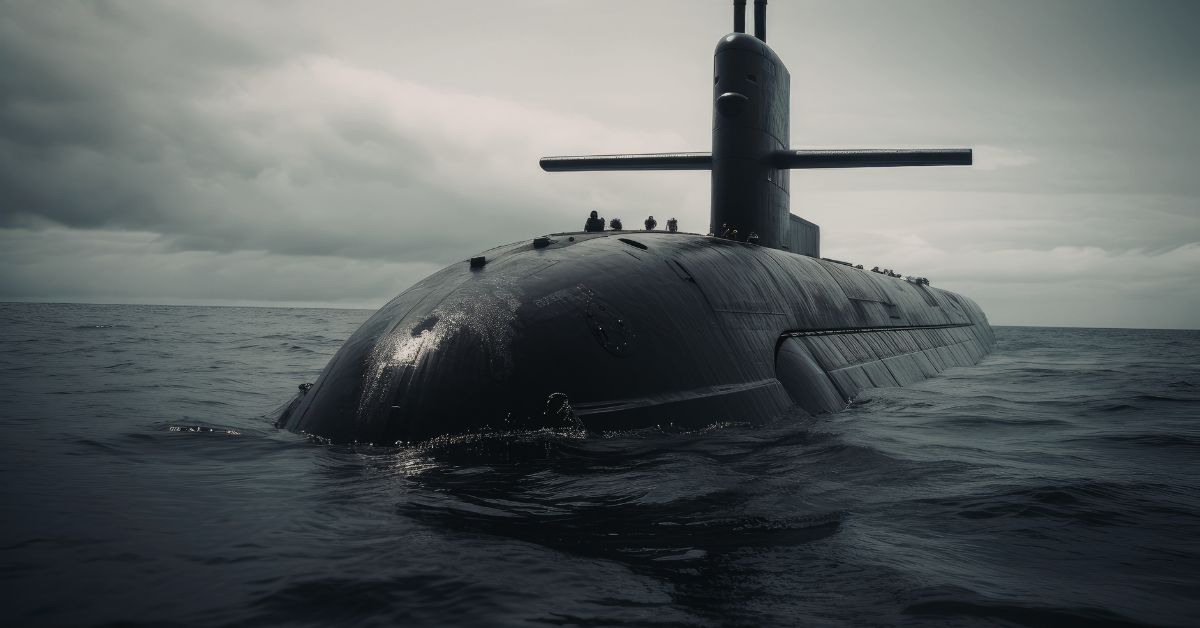
The recent announcement regarding L3Harris Technologies' contract with the Defense Innovation Unit for the Torpedo Tube Launch and Recovery (TTLR) system marks a significant, albeit nuanced, development in our capacity to gather empirical data from the marine environment. While the immediate application of this technology is rooted in defense, its underlying principle—deploying autonomous underwater vehicles (AUVs) from existing submarine infrastructure—holds profound implications for scientific ocean observation. World Data Ocean champions the advancement of any technology that can expand our access to real-time, measurable data about the ocean. This development, by leveraging established naval platforms, presents a novel pathway to increasing the density and coverage of underwater sensor networks, offering a complementary approach to traditional oceanographic research vessels and fixed observatories. The ability to launch and recover AUVs from submerged platforms, potentially in challenging or remote oceanic regions, could unlock unprecedented opportunities for longitudinal studies of critical marine processes.
The core innovation lies in transforming a submarine's torpedo tubes into versatile launch and recovery systems for AUVs. This integration bypasses the need for dedicated surface vessels or specialized deployment infrastructure, potentially reducing operational costs and increasing deployment frequency. For scientific endeavors, this translates to the possibility of more consistent data streams on parameters such as ocean currents, temperature, salinity, and acoustic signatures. Such validated, calibrated measurements are crucial for building robust climate indicators and understanding complex, interconnected ocean systems. The potential for these AUVs to conduct peer-reviewed research missions, from mapping seafloor topography to monitoring marine biodiversity and tracking the dispersal of pollutants, underscores the dual-use nature of this technological advancement. Our commitment to fostering global collaboration in ocean intelligence means we recognize and encourage the exploration of all avenues that enhance our collective understanding.
World Data Ocean views this development not as a singular solution, but as a vital component within a broader, integrated data ecosystem. The data generated by AUVs deployed through systems like TTLR can be seamlessly assimilated into our existing frameworks, contributing to a more comprehensive, real-time picture of ocean health. This innovation aligns with our purpose-driven mission to foster a deeper, data-informed appreciation for the ocean's critical role in the global climate system. By enabling more widespread and sustained underwater observation, we move closer to achieving the level of ocean intelligence necessary for effective stewardship and informed decision-making. The scientific community has long sought to expand its observational reach; this technological adaptation offers a promising stride in that direction, reinforcing the principle that understanding drives protection.