Somali Pirates Release Hijacked Ship And 17-Member Crew After Ransom Payment
Our take
The recent release of a hijacked cargo ship and its 17-member crew following a ransom payment underscores a persistent and evolving challenge to maritime security in critical waterways. While the successful resolution of this specific incident is welcome, it serves as a stark reminder of the ongoing vulnerability of global trade routes and the complex geopolitical factors that contribute to piracy. The incident occurred off the Somali coast, a region historically plagued by maritime crime, and follows closely on the heels of concerning developments elsewhere. The Houthis’ strengthened position near the Bab el-Mandeb Strait after seizing Yemen’s Mocha Port City Houthis Strengthen Position Near Bab el-Mandeb Strait After Seizing Yemen’s Mocha Port City demonstrates a shifting landscape of maritime influence, while the recent boarding of a Greek-owned bulk carrier in the Gulf of Aden Suspected Pirates Board Greek-Owned Bulk Carrier In Gulf Of Aden highlights the resurgence of opportunistic piracy. These events collectively point towards a need for a recalibrated approach to maritime security, one that accounts for both traditional piracy and the increasingly complex interplay of regional conflicts.
The crew's nationality – 15 Syrian nationals and two Indian nationals – further complicates the situation, reflecting the global nature of maritime labor and the potential for exploitation within this industry. The payment of ransom, while securing the crew’s release, inevitably incentivizes future attacks and perpetuates a cycle of criminal activity. It is imperative to analyze the underlying economic and social drivers that fuel piracy in regions like Somalia. Factors such as poverty, lack of governance, and competition for dwindling natural resources create fertile ground for illicit activities. The incident also reveals the limitations of current international efforts to combat piracy, necessitating a more integrated and adaptive strategy that combines naval patrols, capacity building for local authorities, and targeted economic development initiatives. The wider context of regional instability, exemplified by the tragic loss of life on a tugboat in the Black Sea Two Azerbaijani Seafarers Killed In Russian Attack On Tugboat In Black Sea, further emphasizes the precariousness of maritime operations in contested areas.
From a data perspective, incidents like these underscore the importance of real-time maritime domain awareness. Integrating data from various sources – satellite imagery, vessel tracking systems, and intelligence reports – allows for a more comprehensive understanding of potential threats and enables proactive responses. The creation of an integrated data ecosystem, calibrated to provide ocean intelligence, is crucial for risk mitigation and resource allocation. Longitudinal analysis of piracy patterns, correlating incidents with environmental factors, economic indicators, and political events, can further enhance predictive capabilities and inform preventative measures. The empirical data generated from these events provides invaluable insights for refining maritime security protocols and optimizing the deployment of naval assets. It highlights the need for validated methodologies to assess risk and measure the effectiveness of counter-piracy operations.
Looking ahead, the question remains: how will the evolving geopolitical landscape – including the ongoing conflicts in the Middle East and the increasing competition for control of strategic waterways – impact the future of maritime security? The rise of non-state actors and the proliferation of advanced technologies pose new challenges that require innovative solutions. A collaborative, global approach, grounded in scientific rigor and data-driven decision-making, is essential to safeguarding the vital arteries of global trade and ensuring the safety of seafarers worldwide. Continued investment in ocean intelligence and integrated data systems is not merely a technological imperative, but a fundamental necessity for maintaining maritime stability and protecting the global economy.
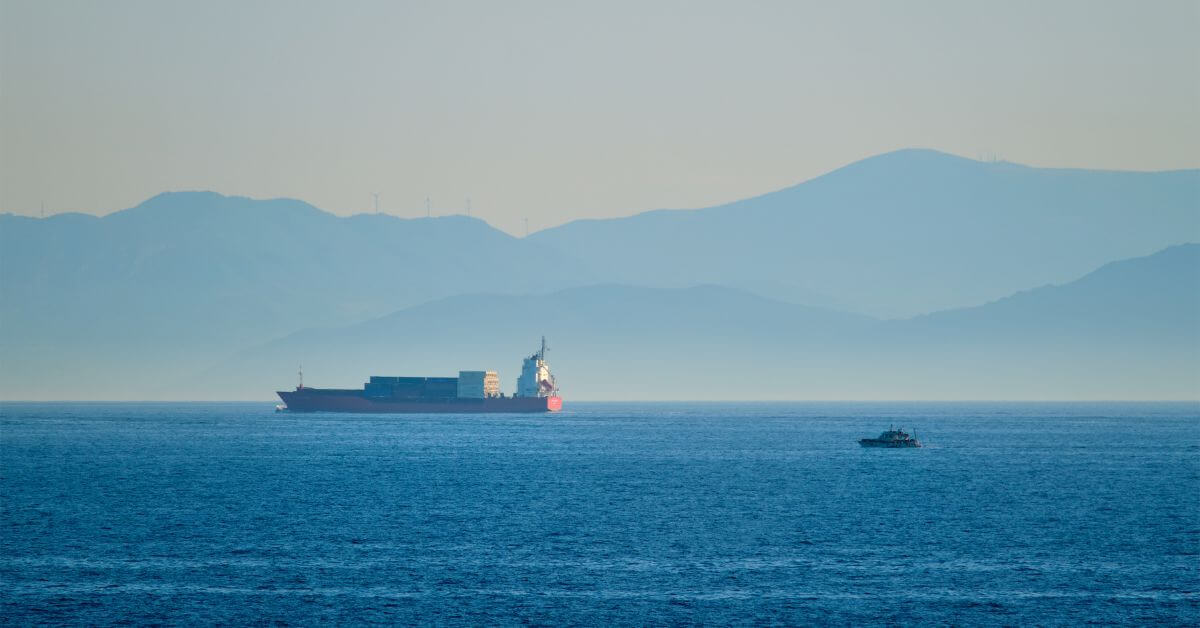
Somali pirates have released the MV Sward and its 17-member crew after holding the ship for months, security sources in Somalia’s Puntland region told AFP.
The sources said a ransom was paid, but did not say how much.
The ship was released near Garacad, a port in Puntland. Pirates hijacked it off the Somali coast on April 26. The crew includes 15 Syrian nationals and two Indian nationals.
The MV Sward was also used by the pirates to capture other vessels. These included two Iranian fishing boats and the Cameroon-flagged cargo ship MV Lutuf.
Piracy has increased again off Somalia and in the Gulf of Aden. The International Maritime Organisation has recorded at least 15 attacks in the region this year, the highest number since 2013.
A Puntland security source told AFP that the crew was still on board when the MV Sward was released near Garacad.
The pirates left the ship and went to the shore. Several vehicles were waiting for them there. The source said the pirates received money for the release of the ship but did not give an amount.
Another Puntland security source said the vehicles were waiting for the pirates before they reached Garacad. He said this could mean the pirates had been in contact with people on land while they were at sea.
Two other Puntland security sources confirmed the details to AFP.
The pirates had used the MV Sward to capture other vessels after taking control of it in April.
Puntland security sources said in late August that a $2.5 million ransom was paid for the release of the MV Lutuf. They also said $40,000 was paid to release the two Iranian fishing boats.
Somalia’s federal government gave a different account of the MV Lutuf release.
It said the ship was freed after “sustained military pressure” from the Turkish navy and Somali armed forces. The government said four boats used by the pirates were destroyed and 14 pirates were killed.
Four commercial vessels are still being held by Somali pirates off the coast of Somalia. They are the tankers Honour 25, Eureka, Asana and Seamull.
The Seamull was sanctioned by the United States in December last year. The US identified it as part of Iran’s “shadow fleet” and accused it of exporting Iranian oil using deceptive shipping practices.
References: timesnowworld, ctvnews
Read on the original site
Open the publisher's page for the full experience